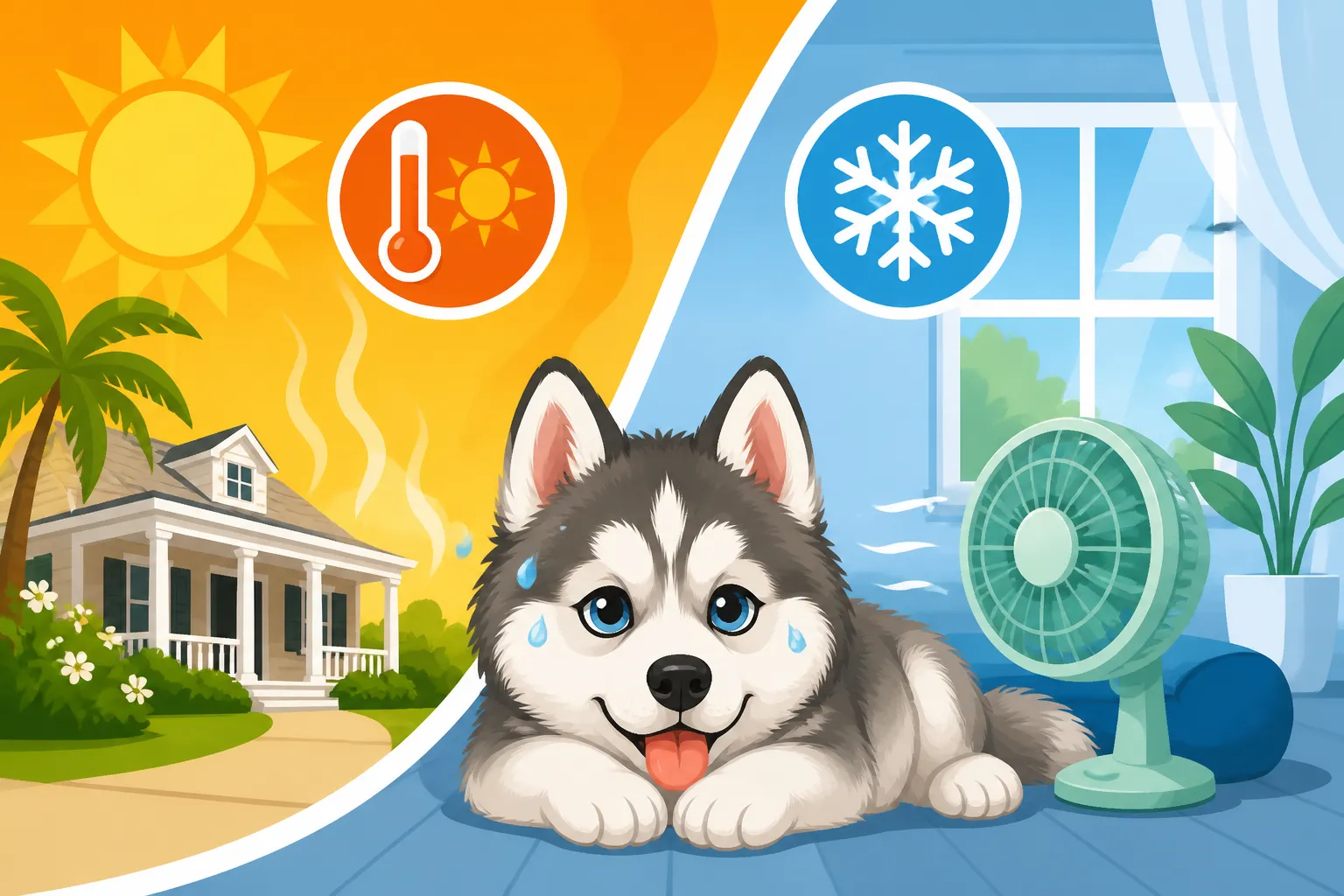
Whether a Pomsky Copes in a Southern Summer
Bringing a Pomsky into your life, especially if you live in a warm climate like the American South, comes with a unique set of questions and worries. You envision those bright, energetic eyes and fluffy coat, but then a wave of concern washes over you: will my Pomsky truly be comfortable when the summer sun beats down with relentless humidity? It's a completely valid apprehension, and frankly, a critical one for the well-being of your beloved companion. This guide is here to thoroughly explore whether a Pomsky can cope in a Southern summer and, more importantly, equip you with practical strategies to ensure your furry friend thrives, rather than just survives, through the heat.
Understanding Your Pomsky's Double Coat and Heat Tolerance
The very thing that makes Pomskies so undeniably adorable—their plush, luxurious double coat—is also the primary reason for concern in hot climates. It's a genetic inheritance from both the Siberian Husky and the Pomeranian, and while it's fantastic for keeping them warm in chilly weather, it poses a significant challenge when the mercury rises.
The Husky-Pomeranian Blend: A Double-Edged Sword in Heat
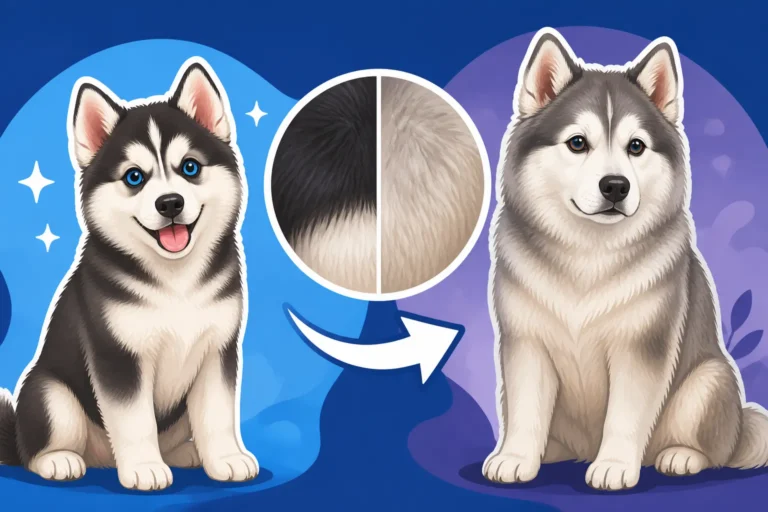
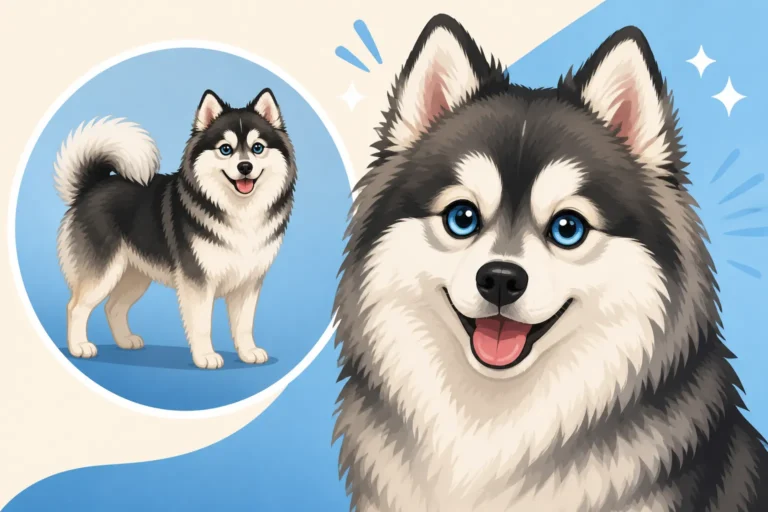
Think of your Pomsky's coat as a highly efficient insulation system. It's designed to trap air, which then warms up with body heat, protecting against the cold. The irony is, this same principle means it's equally good at trapping heat in when the weather is warm. The dense undercoat, in particular, acts like a thick winter blanket, making it difficult for natural body heat to dissipate efficiently. Many owners, looking at their twenty-pound fluffball, might not fully grasp the sheer volume of fur packed onto a relatively small frame. A Pomsky can carry The Pomsky That Carries a Husky Coat at Twenty Pounds, which is far more insulation than a smaller dog with a single coat would have.
While dogs do have natural cooling mechanisms, such as panting and vasodilation (where blood vessels near the skin surface expand to release heat), these systems have their limits. A Pomsky's lineage hails from far colder regions of the world. Siberian Huskies were bred to pull sleds across frozen tundras, and Pomeranians, while smaller, also originated from cold climates like Pomerania, a historical region now split between Germany and Poland. Their bodies are fundamentally geared towards retaining heat, not shedding it, making a hot, humid Southern summer a biological mismatch they can struggle to overcome without significant human intervention.
Why Shaving is Never the Answer for a Pomsky in Heat
It's a common, almost instinctual, thought when you see your Pomsky panting in the heat: "Maybe I should shave them to help them cool down!" However, this is one of the biggest and most dangerous misconceptions for double-coated breeds like Pomskies. Shaving a double-coated dog actually disrupts their natural cooling system and can cause more harm than good.
The outer layer of a Pomsky's coat consists of guard hairs. These guard hairs are coarser and provide protection from the elements, including harmful UV rays. They also create an insulating layer that helps air circulate near the skin, which is crucial for temperature regulation. When you shave these off, you strip away this natural protection. Not only does it expose their delicate skin to sunburn, increasing the risk of skin cancer, but it also removes the very structure that allows for heat regulation. Without the guard hairs, the soft undercoat can grow back incorrectly, becoming matted and even denser, which further traps heat and can lead to a condition known as "post-clipping alopecia" where the coat simply refuses to grow back properly. You can learn more about this in Whether Shaving a Pomsky Damages the Coat. Instead of shaving, focus on proper grooming, which we'll delve into shortly.
Recognizing the Warning Signs of Overheating
One of the most crucial aspects of owning a Pomsky in a Southern summer is being able to read your dog's cues. They can't tell you in words that they're too hot, so it's up to us to interpret their body language and physical signs. Overheating, if left unchecked, can quickly escalate to life-threatening heatstroke.
Subtle Indicators of Heat Stress in Your Pomsky
Before your Pomsky reaches a critical state, there are often subtle signs that they are starting to feel the effects of the heat. The earliest indicator you might notice is panting that is heavier or more persistent than usual, even when they're at rest or after minimal activity. This is their primary way of cooling down, but if it's constant and appears labored, it's a red flag. Your Pomsky might also start actively seeking out cool, shady spots, perhaps lying on a tiled floor or pressing themselves against a cool wall. They might show reduced energy levels, being less enthusiastic about play or even a favorite walk, preferring to just lie down.
You might also observe more frequent drinking, or even pacing and restlessness as they try to find a comfortable spot. Pay attention to their gums; if they appear brighter red than usual, it can indicate increased blood flow in an attempt to dissipate heat. Increased drooling is another common sign, as the body tries to cool through evaporation. These early signs are your cue to intervene immediately by moving them to a cooler environment and offering fresh water.
Urgent Symptoms Requiring Immediate Action
If the subtle signs are ignored, or if your Pomsky is exposed to extreme heat or strenuous activity, their condition can rapidly worsen. At this stage, the symptoms become much more severe and demand immediate, decisive action. You might see excessive, rapid panting that sounds like struggling for breath, often accompanied by a rapid heart rate that you can feel by placing your hand on their chest. Their movements might become uncoordinated, leading to staggering or stumbling. Vomiting and diarrhea can occur as their internal organs start to shut down.
In the most critical scenarios, your Pomsky could collapse, lose consciousness, or even experience seizures. Their gums might turn a bluish-purple color, indicating a lack of oxygen, or become very pale. These are all signs of full-blown heatstroke, a medical emergency that can cause irreversible organ damage or death. If you witness any of these urgent symptoms, it's not enough to simply move them to a cool place; you need to begin first aid measures while simultaneously contacting your veterinarian or the nearest emergency animal hospital. Every second counts in these situations.
Strategies for Keeping Your Pomsky Cool and Comfortable
Living in a Southern summer with a Pomsky means being proactive and adjusting your lifestyle to accommodate their needs. It's about creating an environment where they can be happy and healthy, despite the challenging temperatures.
Adjusting Your Daily Routine for Southern Summers
The most impactful change you can make is to drastically alter your Pomsky's outdoor activity schedule. Forget midday walks or playtime in the yard during the summer months. The prime time for any outdoor exercise becomes the very early morning, often before 7 AM, and late in the evening, after the sun has set and the pavement has cooled down considerably. Even then, keep an eye on the humidity, as high humidity makes it much harder for dogs to cool through panting. A quick check on the weather app for the "feels like" temperature can be very insightful.
During the hottest parts of the day, outdoor excursions should be limited to quick potty breaks in a shaded area. Instead of strenuous physical exercise, focus on indoor enrichment. This could involve interactive puzzle toys that dispense treats, scent games where you hide kibble around the house for them to find, or learning new tricks that engage their minds without taxing their bodies. Remember, a tired mind can be just as satisfying as a tired body for a clever Pomsky. Always ensure your Pomsky has constant access to fresh, cool water, refreshing their bowl frequently throughout the day.
Utilizing Cooling Aids and Environment Management
Beyond routine adjustments, there's a whole world of cooling aids designed to help your Pomsky beat the heat. Cooling mats are a fantastic invention; they often contain a gel that activates with pressure, providing a cool spot for your dog to lie on. Elevated dog beds, often made with mesh fabric, also help by allowing air to circulate underneath, preventing heat from building up. For dogs who enjoy water, a shallow splash pad or kiddy pool in a shaded part of the yard can be a wonderful way for them to cool off, but always supervise to ensure safety.
Indoors, air conditioning is your Pomsky's best friend. Keep your home comfortably cool, especially if you're not there to monitor them. Fans can also aid air circulation. Never, ever, under any circumstances, leave your Pomsky in a parked car, even with the windows cracked. The temperature inside a car can skyrocket to dangerous levels in minutes, even on a seemingly mild day. Creating shaded outdoor areas with tarps, umbrellas, or natural tree cover can also provide safe zones for quick breaks. Many online retailers like Chewy or Amazon offer a wide array of these cooling products, from specialized bowls to cooling vests.
Grooming Practices to Support Heat Regulation
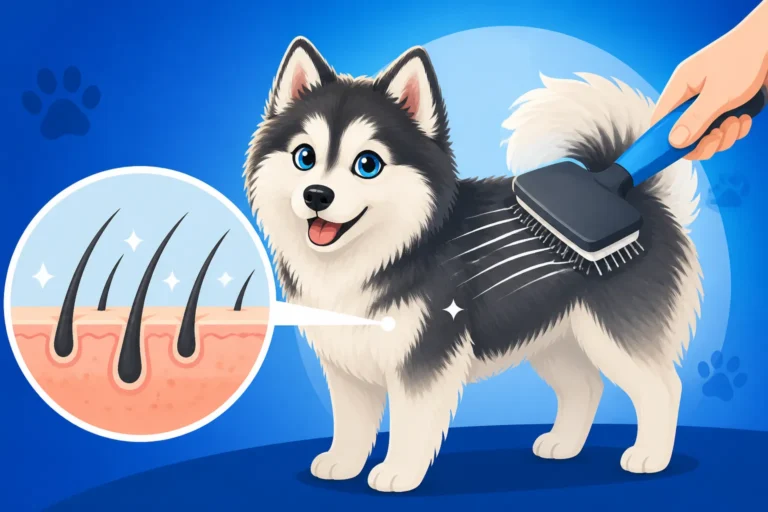
Proper grooming is absolutely essential for a double-coated Pomsky, especially in warm climates. As mentioned, shaving is out, but regular and thorough brushing is in. Your Pomsky will typically Whether a Pomsky Blows Its Coat Twice a Year, often heavily in spring and fall. During these "blowouts" and throughout the summer, it's crucial to remove all the loose, dead undercoat. This trapped undercoat acts like an extra layer of insulation, preventing air from reaching the skin and trapping heat close to the body.
Investing in a good undercoat rake is non-negotiable for a Pomsky owner. The Undercoat Rake a Pomsky Owner Lives With for a reason – it's the only tool that can effectively reach deep into the coat and pull out the dead fluff without damaging the healthy guard hairs. Aim for daily brushing during shedding season and several times a week during the rest of the year. Professional groomers also offer "deshedding" services, which often include a special bath and a high-velocity dryer to blast out loose fur. When bathing your Pomsky, ensure you're using appropriate shampoos and, most importantly, completely drying their double coat to the skin. Leaving the undercoat damp can lead to skin issues like hot spots, which are exacerbated by heat and humidity. Drying a Pomsky to the Skin is a key step that many owners overlook.
Hydration and Nutrition: Fueling for the Heat
Just like humans, dogs need extra attention to hydration and diet when the weather heats up. Their bodies are working harder to stay cool, and proper fuel and fluid intake are critical to support these efforts.
The Critical Role of Water Intake
Constant and easy access to fresh, cool water is non-negotiable for a Pomsky in a Southern summer. Always have multiple water bowls available around your home, both indoors and out. Consider investing in a filtered water fountain, as many dogs are enticed to drink more from flowing water. Adding a few ice cubes to their water bowl can help keep it cool longer and entice them to drink. For some Pomskies, a small amount of low-sodium chicken or beef broth mixed into their water can also encourage them to drink more.
When you're out and about, even for a short potty break, always carry a portable water bottle and a collapsible bowl. There are many convenient options available on sites like Amazon or Chewy. It's easy to underestimate how quickly a dog can become dehydrated in the heat. Watch for signs of dehydration such as sticky gums, sunken eyes, or a loss of skin elasticity (gently pinch the skin on their back; if it's slow to return to place, they might be dehydrated).
Dietary Adjustments for Warmer Weather
While a complete diet change isn't always necessary, some minor adjustments can be beneficial. Avoid feeding large, heavy meals during the hottest parts of the day. A big meal requires energy for digestion, which generates internal heat. Splitting their daily food allowance into smaller, more frequent meals, or feeding primarily in the cooler morning and evening hours, can help.
Some owners consider fresh food diets during warmer months. Brands like Ollie offer fresh, human-grade food that often has higher moisture content than traditional kibble, which can contribute to overall hydration. Always consult with your vet before making significant dietary changes. For treats, consider frozen options! Small pieces of frozen banana, apple (without seeds), watermelon (seedless), or even plain, unsweetened yogurt can be refreshing and hydrating. You can also freeze dog-safe broth in ice cube trays for a cooling snack.
Activities and Training Considerations in the Heat
Keeping an active breed like a Pomsky mentally and physically stimulated is important year-round, but summer heat demands a creative approach to exercise and play.
Safe Outdoor Fun vs. Risky Endeavors
When it comes to outdoor activities in a Southern summer, caution is paramount. Supervised swimming can be a fantastic way for some Pomskies to cool off and burn energy. Not all Pomskies are natural swimmers, so always introduce water slowly and use a doggy life vest, especially in larger bodies of water. Remember, even in water, a dog can still overheat if they're over-exercising or drinking too much water. Short, scent-based walks in heavily shaded areas like nature trails can be good, focusing on sniffing and exploring rather than sustained cardio.
Absolutely avoid walking your Pomsky on hot pavement during the day. Pavement can reach scorching temperatures, easily burning their paw pads. A simple test: if you can't comfortably hold your hand on the pavement for five to seven seconds, it's too hot for your dog's paws. Read more about this critical issue in Whether Pavement Burns a Pomsky's Pads. Dog parks are often concrete or artificial turf, which can get incredibly hot, so be extremely selective about when and where you visit. Early morning is usually the only safe time.
Indoor Entertainment and Brain Games
With outdoor exercise limited, channeling your Pomsky's intelligence and energy indoors becomes vital. Puzzle toys that require them to manipulate objects to get treats are excellent for mental stimulation. Snuffle mats, where they have to use their nose to find hidden kibble, tap into their natural foraging instincts. Indoor training sessions are perfect for reinforcing obedience cues or teaching new tricks; short, frequent sessions are more effective than long, drawn-out ones for a Pomsky's attention span.
You can also engage them in games like hide-and-seek with their favorite toy or even you. A flirt pole, a stick with a toy attached to a rope, allows for quick bursts of prey-drive satisfying play without excessive running, as you control the movement. Remember, a bored Pomsky is often a destructive Pomsky, so providing plenty of safe, stimulating indoor activities is crucial to prevent undesirable behaviors when outdoor exercise is restricted. It’s all part of What a Pomsky Needs Daily.
Preparing for Emergencies and Long-Term Care
Despite all precautions, emergencies can happen. Being prepared is your best defense. Beyond that, understanding the long-term commitment of keeping a Pomsky comfortable in a hot climate is key to responsible ownership.
What to Do in a Heat Emergency
Knowing the immediate steps to take if your Pomsky shows signs of heatstroke can be life-saving. If you suspect heatstroke, act quickly:
- Move them to a cooler environment immediately: Get them into air conditioning or a shaded area.
- Start cooling them down: Use cool (not ice cold) water to wet their paws, ears, groin, and underarms. You can gently hose them down or use wet towels. Never use ice-cold water or ice packs directly on their skin, as this can cause blood vessels to constrict, trapping heat inside their body, and can also lead to shock.
- Use a fan: Direct a fan toward them to aid in evaporative cooling.
- Offer small amounts of cool water: Do not force them to drink.
- Contact your veterinarian or emergency animal hospital immediately: Even if your Pomsky seems to be recovering, internal damage may have occurred, and professional veterinary care is essential. They need to be assessed for organ damage, given IV fluids, and monitored. Always call ahead so the clinic can prepare for your arrival.
Living Long-Term with a Pomsky in a Hot Climate
The decision to own a Pomsky in a Southern summer climate is a significant one, requiring a deep understanding and commitment to their specific needs. It means having realistic expectations about their exercise levels and outdoor time during much of the year. You must be prepared to provide a consistently cool indoor environment, whether through air conditioning or other cooling methods, as this is not a breed that can thrive without climate control in intense heat.
Long-term care also involves vigilant attention to their health. The stress of chronic heat exposure, even if not leading to acute heatstroke, can potentially impact a dog's overall health over time. Regular veterinary check-ups are essential to monitor for any subtle signs of heat-related stress or underlying conditions that might make them more vulnerable. The Screening a Pomsky Should Have Yearly should definitely include a discussion with your vet about specific concerns related to heat and your Pomsky. By understanding these challenges and committing to these proactive measures, you can ensure your Pomsky enjoys a happy, healthy life, even in the warmth of the Southern sun.
| Sign of Heat Stress | Mild to Moderate Heat Stress | Severe Heatstroke |
|---|---|---|
| Panting | Heavier than usual, persistent | Excessive, frantic, struggling for breath, noisy |
| Energy Level | Reduced, seeking shade, reluctant to play | Lethargic, staggering, collapse, loss of consciousness |
| Gums | Bright red, moist | Very pale, bluish-purple (cyanotic) |
| Drooling | Increased, thick saliva | Excessive, stringy, often with foaming |
| Body Temperature | Elevated (often above normal 101-102.5°F, but below 104°F) | Extremely high (104°F and above) |
| Other Symptoms | Restlessness, pacing, increased water intake | Vomiting, diarrhea (sometimes bloody), seizures, rapid heart rate |
Disclaimer
This article is for general informational purposes only and does not constitute professional advice. Laws, prices and regulations vary by location and change over time. Consult a qualified professional for guidance on your specific situation.