Whether a Pomsky Skips Meals
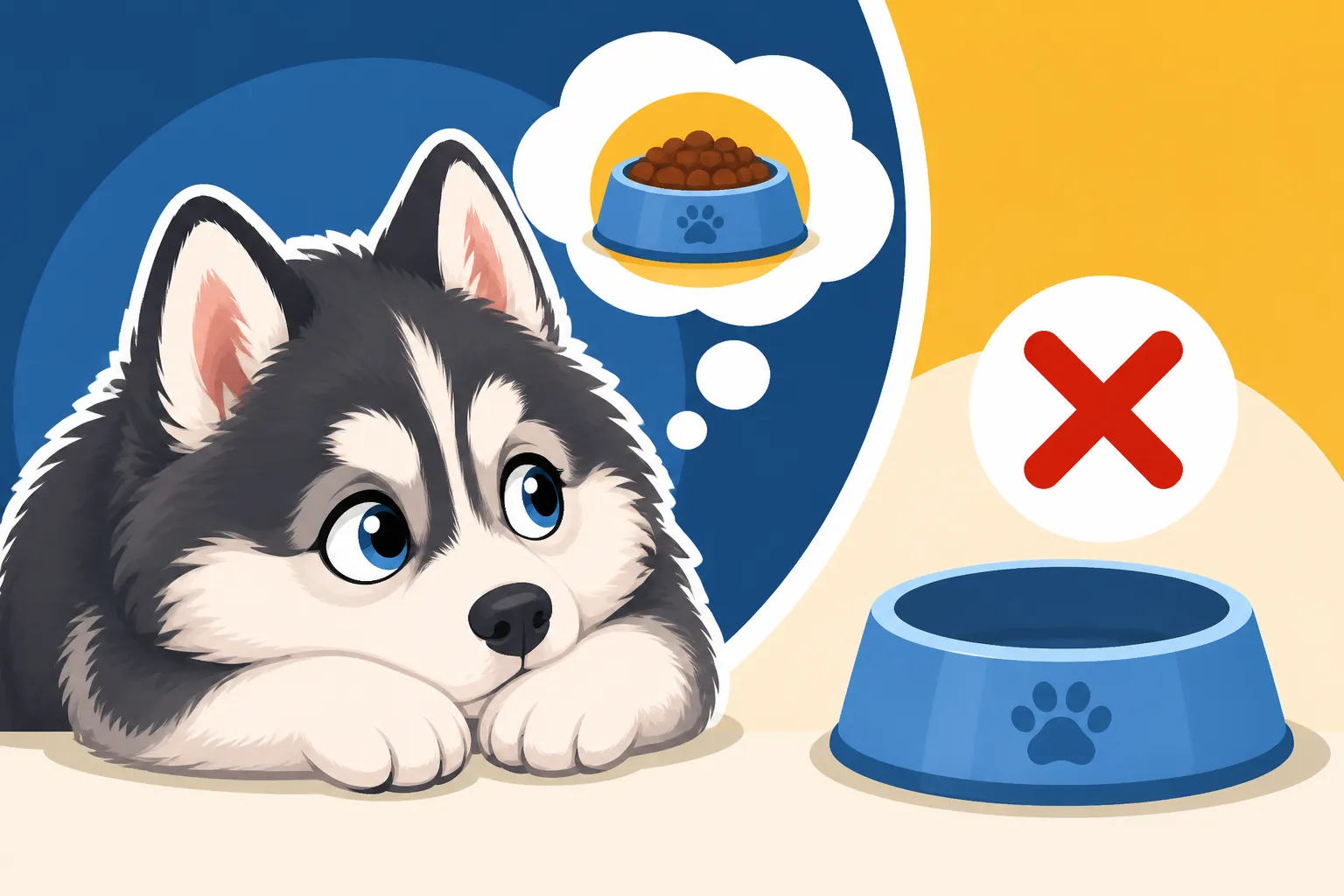
It's incredibly frustrating and worrying when your beloved Pomsky, who usually devours their food, suddenly starts turning up their nose at mealtime. One day they're enthusiastically chowing down, and the next, they're giving you the cold shoulder, leaving their bowl untouched. This guide is here to walk you through the common reasons why a Pomsky might skip meals, differentiating between normal breed quirks and actual concerns, and offering practical strategies to get them eating happily again.
Understanding Normal Pomsky Eating Habits
Many Pomsky owners find themselves scratching their heads, wondering why their furry friend isn't always as enthusiastic about food as other dogs they've known. It's easy to jump to conclusions and imagine the worst, but often, a Pomsky's eating habits are simply a blend of their unique genetic heritage. Understanding these ancestral traits can help you differentiate between a healthy dog self-regulating and a genuine problem.
The Husky Influence on Appetite
One side of your Pomsky's family tree comes from the Siberian Husky, a breed renowned for its incredible endurance and, somewhat paradoxically, its efficient metabolism. Huskies evolved to thrive on relatively small amounts of food for the energy they expended, meaning they don't always have the ravenous appetite you might expect from such an active dog. They can be incredibly good at self-regulating their intake, often eating just enough to meet their energy needs for the day, rather than gorging themselves.
This efficiency often translates into what many owners perceive as "pickiness" or "skipping meals." A Husky-influenced Pomsky might eat a full meal one day, then only half the next, or even pass on a meal entirely, especially if their activity level has been lower than usual. It’s not necessarily that they don't like the food; it's that their body isn't demanding more calories at that moment. This can be a huge source of anxiety for new Pomsky parents who expect a dog to always clear its bowl, but for many, it’s just how they're wired. For more on this, you might find our article Whether a Pomsky Is a Light Eater Like a Husky particularly insightful.
Pomeranian Tendencies and Small Appetites
On the other side, your Pomsky inherits traits from the Pomeranian, a much smaller breed. Small dogs, in general, can sometimes have more delicate digestive systems or simply smaller appetites compared to larger breeds. They might be more prone to becoming "finicky" if they're constantly offered new foods or if they learn that holding out will get them something more appealing, like human table scraps.
A Pomeranian's size also means they need fewer calories overall, and their energy requirements are different from a working dog like a Husky. If your Pomsky leans more towards the Pomeranian side in terms of size or build, their daily caloric needs will naturally be lower. This means even a small increase in treats or snacks throughout the day can significantly reduce their interest in their main meals. It's a delicate balance, and understanding that smaller dogs sometimes have smaller, less consistent appetites can ease a lot of worry.
Common Reasons a Pomsky Might Skip Meals (and When to Worry)
When your Pomsky suddenly decides to stage a hunger strike, it's natural to panic. Is it their food? Are they sick? Are they just being stubborn? The truth is, there's a whole spectrum of reasons, from minor behavioral quirks to more serious health concerns. It's about knowing what signs to look for so you can respond appropriately.
Behavioral or Environmental Factors
Sometimes, a Pomsky's lack of interest in food has nothing to do with being unwell and everything to do with their surroundings or routines. These are often easier to identify and rectify once you know what to look for.
First, consider stress or anxiety. Pomskies, like many intelligent and sensitive breeds, can be surprisingly susceptible to changes in their environment. A new person in the house, a change in your work schedule, construction noise next door, or even a sudden thunderstorm can throw them off. If your Pomsky is feeling anxious, eating might be the last thing on their mind. They might pace, hide, or display other anxious behaviors alongside their meal skipping. It's their way of telling you something isn't quite right in their world.
Another major culprit is over-feeding or too many treats. This is incredibly common! We love our Pomskies, and showering them with treats or sneaking them bites of our food is a tempting way to show affection. However, even a small handful of kibble-sized treats or a few stolen crumbs from the counter can significantly impact a smaller dog's caloric needs for the day. If your Pomsky is getting enough calories from these extras, they simply won't be hungry for their regular meals. They're not "skipping meals"; they're just not hungry. Think about Feeding a Twenty Pound Pomsky and how quickly those extra calories add up.
Boredom or preference can also play a role. Some Pomskies, particularly those with a strong Husky personality, can be a bit opinionated about their food. If they've been eating the same kibble for months, they might simply get bored. They might also learn that if they hold out, something tastier will eventually appear – especially if you've been inadvertently training them by offering different foods when they refuse their regular meal. This can create a cycle of finicky eating.
Finally, environmental conditions like heat can significantly impact a Pomsky's appetite. Just like us, dogs tend to eat less when it's hot outside. Their bodies are working harder to stay cool, and a heavy meal can feel less appealing. If you live in a warmer climate or during the summer months, you might notice a dip in their usual enthusiasm for food. Similarly, a decrease in their usual exercise level can also mean they need fewer calories, leading them to eat less. Our article The Exercise a Pomsky Needs Every Day delves into how much activity they truly require.
Health-Related Concerns
While many cases of meal skipping are behavioral, it's crucial not to dismiss the possibility of a medical issue. If you notice other symptoms accompanying the refusal to eat, it's time to pay closer attention and potentially consult your vet.
Dental issues are a surprisingly common cause of appetite loss in dogs. A painful tooth, inflamed gums, or an abscess can make chewing incredibly uncomfortable. If your Pomsky approaches their food, sniffs it, perhaps even tries a few tentative bites, then pulls away, dental pain might be the culprit. They want to eat, but it hurts. This is especially prevalent in smaller breeds like Pomeranians and, by extension, Pomskies, who can be prone to dental crowding. Dental Disease in a Pomsky's Crowded Mouth covers this in more detail.
Digestive upset is another frequent offender. Just like us, dogs can get upset stomachs. This could be due to eating something they shouldn't have, a sudden change in diet, a viral or bacterial infection, or even parasites. If your Pomsky is also showing signs like vomiting, diarrhea, lethargy, or drooling, an upset stomach is a strong possibility. In some cases, more serious digestive conditions like pancreatitis can also cause a sudden loss of appetite, often accompanied by severe abdominal pain. Our article Whether a Pomsky Gets Pancreatitis offers more information on this.
More underlying illnesses can manifest as a decreased appetite. Conditions affecting the kidneys, liver, heart, or other organs can make a dog feel generally unwell and uninterested in food. If your Pomsky is skipping meals alongside other symptoms like increased thirst, changes in urination, weight loss, difficulty breathing, or changes in energy levels over several days, these could be signs of a more serious systemic disease. It's always best to rule out major health issues, especially as Pomskies can inherit various predispositions. For example, Whether a Pomsky Gets Heart Disease is a good read.
Finally, pain or discomfort from other sources can also put a dog off their food. If your Pomsky has an injury, arthritis, or is simply feeling stiff, the act of standing over a bowl or bending down to eat might be uncomfortable. Similarly, female Pomskies going through their heat cycle might experience hormonal changes that temporarily reduce their appetite. Observing your dog's overall demeanor and body language can provide crucial clues.
Strategies for Encouraging Your Pomsky to Eat
If you've ruled out obvious health issues with your vet and suspect your Pomsky's meal skipping is more behavioral, there are many positive steps you can take. The key is consistency, patience, and a bit of creativity to make mealtime a positive experience again.
Establishing a Routine and Managing Portions
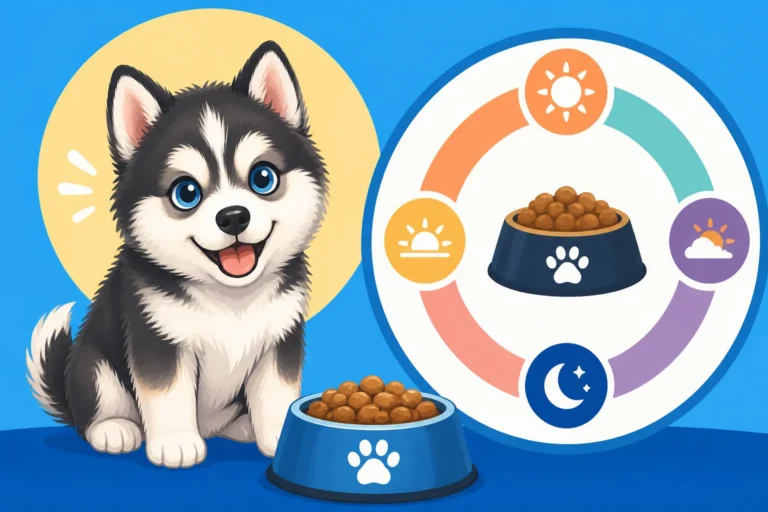
One of the most powerful tools in managing a finicky eater is a consistent routine. Dogs thrive on predictability, and knowing when to expect meals can help regulate their appetite. Set consistent meal times each day and stick to them. If you offer breakfast at 7 AM and dinner at 5 PM, make sure that's when the food appears.
Crucially, institute the "15-20 minute rule": put the food down, and after 15 or 20 minutes, pick it up, even if it's uneaten. Do not leave food sitting out all day for your Pomsky to graze on. This teaches them that food is available at specific times, and if they don't eat it, it's gone until the next meal. This creates a gentle sense of urgency and helps prevent them from becoming grazers who never feel truly hungry. It also prevents food from becoming stale or attracting pests.
Accurate portion sizing is also vital. Many owners inadvertently overfeed their dogs, especially when using standard measuring cups for kibble, which can vary wildly. Consult your veterinarian for an ideal weight range for your Pomsky and the corresponding caloric needs. Then, measure their food precisely using a kitchen scale for accuracy. Remember that the recommended feeding guides on pet food bags are often just a starting point and may suggest more food than an individual dog actually needs, particularly for a breed like a Pomsky with a Husky's efficient metabolism. Reducing treats throughout the day to a minimum, or cutting them out entirely for a short period, can also make a huge difference in their hunger levels. What a Pomsky Needs Daily can give you a baseline for overall care.
Enhancing Food Appeal
Sometimes, the issue truly is the food itself. Your Pomsky might genuinely be bored, or perhaps the texture or flavor profile just isn't exciting them anymore. This is where you can get a little creative to make mealtime more enticing.
One popular approach is trying different protein sources or food forms. If your Pomsky has been on chicken-based kibble for years, perhaps a lamb or fish-based option could spark their interest. You can also explore different food formats. While kibble is convenient, some dogs find wet food or fresh food much more palatable. Brands like Ollie offer fresh, human-grade food that can be a game-changer for picky eaters. You can also find a vast array of different kibble formulations and wet food toppers on online retailers like Chewy, allowing you to experiment with various options without having to visit multiple stores.
Adding toppers can also work wonders. A small amount of plain, low-sodium chicken or beef broth (ensure no onion or garlic!), a dollop of plain pumpkin puree, a scrambled egg, or a few pieces of cooked, unseasoned chicken or beef can instantly make a regular meal seem special. Just be mindful of the added calories from toppers and adjust their main meal portion accordingly.
Warming food slightly can also release aromas that stimulate appetite, especially for wet food or food with broth added. A few seconds in the microwave (ensure no hot spots!) can make a difference. Finally, consider using puzzle feeders or interactive bowls. For an intelligent and sometimes easily bored breed like the Pomsky, making mealtime a mental exercise can transform it from a chore into a fun activity. This can slow down eating, aid digestion, and increase their engagement with their food. You can find a huge selection of these engaging feeders and slow-feeder bowls on sites like Amazon.
Creating a Calm Eating Environment
The environment where your Pomsky eats is just as important as what they eat. A chaotic, noisy, or stressful mealtime can put even the hungriest dog off their food.
First, designate a quiet, consistent feeding spot. This should be a low-traffic area where your Pomsky can eat undisturbed. Avoid placing their bowl in a busy hallway, near a constantly opening door, or right next to a loud appliance. Some dogs feel vulnerable while eating, and a sense of security can make a big difference.
If you have multiple pets, consider feeding them separately to eliminate any competition or stress. Even if your dogs usually get along, the presence of another animal can create subtle tension that impacts a sensitive eater. A dog might feel rushed, or worry that another dog will steal their food, leading them to either gulp it down too fast or avoid it altogether.
Finally, always ensure fresh, clean water is readily available near their eating area, but not so close that it splashes into their food. Hydration is crucial, and some dogs prefer to drink a bit before or during their meal. Ensuring their overall comfort and a sense of safety during mealtime can significantly improve their willingness to eat.
When to Consult Your Veterinarian
While many instances of a Pomsky skipping meals turn out to be minor behavioral quirks or temporary changes, there are definite red flags that signal it's time to call your veterinarian. It’s always better to be safe than sorry when it comes to your pet's health.
Red Flags and Urgent Symptoms
Knowing when to transition from "monitoring and adjusting" to "calling the vet" is key. A complete refusal to eat for more than 24 hours in an otherwise healthy adult Pomsky is always a cause for concern and warrants a vet visit. For puppies, this timeframe is much shorter—if a puppy skips even a single meal, especially if they are very small, contact your vet immediately due to the risk of hypoglycemia. How Many Meals a Pomsky Puppy Needs highlights the importance of regular feeding for young dogs.
Beyond outright refusal, look for accompanying symptoms. If your Pomsky is skipping meals and also experiencing vomiting, diarrhea, lethargy, fever, or visible pain, these are urgent signs that something serious is going on. Lethargy, in particular, suggests a systemic issue rather than just pickiness. Other red flags include sudden or unexplained weight loss, even if they are still eating a little. A healthy dog should maintain a stable weight. Any changes in their drinking habits, such as increased thirst or decreased water intake, can also indicate underlying health problems.
Finally, any signs of visible pain or discomfort—like limping, whining, difficulty getting up, or guarding their abdomen—paired with a refusal to eat, should prompt an immediate vet appointment. These combinations of symptoms suggest a medical issue that requires professional diagnosis and treatment. If you notice Signs a Pomsky Is Overheating, this can also impact appetite and be an emergency.
What to Expect at the Vet
When you take your Pomsky to the vet for skipping meals, be prepared to provide a detailed history. Your vet will likely start with a thorough physical exam, checking everything from their teeth and gums (a common source of pain!) to their abdomen, joints, and overall body condition. They'll listen to their heart and lungs, and palpate their lymph nodes.
Depending on their initial findings, your vet may recommend further diagnostics. This often includes blood work to check organ function (kidneys, liver), blood cell counts (looking for infection or anemia), and electrolyte balance. A urinalysis can provide insights into kidney function and rule out urinary tract infections. A fecal exam will check for parasites, which can certainly cause appetite loss and digestive upset.
In some cases, if the cause isn't clear, imaging such as X-rays or ultrasound might be suggested to look for foreign objects, tumors, or other abnormalities within the abdominal cavity or chest. Your vet will also ask you detailed questions about your Pomsky's diet, feeding routine, recent changes in their environment, and any treats or human food they might be getting. Being honest and thorough with this information will help your vet pinpoint the problem quickly and accurately, getting your Pomsky back to their happy, hungry self.
Normal vs. Concerning Meal Skipping in Pomskies
Understanding the nuances between a normal Pomsky trait and a potentially serious issue can save you a lot of worry and ensure your dog gets the care they need. Here's a quick comparison:
| Trait / Behavior | Normal Pomsky Behavior (Often Okay) | Concerning Behavior (Consult Vet) |
|---|---|---|
| Duration of Food Refusal | Skips one meal, eats next; occasionally passes on a meal if activity was low. | Refuses all food for 24+ hours (adult); skips one meal (puppy). |
| Energy Levels | Remains active, playful, and otherwise normal. | Lethargic, weak, unresponsive, unwilling to play or move. |
| Other Symptoms | None, or minor temporary changes (e.g., slightly less active on a hot day). | Vomiting, diarrhea, excessive drooling, coughing, limping, visible pain, increased thirst. |
| Weight | Maintains a stable body weight over time. | Noticeable weight loss, ribs/hips becoming prominent. |
| Interest in Treats | May still take treats, but perhaps with less enthusiasm than usual; might be "holding out." | Refuses even high-value treats or favorite foods. |
| Stool & Urination | Normal. | Changes in frequency, color, or consistency of urine/feces. |
| Body Language | Normal, happy demeanor. | Hiding, shivering, pacing, hunched posture, sensitivity to touch, restlessness. |
| Dental Health | No visible pain when chewing. | Pawing at mouth, difficulty chewing, dropping food, bad breath, red/swollen gums. |
Disclaimer
This article is for general informational purposes only and does not constitute professional advice. Laws, prices and regulations vary by location and change over time. Consult a qualified professional for guidance on your specific situation.