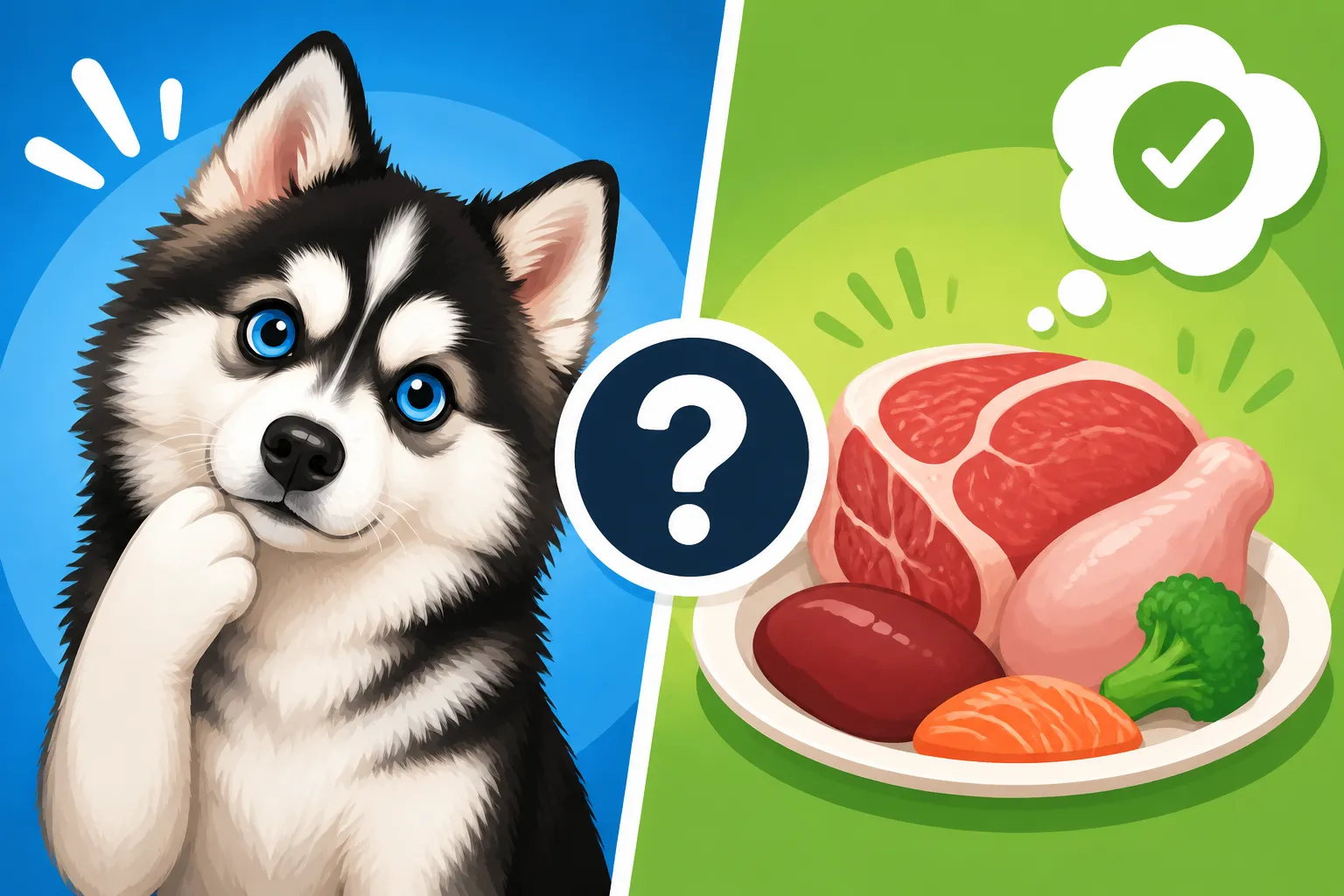
Whether a Pomsky Can Eat Raw
The question of whether a Pomsky can eat a raw diet is a passionate one, often creating more confusion and debate than clear answers for loving pet parents. You’re trying to do what’s best for your furry family member, and the sheer volume of conflicting information out there about raw feeding can be utterly overwhelming. This guide aims to cut through the noise, offering a realistic, empathetic, and in-depth look at the considerations, benefits, and very real risks involved in feeding your beloved Pomsky a raw food diet, so you can make an informed decision with confidence.
Understanding Raw Feeding for Your Pomsky
The concept of raw feeding for dogs isn't new, but its popularity has certainly surged in recent years. Many Pomsky owners are drawn to the idea, hoping to provide a diet that feels more "natural" or "ancestral" for their companions, especially given the distinct heritage of Huskies and Pomeranians. But what exactly does "raw feeding" entail, and what are the promises and pitfalls?
What "Raw Feeding" Actually Means
When people talk about feeding a raw diet, they're generally referring to food that hasn't been cooked or highly processed. This can manifest in a few different ways, each with its own nuances and requirements. The two most common approaches are:
- BARF (Biologically Appropriate Raw Food / Bones And Raw Food): This model emphasizes feeding a diet that mimics what a wild canine might eat, comprising raw muscle meat, organs, bones (raw and edible), and a smaller percentage of fruits and vegetables. The idea is to provide a balanced intake of nutrients from whole, unprocessed sources. For a Pomsky, balancing these components can be particularly tricky due to their size, energy levels, and potential breed-specific needs. You're trying to replicate nature in a domestic setting, which is a big ask.
- PMR (Prey Model Raw): This approach is even more focused on mimicking the diet of a wild predator, with an emphasis on whole animal carcasses or specific ratios of muscle meat, organs, and bones, typically without the added fruits and vegetables found in BARF. This often means carefully calculating percentages of various animal parts, such as 80% muscle meat, 10% bone, 5% liver, and 5% other secreting organs. Achieving this precise balance for a small to medium-sized dog like a Pomsky requires meticulous planning and sourcing. Imagine trying to get your Pomsky to eat a whole rabbit; it's a stark contrast to what many people envision.
Whether you're considering a DIY approach or looking into commercially prepared raw diets (many of which you can find on platforms like Chewy or through specialized fresh-food providers like Ollie), understanding these foundational concepts is key. It's not just about tossing a piece of raw chicken to your dog; it's a commitment to a very specific and often complex dietary philosophy.
The Appeal of a Raw Diet for Pomskies
It's easy to see why so many Pomsky owners are intrigued by raw feeding. The stories circulate, the testimonials pour in, and the perceived benefits can sound incredibly compelling, especially when you're looking for the absolute best for your furry friend.
Many proponents report seeing significant improvements in their dogs after switching to a raw diet. A common claim is a dramatically shinier, softer coat, which is particularly appealing for a double-coated breed like the Pomsky. Owners often describe a reduction in shedding (though a Pomsky will always shed, especially during its seasonal "blowouts," so expectations need to be realistic). They might also notice less body odor and healthier skin, potentially helping with issues like Zinc Responsive Dermatosis in a Pomsky if the diet is properly formulated.
Digestive health is another frequently cited benefit. Owners often report smaller, firmer, less odorous stools, indicating better nutrient absorption. Some believe raw feeding helps with chronic digestive issues or allergies, as the diet typically avoids common culprits like grains and certain artificial additives found in highly processed kibble. This can be a huge relief for a Pomsky suffering from a sensitive stomach or frequent bouts of loose stool.
Beyond aesthetics and digestion, some owners feel their Pomskies have more energy, better dental health (from chewing on raw bones), and improved overall vitality. The idea that a natural diet supports a stronger immune system and a longer, healthier life is a powerful motivator. It speaks to a deep desire to nurture our pets in the most primal and beneficial way possible.
The Risks and Concerns
While the appeal of raw feeding is strong, it's absolutely crucial to approach it with a clear understanding of the very real risks and concerns. This isn't just about a philosophical debate; it's about your Pomsky's health and the safety of your entire household. Many of the frustrations owners face come from not fully appreciating these challenges upfront.
The most significant concern revolves around bacterial contamination. Raw meat, regardless of how carefully you source it, can harbor harmful bacteria like Salmonella, E. coli, Listeria, and Campylobacter. While dogs' digestive systems are generally more robust than humans', they can still get sick. More importantly, these bacteria can be shed in their feces, contaminating your home environment and posing a serious risk to humans, especially children, the elderly, or those with compromised immune systems. This risk extends to surfaces, food bowls, and even your Pomsky's fur after they've eaten.
Another major hurdle is nutritional imbalance. Crafting a complete and balanced raw diet that meets all of a Pomsky's specific dietary needs (which can vary based on age, activity level, and individual health) is incredibly complex. A diet that is deficient in essential vitamins or minerals, or contains too much of something, can lead to serious health problems over time. For instance, too much calcium can be just as detrimental as too little, affecting bone development, especially in growing puppies. Many well-intentioned DIY raw feeders inadvertently create diets that lack vital nutrients, leading to long-term health consequences that may not be immediately apparent.
Then there's the choking and injury hazard from bones. While raw, meaty bones are a cornerstone of many raw diets, not all bones are created equal, and not all dogs chew them safely. Weight-bearing bones from large animals can be too dense and cause dental fractures. Smaller bones can be swallowed whole, leading to choking or internal obstructions. Even seemingly soft bones can splinter and cause internal damage or perforation of the digestive tract. It's a terrifying prospect for any pet owner.
Finally, the cost and time commitment can be substantial. Sourcing high-quality, human-grade raw ingredients, preparing meals, and ensuring proper sanitation is far more involved than scooping kibble. Many owners find themselves overwhelmed by the effort, not to mention the higher expense compared to most commercial kibbles.
Navigating the Safety and Practicalities of Raw
If you're still considering a raw diet for your Pomsky, understanding how to mitigate these risks is paramount. It’s not just about what you feed, but how you handle and prepare it. Many owners get frustrated when they start a raw diet without fully grasping the rigorous safety protocols involved.
Sourcing and Preparation for Safety
When it comes to raw feeding, the phrase "you are what you eat" applies equally to your dog. The quality and freshness of your ingredients are critical, not just for nutrition but for safety.
- Sourcing: Always opt for human-grade meat and organs from reputable suppliers. Think of it as buying ingredients for your own dinner. This means avoiding meat intended for animal feed, which may have lower safety standards. Some grocery stores have butchers who can help, or you might find specialized raw pet food suppliers in your area. Many owners consider commercial raw food brands, easily found on platforms like Chewy or through specialized fresh-food providers like Ollie, which can offer a more balanced and safer starting point than attempting to formulate a diet from scratch. These brands often undergo their own safety protocols, like HPP (High Pressure Processing) or flash freezing, to reduce bacterial load. Even if you're meticulously planning a DIY raw diet, sourcing high-quality, human-grade meats and organs is paramount. You might find specialty raw food suppliers online or even through larger pet retailers, or order components from sites like Amazon.
- Hygiene and Handling: This cannot be stressed enough. Treat raw pet food with the same caution you would treat raw chicken destined for your family's dinner table.
- Separate Surfaces: Use dedicated cutting boards and utensils for raw meat, or thoroughly sanitize immediately after use.
- Thorough Cleaning: Wash all food bowls, preparation surfaces, and your hands with hot, soapy water (or run them through a dishwasher) immediately after your Pomsky has eaten.
- Storage: Store raw food safely in the freezer or refrigerator, separate from human food, to prevent cross-contamination. Thaw frozen portions in the refrigerator, not at room temperature.
- Limit Contact: Minimize direct contact between raw meat and your Pomsky's mouth or fur, especially if they are prone to licking.
- Waste Disposal: Dispose of any uneaten raw food promptly and hygienically.
Neglecting these steps opens the door to potential bacterial spread throughout your home, putting everyone at risk.
Nutritional Balance
Achieving and maintaining nutritional balance is arguably the most challenging aspect of a DIY raw diet. It's not intuitive, and the consequences of getting it wrong can be severe.
- Complexity of Nutrients: Dogs require a precise balance of proteins, fats, carbohydrates, vitamins, and minerals. Simply feeding a variety of meats isn't enough. For example, a diet lacking sufficient calcium (often provided through raw bone) can lead to severe skeletal problems, particularly in growing puppies. Conversely, too much calcium can interfere with other mineral absorption. Similarly, organ meats are vital for certain vitamins, but too much liver can lead to vitamin A toxicity. This delicate balance is why many commercial dog foods, even kibble, are "complete and balanced."
- Professional Guidance is Key: If you're determined to pursue a DIY raw diet, it is absolutely non-negotiable to work with a board-certified veterinary nutritionist. These professionals have specialized training to formulate diets that meet a dog's specific needs and can help you create a meal plan that is both balanced and safe. Relying solely on internet forums or anecdotal advice from other raw feeders, while well-intentioned, is a recipe for potential nutritional deficiencies or excesses that could impact your Pomsky's health years down the line. A standard veterinarian might be supportive, but a specialist in nutrition has the deep expertise required for this complex task.
- The Risks of Imbalance: Without proper formulation, a raw diet can lead to a host of health issues. We're talking about things like bone deformities, organ damage, poor coat quality, dental problems like Dental Crowding in a Pomsky's Small Mouth (if bones are not appropriate), and overall weakened immunity. These issues don't always appear overnight, making it difficult to connect them directly to a diet that seems "healthy" on the surface.
The Role of Bones
Raw bones are often seen as a natural toothbrush and a vital part of a raw diet. However, they come with a significant asterisk, especially for a breed like the Pomsky, whose parent breeds (Pomeranian and Husky) can have differing dental structures and chewing habits.
- Raw, Edible Bones: These are typically non-weight-bearing bones that are soft enough to be fully consumed and digested. Examples include chicken necks, wings, or backs, and small sections of rib bones. The goal is to provide calcium and phosphorus naturally, as well as a dental cleaning benefit. However, even these can pose risks if not appropriately sized for your Pomsky's chewing style. A Pomsky might gulp rather than chew, leading to choking.
- Recreational Bones: These are larger bones (like beef femurs) intended for chewing, not consumption. They can help clean teeth and provide mental stimulation. But even recreational bones can lead to problems:
- Dental Fractures: Dogs, especially powerful chewers, can break teeth on hard bones. A fractured tooth is painful and often requires expensive veterinary intervention.
- Choking Hazards: As bones are chewed down, smaller pieces can break off and become choking hazards.
- Digestive Upset/Obstruction: Ingested pieces of bone, even raw, can cause constipation, intestinal blockages, or irritation.
- NEVER Feed Cooked Bones: This is a golden rule in dog ownership. Cooked bones become brittle and can splinter easily, causing severe damage to the mouth, throat, or digestive tract. They are incredibly dangerous and should always be avoided.
If you choose to incorporate raw bones, careful supervision is essential. Understand your Pomsky's chewing habits, provide appropriately sized bones, and always be ready to intervene if a bone becomes a hazard. This might sound exhausting, but it's the reality of safe bone feeding.
Making an Informed Decision for Your Pomsky
Ultimately, the decision to feed a raw diet is a personal one, but it should always be made with the best interests of your Pomsky and your family's safety in mind. There are strong arguments on both sides, and no single "right" answer for every dog or every household.
Consulting Your Veterinarian
This cannot be emphasized enough: talk to your veterinarian. Your vet knows your Pomsky's individual health history, any predispositions they might have (perhaps related to The Two Opposite Disease Lists a Pomsky Inherits), and can provide guidance based on medical science, not just anecdotal evidence.
- A Crucial Partnership: Be open and honest about your interest in raw feeding. While some vets may be hesitant due to the risks they've witnessed firsthand (like bone obstructions or bacterial illnesses), a good vet will work with you to ensure your Pomsky's health. They can advise on proper nutritional balance, potential risks for your specific dog, and how to monitor for any adverse effects.
- Pre-existing Conditions: If your Pomsky has any underlying health conditions, such as kidney disease, pancreatitis (Whether a Pomsky Gets Pancreatitis), or a compromised immune system, a raw diet might be entirely inappropriate or even dangerous. Your vet is the only one who can make that assessment.
- Regular Check-ups: Regardless of diet, regular vet check-ups are essential for monitoring your Pomsky's overall health and catching any dietary imbalances early. These can include blood tests to check for nutritional deficiencies or organ function. Consider The Screening a Pomsky Should Have Yearly as a general guideline.
Weighing the Pros and Cons
To help you organize your thoughts, here’s a table summarizing the common arguments for and against raw feeding for Pomskies:
| Aspect | Potential Pros (Often Reported by Proponents) | Potential Cons (Backed by Veterinary Consensus/Concerns) |
|---|---|---|
| Nutritional | "Natural," highly digestible, whole food nutrients | Risk of severe nutritional imbalances, deficiencies, excesses |
| Coat & Skin | Shinier coat, reduced shedding, healthier skin | Skin issues from bacterial contamination or imbalances |
| Digestion | Smaller, firmer stools; improved gut health | Bacterial contamination (Salmonella, E. coli); digestive upset |
| Dental Health | Cleaner teeth from chewing raw bones | Dental fractures, choking hazards from bones |
| Energy & Vitality | Increased energy, improved overall health | Risks of illness from bacteria; potential long-term organ damage from imbalance |
| Safety (Human) | None | High risk of bacterial contamination for household members, especially vulnerable individuals |
| Convenience | Less processed, perceived simplicity | Significant time commitment for preparation, strict hygiene protocols |
| Cost | Value for perceived health benefits | Can be significantly more expensive than commercial diets |
Alternatives to a Fully Raw Diet
If the thought of raw feeding feels too daunting, or the risks outweigh the perceived benefits for your family, remember that you have many other excellent options to provide a healthy and fulfilling diet for your Pomsky. There's no shame in acknowledging the practicalities of your lifestyle and prioritizing safety.
- High-Quality Commercial Kibble: The pet food industry has come a long way. Many premium kibble brands offer carefully formulated, complete, and balanced nutrition using high-quality ingredients. Look for brands that conduct feeding trials, have veterinary nutritionists on staff, and adhere to rigorous quality control standards. You can supplement these with safe, fresh toppers like cooked lean protein or vegetables.
- Gently Cooked or Fresh-Prepared Diets: These diets bridge the gap between traditional kibble and raw. They use human-grade ingredients, are gently cooked to kill harmful bacteria, and are often formulated by veterinary nutritionists to be complete and balanced. Brands like Ollie, for example, often provide options that bridge the gap between traditional kibble and a fully raw diet, offering gently cooked meals. These can offer many of the perceived benefits of fresh food without the raw bacteria risk.
- Freeze-Dried or Dehydrated Raw: These options offer the nutritional profile of raw food but have undergone processes that remove moisture, making them shelf-stable and often safer due to reduced bacterial viability. They typically require rehydration with water before serving and can be a good compromise for those who want raw benefits with added convenience and safety.
- Thoughtful Supplementation: Even with a kibble diet, you can enhance your Pomsky's nutrition. Discuss with your vet adding things like fish oil for Whether a Pomsky Needs Fish Oil a healthier coat, or specific supplements if your Pomsky has a diagnosed deficiency or particular needs. Just be careful not to overdo it, as too many supplements can also lead to imbalances.
Your Pomsky relies on you to make the best choices for their health and well-being. Whether you choose raw, cooked, or kibble, the most important thing is a diet that is complete, balanced, safe, and tailored to your individual dog's needs, ideally in consultation with your trusted veterinarian.
Disclaimer
This article is for general informational purposes only and does not constitute professional advice. Laws, prices and regulations vary by location and change over time. Consult a qualified professional for guidance on your specific situation.