Feeding an Old Pomsky That Has Slowed Down
As our beloved Pomskies enter their golden years, it's common to see them slow down a bit. Maybe those boundless zoomies are replaced with a leisurely stroll, and their once insatiable puppy appetite might dwindle or become a bit more particular. This shift can leave us scratching our heads, wondering how to best support their changing nutritional needs and keep them comfortable and happy. This guide is here to walk you through how to feed an old Pomsky who isn't quite the active dynamo they used to be, ensuring they get the right nourishment for a healthy and vibrant senior life.
Understanding Your Senior Pomsky's Changing Metabolism and Needs
Watching your Pomsky gracefully age is a beautiful, albeit sometimes challenging, experience. Their energy levels might not be what they once were, and it's not just a sign of them being lazy; it's a natural physiological shift that impacts everything, especially their dietary requirements. What worked for their younger, more active selves probably isn't the best fit now.
Why Activity Levels Drop with Age
It's a simple truth for both humans and our canine companions: as the years accumulate, the pep in our step often wanes. For a Pomsky, this can manifest as shorter play sessions, less enthusiasm for long walks, and a general preference for napping over chasing squirrels. This isn't just about feeling a bit tired; it's often due to underlying physical changes. Their joints, which once propelled them through impressive leaps and sprints, might now be a bit stiff or sore, a common concern leading to Arthritis in a Pomsky at Ten. Their muscles can start to lose mass, even if they remain strong, making prolonged activity more taxing.
Beyond the physical, there can be a decrease in their metabolic rate. This means their bodies simply don't burn calories as quickly as they did when they were younger, even if their activity level remained the same (which it rarely does). A less active body needs fewer calories to maintain its weight and energy, and failing to adjust their food intake accordingly can quickly lead to unwanted weight gain, putting extra strain on those aging joints and organs.
Common Health Concerns Affecting Appetite and Digestion
Aging doesn't just bring changes in energy; it can also introduce a host of health concerns that directly impact a Pomsky's appetite, digestion, and ability to process nutrients effectively. Dental issues, for instance, are incredibly common in older dogs, especially smaller breeds like Pomskies with their often-crowded mouths. Imagine trying to eat your favorite crunchy kibble with a sore tooth or inflamed gums; it's just not pleasant. Dental Disease in a Pomsky's Crowded Mouth can make eating painful, leading to reduced intake or a preference for softer foods.
Beyond the mouth, internal organs start to work a little less efficiently. Kidneys, liver, and even the pancreas can experience age-related wear and tear, influencing how food is metabolized and waste is eliminated. Conditions like kidney disease, for example, might require a specific diet low in phosphorus and protein, and can also cause nausea, dampening their desire to eat. Furthermore, a Pomsky might experience cognitive decline, similar to dementia in humans, which can lead to changes in routine, forgetfulness about meal times, or even anxiety around food. It's crucial to be observant and discuss any drastic changes with your veterinarian, as these can be early indicators of underlying health problems.
The Importance of Weight Management in Senior Pomskies
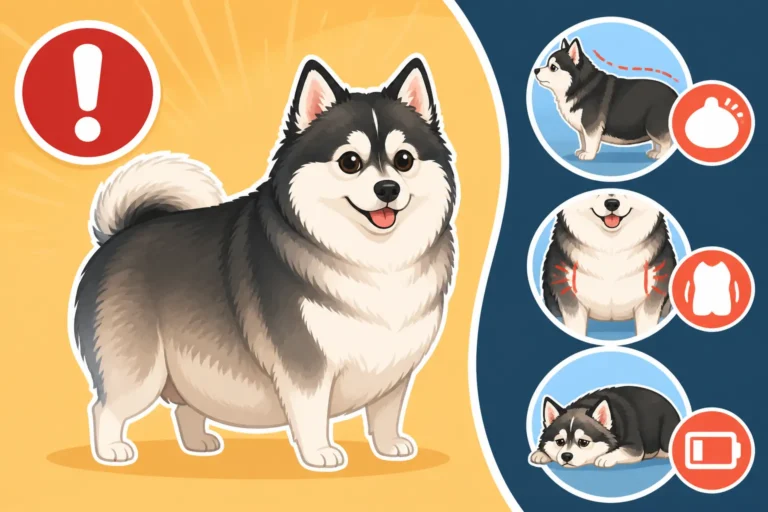
Maintaining an ideal weight is paramount for your senior Pomsky's quality of life. As their activity naturally decreases and their metabolism slows, they become more prone to weight gain. Even a few extra pounds on a small Pomsky can put significant stress on their joints, exacerbating conditions like arthritis or even patellar luxation, which can unfortunately affect Pomskies. This added strain not only causes pain but can also reduce their mobility further, creating a vicious cycle where less movement leads to more weight. Overweight dogs are also at higher risk for diabetes, heart disease, and certain types of cancer.
On the flip side, some senior Pomskies might start to lose weight, particularly if they have underlying health issues, a dwindling appetite, or muscle wastage. Muscle loss, or sarcopenia, is a natural part of aging but can be accelerated by insufficient protein intake. Being underweight can weaken their immune system, make them more susceptible to illness, and reduce their overall strength and resilience. It's a delicate balance to strike, and regular monitoring of their body condition is key. You'll want to be able to feel their ribs easily without seeing them, and they should have a discernible waist. If you're unsure, ask your vet at their yearly check-up. Remember, Keeping a Pomsky's Weight in Range is one of the best gifts you can give them in their twilight years.
Adapting Their Diet: What to Look For in Senior Dog Food
Once you understand the 'why' behind dietary adjustments, the 'how' becomes much clearer. The goal is to provide a diet that supports their aging body, manages their weight, and is still delicious enough to entice them. This often means moving away from the high-calorie, growth-focused foods of their youth.
Adjusting Caloric Intake for a Slower Pace
The first, and often most critical, adjustment for a senior Pomsky who has slowed down is reducing their caloric intake. Their days are likely less about high-impact play and more about gentle walks and cozy naps, which simply requires less fuel. Many senior dog foods are specifically formulated with lower fat content to help manage weight while still providing essential fatty acids. However, a common misconception is that senior dogs need drastically reduced protein. While excessive protein can be a concern for dogs with specific kidney conditions, generally, senior dogs actually need high-quality, digestible protein to help combat muscle loss.
Look for foods that balance moderate fat with good protein sources. The protein should be easily digestible to ease the burden on their aging digestive system. This adjustment helps prevent unwanted weight gain, which can be particularly detrimental to their joints and overall mobility. It's not about starving them, but about providing nutrient-dense meals that match their new energy expenditure. If you've been free-feeding, this is definitely the time to transition to scheduled meals to better control portion sizes.
Prioritizing Key Nutrients for Aging Bodies
Beyond just calories, the type of nutrients your senior Pomsky consumes becomes incredibly important. Their aging bodies benefit immensely from specific additions that support joint health, cognitive function, and a robust immune system.
- Joint Support: Ingredients like glucosamine and chondroitin are often added to senior dog foods because they help maintain the health of cartilage in their joints and can reduce inflammation. For a Pomsky dealing with stiff hips or knees, this can make a world of difference in their comfort and willingness to move.
- Omega-3 Fatty Acids: Found in fish oil, these powerhouses are known for their anti-inflammatory properties, which can ease joint pain. They also play a vital role in brain health, supporting cognitive function and helping to keep their minds sharp. Plus, they contribute to healthy skin and a shiny coat, which might start to show changes with age.
- Antioxidants: Vitamins E and C, along with other antioxidants, help combat the cellular damage caused by free radicals, supporting their immune system and potentially slowing the aging process at a cellular level. Look for foods fortified with these, or consider natural sources like blueberries and spinach as occasional treats.
- Fiber: A moderate amount of fiber is crucial for digestive health in older dogs. It helps regulate bowel movements, preventing both constipation and diarrhea, which can become more common with an aging digestive tract. Fiber can also contribute to a feeling of fullness, aiding in weight management.
Many specialized senior dog foods on the market, readily available from retailers like Chewy or Amazon, are designed with these specific needs in mind.
Wet Food vs. Dry Kibble: Making the Right Choice
The choice between wet food, dry kibble, or a combination often boils down to several factors for senior Pomskies, especially if they’ve slowed down and developed some health quirks.
- Dental Considerations: If your Pomsky is suffering from Dental Disease in a Pomsky's Crowded Mouth or has lost teeth, crunchy kibble might be too painful or difficult to chew. Wet food or soaked kibble can be a much more comfortable option, ensuring they actually consume their meals rather than leaving them untouched.
- Hydration: Many senior dogs, especially those with declining kidney function, benefit from increased water intake. Wet food has a much higher moisture content than dry kibble, which can significantly boost their daily hydration levels without them even realizing it. This is a simple but effective way to support overall organ health.
- Palatability: Sometimes, an old Pomsky's sense of smell or taste might diminish, making them pickier eaters. Wet food often has a stronger aroma and a more appealing texture, which can entice a reluctant eater. Mixing wet food with dry kibble can offer the best of both worlds – the dental benefits (if they can still chew) and a flavor boost. Even fresh food options, like those from Ollie, can be incredibly appealing to senior dogs due to their natural ingredients and moisture content.
- Digestibility: Some older dogs find wet food easier to digest than dry kibble, which can be helpful if they're experiencing gastrointestinal sensitivities. Observe your Pomsky's stool and overall comfort after eating to see what works best for them.
Ultimately, the best choice is what your Pomsky will consistently eat and what supports their specific health needs. Don't be afraid to experiment with combinations or different brands.
Practical Strategies for Feeding Your Senior Pomsky
Feeding a senior Pomsky isn't just about what you feed them, but also how and when. Small adjustments to their mealtime routine can make a huge difference in their comfort, appetite, and overall well-being.
Making Mealtime Appealing and Accessible
As our Pomskies age, mealtime can become a little more challenging, especially if they're dealing with stiffness or pain. One simple yet impactful change is using elevated food and water bowls. This allows them to eat and drink without having to bend down excessively, which can be uncomfortable for a dog with Arthritis in a Pomsky at Ten or other joint issues. The relief can be immediate, making eating a more pleasant experience.
Consider warming their food slightly, especially if it's wet food or fresh food. Just a few seconds in the microwave can enhance the aroma and make it more enticing. Think about adding a small amount of low-sodium chicken broth, a spoonful of plain pumpkin puree, or even some boiled chicken as a topper to their regular meals. These additions can significantly boost palatability for a picky senior. Creating a quiet, undisturbed eating space away from household hustle and bustle can also help a more anxious or easily distracted older dog focus on their meal. Products that make food prep easier, like various toppers or specialized senior blends, can be found on Chewy and other online pet supply retailers, making it convenient to cater to their needs.
Managing Picky Eaters and Appetite Loss
It's truly frustrating when your once-eager eater now turns their nose up at their food. Appetite loss in an older Pomsky can be due to a myriad of reasons, from subtle pain to changes in taste perception, or even the beginnings of internal health issues. When your senior Pomsky is being particularly picky, try offering smaller, more frequent meals throughout the day instead of two large ones. This can be less overwhelming for their digestive system and might encourage them to eat more consistently.
Avoid constantly switching foods in a desperate attempt to find something they like, as this can sometimes upset their stomach further and create a habit of pickiness. Instead, try the toppers mentioned above or consider gently heating their food. If the pickiness persists or is accompanied by other symptoms like lethargy, vomiting, or diarrhea, it's absolutely crucial to consult your veterinarian. Appetite loss can be an early sign of a more serious underlying condition that needs medical attention, and your vet might recommend The Screening a Pomsky Should Have Yearly to catch any issues early. Be patient and consistent; getting an old dog to eat well sometimes requires a little extra care and creativity.
Monitoring and Adjusting Their Diet Over Time
Feeding a senior Pomsky is not a one-and-done decision; it's an ongoing process that requires careful observation and periodic adjustments. Your Pomsky's needs can change rapidly in their golden years, so what works today might need tweaking in a few months. Regularly weighing your Pomsky, perhaps monthly, is a simple yet effective way to ensure their diet is on track. You can also perform a body condition score check at home, feeling their ribs, spine, and waistline to assess if they're gaining or losing too much weight.
Beyond weight, pay close attention to their energy levels, coat quality, and especially their stool. Changes in consistency, frequency, or color of their bowel movements can be a direct indicator that their diet isn't quite right or that an underlying digestive issue is brewing. For instance, if you notice your Pomsky eating less than expected, or they're having loose stools, it might be time to reassess their food. Don't hesitate to work closely with your veterinarian, who can provide tailored nutritional advice based on their specific health status. They might recommend specific therapeutic diets if conditions like kidney disease or diabetes are diagnosed. Products available on Amazon or through pet-specific online stores can help track feeding, water intake, and even activity levels, giving you valuable data to discuss with your vet.
Supplements and Hydration for the Golden Years
While a balanced diet forms the foundation of senior Pomsky care, targeted supplements and vigilant attention to hydration can provide an extra layer of support for their aging bodies. These aren't magic bullets, but carefully chosen additions can enhance their comfort and well-being.
Essential Supplements for Senior Pomsky Health
As much as we try to get everything from food, sometimes our senior Pomskies need a little extra boost. Supplements can fill nutritional gaps and target specific age-related concerns.
- Joint Supplements: Glucosamine, chondroitin, and MSM are often recommended for older dogs, especially active breeds like Pomskies who have spent years running and jumping. These ingredients help support cartilage health, reduce inflammation, and can significantly improve mobility and comfort for dogs with arthritis or Slipping Kneecaps in a Pomsky. Many vets recommend starting these preventatively in middle age.
- Omega-3 Fatty Acids (Fish Oil): We touched on these earlier, but they bear repeating. Fish oil is a fantastic natural anti-inflammatory, beneficial not only for joints but also for skin and coat health, heart health, and cognitive function. Look for high-quality, mercury-tested fish oil supplements.
- Probiotics: An aging digestive system can sometimes struggle to maintain a healthy balance of gut bacteria. Probiotics introduce beneficial bacteria, which can aid in digestion, nutrient absorption, and boost the immune system. If your Pomsky experiences occasional stomach upset or loose stools, a probiotic might be helpful.
- Antioxidants (Vitamin E, C): While often found in senior dog foods, a dedicated antioxidant supplement can further protect cells from damage and support immune function.
Always discuss any new supplements with your veterinarian before introducing them. They can advise on appropriate dosages and ensure they won't interact negatively with any existing medications or conditions. You can often find a wide variety of reputable supplements on platforms like Chewy or Amazon.
The Critical Role of Hydration
It's easy to overlook, but adequate hydration is absolutely critical for senior Pomskies. Dehydration can exacerbate many health problems and make your dog feel generally unwell. As dogs age, their thirst drive can sometimes decrease, or they might not be as eager to get up and drink due to joint pain.
Ensure your Pomsky always has easy access to fresh, clean water in multiple locations around your home, especially near their favorite resting spots. Consider adding a water fountain, as the circulating water can be more appealing and encourage them to drink more. As mentioned earlier, incorporating wet food into their diet is an excellent way to increase their moisture intake. You can also add a small amount of low-sodium broth to their water bowl or moisten their dry kibble before serving. Keep an eye out for signs of dehydration, such as lethargy, dry gums, or sunken eyes. If you suspect your Pomsky isn't drinking enough, or if they seem overly thirsty, it's definitely time for a vet visit, as excessive thirst can sometimes indicate underlying conditions like diabetes or kidney disease. Prioritizing hydration is just as important as Exercise for an Old Pomsky for their overall health.
| Nutrient Category | Why It's Important for Senior Pomskies | Food Sources / Considerations |
|---|---|---|
| Protein (High Quality) | Helps maintain muscle mass, which can decline with age. Essential for repair and immune function. | Lean meats (chicken, turkey, fish), eggs. Look for formulas with easily digestible protein. |
| Fats (Moderate) | Provides energy and essential fatty acids. Too much can lead to weight gain; too little impacts skin/coat. | Omega-3s from fish oil are beneficial for inflammation and cognitive function. |
| Fiber | Supports healthy digestion, helps regulate bowel movements, and can aid in weight management. | Pumpkin, sweet potato, beet pulp, specific senior dog food formulations. |
| Joint Support | Glucosamine and Chondroitin help maintain cartilage and reduce inflammation, crucial for arthritic Pomskies. | Many senior dog foods are fortified; supplements are also available. |
| Antioxidants | Vitamins E & C, selenium, beta-carotene combat cellular damage and support immune health. | Fruits (blueberries), vegetables (carrots), specialized senior formulas. |
| Hydration | Essential for all bodily functions, especially kidney health. Senior dogs can be prone to dehydration. | Fresh water always available, wet food, adding broth to kibble. |
When your Pomsky reaches The Birthday a Pomsky Counts as Senior, their needs shift. By understanding these changes and making thoughtful adjustments to their diet, you can help ensure their golden years are as comfortable, healthy, and happy as possible. It’s a journey of compassion and careful attention, but one that rewards you with many more cherished moments with your beloved companion.
Disclaimer
This article is for general informational purposes only and does not constitute professional advice. Laws, prices and regulations vary by location and change over time. Consult a qualified professional for guidance on your specific situation.