Whether a Pomsky Litter Is Ever Accidental
One of the most persistent questions I hear from folks fascinated by Pomskies is whether these adorable fluffballs ever just… happen. Can a Pomsky litter truly be an accident, the result of a happy-go-lucky Husky and a sassy Pomeranian just doing what comes naturally? The short answer, and one we’ll explore in depth today, is almost unequivocally no. This guide will delve into the intricate reasons why accidental Pomsky litters are essentially a myth, exploring the biological, logistical, and ethical realities that make every legitimate Pomsky litter a thoroughly planned and veterinarian-assisted endeavor.
The Biological Realities of Pomsky Breeding
When you look at a majestic Siberian Husky and then at a tiny, spirited Pomeranian, your first thought probably isn't, "Wow, they could totally have puppies together naturally!" And you'd be right. The sheer physical differences between these two breeds make natural breeding not just improbable, but dangerously irresponsible. This isn't like two Labs accidentally getting together in the park; this is a situation fraught with significant risk for both parent dogs.
The Size Discrepancy Between Parent Breeds
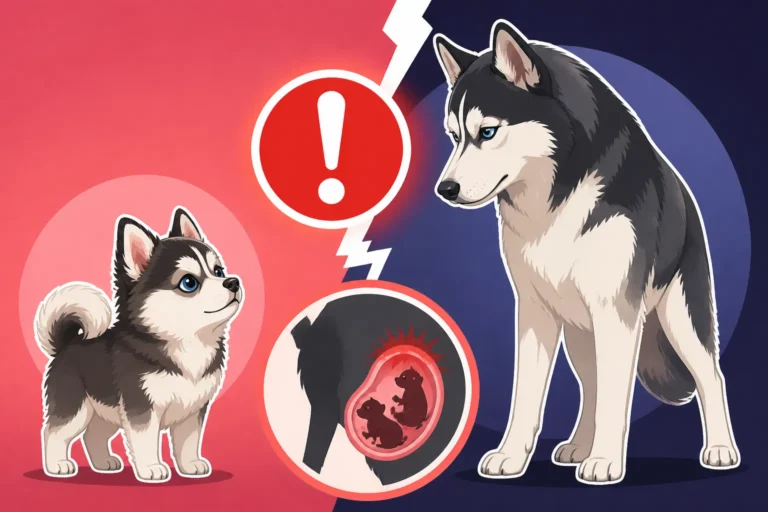
Imagine the logistics for a moment. A female Siberian Husky can weigh anywhere from 35 to 60 pounds, often more, and stands tall and proud. A male Pomeranian, on the other hand, is a mere shadow by comparison, typically weighing between 3 to 7 pounds. The size difference isn't just significant; it's colossal. For a male Pomeranian to naturally breed with a female Husky, the physical act itself would be incredibly challenging, to say the least, and very often impossible without causing injury. It’s not just about height, but also weight distribution, leg length, and overall body structure.
Beyond the physical mechanics, there's the even more critical issue of safety. If, by some miraculous and ill-advised chance, a natural breeding did occur, the female Husky would be at severe risk of injury. The act could cause her significant pain and potential long-term damage, which is something no responsible pet owner or breeder would ever knowingly allow. We're talking about potential internal injuries that could be life-threatening. This inherent danger is the primary reason Why a Pomsky Cannot Be Bred Naturally, and why such a scenario is actively prevented by anyone who cares about their dogs' welfare.
The Mechanics of Artificial Insemination
This brings us to the core truth about Pomsky creation: they are almost exclusively the product of artificial insemination (AI). This is not a casual decision, but a deliberate, veterinarian-supervised process designed to overcome the physical challenges and ensure the safety of both parent dogs. Think of it as a carefully orchestrated medical procedure rather than a spontaneous act of nature. The safety and well-being of the dam (the mother dog) are paramount.
The AI process for Pomskies usually involves collecting semen from the male Pomeranian and then carefully implanting it into the female Husky. This requires precise timing, often involving progesterone testing to determine the Husky's optimal fertile window. There are different methods, from vaginal AI to more invasive surgical AI, depending on the specifics and the vet's recommendations. Regardless of the method, it requires specialized veterinary equipment and expertise. This is far from an "accidental" event; it's a planned, medical intervention. Why a Pomsky Requires Artificial Insemination is not a marketing gimmick, but a fundamental biological necessity.
The Financial and Logistical Investment in a Pomsky Litter
When you understand that Pomskies aren't just "born," but rather "made" through a meticulous process, you start to grasp the enormous investment of time, money, and expertise involved. This isn't something that can happen by accident, nor is it a venture for the faint of heart or light of wallet. Every legitimate Pomsky litter is the culmination of significant planning and resources, highlighting that "accidental" is simply not in their vocabulary.
Costs Beyond the Act Itself
Let's talk money, because breeding a Pomsky isn't cheap. The artificial insemination itself is just one line item on a long list of expenses. Before that even happens, there's a barrage of health screenings for both parent dogs. Both Huskies and Pomeranians are prone to certain genetic conditions, and responsible breeders will screen for hip and elbow dysplasia, eye conditions, patellar luxation, cardiac issues, and more. These tests are vital to ensure healthy puppies and avoid passing on preventable diseases. You can learn more about this in The Health Tests a Pomsky Breeder Should Show. Each of these tests costs money, and they are typically performed by specialist veterinarians.
Then comes the breeding process itself. Progesterone testing, as mentioned, is crucial for timing and often involves multiple blood tests over several days, each adding to the vet bill. The AI procedure itself, especially if it's a more involved surgical insemination, comes with a substantial fee. And if the pregnancy takes, the female Husky requires excellent prenatal care, including specialized nutrition, regular vet check-ups, and potentially ultrasounds to monitor the puppies' development. What Artificial Insemination Costs a Pomsky Breeder is just one piece of the financial puzzle, which only underscores the deliberate nature of these litters.
Time and Expertise Required
Beyond the financial outlay, there's an immense commitment of time and specialized knowledge required to responsibly breed Pomskies. This isn't a hobby you pick up on a whim. Breeders dedicate countless hours to researching pedigrees, understanding genetics, and educating themselves on canine reproduction and neonatal care. They build relationships with experienced veterinarians who are well-versed in reproductive services. The timing for AI is critical; miss the window by even a day or two, and the entire cycle can be wasted, delaying breeding and adding to costs. This precision is poles apart from any notion of an "accident."
Once a successful pregnancy is confirmed, the real work begins. The dam needs constant monitoring. When the puppies arrive, the breeder becomes a round-the-clock caretaker, ensuring each puppy nurses adequately, stays warm, and receives early socialization. This requires experience in puppy care, knowing how to spot potential issues like fading puppy syndrome, and providing appropriate nutrition and a clean, safe environment. Any "accidental" scenario would completely lack this level of care and expertise, leading to potential neglect or worse outcomes for the puppies and the mother.
Why "Accidental" Pomskies Are Often Not Pomskies at All
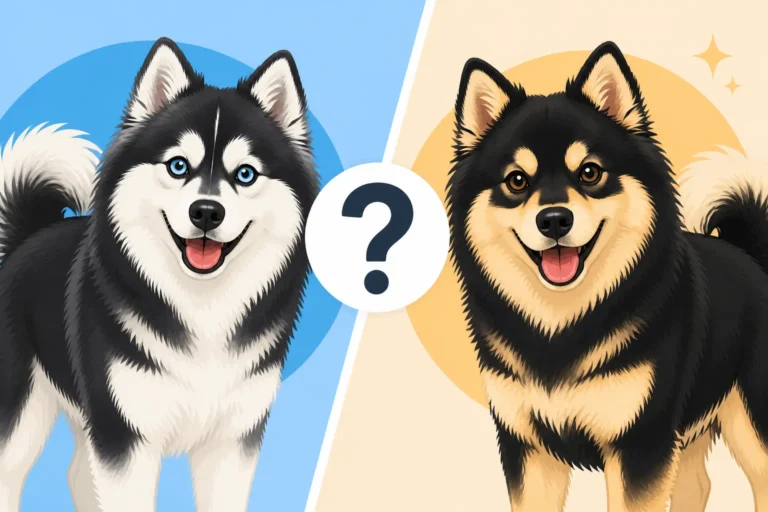
This is where reality often diverges from hopeful speculation. While the idea of a surprise Pomsky puppy might be charming, the truth is that a dog advertised as an "accidental Pomsky" is almost certainly mislabeled, either unintentionally or, unfortunately, by unscrupulous individuals. The term "Pomsky" itself refers to a very specific F1 (first generation) cross between a Siberian Husky and a Pomeranian, or subsequent generations of Pomsky-to-Pomsky breeding. Anything else is simply a mixed-breed dog, no matter how cute or similar it may look.
Common Misidentifications in Shelter Dogs
Many people come across adorable mixed-breed dogs in shelters or rescue organizations that have Husky-like markings and Pomeranian fluff, and they immediately think, "Could this be an accidental Pomsky?" It's a natural assumption, especially given the rising popularity of the breed. However, without documented parentage, these dogs are highly unlikely to be true Pomskies. Shelters often label dogs based on appearance or owner surrender information, which can be inaccurate. A dog might have some Husky and Pomeranian traits, but its parents could be any combination of smaller spitz-type breeds or even other mixed breeds entirely.
The only way to truly confirm a dog's genetic makeup, especially if you suspect it's a specific designer breed like a Pomsky, is through DNA testing. Services like Embark or Wisdom Panel can accurately identify the breeds present in a dog's ancestry. You might discover a delightful mix of Miniature American Shepherd, Alaskan Klee Kai, or even some unknown local village dog breeds, but rarely will it pinpoint purebred Siberian Husky and purebred Pomeranian in the exact F1 proportions that define a first-generation Pomsky. Whether a DNA Test Confirms a Pomsky is a question many ask, and the answer is yes, if you use a reputable test.
Unethical Breeding Practices and "Designer Dog" Mislabeling
Unfortunately, the demand for "designer dogs" like Pomskies has led to some less-than-reputable individuals trying to capitalize on the trend. These "backyard breeders" might claim to have an "accidental litter" to avoid the scrutiny and expense associated with ethical, health-tested breeding. They might breed two mixed-breed dogs that happen to look somewhat like Pomskies, or even intentionally mislabel puppies from other small spitz breeds as Pomskies. This is not only dishonest but can also lead to significant health and temperament issues in the puppies, as genetic health screenings are often skipped.
A true Pomsky breeder adheres to strict guidelines, often set by organizations like the International Pomsky Association (IPA), which define what constitutes a Pomsky and promote responsible breeding practices. These breeders will provide comprehensive health clearances for the parents, detailed contracts, and transparency about their breeding methods. An "accidental" litter is a massive red flag. Always be wary of anyone selling puppies as Pomskies without clear documentation of parentage, health testing, and a willingness to discuss their breeding practices in detail. They might be trying to offload what is essentially just a cute mutt at a premium price, without any of the responsible care or genetic assurance a true Pomsky breeder provides. You can find more information about Whether a Cheap Pomsky Is Really a Pomsky and why this matters.
The Ethics of Responsible Pomsky Breeding
The deliberate nature of Pomsky breeding, utilizing artificial insemination due to the significant size disparity of the parent breeds, places a huge ethical responsibility on breeders. This isn't just about making cute puppies; it's about ensuring the health, welfare, and appropriate placement of each individual dog. Responsible Pomsky breeders commit to standards that make "accidental" litters impossible within an ethical framework.
Prioritizing Health and Welfare
At the heart of ethical Pomsky breeding is an unwavering commitment to the health and welfare of both the parent dogs and their offspring. This means far more than just performing the AI procedure. It begins long before breeding, with extensive genetic health screening for both the Siberian Husky dam and the Pomeranian sire. Both breeds carry predispositions to certain conditions – for Huskies, it might be The Eyes a Pomsky Gets From the Husky or hip issues; for Pomeranians, it could be patellar luxation or tracheal problems. Responsible breeders invest in these screenings to minimize the risk of passing on heritable diseases.
These health checks are crucial not just for the puppies' future, but also for the well-being of the breeding dogs themselves. A Husky chosen for breeding should be in peak physical condition to handle pregnancy and whelping, and the Pomeranian sire must also be healthy and sound. Any breeder who claims an "accidental" litter has almost certainly bypassed these critical health evaluations, putting their dogs and the resulting puppies at risk. This lack of foresight and care is fundamentally irresponsible and directly contradicts the principles of ethical breeding.
Ensuring Proper Placement and Support
Responsible Pomsky breeders don't just sell puppies; they place them into carefully vetted homes, often offering lifetime support. They spend significant time screening potential buyers, asking detailed questions about their lifestyle, living situation, experience with dogs, and understanding of the unique needs of a Pomsky. They want to ensure their puppies go to homes prepared for the energy, intelligence, and shedding that come with the breed. This meticulous screening process is another clear indicator that a Pomsky litter is never accidental. It's a deliberate effort to match the right puppy with the right family.
Furthermore, ethical breeders often provide health guarantees, offer contracts, and are available to answer questions and provide guidance for the lifetime of the dog. They take pride in their puppies and want to see them thrive. This commitment extends to taking a dog back if circumstances change, rather than allowing it to end up in a shelter. Companies like Chewy offer a fantastic array of resources, from food and toys to educational articles, which can help new owners prepare. A breeder who exhibits this level of long-term commitment is actively participating in the journey of each puppy, a stark contrast to the hands-off, unknowing nature of an "accidental" breeding. What a Pomsky Health Guarantee Covers is something every reputable breeder will discuss with you.
In summary, while the idea of a charming, unexpected Pomsky litter might appeal to the romantic in us, the reality is far more grounded in careful planning, significant investment, and ethical responsibility. Every true Pomsky is the result of deliberate choices and veterinary science, ensuring the well-being of the breeds involved.
Disclaimer
This article is for general informational purposes only and does not constitute professional advice. Laws, prices and regulations vary by location and change over time. Consult a qualified professional for guidance on your specific situation.