What Pomskies Are Most Often Put to Sleep For
It's a conversation no dog owner ever wants to have, and certainly not one we want to contemplate when our furry family members are full of life. But understanding the difficult reality of a Pomsky's health journey, particularly the conditions that most frequently lead to the heartbreaking decision of euthanasia, can actually empower us. This guide aims to shed light on these sensitive topics, helping you navigate the complexities of their health and prepare for the future, ensuring your beloved Pomsky receives the best possible care throughout their life.
Understanding the Pomsky's Genetic Predispositions
Bringing a Pomsky into your life means embracing a delightful mix of two very distinct breeds: the Siberian Husky and the Pomeranian. While this blend often results in an adorable, energetic, and intelligent companion, it also means your Pomsky inherits a complex genetic blueprint. They can, unfortunately, be prone to certain health conditions from both sides of their family tree. Knowing these predispositions isn't about dwelling on the negative; it's about being informed and proactive, so you can work with your vet to monitor for signs and potentially delay or mitigate the impact of these issues. It's truly about giving them the best shot at a long, healthy, and happy life.
Inherited Health Challenges from Siberian Huskies
The Husky parent brings a legacy of stunning looks, boundless energy, and unfortunately, a few specific health concerns that can impact a Pomsky. One of the most talked-about are eye conditions. Many Pomskies inherit those captivating blue eyes, but with that can come a higher risk of certain ocular problems. For example, some Pomskies may be predisposed to juvenile cataracts, which can begin to develop when they are still quite young, potentially impacting their vision as they age. Another concern is progressive retinal atrophy (PRA), a degenerative eye disease that can eventually lead to blindness. While not always a direct cause for euthanasia, severe vision loss can significantly impact a dog's quality of life, especially if not managed well, and can contribute to other issues like anxiety or mobility problems.
Beyond the eyes, the Husky lineage can also introduce orthopedic challenges, with hip dysplasia being a notable concern. While often associated with larger breeds, a Pomsky, especially one on the larger end of the size spectrum, can certainly inherit this condition. Hip dysplasia is a malformation of the hip joint, where the ball and socket don't fit together properly. This can lead to pain, lameness, and debilitating arthritis over time. Imagine your active Pomsky struggling to jump, run, or even walk without discomfort. In severe, untreatable cases, especially when pain cannot be managed, it can sadly impact a Pomsky's ability to live a comfortable life. Owners often seek to understand Hip Dysplasia in a Twenty Pound Pomsky to better prepare.
Inherited Health Challenges from Pomeranians
On the flip side, the Pomeranian parent contributes its own set of charming traits and, yes, its own potential health vulnerabilities. One of the most common orthopedic issues seen in smaller breeds like the Pomeranian, and consequently in many Pomskies, is patellar luxation, more commonly known as "slipping kneecaps." This is where the kneecap (patella) moves out of its normal groove. It can range from mild, causing an occasional skip in their step, to severe, leading to chronic pain and crippling lameness. Depending on the grade of patellar luxation, it can require costly surgery, and even with intervention, severe cases can profoundly affect a Pomsky's mobility and comfort, eventually leading to difficult decisions if the pain becomes unmanageable. Many owners find themselves grappling with questions like Whether a Pomsky's Kneecap Needs Operating as their dog ages.
Another significant concern from the Pomeranian side is tracheal collapse. This condition affects the windpipe, causing it to flatten, making breathing difficult. You might hear a distinctive "honking" cough, especially when your Pomsky is excited, pulling on their leash, or drinking water. While medical management often helps, severe cases can lead to chronic respiratory distress, exercise intolerance, and a significantly reduced quality of life. Imagine your energetic Pomsky struggling for breath after a short walk – it's truly heartbreaking. In advanced stages, when breathing becomes severely compromised and medical treatments are no longer effective, it becomes a very serious consideration for owners and vets alike. For more on this, you might explore The Collapsing Trachea a Pomsky Gets From the Pomeranian.
And let's not forget about dental issues. Pomeranians are notorious for crowded mouths, and Pomskies often inherit this trait. Dental Crowding in a Pomsky's Small Mouth can lead to a host of problems, including periodontal disease, tooth decay, and infections. While dental disease itself rarely leads directly to euthanasia, chronic pain, severe infections spreading to other organs, or complications from repeated anesthesia for dental procedures in an older or compromised dog can certainly contribute to a decline in overall health and quality of life.
The Double-Edged Sword of Hybrid Vigor
The concept of "hybrid vigor," or heterosis, often gives mixed-breed dogs an edge in health, suggesting they might be less prone to genetic diseases than purebreds due to their broader genetic pool. In theory, by mixing two different breeds, you reduce the chances of inheriting recessive genes for specific diseases that might be common in one purebred line but not the other. This means a Pomsky might potentially avoid some of the specific issues that plague heavily inbred purebred lines. It's often debated Whether an F1 Pomsky Is Healthier Than an F2.
However, this isn't a guaranteed shield. The Pomsky, as a first-generation cross (or even later generations), still carries the genetic blueprint of both the Siberian Husky and the Pomeranian. This means they are susceptible to the common health issues of either parent breed, rather than magically being immune to them. So, while they might avoid some of the extreme genetic issues that come from very narrow purebred gene pools, they are still very much at risk for conditions like those mentioned above, such as patellar luxation from the Pomeranian side or hip dysplasia from the Husky side. Responsible breeding practices, including thorough health testing of both parent dogs, are absolutely crucial to try and minimize the likelihood of passing on these conditions. Without this, hybrid vigor offers little protection against the most prevalent breed-specific concerns.
Common Causes of Euthanasia in Pomskies
It's a grim reality that no pet owner wants to face, but understanding the leading causes for euthanasia in Pomskies is vital for informed care and emotional preparation. While the lifespan of a Pomsky typically ranges from The Twelve to Fifteen Years a Pomsky Lives, sometimes circumstances arise where the kindest decision for our beloved companions is to help them cross the rainbow bridge. These reasons often fall into a few broad categories, each presenting unique challenges and heart-wrenching considerations.
Untreatable or End-Stage Chronic Diseases
One of the most frequent reasons a Pomsky might be put to sleep is due to untreatable or end-stage chronic diseases. This isn't a sudden event, but often a gradual decline where various medical interventions have been tried, and the disease has progressed to a point where quality of life is severely compromised. Imagine a Pomsky battling advanced cancer, for instance. Initially, chemotherapy or surgery might offer hope and extend their good days. However, as the cancer spreads, or the treatments become too debilitating, your Pomsky might experience constant pain, severe nausea, extreme lethargy, or organ failure. At this stage, despite our deepest wishes, medical science often has no further remedies to offer comfort or cure.
Similarly, severe organ failure, such as advanced kidney or heart disease, can reach a point of no return. A Pomsky with end-stage kidney failure might suffer from incessant vomiting, dehydration, and weakness, while one with severe heart disease could experience frequent coughing, extreme breathlessness, and fainting spells. These conditions steal their joy, their energy, and ultimately their ability to simply be a dog. Neurological disorders, such as severe, uncontrollable epilepsy or degenerative brain conditions, can also lead to a point where the dog is no longer able to function, experiencing constant seizures or profound cognitive decline that cannot be managed with medication. In these scenarios, the decision to euthanize is often made when the suffering outweighs any potential for comfort or recovery, and the focus shifts from treatment to ensuring a peaceful end.
Debilitating Mobility Issues and Pain
A Pomsky, known for its playful and active nature, relies heavily on its ability to move freely and without pain. When this fundamental aspect of their life is stolen by debilitating mobility issues, it can be an incredibly difficult road for both the dog and their family. Severe arthritis, especially when it affects multiple joints or is secondary to conditions like severe hip or elbow dysplasia, can render a Pomsky unable to stand, walk, or even shift comfortably. Imagine a dog who once loved to run and play, now crying out with every movement, struggling to get up to eat, or unable to relieve themselves outdoors. Even with pain medications, anti-inflammatory drugs, physical therapy, or even surgical interventions, some cases are simply too advanced or severe to manage effectively.
Advanced patellar luxation, particularly higher grades where the kneecap is permanently dislocated, can also cause immense, chronic pain and instability. A Pomsky might refuse to put weight on a limb, or constantly limp, unable to enjoy walks or even simple interactions. Surgical correction might be an option, but for older dogs, or those with other complicating health factors, surgery can be risky or not provide a lasting solution. When the pain becomes constant, pervasive, and resistant to all forms of treatment, and a Pomsky's ability to engage in normal, joyful activities is completely erased, the kindest choice often becomes allowing them to escape that unrelenting suffering. It’s about recognizing when their body is simply giving out, despite their strong spirit.
Severe Behavioral Problems and Aggression
This is perhaps one of the most agonizing and least understood reasons for euthanasia, often carrying a heavy burden of guilt and shame for owners. While it's rarer than health-related issues, severe behavioral problems, particularly aggression that poses a significant risk, can unfortunately lead to this ultimate decision. A Pomsky might develop aggression for various reasons: genetics, inadequate socialization, past trauma, or even underlying pain or neurological conditions. This aggression could manifest as biting family members, other pets, or strangers, making the home environment unsafe and constantly stressful.
Imagine living in fear in your own home, constantly managing a dog who cannot be trusted, where every interaction is a potential danger. For many owners, this means a life of extreme isolation for the dog, constant muzzling, separation from family activities, and an inability to safely interact with the world. Despite countless hours with trainers, behaviorists, medication, and environmental modifications, some dogs simply cannot be rehabilitated to a point where they are safe or comfortable in a domestic setting. The decision to euthanize for behavioral reasons is never taken lightly. It typically comes after exhausting all possible avenues, when the dog’s quality of life is severely compromised by their own anxiety or reactivity, and there’s an undeniable risk to others. It’s a silent heartbreak, a testament to an unbearable situation for both the family and the dog themselves, who often lives in a state of perpetual distress.
The Role of Age and Quality of Life
As our Pomskies mature and eventually reach their senior years, the conversation naturally shifts from preventing illness to managing the effects of aging and, ultimately, assessing their quality of life. This can be a gradual, tender process, but it's one of the most important aspects of responsible pet ownership. Knowing what to look for and how to approach these difficult stages can make all the difference in ensuring your Pomsky's final years are as comfortable and dignified as possible.
Recognizing Signs of Decline in Senior Pomskies
It's truly a bittersweet moment when your Pomsky, once a whirlwind of puppy energy, starts showing the subtle (and sometimes not-so-subtle) signs of aging. Just like people, dogs experience a decline in various bodily functions as they get older. One of the first things you might notice is a decrease in their energy levels. They might not be as eager for those long walks or energetic play sessions they once adored. This can also manifest as increased sleeping, often in deeper, longer stretches. Their joints might become stiffer, leading to slower movements, difficulty getting up from a lying position, or a reluctance to jump onto furniture. This is where conditions like Arthritis in a Pomsky at Ten can really start to take hold, impacting their daily comfort.
You might also observe changes in their coat – perhaps it becomes duller, thinner, or they develop gray hairs around their muzzle and eyes. Their senses might dull; hearing loss can lead to them not responding to their name or commands, and vision impairment could result in bumping into objects, especially in unfamiliar surroundings. Cognitive dysfunction, often referred to as "doggy dementia," can also set in, causing confusion, disorientation, changes in sleep-wake cycles, house-soiling accidents, and altered interactions with family members. Appetite changes, increased thirst, or more frequent urination could also signal underlying health issues, as can lumps and bumps that appear with age. These aren't just minor inconveniences; they are cumulative signs that indicate their body is simply wearing out, and it's time to adjust our care and expectations. Caring for a Pomsky past ten definitely requires more vigilance and understanding.
Assessing Quality of Life
This is arguably the most challenging part of owning a senior or ill Pomsky: objectively assessing their quality of life. It’s easy for our love and hope to cloud our judgment, making it hard to see when our furry friend is truly suffering. Vets often use frameworks or scales to help owners make this assessment, focusing on various aspects of their daily existence. Key indicators include:
- Pain: Is your Pomsky in constant, unmanageable pain? Are they exhibiting signs like limping, vocalizing, reluctance to move, or changes in posture, even with medication?
- Appetite and Hydration: Are they eating and drinking adequately? Do they show interest in food, or do you have to coax them constantly? Significant weight loss can be a major red flag.
- Hygiene: Are they able to relieve themselves without distress or accidents? Are they able to keep themselves clean, or are they constantly soiled?
- Happiness/Engagement: Do they still show interest in activities they once enjoyed? Do they greet you, wag their tail, or seek affection? Are they still finding moments of joy? A withdrawn, depressed, or anxious demeanor for prolonged periods is concerning.
- Mobility: Can they move around on their own? Can they get up and lie down without struggle? Are they falling frequently or unable to navigate their environment?
- Breathing: Is their breathing labored, especially at rest? Are they coughing frequently, which could be a sign of The Honking Cough of a Pomsky With a Bad Trachea or even heart disease?
It's crucial to look at the overall picture over several days or weeks, not just one bad day. Keep a journal of their good days versus bad days. When the bad days consistently outnumber the good, and all available medical options have been exhausted without significant improvement, it strongly signals a decline in quality of life that warrants serious consideration.
Making the Heartbreaking Decision
No one ever truly makes this decision easily; it’s an agonizing journey filled with doubt, guilt, and immense grief. The choice to euthanize is the final act of love and kindness we can offer a pet who is suffering beyond repair. It’s about choosing their peace over our pain. This decision should always be made in close consultation with your veterinarian, who can provide objective medical assessment and emotional support. They can help you understand the prognosis, the limitations of treatment, and guide you through the quality of life assessment tools. Many vets will discuss the concept of Knowing When an Old Pomsky Has Had Enough.
It's common to feel guilt, to question if you waited too long or acted too soon. Remember, euthanasia, when responsibly chosen, prevents prolonged suffering. It’s a peaceful, controlled end to what might have become an unbearable existence for your Pomsky. Allow yourself to feel the grief, lean on loved ones, and understand that you are making the most compassionate choice possible under the circumstances. The love you shared is not diminished by this final act; it is underscored by it.
Preventative Care and Early Intervention
While some conditions are simply unavoidable due to genetics or the cruel hand of fate, a significant portion of what can lead to a Pomsky's decline can be mitigated or managed through proactive, diligent care. Think of it as building a strong foundation for their health from day one. Investing in preventative care isn't just about avoiding problems; it's about giving your Pomsky the best possible chance at a long, vibrant life and potentially averting the very situations that force those difficult end-of-life decisions.
Importance of Regular Veterinary Check-ups
This might sound obvious, but regular vet visits are the absolute cornerstone of preventative care for your Pomsky. It's not just about getting their vaccinations; it's about comprehensive health monitoring. During these yearly (or more frequent for seniors) check-ups, your vet can catch subtle changes or early signs of disease that you might miss at home. For example, a thorough physical exam can detect early signs of a heart murmur, dental disease, or a slipping kneecap before it becomes severely painful. They might notice a slight weight gain that, if left unchecked, could exacerbate joint problems. The Screening a Pomsky Should Have Yearly can make a huge difference.
Blood tests and urinalysis, often recommended as part of routine senior wellness panels, can flag early kidney disease, liver issues, or thyroid imbalances long before your Pomsky shows outward symptoms. Early detection means early intervention, which can often dramatically slow the progression of a disease, improve management outcomes, and preserve your Pomsky's quality of life for much longer. For instance, managing a mild case of hypothyroidism early can prevent serious metabolic issues down the line. It's about being proactive rather than reactive, giving you and your vet the best tools to address health concerns as they arise.
The Benefit of Health Insurance
Let's be realistic: veterinary care, especially for chronic conditions or emergencies, can be incredibly expensive. Facing a diagnosis that requires extensive diagnostics, specialist consultations, ongoing medications, or surgery can place an immense financial burden on families. This financial stress can sometimes tragically influence treatment decisions, forcing owners to choose less effective options or, in the worst cases, consider euthanasia simply because they cannot afford the necessary care to maintain their Pomsky's quality of life. This is where pet health insurance can be an absolute lifeline.
Companies like Healthy Paws offer various plans that can cover a significant portion of veterinary bills for accidents, illnesses, and even some chronic conditions. Imagine your Pomsky is diagnosed with severe hip dysplasia, requiring costly surgery and ongoing pain management. Without insurance, this could run into thousands of dollars, a sum not readily available to everyone. With a robust plan, you might only be responsible for a deductible and a percentage of the total, making comprehensive care a viable option. This means you can focus on making the best medical decisions for your Pomsky, rather than being agonizingly limited by your wallet. Pet insurance can truly alleviate one of the most stressful aspects of pet ownership when illness strikes, helping ensure your Pomsky gets every chance at recovery or comfortable management. Exploring options from Healthy Paws can provide peace of mind.
Responsible Breeding and Genetic Screening
Choosing a Pomsky from a responsible breeder is perhaps the most fundamental preventative step you can take. A reputable breeder doesn't just breed for looks; they prioritize health and temperament above all else. This means they will rigorously health test their parent dogs for genetic conditions known to affect Siberian Huskies and Pomeranians. For instance, they will screen for hip and elbow dysplasia, patellar luxation, and various eye diseases. Breeders should be transparent about their dogs' health clearances, often providing OFA (Orthopedic Foundation for Animals) or PennHIP certifications for hips and elbows, and CERF (Canine Eye Registration Foundation) or OFA Eye Certification exams for eyes. You should certainly ask to see The Health Tests a Pomsky Breeder Should Show.
By ensuring the parents are clear of these genetic predispositions, a responsible breeder significantly reduces the likelihood of their puppies inheriting these debilitating conditions. While no breeder can guarantee a puppy will never develop a health issue, they can dramatically stack the odds in your favor. Avoiding backyard breeders or puppy mills who cut corners on health testing is crucial, as their practices often perpetuate genetic problems, leading to heartache and astronomical vet bills down the line. A healthy start from a well-bred Pomsky is an investment that pays dividends in longevity and quality of life.
Supporting Your Pomsky Through Illness
Even with the best preventative care and early intervention, sometimes illness still strikes our beloved Pomskies. When faced with a serious diagnosis, the focus shifts from prevention to support and comfort. This phase of care is about maximizing their quality of life, managing pain, and ensuring their emotional well-being, even when a cure isn't possible. It's about walking alongside them every step of the way, making their remaining time as joyful and comfortable as it can possibly be.
Palliative and Hospice Care Options
When a Pomsky is diagnosed with a chronic, progressive, or terminal illness, and curative treatments are no longer viable or desired, palliative and hospice care become invaluable. This specialized approach focuses entirely on comfort and quality of life rather than attempting to cure the disease. It acknowledges the inevitable but strives to make the journey as gentle as possible. Palliative care might involve a combination of pain management strategies, such as prescription medications (NSAIDs, gabapentin, tramadol, even stronger opioids), complementary therapies like acupuncture or therapeutic laser, and environmental modifications to ensure ease of movement.
Hospice care often includes a multidisciplinary team, potentially involving a veterinarian, veterinary technicians, and even grief counselors. They work with owners to manage symptoms like nausea, incontinence, anxiety, or respiratory distress. This might mean adjusting diet, providing subcutaneous fluids for hydration, or utilizing anti-nausea medications. The goal is to minimize suffering, maintain dignity, and support the human-animal bond during a profoundly difficult time. It’s about ensuring that every day is as good a day as it can be, full of warmth, love, and as little pain as possible, allowing for a peaceful transition when the time finally comes.
Nutritional Support and Lifestyle Adjustments
When a Pomsky is ill, their nutritional needs can change dramatically. What they ate as a healthy, active dog might not be appropriate or palatable when they're battling a chronic illness. Working with your vet or a veterinary nutritionist to tailor their diet is crucial. For instance, a Pomsky with kidney disease might need a low-protein, phosphorus-restricted diet, while one with cancer might benefit from a diet higher in fat and protein to combat muscle wasting. Some dogs might lose their appetite, requiring tempting foods, appetite stimulants, or even syringe feeding to ensure they get enough nutrients. Whether a Pomsky Is a Fussy Eater can become a major concern if they are ill.
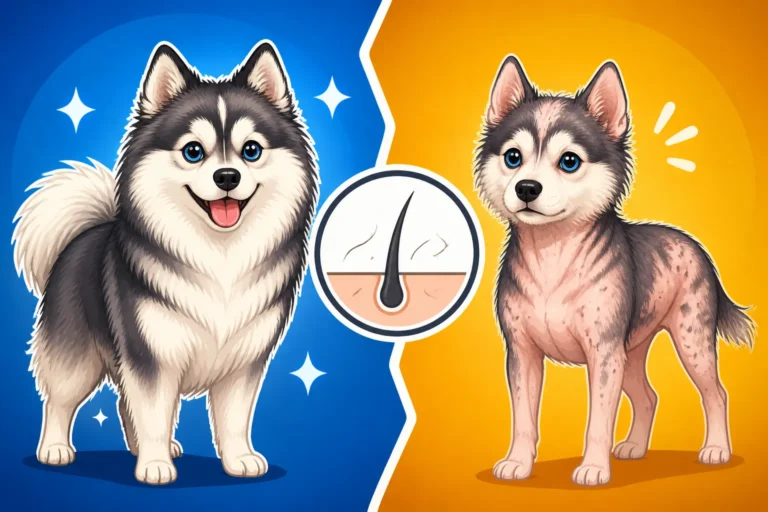
Beyond diet, thoughtful lifestyle adjustments can significantly improve their comfort and happiness. For a Pomsky with mobility issues, this could mean providing soft, orthopedic beds, using ramps or steps to access furniture or the car, or investing in non-slip mats on slippery floors. Keeping their environment quiet and predictable can help an anxious or cognitively impaired senior Pomsky. Adjusting exercise routines to gentle, short walks or indoor playtime can prevent overexertion and pain. If they have conditions like Alopecia X and the Pomsky That Loses Its Coat, special skincare and sun protection might be needed. Ultimately, these personalized adjustments, alongside medical management, help sustain their quality of life, allowing them to continue feeling loved and comfortable within their limitations.
| Condition | Parent Breed Predisposition | Common Signs | Potential Impact on Quality of Life | Preventative/Management Strategies |
|---|---|---|---|---|
| Hip Dysplasia | Siberian Husky | Lameness, reluctance to exercise, bunny hopping | Chronic pain, severe arthritis, difficulty walking/standing | Health screening of parents, weight management, joint supplements |
| Patellar Luxation | Pomeranian | Skipping gait, lameness, pain in hind leg | Chronic pain, inability to bear weight, severe arthritis, limited mobility | Health screening of parents, weight management, surgical correction |
| Tracheal Collapse | Pomeranian | Honking cough, difficulty breathing, exercise intolerance | Chronic respiratory distress, anxiety, reduced activity tolerance | Harness use, weight management, avoiding irritants, medication |
| Juvenile Cataracts | Siberian Husky | Cloudy eyes, vision impairment | Progressive vision loss, increased anxiety, bumping into objects | Health screening of parents, regular eye exams, surgery (if appropriate) |
| Dental Disease | Pomeranian | Bad breath, painful eating, loose teeth | Chronic pain, infection, spread of bacteria to organs | Regular dental care (brushing, vet cleanings), appropriate diet |
| Cancer | General (Age/Genetics) | Lumps, weight loss, lethargy, vomiting | Systemic illness, pain, organ failure | Regular vet check-ups, early detection, surgery/chemo/radiation |
| Organ Failure (Kidney/Heart) | General (Age/Genetics) | Lethargy, vomiting, increased thirst, coughing | Decline in overall health, discomfort, reduced energy | Regular vet check-ups, bloodwork, specific diet, medications |
| Severe Behavioral Aggression | General (Genetics/Environment) | Biting, reactivity, resource guarding | Unsafe home environment, constant stress, isolation | Early socialization, consistent training, professional behaviorist, medication |
Disclaimer
Please remember that the information provided in this guide is for general educational purposes only and should not be considered a substitute for professional veterinary advice. Every Pomsky is an individual, and health conditions can vary. Always consult with a qualified veterinarian for any health concerns or before making any decisions regarding your pet's care.