Whether Alopecia X Hurts a Pomsky
It’s incredibly disheartening when you notice your beloved Pomsky’s beautiful, fluffy coat starting to thin, or worse, see bald patches appearing. When you suspect or receive a diagnosis of Alopecia X, often called Black Skin Disease, one of the first, most urgent questions that comes to mind is: "Is my Pomsky in pain?" This guide aims to thoroughly address that concern, delving into the nature of Alopecia X and its potential impact on your furry friend's comfort and well-being.
The Non-Painful Nature of Alopecia X Itself
When we talk about Alopecia X, it’s crucial to understand what the condition fundamentally is and what it isn't. The good news right off the bat is that the primary condition of Alopecia X, the actual hair loss, is not inherently painful for your Pomsky. It's largely a cosmetic issue, primarily affecting the hair follicles and the skin's appearance, and it doesn't involve nerve endings that would register pain from the hair loss itself.
The Superficial Nature of Alopecia X
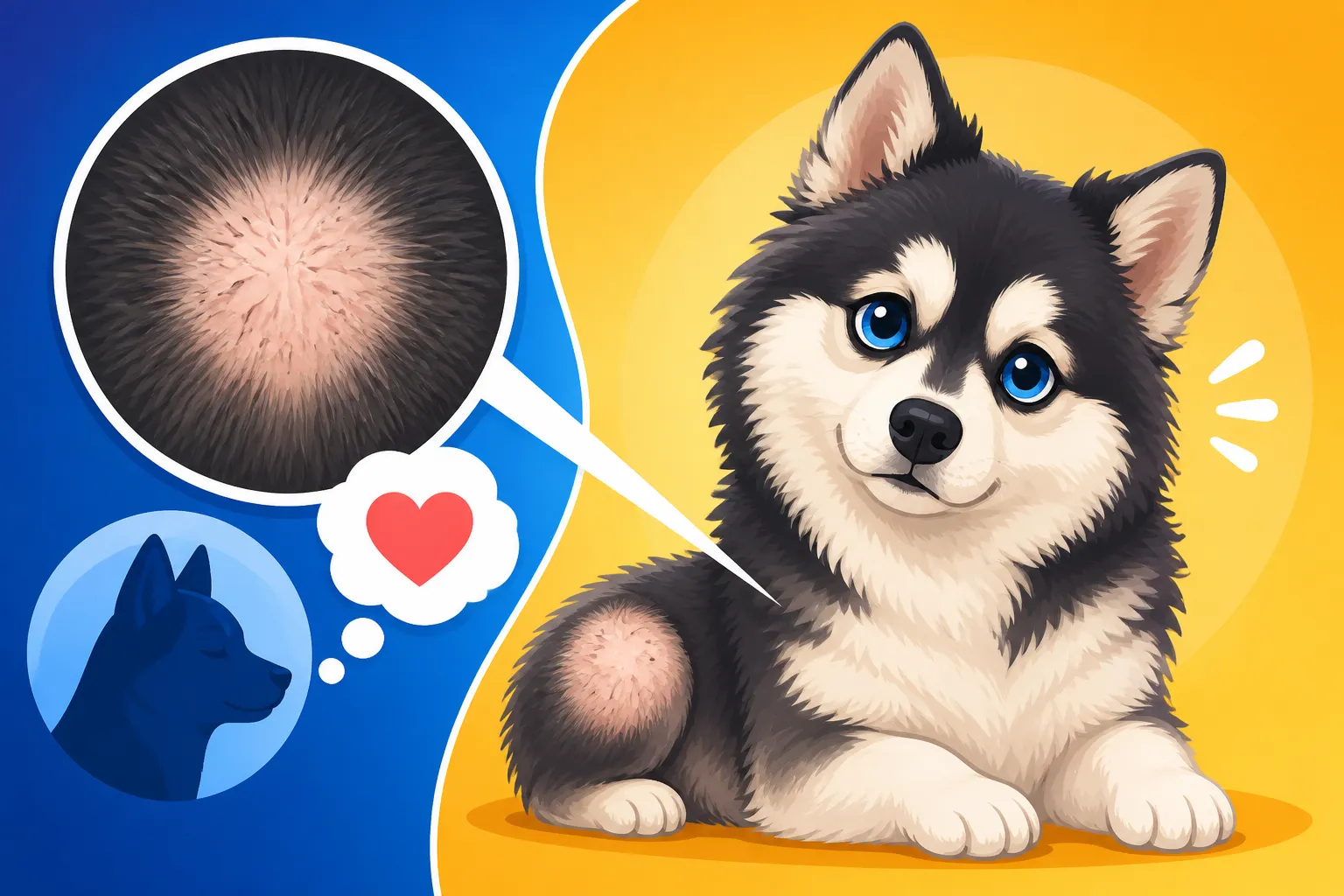
Alopecia X is a dermatological condition, meaning it affects the skin and hair. Specifically, it's a non-inflammatory alopecia, which is a fancy way of saying that the hair loss isn't typically caused by an infection or allergic reaction that would make the skin red, swollen, or itchy initially. Instead, it's believed to be related to hormone imbalances or genetic predisposition, causing the hair follicles to essentially "shut down" prematurely. You might notice the fur gradually thinning, often starting on the flanks, hind legs, or tail, eventually leading to completely bald patches where the skin darkens, earning it the "Black Skin Disease" moniker. This process of hair follicle regression and subsequent hair loss doesn't trigger a pain response in your dog's nervous system. It's more akin to gradual hair thinning in humans; while it can be distressing to witness, it doesn't hurt. The key thing to remember here is that the physical act of losing hair or having darkened skin due to Alopecia X does not cause pain.
Distinguishing Between Itchiness and Pain
While Alopecia X itself isn't painful, the exposed skin can become a canvas for other issues that can cause discomfort, and sometimes that discomfort can be misinterpreted as pain. Think of it this way: your Pomsky losing its coat directly isn't painful. However, once that protective fur is gone, the underlying skin is exposed to the elements and potential irritants. This vulnerability can lead to secondary problems, such as dryness, flaking, or even infections, which absolutely can be itchy or sore. For instance, if your Pomsky is constantly scratching, licking, or chewing at their bald patches, they’re likely experiencing itchiness or irritation, not necessarily pain from the Alopecia X itself. It's a critical distinction, as treating the secondary issue will be very different from trying to treat the non-existent "pain" of the primary condition. Keeping an eye out for these secondary signs, like excessive licking or skin redness, is paramount for their comfort. Many owners wonder What Alopecia X Does to a Pomsky's Coat and are often surprised that the condition itself is not painful.
Secondary Concerns and Complications That Cause Discomfort
While the hair loss itself isn't painful, the consequences of that loss can absolutely lead to discomfort and, in some cases, outright pain. This is where vigilance and proactive care become vital for a Pomsky with Alopecia X.
Skin Irritation and Infections
Imagine going outside without appropriate clothing in harsh weather. That's a bit like what happens to a Pomsky's skin when it loses its protective double coat. The bare skin is far more susceptible to environmental factors. It can become dry, flaky, and sometimes quite rough to the touch. This dryness can lead to cracks, especially in areas with more movement or friction, like around the joints or, as some owners observe, around the mouth. This irritation alone can be uncomfortable, causing a persistent, low-level itchiness that drives your dog to scratch.
Moreover, the skin's natural barrier function is compromised without its full coat. This makes it an easier target for opportunistic bacteria and yeasts that normally live harmlessly on the skin. When these microbes overgrow, they can lead to skin infections (pyoderma for bacteria, Malassezia dermatitis for yeast). These infections manifest as red, inflamed, greasy, or smelly patches. They can be incredibly itchy, leading to relentless scratching, licking, and chewing, which further traumatizes the skin, creating a vicious cycle. In severe cases, these infections can become quite painful, especially if deep pustules or hot spots develop. If you notice your Pomsky constantly licking its paws or developing Hot Spots Under a Pomsky's Undercoat where there's still some fur, or on exposed skin, it's a clear sign of discomfort and requires veterinary attention. This is where having pet insurance like Healthy Paws can really make a difference, covering the costs of diagnostic tests and treatments for these secondary infections.
Sunburn Risk
Another significant concern for Pomskies with Alopecia X is sunburn. That dense double coat isn't just for looking good; it's a natural shield against the sun's harmful UV rays. When large areas of skin become bald, they are directly exposed to the sun, much like human skin without sunscreen. Just like us, dogs can get painful sunburns, leading to redness, tenderness, peeling, and in severe cases, blistering.
Repeated sunburns aren't just acutely painful; they also significantly increase the risk of skin cancer over time. This is a very real, very serious complication, especially for Pomskies living in sunny climates or those who enjoy spending a lot of time outdoors. Owners need to be extra careful, especially during peak sun hours. It's a common question Whether a Pomsky With Alopecia X Sunburns, and the answer is a resounding yes, which is why protection is so important.
Emotional and Behavioral Impact on Your Pomsky
While the physical condition of Alopecia X itself doesn't cause pain, the secondary physical discomforts and changes in their environment can certainly take a toll on your Pomsky's emotional well-being and, consequently, their behavior. Dogs, much like humans, can become stressed or anxious when they're not feeling physically comfortable or when their routines are disrupted by health issues.
Psychological Effects of Discomfort
Imagine having an incessant itch or raw, sensitive skin day in and day out. It's not just annoying; it can be incredibly taxing on your mental state. For a Pomsky with secondary skin issues stemming from Alopecia X, this chronic discomfort can manifest in various psychological ways. They might become more irritable, less tolerant of handling, or even show signs of anxiety. You might notice them pacing more, struggling to settle down, or constantly trying to relieve the itch by scratching or rubbing against furniture. This constant self-trauma can break the skin further, leading to more infection and pain, creating a frustrating loop.
Some dogs might become withdrawn, losing interest in play or interactions they once enjoyed. They might seem generally "down" or lethargic, not because of the Alopecia X directly, but because the relentless itching or soreness prevents them from relaxing and truly being themselves. This change in demeanor is a clear indicator that their quality of life is being affected, even if it's not the primary condition causing direct pain. Addressing any underlying itchiness or irritation is crucial not just for physical relief but also for their mental health.
Owner Stress and Relationship Impact
Let's be honest, seeing your beloved Pomsky lose their beautiful coat and struggle with skin issues is incredibly stressful for you as an owner. The worry, the repeated vet visits, the financial strain of treatments, and the constant effort to manage their condition can be emotionally exhausting. This stress, while not directly hurting your dog, can indirectly impact them. Dogs are incredibly attuned to our emotions. If you're constantly stressed or anxious about their health, your Pomsky might pick up on that energy, potentially adding to their own anxiety or creating tension in the home environment.
Moreover, the time and effort dedicated to managing Alopecia X, such as frequent bathing with special shampoos, applying topical treatments, or taking them for regular vet check-ups, can alter your routine and interactions with your dog. While these interventions are necessary for their comfort, it's important to ensure these experiences remain positive and are balanced with plenty of normal, happy interactions like play, cuddles, and walks. Maintaining a calm, reassuring presence, even when you're worried, can go a long way in helping your Pomsky feel secure and loved, mitigating any indirect psychological fallout from their condition.
Managing Alopecia X and Ensuring Comfort
The key to ensuring your Pomsky with Alopecia X remains comfortable and happy isn't about "curing" the hair loss (which often isn't possible), but rather about meticulous management of the skin health and addressing any secondary complications promptly. This holistic approach focuses on prevention, treatment, and ongoing support to maximize their quality of life.
Proactive Skin Care Strategies
Since exposed skin is the main vulnerability, a diligent skin care routine is non-negotiable. Regular, gentle bathing with a veterinarian-recommended moisturizing shampoo can help prevent dryness and remove environmental allergens or irritants. It's essential to thoroughly rinse and gently towel dry your Pomsky, followed by a force dryer on a cool setting if they tolerate it, to ensure the skin is completely dry, especially if they still have some fur. Leaving dampness can exacerbate skin issues, potentially leading to yeast overgrowth, which contributes to itching.
Following baths, applying a hydrating leave-in conditioner or a dog-specific moisturizing spray can replenish lost moisture and soothe the skin. Look for products containing ingredients like ceramides, essential fatty acids, or oatmeal, which are known for their skin-barrier supporting properties. For sun protection, especially if your Pomsky spends time outdoors, consider applying a veterinarian-approved pet sunscreen to bald areas. You could also dress them in lightweight, UV-protective dog shirts when they're out in the sun, which is a great way to prevent sunburn. This level of proactive care prevents many of the secondary irritations that lead to discomfort. For those wondering Whether a Pomsky's Skin Cracks Around the Mouth due to dryness, proper moisturizing can definitely help.
Addressing Secondary Infections
Despite your best efforts with proactive care, secondary skin infections (bacterial or yeast) can still pop up. The moment you notice signs of redness, strong odor, greasiness, increased scratching, or pustules, it's time to visit your veterinarian. Do not try to self-diagnose or treat these infections at home with over-the-counter products, as getting the correct diagnosis and medication is crucial. Your vet might take skin scrapes, impressions, or biopsies to identify the specific type of infection.
Treatment typically involves a course of antibiotics for bacterial infections or antifungals for yeast, which can be oral medications or medicated shampoos, or a combination of both. It's incredibly important to follow your vet's instructions precisely and complete the entire course of medication, even if your Pomsky seems better quickly, to prevent recurrence and antibiotic resistance. These treatments will directly address the sources of itchiness and pain, providing significant relief. The costs for these diagnostics and treatments can add up, which is why many owners find that a good pet insurance plan from providers like Healthy Paws can be incredibly helpful for managing these unexpected health challenges. Learning What a Skin Workup Costs on a Pomsky can help you prepare for these potential expenses.
Nutritional Support and Supplements
A well-balanced diet plays a crucial role in overall skin and coat health, even for a Pomsky with Alopecia X. Ensure your Pomsky is on a high-quality dog food appropriate for their age and activity level. Sometimes, adding supplements rich in omega-3 and omega-6 fatty acids can significantly improve skin barrier function and reduce inflammation. Fish oil, for instance, is a popular choice for its anti-inflammatory properties and ability to promote healthier skin.
For some Pomskies with Alopecia X, specific supplements like melatonin have shown anecdotal success in promoting hair regrowth, though results can vary widely. Zinc supplementation is another area of interest, especially if a vet suspects a zinc deficiency might be exacerbating skin issues or if the Pomsky inherits a predisposition to conditions like Zinc Responsive Dermatosis. Before introducing any supplements, always consult with your veterinarian, as excessive amounts of certain vitamins or minerals can be harmful. They can guide you on appropriate dosages and monitor for any adverse effects. You can find more information about this by looking into Whether Melatonin Regrows a Pomsky's Coat or Whether a Pomsky Needs Extra Zinc.
Comparative Overview of Discomfort Sources in Pomskies with Alopecia X
Here's a quick look at the distinctions between Alopecia X itself and the potential secondary issues that can cause discomfort in your Pomsky.
| Feature | Alopecia X (Primary Condition) | Secondary Issues (e.g., Infection, Sunburn) |
|---|---|---|
| Direct Pain | No, not inherently painful. | Yes, can be itchy, sore, or outright painful. |
| Primary Symptom | Hair loss, darkened skin. | Redness, inflammation, odor, pustules, peeling. |
| Cause | Hormonal/genetic predisposition. | Bacterial, yeast overgrowth, UV radiation. |
| Urgency of Vet Visit | Not typically urgent for initial condition, but good to confirm diagnosis and rule out others like Whether a Pomsky's Coat Loss Is Thyroid or Alopecia X. | Urgent, especially if signs of pain/severe irritation. |
| Treatment Focus | Cosmetic, sometimes melatonin/desexing. | Antibiotics, antifungals, anti-inflammatories, sun protection. |
| Prevention | Difficult to prevent onset. | Good hygiene, sun protection, prompt vet care. |
| Long-term Impact | Cosmetic, potential for secondary issues. | Chronic skin issues, discomfort, cancer risk. |
Ultimately, while the hair loss from Alopecia X won't cause your Pomsky physical pain, the ensuing vulnerability of their skin demands your attention. By understanding the potential secondary problems and committing to a proactive management plan, you can ensure your Pomsky lives a comfortable, happy life, bald patches and all.
Disclaimer
This article is for general informational purposes only and does not constitute professional advice. Laws, prices and regulations vary by location and change over time. Consult a qualified professional for guidance on your specific situation.