What Patella Surgery Costs a Pomsky Owner
Discovering that your beloved Pomsky has a slipping kneecap, or patellar luxation, can be incredibly upsetting, often bringing with it a wave of anxiety about their comfort, mobility, and, let's be honest, the potential financial burden. It’s a common issue in smaller breeds, and our adorable Pomskies, being a mix of a sturdy Husky and a more delicate Pomeranian, can unfortunately inherit this predisposition. This guide aims to thoroughly demystify the costs associated with patella surgery for your Pomsky, helping you understand every aspect from diagnosis to recovery, so you can make informed decisions for your furry family member.
Understanding Patellar Luxation in Pomskies
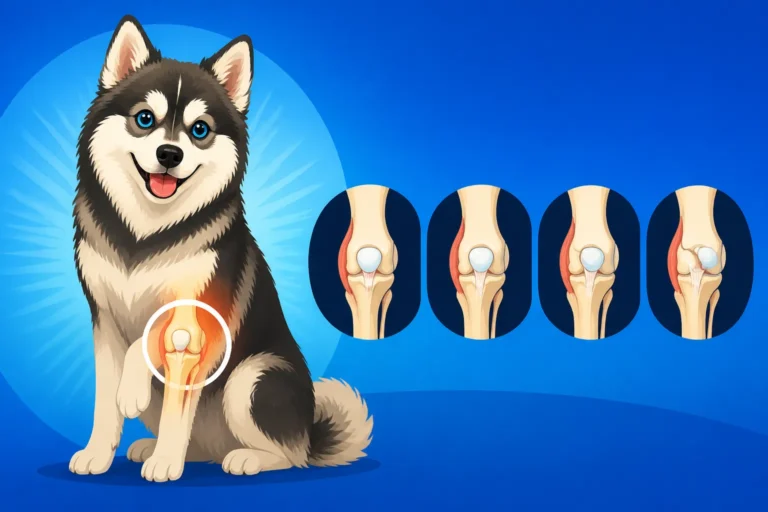
Patellar luxation is a condition where the kneecap (patella) dislocates or moves out of its normal groove on the thigh bone (femur). For a Pomsky owner, this can be a frequent and worrying sight, often leading to a sudden skip or limp in their dog's gait.
Why Pomskies are Prone to Slipping Kneecaps
The mixed heritage of a Pomsky, combining the Siberian Husky and the Pomeranian, makes them susceptible to a blend of health issues from both sides. When it comes to the knees, the Pomeranian lineage is often the primary source of concern. Pomeranians are well-known for their propensity to develop patellar luxation, a genetic trait that can easily be passed down to their Pomsky offspring. The condition typically arises from abnormalities in the leg bone structure – either the groove where the kneecap sits is too shallow, or the attachment points for the quadriceps muscle are out of alignment.
This misalignment causes the kneecap to pop out of place, most commonly to the inside (medial luxation), but sometimes to the outside (lateral luxation). Even if your Pomsky has a more robust, Husky-like build, the underlying skeletal predispositions from the Pomeranian side can still manifest. It’s a silent genetic lottery that many owners only discover when their energetic puppy starts showing signs. If you're curious about your Pomsky's overall health outlook, you might want to learn about The Two Opposite Disease Lists a Pomsky Inherits.
Recognizing the Signs and Grades
Spotting patellar luxation often starts with observing your Pomsky's movement. You might notice them suddenly lifting a hind leg for a few steps, shaking it, and then putting it back down as if nothing happened – a classic "skip." This temporary lameness is usually the kneecap popping out and then back into place. In more severe cases, your Pomsky might hold their leg up for longer periods, showing clear signs of pain or discomfort. As the condition progresses, you might even feel the kneecap shift if you gently palpate the knee area.
Veterinarians grade patellar luxation from Grade I to Grade IV, indicating the severity of the dislocation. Grade I involves occasional slipping that can be manually corrected, while Grade IV means the kneecap is permanently dislocated and cannot be manually put back into place. The higher the grade, the more consistent the lameness and the greater the risk of secondary problems like arthritis or torn ligaments. Understanding these grades is crucial because they heavily influence the treatment recommendations. You can delve deeper into Patellar Luxation Grades in a Pomsky to get a clearer picture of what each grade entails.
When Surgery Becomes Necessary for Your Pomsky
While the idea of your dog undergoing surgery is daunting, it's often the most effective solution for improving their quality of life and preventing further joint damage.
The Tipping Point for Surgical Intervention
Deciding when surgery is necessary isn't always straightforward and often depends on several factors, including the luxation grade, your Pomsky's age, their level of pain, and how much the condition impacts their daily life. Generally, surgical intervention is recommended for Pomskies with Grade II luxation that causes consistent lameness or pain, and almost always for Grades III and IV. A Grade I luxation might be managed conservatively unless it causes significant discomfort or progresses.
Your veterinarian will perform a thorough orthopedic examination, possibly recommending X-rays, to assess the extent of the problem and identify any other underlying issues with the joint. The goal of surgery is to realign the kneecap and deepen its groove so it can track properly, preventing future dislocations. This helps alleviate pain, restores normal limb function, and reduces the long-term risk of degenerative joint disease, allowing your Pomsky to live a more comfortable and active life. Many owners wonder Whether a Pomsky's Kneecap Needs Operating, and the answer truly depends on this comprehensive assessment.
Non-Surgical Management and Its Limitations
Before jumping to surgery, many owners explore conservative management options, especially for lower-grade luxations or if surgery isn't immediately feasible. These methods focus on reducing pain, inflammation, and supporting joint health. Strategies often include weight management, as excess weight puts additional strain on compromised joints. Regular, controlled exercise on soft surfaces can help strengthen the muscles around the knee, providing some stability. Joint supplements containing glucosamine, chondroitin, and MSM are often recommended to support cartilage health, and anti-inflammatory medications can manage pain during flare-ups.
Physical therapy, including hydrotherapy and targeted exercises, can also play a significant role in improving muscle strength and range of motion. However, it's important to be realistic about the limitations of non-surgical approaches. While they can provide temporary relief and manage symptoms, they do not correct the underlying anatomical defect causing the luxation. For higher grades of patellar luxation, or for cases where conservative methods fail to provide lasting relief or prevent progression, surgery remains the gold standard. Ignoring a persistent luxation, especially in active dogs, can lead to chronic pain, severe arthritis, and damage to other knee structures like the crucial ligament, making future treatments more complex and costly. It's also worth considering Whether a Pomsky Should Jump Off Furniture, as repeated impacts can worsen knee issues.
The Financial Reality: What Patella Surgery Costs a Pomsky Owner
Let's talk numbers. The cost of patella surgery for a Pomsky can be a significant investment, and it's essential to understand what contributes to the overall bill. These procedures are complex, requiring specialized skills and equipment.
Breaking Down the Surgical Bill
When you receive an estimate for your Pomsky's patella surgery, it won't just be a single line item for "surgery." It's a comprehensive package that includes many critical components. Here’s a typical breakdown:
- Initial Consultation and Diagnostics: This includes the orthopedic exam, potentially sedation for a thorough palpation, and X-rays to visualize the bone structure, assess the severity of luxation, and rule out other conditions. This might range from $150 to $500.
- Pre-operative Blood Work: Before any anesthesia, blood tests are crucial to ensure your Pomsky's organs (liver, kidneys) are functioning properly and can safely metabolize anesthetic drugs. This usually costs between $100 and $300.
- Anesthesia: This isn't just a quick injection. It involves careful monitoring by a dedicated technician, anesthetic agents, IV fluids to maintain blood pressure, and pain management drugs. Anesthesia costs typically range from $400 to $800, varying with the duration of the surgery.
- The Surgery Itself: This is the core of the cost and covers the surgeon's fee, surgical supplies, and the operating room use. The techniques often involve deepening the trochlear groove (sulcoplasty), moving the tibial tuberosity (tibial crest transposition), and tightening or releasing joint capsules. This can range from $1,500 to $4,000 or more, depending on complexity and location.
- Post-operative Care: This includes pain medication, anti-inflammatory drugs, antibiotics to prevent infection, and often an Elizabethan collar to prevent licking the incision. These medications can add another $100 to $300.
- Hospitalization: While some surgeries allow for same-day discharge, many require an overnight stay for observation and initial pain management, which can add $100 to $300 per night.
- Follow-up Visits and Rehabilitation: Several follow-up appointments are necessary to check incision healing and remove sutures. Physical therapy might also be recommended for optimal recovery. Expect to pay for a few follow-up visits, typically $50-$150 each, and if rehabilitation is needed, that's an additional cost, often hundreds of dollars over several weeks.
Geographical and Clinic Variations
The total cost can vary significantly based on where you live and the type of veterinary practice you choose. In major metropolitan areas like Los Angeles, New York, or Boston, veterinary costs tend to be higher due to increased overheads, higher labor costs, and greater demand for specialist services. Rural areas might offer slightly lower prices.
Choosing between a general practice veterinarian who performs orthopedic surgeries and a board-certified veterinary orthopedic specialist will also impact the cost. A specialist often charges more for their advanced expertise, specialized equipment, and potentially more complex surgical techniques. However, their experience can also lead to better outcomes, especially for intricate cases. It's not uncommon for a single patellar luxation surgery to range from $2,000 to $5,000 per knee in a general practice, potentially climbing to $4,000 to $8,000 or more per knee if performed by a specialist in a high-cost-of-living area. Always request a detailed written estimate from your vet so you know exactly what to expect.
The Cost of Bilateral vs. Unilateral Surgery
It's a common scenario for dogs, especially those predisposed like Pomskies, to develop patellar luxation in both knees. If your Pomsky needs surgery on both legs, the costs will essentially double, though sometimes clinics offer a slight discount if both procedures are done during the same surgical session or within a short timeframe. However, operating on both knees simultaneously isn't always advisable. Often, vets will recommend addressing one knee first, allowing for complete recovery (typically 8-12 weeks) before operating on the second. This phased approach allows your dog to use one "good" leg for support during recovery.
This means you might be looking at two separate surgical bills, spaced out by a few months. This can make the total financial impact even more substantial, potentially pushing the total cost for bilateral surgery well beyond $10,000 depending on the factors mentioned above. It's a tough pill to swallow, but addressing both knees can significantly improve your Pomsky's long-term mobility and comfort.
| Cost Component | Estimated Range (Unilateral) | Notes |
|---|---|---|
| Initial Exam/X-rays | $150 – $500 | Varies by clinic and complexity of diagnosis. |
| Pre-Op Blood Work | $100 – $300 | Essential for anesthetic safety. |
| Anesthesia & Monitoring | $400 – $800 | Includes drugs, IV fluids, and technician's time. |
| Surgical Procedure | $1,500 – $4,000+ | Surgeon's fee, surgical materials, operating room. Higher for specialists. |
| Post-Op Medications | $100 – $300 | Pain relief, anti-inflammatories, antibiotics. |
| Hospitalization | $100 – $300 (per night) | If overnight stay is required. |
| Follow-up Visits | $100 – $300 (for 2-3 visits) | Suture removal, rechecks. |
| Rehabilitation/PT | $300 – $1,000+ (optional) | If recommended for optimal recovery. |
| Total (Unilateral) | $2,750 – $7,500+ | Varies greatly by location, vet, and complexity. |
| Total (Bilateral) | $5,500 – $15,000+ | Typically two separate surgeries. |
Softening the Financial Blow: Insurance and Support
Facing a potentially large veterinary bill can feel overwhelming, but there are ways to manage the financial impact of patella surgery. Planning ahead can make a huge difference.
The Role of Pet Insurance
Pet insurance can be an absolute lifesaver when unexpected veterinary emergencies or chronic conditions like patellar luxation arise. However, there's a critical catch: pet insurance generally considers pre-existing conditions. This means if your Pomsky is diagnosed with patellar luxation before you enroll in a policy or during the waiting period, that specific condition (and often related issues on the other knee) will likely not be covered.
Therefore, the best time to get pet insurance is when your Pomsky is a healthy puppy, before any signs of luxation or other genetic predispositions become apparent. Companies like Healthy Paws, Embrace, or Trupanion offer various plans that can cover a significant portion of surgical costs, diagnostics, and even rehabilitation therapies, provided the condition isn't pre-existing. It's crucial to read policy details carefully, understand deductibles, reimbursement percentages (e.g., 70%, 80%, or 90%), and annual limits. For example, if you have a Healthy Paws policy with a $250 deductible and 90% reimbursement, a $5,000 surgery would mean you pay the first $250, and Healthy Paws covers 90% of the remaining $4,750 ($4,275), leaving you with a total out-of-pocket cost of $725. This is a far cry from $5,000! Many owners find that having insurance, particularly from reputable providers like Healthy Paws, provides immense peace of mind. It’s a worthwhile investment given potential concerns like Slipping Kneecaps in a Pomsky and other breed-specific issues. You might also be interested in learning about Insuring a Pomsky Against Two Parent Breeds.
Financial Aid Options and Payment Plans
Even with insurance, or if your pet's condition is pre-existing, there are still avenues to explore to ease the financial strain. Many veterinary clinics understand that pet care can be expensive and offer payment plans, allowing you to pay off the balance over several months. It's always worth asking your vet if this is an option.
Another popular choice is applying for medical credit cards like CareCredit or Scratchpay. These programs offer special financing options, often with deferred interest for a set period, which can be a huge help in managing large, unexpected bills. Be sure to understand the terms, as interest can accrue significantly if the balance isn't paid off within the promotional period.
Furthermore, several non-profit organizations offer financial assistance for pet owners who need help affording life-saving or mobility-restoring surgeries. Organizations like The Pet Fund, RedRover, or breed-specific rescues sometimes have grants or programs to assist. While you won't find a direct "Pomsky patella surgery fund," general assistance programs can still apply. Don't be shy about discussing your financial concerns with your veterinary team; they often have resources or suggestions to help you navigate these challenging situations. Planning for the lifetime of your Pomsky also means considering What a Pomsky's Vet Bills Look Like.
Disclaimer
The information provided in this article is for general informational purposes only and does not constitute veterinary advice. Always consult with a qualified veterinarian for any health concerns or before making any decisions about your pet's medical care. Costs are estimates and can vary widely based on location, veterinary practice, and individual patient needs.