Whether a Pomsky Gets Ear Infections
It's a common worry for any dog parent, but especially for those of us with Pomskies: are those adorable, often fluffy ears prone to uncomfortable and persistent infections? Given their unique blend of Siberian Husky and Pomeranian genetics, it's natural to wonder if your Pomsky is more susceptible to ear problems. This comprehensive guide will walk you through everything you need to know about Pomsky ear infections, from understanding their ear anatomy to prevention, recognition, and treatment.
Understanding Pomsky Ear Anatomy and Predispositions
The ears of a Pomsky are a wonderful mix, just like everything else about them! But this unique blend can also come with its own set of considerations when it comes to ear health. It’s not just about what they look like on the outside, but how that structure, combined with their activity levels and coat type, can create an environment ripe for trouble.
The Blended Ear Structure of a Pomsky
When you look at a Pomsky, their ears often lean heavily towards the Siberian Husky side – typically upright, triangular, and set high on the head. This isn't always the case, of course, as some may inherit a slightly smaller, perhaps even fluffier ear from their Pomeranian lineage. What this generally means, though, is that unlike breeds with long, floppy ears that trap heat and moisture, a Pomsky's upright ears usually benefit from better air circulation. This improved airflow can be a natural defense against the buildup of moisture and yeast that often leads to infections. This is why many owners wonder Whether a Pomsky's Upright Ears Stay Clean.
However, the "blend" also means you need to be mindful of individual variations. Some Pomskies might have more hair growing inside their ear canals, or the hair around the ear opening could be particularly dense, especially if they have a slightly woolier coat type. This can inadvertently reduce the very airflow their upright ears are meant to provide. This dense fur can act like a tiny, furry curtain, trapping debris, pollen, and even moisture close to the ear canal, despite the ear's outwardly 'open' appearance. Each Pomsky is an individual, and a quick peek inside your dog's ears can tell you a lot about their specific needs.
Common Canine Ear Infection Triggers
Ear infections in dogs, medically known as otitis externa, are incredibly common and can stem from a variety of sources. For a Pomsky, these general triggers apply, sometimes with added considerations due to their breed characteristics. The most frequent culprits include allergies, excess moisture, foreign bodies, ear mites, and an overgrowth of bacteria or yeast. Allergies, whether food-related or environmental, are a huge factor, often causing inflammation in the ear canal which then creates a perfect breeding ground for opportunistic infections. It’s worth exploring Whether a Pomsky Gets Allergies if your dog experiences recurring ear issues.
Given their active nature, Pomskies love to play outdoors, which can expose them to pollens, dust, and even grass awns that can make their way into the ear canal. And let's not forget water! While many Pomskies aren't natural swimmers like some retriever breeds, a good bath, a splash in a puddle, or even just high humidity can introduce moisture that, if not properly dried, can lead to yeast or bacterial growth. The double coat that Pomskies inherit also means they have a lot of fur, and sometimes this dense fur around the ears can hold onto moisture longer than you'd expect. Even regular grooming, which is essential for The Grooming Bill on a Double Coated Pomsky, needs to be done carefully around the ears to ensure they are thoroughly dried.
Recognizing the Signs and Symptoms of Ear Infections in Your Pomsky
No one wants to see their beloved Pomsky in discomfort, but ear infections can be sneaky. They might start subtly, and by the time you notice overt signs, your furry friend could already be in significant pain. Early detection is key to a faster, less complicated recovery, so knowing what to look for is crucial.
Behavioral Clues Your Pomsky Might Exhibit
Your Pomsky is likely to give you some pretty clear signals if their ears are bothering them, even if they can't tell you in words. One of the most common and noticeable signs is excessive head shaking. It’s not just a casual shake after a nap; it will often be more vigorous, repetitive, and might even make a sloshing sound if there's fluid build-up inside. Another huge indicator is scratching at their ears, often with a back paw. This scratching can become quite intense, leading to raw skin, scabs, or even hair loss around the ear and on the side of the face. You might also observe them rubbing their head or ears on furniture, the carpet, or even against your leg, trying desperately to relieve the itch or discomfort.
Beyond these direct ear-related actions, pay attention to changes in their general demeanor. A Pomsky normally full of boundless energy might become more withdrawn, lethargic, or irritable if they're in pain. They might yelp or pull away if you try to touch their head or ears, or become reluctant to engage in play. Sometimes, they might even tilt their head to one side persistently, favoring the ear that feels better. These subtle shifts in behavior are your Pomsky's way of telling you something is amiss and shouldn't be ignored.
Physical Indicators of an Ear Problem
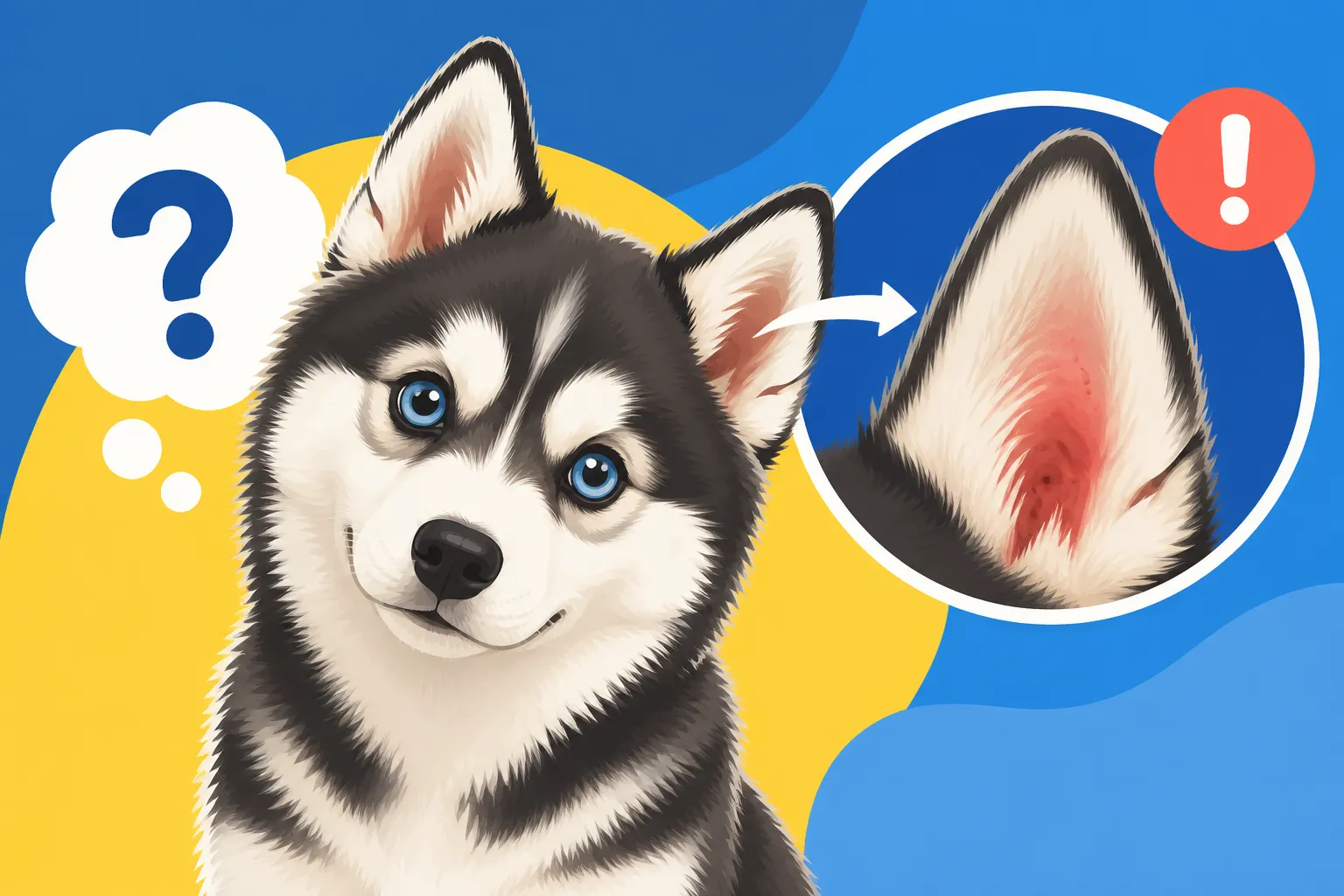
While behavioral changes are a good first alert, physical examination is crucial for confirming an ear infection. The most telling sign is often a noticeable odor emanating from the ear. Infected ears, especially those with yeast overgrowth, can have a distinct, often sweet or yeasty smell, while bacterial infections might produce a foul, pungent odor. Visually inspecting the ear flap and the opening of the ear canal can reveal redness, swelling, or crusting. The skin might look inflamed, shiny, or even thickened in chronic cases.
Discharge from the ear is another unmistakable sign. This discharge can vary in color and consistency: it might be dark brown and waxy (often indicative of yeast or mites), yellow and pus-like (bacterial), or even bloody if the scratching has caused trauma. For Pomskies with thicker fur around the ear opening, this discharge can sometimes mat the hair. In some instances, particularly with a thick double coat, early signs like slight redness or minimal discharge can be hidden by the fur, making it harder to spot initially. Always gently lift the ear flap and take a good look inside – a healthy ear canal should be pale pink, clean, and free of odor or discharge. Catching Hot Spots Under a Pomsky's Undercoat is also important, as intense scratching around the ears can sometimes lead to skin infections on other parts of the body.
Preventing Ear Infections and Maintaining Ear Health
An ounce of prevention is truly worth a pound of cure when it comes to ear infections, and this holds especially true for our lively Pomskies. Establishing a proactive ear care routine can save both you and your dog a lot of discomfort, vet visits, and expense. It's about being diligent and understanding their specific needs.
Regular Cleaning and Grooming Routines
Regular ear cleaning is a cornerstone of prevention, but it needs to be done correctly to be effective and safe. First, always use a vet-approved ear cleaning solution designed for dogs. Never use rubbing alcohol, hydrogen peroxide, or human ear drops, as these can irritate or damage the delicate ear canal. To clean, gently lift your Pomsky's ear flap and squirt the solution directly into the ear canal until it's full. Then, gently massage the base of the ear for about 20-30 seconds. You might hear a squishy sound, which is normal as the solution breaks up debris. After massaging, let your Pomsky shake their head (have a towel ready!). Finally, use a soft cotton ball or gauze wrapped around your finger to wipe out any visible dirt or excess solution from the outer ear and the accessible parts of the ear canal. Never use cotton swabs inside the ear canal, as this can push debris further in or damage the eardrum.
The frequency of cleaning depends on your individual Pomsky. For most, once every two to four weeks is sufficient. However, if your Pomsky loves splashing in puddles, swimming, or has a history of ear issues, you might need to clean them more often, especially after water exposure. Thoroughly drying the ears after baths or any water play is paramount to prevent moisture from creating a damp environment where yeast and bacteria thrive. For Pomskies with dense fur, a low-setting hairdryer (held at a safe distance) or even just extra toweling can make a big difference. While Pomskies generally have good airflow due to their upright ears, some might have denser hair growing around or even inside the ear canal. A professional groomer or your vet can advise if carefully trimming this excess hair is beneficial to improve airflow and reduce moisture retention. It's also vital to consider How Often a Pomsky's Ears Should Be Cleaned based on their lifestyle and predispositions.
Addressing Underlying Causes and Veterinary Care
Beyond routine cleaning, preventing recurrent ear infections often means digging deeper to address any underlying causes. For many dogs, especially those with chronic ear problems, allergies are the primary driver. If your Pomsky frequently has red, itchy ears, even after diligent cleaning, it’s crucial to work with your veterinarian to identify potential allergens. This might involve dietary changes to rule out food allergies or environmental allergy testing. Managing allergies effectively, whether through diet, medication, or immunotherapy, can significantly reduce the incidence of ear infections.
Regular veterinary check-ups are also indispensable. Your vet can spot early signs of trouble that you might miss, and they can properly diagnose the type of infection (bacterial, yeast, or both) using an otoscope and ear cytology. Self-treating ear infections can be dangerous, as different types of infections require different medications. Using the wrong drops can worsen the problem or delay proper healing. If your Pomsky develops an ear infection, prompt veterinary care is essential. For those concerned about the costs associated with ongoing diagnostics and treatments for chronic conditions like allergies or recurrent ear infections, exploring pet insurance options can be a smart move. Companies like Healthy Paws offer comprehensive coverage that can help mitigate unexpected veterinary expenses, ensuring you can always provide the best care for your furry family member without financial stress. Planning for yearly health screenings, like The Screening a Pomsky Should Have Yearly, can help catch problems early.
Treatment Options for Pomsky Ear Infections
Discovering your Pomsky has an ear infection can be disheartening, but the good news is that most cases are highly treatable, especially when caught early. The key is prompt and accurate veterinary intervention. Understanding what to expect during diagnosis and treatment will help you feel more prepared and ensure your Pomsky gets back to feeling like themselves as quickly as possible.
Veterinary Diagnosis and Initial Treatment
When you bring your Pomsky to the vet for suspected ear issues, the first step will typically be a thorough examination. Your veterinarian will use an otoscope – a special instrument with a light and magnifying lens – to look deep into the ear canal, checking for foreign bodies, polyps, inflammation, or damage to the eardrum. They’ll also take a sample of any discharge using a cotton swab and perform an ear cytology. This involves spreading the sample on a slide and examining it under a microscope to identify whether bacteria, yeast, or ear mites are present, and in what quantities. This crucial step guides the specific treatment plan, as a yeast infection requires antifungal medication, while a bacterial infection needs antibiotics.
Once a diagnosis is made, your vet will prescribe the appropriate medication. For most ear infections, this means topical ear drops that contain antibiotics, antifungals, and/or anti-inflammatory steroids. These drops are applied directly into the ear canal, usually once or twice a day for a specified period. In more severe cases, or if the infection has spread, oral antibiotics or anti-inflammatory drugs might also be prescribed. It’s absolutely critical to complete the entire course of medication, even if your Pomsky's ears appear to be improving quickly. Stopping treatment too soon is a common reason for recurrence and can lead to antibiotic resistance, making future infections harder to treat. Your vet will usually schedule a follow-up appointment to recheck the ears and ensure the infection has completely cleared.
Managing Chronic or Recurrent Ear Infections
For some unfortunate Pomskies, ear infections aren't a one-off event but become a frustrating cycle of recurrence. If your Pomsky experiences ear infections frequently, it's a clear sign that an underlying issue hasn't been fully resolved. This could be due to persistent allergies (environmental or food-related), anatomical predispositions like very narrow ear canals, or even resistant strains of bacteria. Your vet may recommend more advanced diagnostics in these cases, such as ear cultures (to identify specific bacterial species and their antibiotic sensitivities), or even imaging like CT or MRI scans if there's concern about middle ear involvement or polyps deeper in the canal.
Managing chronic ear infections requires a dedicated, long-term strategy. This often involves continuous allergy management, rigorous cleaning protocols, and sometimes, specialized ear flushes performed by the vet. In extremely rare, severe, and chronic cases where all other treatments have failed, and the dog is in constant pain, a surgical procedure called a Total Ear Canal Ablation (TECA) might be considered. This involves removing the entire ear canal, leaving only the outer ear flap. It’s a drastic measure that eliminates the source of chronic infection but does result in deafness in the affected ear. Thankfully, such surgeries are uncommon for Pomskies given their generally well-ventilated ear structure. Proactive care, regular vet visits, and a good pet insurance plan like those offered by Healthy Paws can truly make a difference in managing these ongoing health challenges. Having pet insurance can provide peace of mind that you can afford the best diagnostics and treatments available, allowing you to focus on your Pomsky's health rather than the financial strain.
Ear Health Checklist for Your Pomsky
To help you stay on top of your Pomsky's ear health, here’s a quick checklist of what to look for and when to act. Consistent monitoring can make all the difference in catching potential problems early.
| Symptom Category | Signs to Watch For | Action to Take |
|---|---|---|
| Behavioral | Excessive head shaking | Contact vet |
| Frequent ear scratching (with paws or on surfaces) | Contact vet | |
| Yelling or whining when ears are touched | Contact vet immediately | |
| Head tilting to one side | Contact vet | |
| Increased irritability or lethargy | Contact vet | |
| Physical | Foul or yeasty odor from ears | Contact vet |
| Redness or swelling of the ear flap/canal opening | Contact vet | |
| Discharge (dark brown, yellow, bloody) | Contact vet immediately | |
| Crusting or scabs around the ear opening | Contact vet | |
| Hair loss around ears due to scratching | Monitor, contact vet if worsening | |
| Prevention | Dampness inside ears after bathing/swimming | Thoroughly dry, monitor |
| Visible wax buildup (minor) | Routine cleaning | |
| Dense hair obstructing ear canal | Discuss with groomer/vet |
Disclaimer
Please remember that the information provided in this guide is for informational purposes only and is not a substitute for professional veterinary advice. Always consult with a qualified veterinarian for any health concerns or before making any decisions about your Pomsky's medical care.