What Actually Kills Most Pomskies
It's a question that weighs heavily on the hearts of every Pomsky parent: what health challenges might our beloved furry family members face, and what, ultimately, are the most common reasons they leave us? It's natural to feel a mix of excitement and apprehension with a designer breed like the Pomsky, wondering if the best of both worlds truly translates into robust health or if they're susceptible to a unique blend of issues. This guide aims to shed light on the real causes of mortality in Pomskies, moving past speculation to equip you with knowledge for a long, happy life together.
Understanding the Pomsky's Genetic Tapestry and Health Risks
Bringing a Pomsky into your home means embracing a wonderful mix of the spirited Siberian Husky and the charming Pomeranian. This unique combination, while creating an undeniably adorable and often highly intelligent companion, also means they inherit a mixed bag of genetic predispositions from both sides of their family tree. It's not always straightforward, and understanding this genetic blend is the first step in comprehending their potential health journey.
The Double-Edged Sword of Hybrid Vigor
Often, with mixed breeds, there's talk of "hybrid vigor" or heterosis, which suggests that a crossbred animal may be healthier and more robust than its purebred parents due to increased genetic diversity. The idea is that by mixing two different gene pools, you reduce the likelihood of inheriting two copies of a recessive gene for a specific disease that might be common in one of the parent breeds. For example, if a disease is prevalent in Huskies but rare in Pomeranians, a Pomsky might be less likely to develop it than a purebred Husky.
However, hybrid vigor isn't a magical shield. It doesn't mean Pomskies are immune to all diseases. What it does often mean is that they might have a slightly lower incidence of some specific breed-related conditions compared to highly inbred purebreds. The challenge with Pomskies, though, is that they can still inherit any of the health problems present in either parent breed. So, while they might avoid some risks, they introduce a wider spectrum of potential issues from both sides. It's a complex picture, and responsible breeding practices are absolutely crucial to try and stack the odds in favor of health, which includes thorough health testing of both parent dogs before breeding. This diligence helps to mitigate the chance of passing on undesirable traits, but it's not a guarantee against all future ailments.
Inherited Conditions from Siberian Huskies and Pomeranians
To truly understand what might shorten a Pomsky's life, we need to look at the common health concerns of their parent breeds. Siberian Huskies are known for conditions such as hip and elbow dysplasia, various eye diseases like juvenile cataracts, and occasionally hypothyroidism. Pomeranians, on the other hand, are more prone to issues like patellar luxation (slipping kneecaps), tracheal collapse, dental disease due to their small mouths, and a condition called Alopecia X, which causes coat loss.
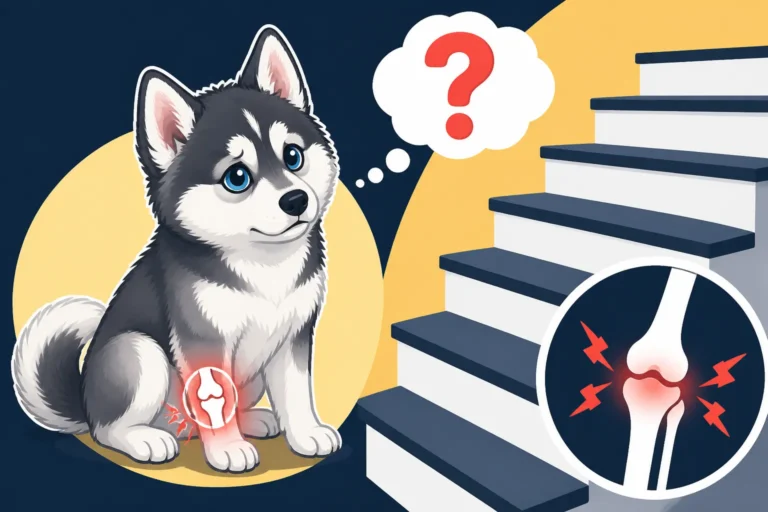
When you blend these two, your Pomsky could inherit a predisposition to any of these. For instance, a Pomsky might develop Hip Dysplasia in a Twenty Pound Pomsky, a painful joint condition that can severely impact their mobility and quality of life, especially as they age, sometimes necessitating complex surgery. Similarly, from their Pomeranian lineage, they could be at risk for Slipping Kneecaps in a Pomsky, which can range from a minor skip to a debilitating issue requiring surgical correction. Even something seemingly benign like Dental Crowding in a Pomsky's Small Mouth can lead to severe infections if not managed, affecting overall health. While these conditions aren't always immediately fatal, they can significantly reduce a dog's quality of life and, if severe or left untreated, can lead to secondary complications that shorten their lifespan. This highlights why understanding The Two Opposite Disease Lists a Pomsky Inherits is so vital for any potential owner.
Major Health Conditions Leading to Mortality in Pomskies
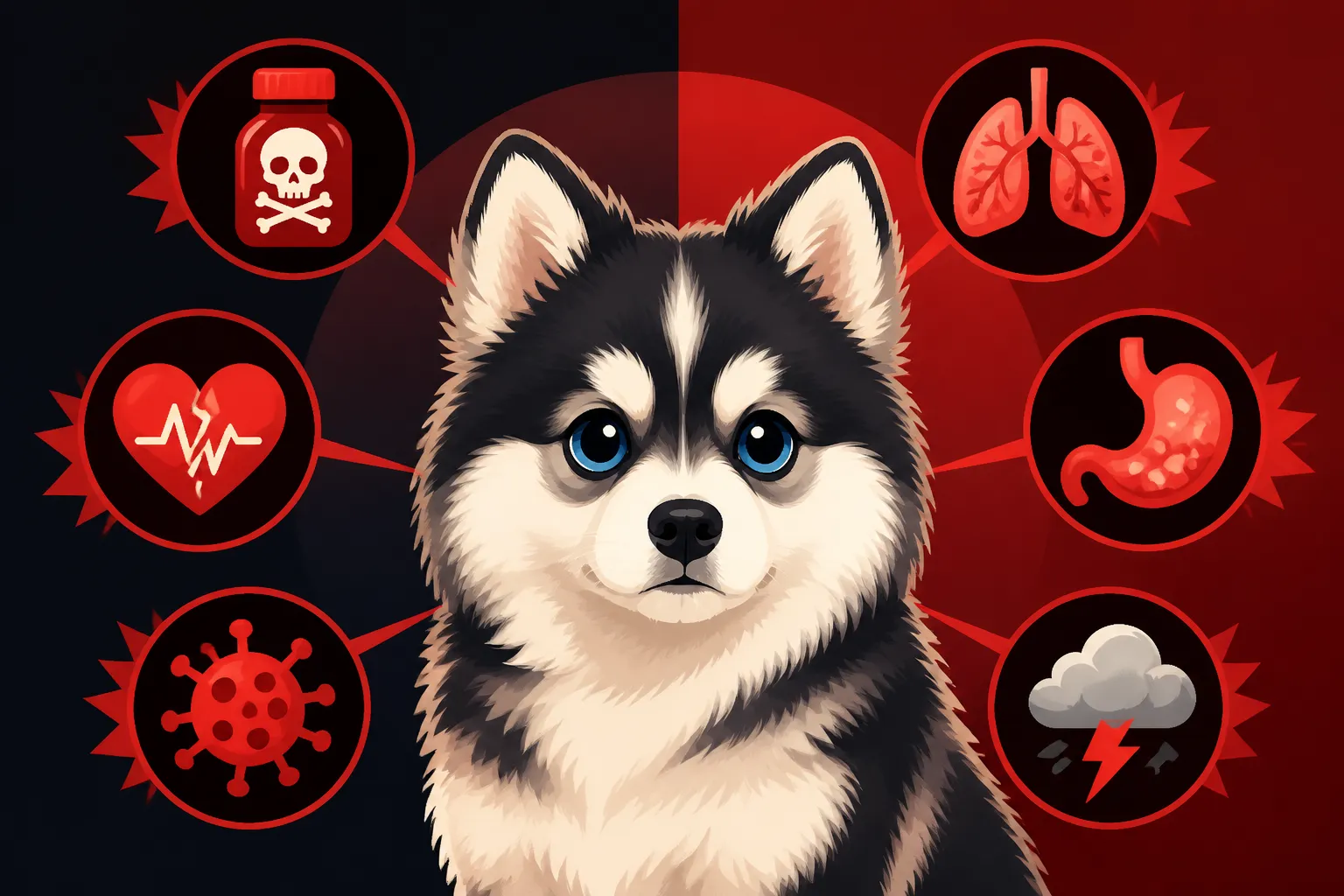
While Pomskies are generally considered a relatively healthy breed, certain conditions, many of which are prevalent across canine populations, can unfortunately lead to premature death or a significant decline in quality of life that necessitates euthanasia. These aren't unique to Pomskies, but understanding their potential impact specific to this mixed breed can help owners be more vigilant.
Cancer: A Shadow Across Breeds
Just like in humans, cancer is a leading cause of death in dogs, and Pomskies are not immune. As dogs age, their risk of developing various forms of cancer increases significantly. While there isn't one specific type of cancer that disproportionately affects Pomskies over other breeds, they can develop lymphoma, osteosarcoma, mast cell tumors, or mammary tumors, among others. The impact of cancer depends heavily on its type, location, aggressiveness, and how early it's detected.
For a Pomsky owner, this means being incredibly vigilant about any new lumps, bumps, unexplained weight loss, lethargy, or changes in appetite. Early detection is often key to successful treatment, which might involve surgery, chemotherapy, or radiation. A sudden decline in health due to an aggressive tumor can be heartbreakingly swift. Investing in pet insurance, like plans offered by Healthy Paws, can be a huge relief, covering a significant portion of the often-exorbitant costs associated with cancer diagnosis and treatment, allowing owners to focus on their pet's care rather than financial stress. It's a sad reality that sometimes, despite all efforts, cancer can progress beyond treatment, leading to difficult end-of-life decisions for families.
Heart Disease: More Than Just a Murmur
Heart conditions can also be a significant cause of mortality in Pomskies. While they might not be as prone to certain congenital heart defects as some purebreds, they can still develop acquired heart diseases over time. Whether a Pomsky Gets Heart Disease is a question many owners ponder, and the answer is yes, like all dogs, they are susceptible. Conditions such as dilated cardiomyopathy (DCM) or valvular disease can lead to congestive heart failure. DCM, for instance, causes the heart muscle to become thin and weak, making it less effective at pumping blood. Valvular disease, on the other hand, involves the heart valves not closing properly, leading to blood leakage.
Symptoms of heart disease can include coughing, especially after exercise or when resting, difficulty breathing, reduced stamina, fainting, or a swollen abdomen due. Regular veterinary check-ups are crucial for detecting heart murmurs, which can be an early sign of a problem. If detected, treatment often involves medications to manage symptoms and improve heart function, but these conditions are progressive and can ultimately lead to heart failure, which is a common cause of death, particularly in older Pomskies. Management can extend quality of life, but it rarely cures the underlying issue.
Neurological Issues and Organ Failure
Beyond cancer and heart disease, neurological conditions and organ failure are also significant concerns. From the Pomeranian side, there's a predisposition to The Collapsing Trachea a Pomsky Gets From the Pomeranian, which, while not always fatal, can become severe enough to cause chronic respiratory distress and drastically reduce quality of life, sometimes leading to euthanasia. Neurological issues, such as epilepsy, can also affect Pomskies. Whether a Pomsky Gets Epilepsy is a valid concern, as seizures, while often manageable with medication, can be distressing and, in severe cases or status epilepticus, life-threatening.
Organ failure, particularly kidney or liver disease, can also be fatal. These conditions often develop gradually, with symptoms becoming noticeable only when the organs are significantly compromised. Signs might include increased thirst and urination, vomiting, diarrhea, loss of appetite, or jaundice. Early diagnosis through routine blood work can sometimes slow the progression of these diseases, but they are ultimately irreversible. For senior Pomskies, the decline in organ function is a natural part of aging, but for some, it can happen sooner and more aggressively, becoming the primary cause of death. Regular screenings, particularly as your Pomsky enters their senior years, are important for early detection and management of these conditions, helping to ensure that The Twelve to Fifteen Years a Pomsky Lives are as healthy as possible.
The Impact of Accidents, Lifestyle, and Preventative Care
While genetic predispositions and age-related diseases are major factors, the lifestyle and environment of a Pomsky also play a critical role in their overall lifespan and what might ultimately lead to their demise. Accidents and preventable issues, tragically, can cut a life short, while consistent preventative care can extend it significantly.
Accidents and Behavioral Factors
Pomskies are intelligent, active, and can be notoriously curious. This combination, while endearing, can also lead to dangerous situations. Their Husky heritage often gives them a strong prey drive and a desire to explore, making them potential The Pomsky Escape Artist in a Twenty Pound Body. If they manage to slip out of a yard or off-leash, they are susceptible to traffic accidents, encounters with aggressive wildlife or other dogs, or getting lost in dangerous areas. Even at home, ingestion of toxic substances (like certain foods, plants, or household cleaners) or foreign objects (toys, socks, etc.) can lead to acute medical emergencies and, if not treated swiftly and effectively, can be fatal.
Behavioral traits, such as anxiety or aggression developed from lack of proper socialization or training, can also contribute to dangerous situations or a diminished quality of life. For instance, a Pomsky with severe separation anxiety might injure itself trying to escape a crate or home. While these aren't diseases, they are very real risks that can lead to a Pomsky's death, emphasizing the need for secure environments, consistent training, and proactive socialization. Remember, even with the best training, some Pomskies retain an independent streak, making secure containment and constant vigilance paramount.
The Role of Diet, Exercise, and Early Detection
A Pomsky's daily care regimen profoundly impacts their long-term health. A balanced diet appropriate for their age, activity level, and size is fundamental. Poor nutrition can lead to obesity, which exacerbates joint problems like Slipping Kneecaps in a Pomsky and increases the risk of heart disease and diabetes. Conversely, a diet lacking essential nutrients can weaken their immune system and overall vitality. Adequate, consistent exercise is equally crucial; Pomskies have significant energy requirements inherited from their Husky ancestors, and without proper outlets, they can become bored, destructive, and unhealthy. Regular physical activity helps maintain a healthy weight, strengthens their cardiovascular system, and keeps their minds sharp.
Early detection of health issues through regular veterinary check-ups, even when your Pomsky seems perfectly healthy, is perhaps the most powerful preventative tool. These visits allow your vet to catch subtle changes, conduct routine screenings, and offer vaccinations and parasite prevention that protect against serious illnesses. For instance, conditions like The Eyes a Pomsky Gets From the Husky might be spotted early by a veterinarian or an ophthalmologist, allowing for management before they severely impact vision. Don't underestimate the power of annual physicals and listening to your gut if you notice anything "off" with your Pomsky. A proactive approach to health can literally add years to your dog's life.
Proactive Steps for a Long and Healthy Pomsky Life
The thought of losing our furry companions is never easy, but by being informed and taking proactive steps, we can significantly increase their chances of living a full, healthy life. It all starts even before you bring your Pomsky home and continues throughout their entire life.
Choosing a Responsible Breeder and Early Screening
The very first and arguably most critical step in ensuring your Pomsky's health is choosing a responsible breeder. A good breeder will prioritize the health and temperament of their breeding dogs, conducting extensive health screenings for common genetic conditions known to affect Siberian Huskies and Pomeranians. This means they will screen for hip and elbow dysplasia, patellar luxation, various eye conditions, and cardiac issues. They should be transparent about these results and willing to share them with you. Don't be afraid to ask for proof of health testing from organizations like the Orthopedic Foundation for Animals (OFA) or the Canine Eye Registration Foundation (CERF).
A responsible breeder won't breed a dog with known severe genetic issues, even if it means reducing their breeding stock. They will also provide a clean, safe environment for their puppies and mother, ensuring proper nutrition and early socialization. While no breeder can guarantee a dog will never get sick, their commitment to genetic health significantly lowers the risk of your Pomsky inheriting debilitating conditions. For instance, understanding Whether an F1 Pomsky Is Healthier Than an F2 might involve asking a breeder about their breeding philosophy and which generation they focus on for health and predictability.
Comprehensive Veterinary Care and Insurance Considerations
Once you've brought your Pomsky home, establishing a strong relationship with a veterinarian is paramount. Regular check-ups, adhering to vaccination schedules, and consistent parasite prevention are non-negotiable aspects of preventative care. As your Pomsky ages, The Screening a Pomsky Should Have Yearly will become more comprehensive, including blood work and urinalysis to detect early signs of organ disease or other age-related issues. Dental care, often overlooked, is also incredibly important for Pomskies, given their propensity for crowded mouths. Regular dental cleanings, both at home and professionally, can prevent severe infections that can impact overall health.
Financial planning for potential veterinary expenses is also a smart move. Pet insurance, such as policies from Healthy Paws, can be an invaluable resource. Knowing that a significant portion of unexpected vet bills for accidents or illnesses will be covered can alleviate immense stress during a difficult time, allowing you to make medical decisions based on what's best for your Pomsky rather than your wallet. Imagine the peace of mind knowing that if your Pomsky develops an unforeseen illness, you're not facing the entire burden alone. It’s an investment in their future, much like choosing a great vet and providing a loving home.
Ultimately, while certain health conditions are more common reasons Pomskies pass away, a combination of good genetics, vigilant care, a healthy lifestyle, and a strong partnership with your vet are the best ways to ensure your Pomsky lives their happiest, healthiest, and longest life possible.
| Common Causes of Mortality in Pomskies | Description | Impact on Lifespan | Prevention/Management |
|---|---|---|---|
| Cancer | Various types (lymphoma, osteosarcoma, mast cell tumors) affecting different organs. | Significant, especially with aggressive types or late detection. | Early detection through regular vet check-ups (checking for lumps), healthy diet, maintaining ideal weight. Pet insurance (e.g., Healthy Paws) can cover treatment costs. |
| Heart Disease | Conditions like Dilated Cardiomyopathy (DCM) or valvular disease leading to heart failure. | Progressive, can be managed but ultimately reduces lifespan. | Regular vet check-ups for heart murmurs, monitoring for symptoms (coughing, lethargy), medication to manage. |
| Organ Failure | Kidney or liver disease, often age-related or due to underlying conditions. | Progressive, becomes more common with age. | Routine bloodwork and urinalysis, especially for senior Pomskies, proper hydration, balanced diet, avoiding toxins. |
| Neurological Issues | Epilepsy (seizures), severe cases of tracheal collapse leading to respiratory crisis. | Variable; can be managed, but severe episodes or chronic distress can be fatal. | Medication for epilepsy, managing environmental triggers. For tracheal collapse: harness use, weight management, avoiding irritants. |
| Accidents | Traffic accidents (escape artists), ingestion of toxins/foreign objects, fights. | Acute, often sudden. | Secure fencing, leash training, supervision, pet-proofing home, knowing toxic substances, microchipping, GPS trackers. |
| Complications from Genetic Conditions | Untreated severe hip dysplasia or patellar luxation leading to secondary issues. | Can lead to chronic pain, reduced mobility, and euthanasia if quality of life severely declines. | Responsible breeding with health testing, early diagnosis, weight management, physical therapy, sometimes surgery. |
Disclaimer
The information provided in this guide is intended for educational purposes only and should not be considered a substitute for professional veterinary advice, diagnosis, or treatment. Always seek the advice of your qualified veterinarian with any questions you may have regarding a medical condition or health management for your Pomsky.