Whether an Old Pomsky Goes Deaf
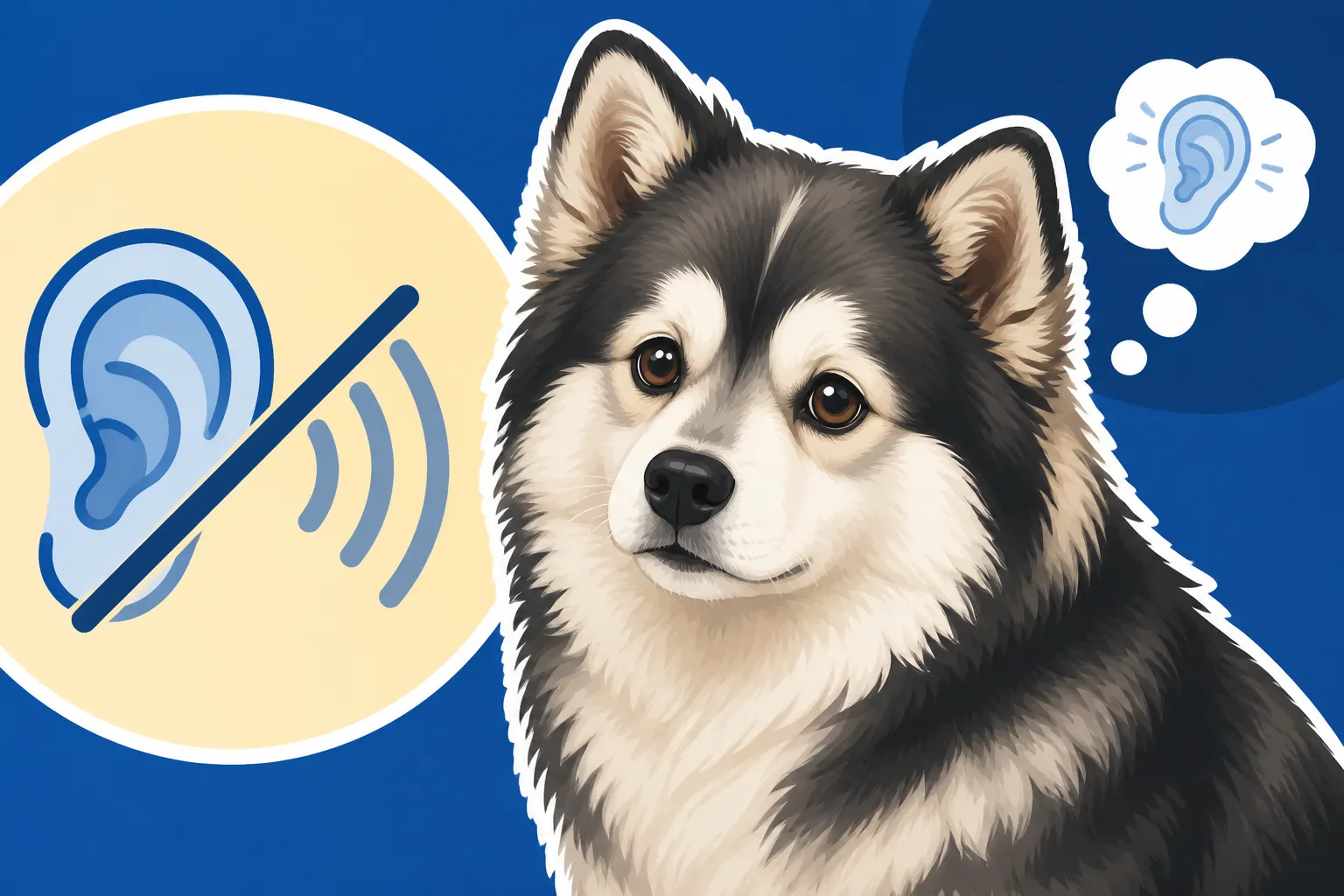
It’s a heartbreaking realization for many dog parents: as our beloved Pomskies age, they often face a decline in their senses, and hearing loss is a particularly common, yet often subtle, challenge. That moment you call their name, and they don't respond, or they sleep through the doorbell, can leave you wondering what's happening. This guide aims to shed light on hearing loss in senior Pomskies, helping you understand why it occurs, how to spot the signs, and how to adapt to support your furry friend through this natural part of aging.
The Natural Progression of Hearing Loss in Senior Dogs
Just like us humans, dogs experience various changes as they grow older, and a decline in hearing is incredibly common. It’s not usually a sudden event but rather a gradual process that can sneak up on you and your dog. You might notice it first as selective hearing, making you wonder if they're just being stubborn, when in reality, their ears might simply not be picking up the higher frequencies of your voice anymore. This age-related hearing loss, medically known as presbycusis, is a normal part of the aging process and something many senior dogs, including Pomskies, will eventually encounter.
Understanding Sensorineural Deafness
The most common type of age-related hearing loss in dogs is sensorineural deafness. This isn't about something blocking the ear canal, but rather a deterioration of the delicate structures within the inner ear or the nerve pathways leading to the brain. Think of it like tiny, intricate machinery that slowly wears down over time. Specifically, it involves the hair cells in the cochlea, which are responsible for converting sound vibrations into electrical signals that the brain interprets. Once these hair cells are damaged or lost, they don't regenerate, meaning the hearing loss is permanent and irreversible. It often starts with the inability to hear softer sounds or higher pitches, gradually progressing to more profound deafness across all sound frequencies. This slow decline means your Pomsky might adapt quite well for a while, making it harder for you to pinpoint exactly when the change began.
Other Causes of Hearing Impairment in Older Dogs
While presbycusis is a primary culprit, it's crucial to remember that other factors can contribute to or mimic hearing loss in an aging Pomsky. Sometimes, what seems like deafness might be a treatable condition. For instance, chronic ear infections, especially if left untreated, can cause inflammation and damage to the ear canal and eardrum, leading to conductive hearing loss. Excessive wax buildup is another common, yet easily remedied, issue. Just imagine trying to hear through a thick layer of earwax – it's incredibly difficult! Tumors or polyps in the ear canal, though less common, can also obstruct sound transmission. Even certain medications, particularly some antibiotics or chemotherapy drugs, can have ototoxic effects, meaning they can damage the inner ear and lead to hearing impairment. It's always a good idea to consult your veterinarian if you suspect hearing loss, as they can rule out these treatable conditions before attributing it solely to age. Regular check-ups, as recommended in articles like The Screening a Pomsky Should Have Yearly, can help catch these issues early.
How Breed Genetics Influence Hearing in Aging Pomskies
When we talk about Pomskies, we're really talking about a wonderful blend of two distinct breeds: the Siberian Husky and the Pomeranian. Each parent breed brings its own set of genetic predispositions, and while neither is specifically known for widespread congenital deafness like some other breeds (think Dalmatians or Australian Shepherds), their combined genetic makeup, along with the general aging process, will dictate how a Pomsky's hearing holds up over their The Twelve to Fifteen Years a Pomsky Lives. Understanding this unique lineage can offer some insights into potential vulnerabilities as they reach their senior years, which typically starts around the age of eight, as discussed in The Birthday a Pomsky Counts as Senior.
The Husky and Pomeranian Legacy
Siberian Huskies are generally robust dogs, and while some cases of congenital deafness do occur, it’s not a hallmark trait of the breed as a whole. Their strong prey drive and need for keen situational awareness usually mean their hearing is excellent throughout much of their lives. Pomeranians, on the other hand, are also not singled out for widespread hereditary deafness. However, smaller breeds can sometimes be more prone to certain age-related conditions, and the anatomy of their smaller ears could potentially contribute to issues like wax buildup or susceptibility to ear infections that, if chronic, could impact hearing over time. The "hybrid vigor" often associated with designer breeds like Pomskies might offer some protection against certain breed-specific ailments, but it doesn't make them immune to the universal effects of aging.
Why Some Pomskies Might Be More Prone
While specific genetic markers for age-related deafness in Pomskies haven't been widely studied or identified, certain factors might increase an individual Pomsky's susceptibility. For instance, Pomskies with predominantly white or merle coats, which are less common but do exist, can sometimes be linked to congenital deafness in other breeds due to genetic mutations affecting pigment production and inner ear development. If your Pomsky falls into one of these less common coat patterns, it might be something to keep in mind, although age-related deafness is distinct from congenital deafness present from birth. Furthermore, a Pomsky's overall health trajectory can play a role. A dog that has experienced frequent ear infections throughout its life, regardless of its breed heritage, is naturally going to be at a higher risk for hearing impairment as it ages due to cumulative damage. Conditions that affect nerve health or circulation in general could also indirectly impact the delicate structures of the inner ear. It’s a complex interplay of genetics, environmental factors, and simply the inevitable march of time that determines the exact path of an individual Pomsky’s hearing journey.
Recognizing the Subtle and Obvious Signs of Deafness
Spotting hearing loss in an aging Pomsky can be tricky because it often develops slowly, and dogs are incredibly adept at compensating for sensory deficits. They might rely more on their other senses – their keen sense of smell and their sharp eyesight – to navigate the world. As their human companion, you’re in the best position to notice these changes, but it requires careful observation and understanding of what to look for. It's easy to dismiss early signs as just "getting old" or being a bit stubborn, but a proactive approach helps you support your senior Pomsky sooner rather than later. These observations are part of The Signs a Pomsky Is Getting Old overall.
Behavioral Changes You Might Observe
One of the first things you might notice is that your Pomsky doesn't respond to their name or familiar commands when you're out of their sight. If they're facing away from you, do they still come when called? If not, it's a red flag. They might also stop responding to common household sounds, like the doorbell, the vacuum cleaner, or even the crinkle of a treat bag that once brought them running. A deaf Pomsky might sleep much more deeply, undisturbed by noises that would have once roused them. On the flip side, some dogs become more easily startled. If you approach them from behind and they don't see you coming, they might jump or yelp because your sudden presence is unexpected. This can sometimes be mistaken for aggression or nervousness, but it's often a direct result of their inability to hear you approaching.
You might also observe changes in their vocalizations. Some deaf dogs become quieter, realizing they can't hear their own barks or howls, while others become much louder, barking or howling indiscriminately because they can't gauge the volume of their voice. An old Pomsky might also become less engaged in social interactions, appearing distant or withdrawn, simply because they're missing out on the auditory cues that guide normal communication. For example, they might not greet you at the door with the same enthusiasm if they don't hear you arrive.
Ruling Out Other Health Issues
Before you fully commit to the idea that your Pomsky is going deaf, it's vital to rule out other medical conditions that can either cause or mimic hearing loss. A trip to the veterinarian is the first, most crucial step. Your vet will perform a thorough physical examination, including a careful inspection of the ear canals. They'll be looking for signs of infection, foreign bodies, excessive wax buildup, or growths within the ear. Sometimes, a simple ear cleaning or a course of antibiotics can restore hearing. If the external ear appears normal, your vet might recommend further diagnostics.
It's also important to consider neurological conditions. Sometimes, changes in hearing or responsiveness can be linked to cognitive dysfunction syndrome (CDS), often referred to as "doggy dementia." A Pomsky with CDS might appear disoriented or confused, leading to a lack of response. In rare cases, a Pomsky might get Whether a Pomsky Gets Epilepsy, which could have associated neurological signs, though it's typically not related to hearing. The veterinarian can help differentiate between these possibilities. Additionally, conditions like Dental Disease in a Pomsky's Crowded Mouth or even Arthritis in a Pomsky at Ten can affect a senior dog's overall well-being and responsiveness, making them seem less engaged, even if their hearing is still intact. A comprehensive vet check will provide the clearest picture and a proper diagnosis, allowing you to tailor your approach to care effectively. Having pet insurance like Healthy Paws can be incredibly helpful for covering diagnostic tests and treatments for these age-related health concerns.
Adapting to Life with a Hearing-Impaired Senior Pomsky
Discovering your beloved Pomsky is losing their hearing can be an emotional journey, but it’s far from the end of their happy, fulfilling life. In fact, many deaf dogs thrive with a few thoughtful adjustments from their devoted human companions. It simply means learning a new language together and prioritizing their safety and comfort in a world that suddenly feels a little quieter for them. Remember, they still feel your love, your touch, and your presence, which are perhaps even more important now.
Communication Strategies and Training Adjustments
The most significant change will be in how you communicate. Verbal commands, once your primary tool, will become less effective or even useless. This is where visual cues and touch commands come into their own. Start by teaching hand signals for basic commands like "sit," "stay," "come," and "lie down." You can often pair a visual cue with the existing verbal command initially while your Pomsky still has some residual hearing, making the transition smoother. For example, when you say "sit," also use a hand motion. Over time, they’ll associate the motion with the action, even without the sound. A quick, gentle tap on the shoulder can serve as an "attention" cue to get them to look at you for further instruction.
Consistency is key. Everyone in the household needs to use the same signals so as not to confuse your Pomsky. Positive reinforcement, with plenty of treats and praise, will be even more critical as they learn this new way of understanding you. Some owners find vibrating collars useful for an "attention" signal, though these should always be used with caution and professional guidance to ensure they are humane and effective. You might find resources on Caring for a Pomsky Past Ten helpful for general senior dog care adjustments. If you've been considering pet insurance, a provider like Healthy Paws can offer peace of mind when exploring new training tools or specialist consultations for behavioral adjustments related to hearing loss.
Ensuring Safety and Quality of Life
The safety of a deaf Pomsky is paramount, especially outdoors. Their inability to hear approaching cars, other dogs, or potential dangers means they should never be off-leash in an unfenced area. A secure, fenced yard is essential, and even then, supervision is vital. Consider adding a bell to your Pomsky's collar so you can hear them if they wander off, and ensure they are microchipped and wearing identification tags at all times.
Indoors, try to avoid startling your Pomsky. When they are sleeping, approach them gently and either tap the floor firmly to create vibrations or lightly touch them to wake them up, rather than yelling. Install motion-activated lights in dimly lit areas to alert them to your presence without a sudden shock. Since their hearing is compromised, their other senses, particularly smell and sight, will become more prominent. Engage them with scent games, puzzle toys, and visual enrichment. Continue with regular, appropriate exercise, as discussed in Exercise for an Old Pomsky, and ensure their diet is adjusted for their senior needs, as explored in Feeding an Old Pomsky. Maintaining a consistent routine can also provide comfort and predictability for a dog navigating a quieter world. Remember, a deaf Pomsky can still enjoy walks, playtime, and all the love you have to give. With patience and adaptation, your senior Pomsky can continue to live a wonderful, joyful life. Pet insurance from providers like Healthy Paws can alleviate financial stress associated with an aging dog's changing needs, including specialist visits or ongoing care.
| Sign of Hearing Loss | Description | Action to Take |
|---|---|---|
| Lack of Response | Doesn't react to name, doorbell, or usual sounds, especially when out of sight. | Observe closely; test with different sounds/volumes; consult vet for ear exam. |
| Deeper Sleep | Sleeps through noises that would usually wake them. | Approach gently to avoid startling; use vibrations (e.g., foot tap) to wake. |
| Increased Startle Reflex | Jumps or yelps when touched from behind, as they didn't hear you approach. | Always approach from the front or make ground vibrations; ensure safety in environment. |
| Changes in Vocalization | Barks less or barks louder/more frequently without apparent reason. | Note patterns; consider if it's an attention-seeking behavior or inability to gauge volume. |
| Confusion/Disorientation | Appears lost or confused when entering a room or in new environments. | Rule out cognitive dysfunction with vet; maintain consistent routine; provide clear visual cues. |
| Less Engaged Socially | Seems distant, misses cues during playtime, or doesn't greet as enthusiastically. | Increase physical touch and visual communication; ensure safety during interactions with other pets/people. |
Disclaimer
This article is intended for informational purposes only and does not constitute veterinary advice. Always consult with a qualified veterinarian for any health concerns or before making any decisions about your pet's health or treatment plan.