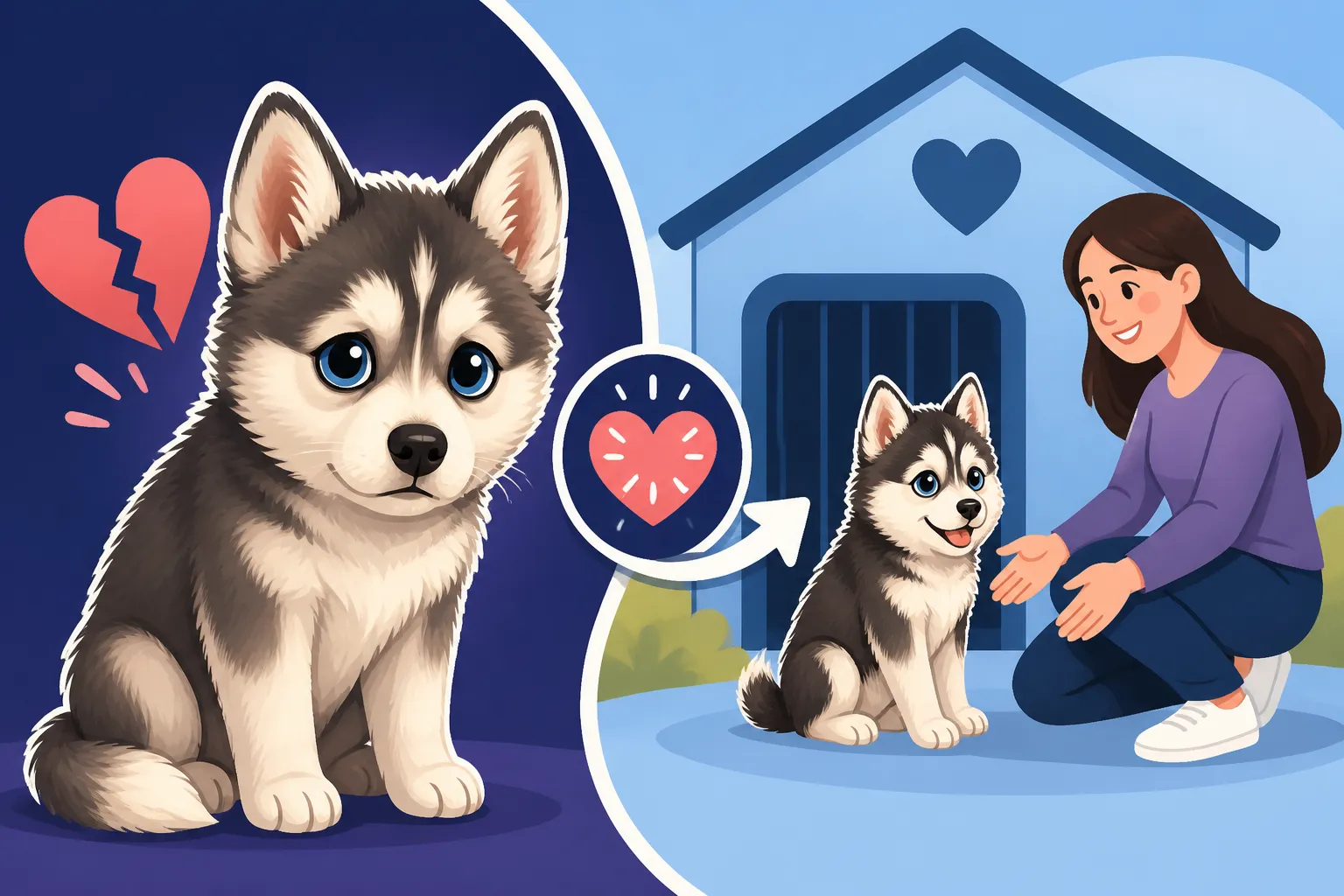
Why Pomskies Reach Rescue Before Three
It’s heartbreaking to see a young dog end up in a rescue, and for Pomskies, it’s a reality that hits far too often before they even turn three years old. Many families fall in love with the idea of a Pomsky—that perfect miniature Husky look—but quickly find themselves overwhelmed by the actual dog. This guide delves into the most common, and often misunderstood, reasons why these beautiful pups frequently find themselves without a permanent home so early in their lives, helping prospective owners understand the true commitment involved.
Unrealistic Expectations About Size and Temperament
One of the biggest culprits behind young Pomskies ending up in rescue is a significant mismatch between what people expect and what they actually get. The internet is rife with images of tiny, fluffy, miniature Huskies, and it's easy to fall in love with that aesthetic without fully understanding the genetics at play. Many assume their Pomsky will stay small, docile, and perfectly mirror a Husky's appearance but in a compact package.
The Myth of the "Miniature Husky"
Let's be real, the dream of a pocket-sized Husky is incredibly alluring. People often visualize a dog that's around 10-15 pounds, with striking blue eyes and a classic Husky mask. What they often discover, however, is that Pomskies can vary wildly in size, even within the same litter. While some may indeed stay smaller, many grow to be considerably larger, sometimes reaching 25-35 pounds, or even more. This isn't a failure on the dog's part; it's just the inherent variability of a relatively new hybrid breed. When a family commits to a "toy" Pomsky only to find themselves with a medium-sized dog, it can lead to frustration, especially if their living situation or previous dog experience was geared towards a much smaller animal. You can read more about What a Pomsky Actually Weighs to get a clearer picture.
This size discrepancy isn't just about aesthetics; it impacts everything from food costs to apartment living. A 30-pound dog needs more space, more food, and can be a lot more dog to handle than a 15-pound one. The sheer surprise of this can be enough for some owners to realize they've bitten off more than they can chew, leading them to seek rehoming options rather than adjusting their lifestyle.
Temperament: More Than Just a Cute Face
Beyond size, temperament is another huge area where expectations often clash with reality. Pomskies inherit traits from both Siberian Huskies and Pomeranians, and the mix is far from predictable. Many owners are enchanted by the perceived cuteness but underestimate the strong, sometimes challenging, personalities these dogs can develop. You might get a dog with the Pomeranian's sass and suspicion of strangers, combined with the Husky's infamous independence and drive.
For instance, the Husky side brings a high prey drive and an instinct to run. This means your adorable Pomsky might not be a good fit for a home with small pets like cats, hamsters, or even very small dogs, unless meticulously trained and socialized from a very young age. This can be a devastating realization for families who already have these kinds of pets. Furthermore, the independence of a Husky often translates into a Pomsky being highly intelligent but also incredibly stubborn. This isn't a dog that lives to please; they need consistent, engaging training that makes them want to cooperate. Owners expecting an easily trainable, eager-to-please companion might quickly become disheartened when their Pomsky decides that listening is optional, especially when there's something more interesting to chase or explore. This stubborn streak is often discussed when considering Whether a Pomsky Is Stubborn or Independent.
The Overwhelm of Training and Behavioral Needs
Pomskies are intelligent, energetic dogs, but their cleverness often comes with a strong will and a need for consistent mental and physical stimulation. Many new owners, especially those new to double-coated Spitz breeds, are simply not prepared for the level of commitment required to train and manage these lively personalities.
The Escape Artist and the Howler
Both Huskies and Pomeranians have traits that, when combined, can create a dog with a knack for mischief and a propensity for noise. Huskies are notorious escape artists, known for their ability to jump fences, dig under them, and even open gates. When you put that drive into a smaller, more agile body, you often get The Pomsky Escape Artist in a Twenty Pound Body. Owners might find their once secure yard is no match for their determined Pomsky, leading to constant worry about them getting lost or hurt. An invisible fence is rarely enough to contain a true Pomsky escape artist, as the drive to explore often outweighs the deterrent.
Then there's the noise. While some Pomskies are relatively quiet, many inherit the Husky "talkativeness" and the Pomeranian's tendency to bark. This isn't just a cute howl; it can be a full-blown symphony of barks, howls, whines, and "woo-woos." The Husky Howl in a Pomsky can be endearing to some, but for others, especially those living in apartments or close-knit neighborhoods, it quickly becomes a major source of stress and neighbor complaints. Teaching a Pomsky a "quiet" cue takes immense patience and consistency, and many owners simply don't have the time or expertise to manage such a vocal dog.
High Energy and Destructive Tendencies
Pomskies are not couch potatoes. They need a significant amount of exercise every single day to be happy and well-behaved. We're talking about more than a quick stroll around the block. They thrive on long walks, runs, hikes, and engaging play sessions. If their energy isn't channeled appropriately, it often manifests as destructive behavior indoors. Chewed furniture, torn-up carpets, and ransacked trash cans are common complaints from owners whose Pomskies aren't getting enough physical and mental stimulation. What a Pomsky Destroys as a Puppy can be a preview of what's to come if exercise needs aren't met.
Mental stimulation is just as crucial. These smart dogs get bored easily and need puzzle toys, training sessions, and new experiences to keep their minds engaged. A bored Pomsky is often a mischievous Pomsky. Owners who envisioned a calm lapdog are often unprepared for the daily marathon needed to keep their dog from literally tearing the house down. This lack of understanding about The Exercise a Pomsky Needs Every Day is a significant factor in rehoming.
Unexpected Costs and Lifestyle Changes
Beyond the day-to-day management, the financial and logistical demands of owning a Pomsky can quickly become overwhelming for unprepared families, leading to rehoming within the first few years.
The Real Cost of Ownership
Initial purchase prices for Pomskies can be quite high, leading some to believe that the hard part is over once they bring their puppy home. However, the ongoing costs of a Pomsky can be substantial. Their dense double coats, for example, require regular grooming, especially during their twice-yearly "blowouts." The Grooming Bill on a Double Coated Pomsky can easily add up, whether you're taking them to a professional or investing in high-quality tools for home grooming. Grooming isn't just about aesthetics; it's crucial for their skin health and comfort.
Then there are vet bills. While Pomskies are generally healthy dogs, they are still susceptible to conditions inherited from their parent breeds, such as Slipping Kneecaps in a Pomsky or certain eye conditions. Routine check-ups, vaccinations, and potential emergency care can be expensive. Many owners realize too late the value of pet insurance from providers like Healthy Paws, which can help offset these unforeseen costs. Without such a safety net, a sudden medical expense can force families to make difficult decisions.
A table outlining some common unexpected costs:
| Category | Common Unexpected Costs | Impact on Owners |
|---|---|---|
| Grooming | Professional deshedding treatments, specialized brushes, high-velocity dryer for home use, frequent bathing during blowouts. | Can easily run hundreds of dollars annually for professional services. Home grooming requires significant time and upfront investment in equipment. Without it, mats and skin issues can arise, leading to costly vet visits. |
| Vet Care | Emergency visits for injuries from escaping, treatment for hereditary conditions (e.g., luxating patellas), ongoing medication. | Pet insurance (like from Healthy Paws) is highly recommended but not always purchased. Without it, a single surgery or chronic condition can result in thousands of dollars in bills, creating financial strain that leads to rehoming. |
| Training | Professional obedience classes, behaviorists for specific issues (e.g., excessive barking, separation anxiety). | Pomskies benefit immensely from professional guidance due to their intelligence and stubbornness. Costs for trainers can quickly add up, and without proper training, behavioral issues escalate, making the dog difficult to live with. |
| Containment | Six-foot fences with dig guards, secure crates, GPS trackers (e.g., Whistle GO Explore). | A standard fence often isn't enough for an escape-prone Pomsky. Upgrading fencing or dealing with repeated escapes and potential fines can be expensive. A lost dog is a huge source of anxiety. |
| Enrichment | Durable chew toys, puzzle feeders, dog walking services/daycare for high-energy dogs. | Chewy offers a wide variety of enrichment toys, but constant replacement of destroyed items adds up. Doggy daycare or hiring walkers to meet exercise needs can be a significant recurring expense, especially for busy families. |
| Food | Specialized diets for picky eaters or sensitive stomachs (e.g., fresh food services like Ollie). | While not always unexpected, some Pomskies are finicky or have dietary needs that require more expensive, high-quality foods. Owners on a tight budget might struggle to maintain these diets. |
Life Changes and Lack of Flexibility
Life happens, and sometimes circumstances change that make keeping a dog, especially one with significant needs like a Pomsky, impossible. Common life events like job loss, relocation to an apartment with breed restrictions or no yard, a new baby, or increased travel can all disrupt a Pomsky's routine and care.
Pomskies generally don't do well when left alone for long periods. They thrive on companionship and can develop separation anxiety if their needs aren't met. This is why How Many Hours a Pomsky Can Be Left is a crucial consideration for potential owners. A sudden change to a new work schedule that leaves the dog alone for 8-10 hours a day can quickly lead to destructive behavior or excessive barking, making them difficult to manage.
Moving from a house with a large, secure yard to an apartment can also be a deal-breaker. While it's possible for a Pomsky to Whether a Pomsky Suits an Apartment if their exercise and mental stimulation needs are rigorously met, many owners find this transition too challenging. The lack of easy outdoor access, combined with potential noise complaints from neighbors due to howling or barking, can force a rehoming decision. Families often underestimate the long-term commitment, often realizing only a year or two in that What Fourteen Years With a Pomsky Comes To is a much bigger undertaking than anticipated.
The Breeder's Role and Unpreparedness
While many wonderful, responsible breeders exist, the rapid rise in popularity of the Pomsky also unfortunately led to many "backyard breeders" or irresponsible operations prioritizing profit over proper breeding practices and buyer education. This can contribute directly to young Pomskies ending up in rescue.
Lack of Transparency and Education
A responsible breeder does more than just sell a puppy; they educate prospective owners about the breed's needs, potential challenges, and health considerations. They should be transparent about the parents' health clearances and temperaments, and honestly discuss the variability in size and personality that comes with a hybrid. Sadly, some breeders sugarcoat the realities, selling puppies based purely on their cuteness without adequately preparing families for the independent, high-energy, and vocal dog they might actually get.
When breeders don't properly screen potential buyers or are dishonest about what to expect, the puppy is set up for failure from day one. A buyer expecting a mellow, easy-to-train lapdog will quickly become overwhelmed by a spirited, stubborn Pomsky that has inherited a strong Recall on a Pomsky Bred From a Dog That Runs but little desire to listen. This lack of upfront, realistic information from the source often leaves new owners feeling blindsided and ill-equipped to handle their new companion. It ties directly into why many Why Pomskies Are Surrendered in the first place.
The Unpredictability of Hybrid Vigor
While some advocate for hybrid vigor making Pomskies healthier, it also means greater unpredictability in traits. An F1 Pomsky, for example, can exhibit a very wide range of traits from either parent, making it difficult to predict their adult size, coat type, or personality. Whether an F1 Pomsky varies so much is a crucial point many breeders don't fully explain. Buyers might see an adorable fluffy puppy and have no idea if it will grow into a 15-pound dog with a Pomeranian's sass or a 35-pound dog with a Husky's energy and vocalizations.
This unpredictability means that even with the best intentions, some owners might end up with a dog whose specific mix of traits simply doesn't fit their lifestyle, even if they were prepared for some variability. It's a gamble that sometimes pays off wonderfully, but other times results in a dog that's just too much for the family. The best breeders will explain this thoroughly and guide buyers toward the best fit, but not all do, contributing to the rescue statistics.
Disclaimer
This article is for general informational purposes only and does not constitute professional advice. Laws, prices and regulations vary by location and change over time. Consult a qualified professional for guidance on your specific situation.