Whether a Pomsky Bites the Groomer
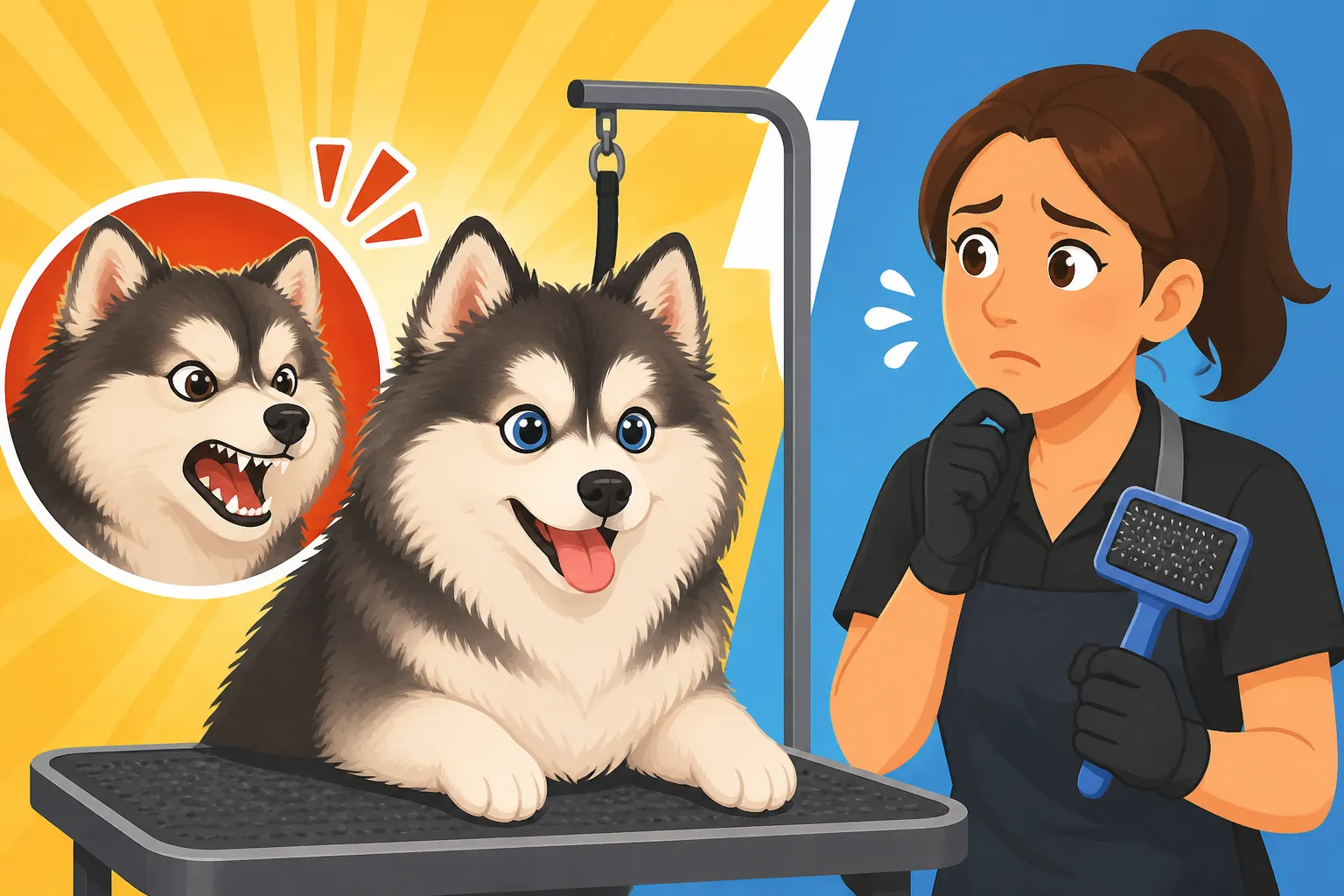
One of the biggest anxieties many Pomsky owners face is the thought of their beloved, fluffy companion causing trouble at the groomer, particularly if that trouble involves snapping or biting. It’s a completely valid fear – nobody wants their dog to be labeled aggressive, and certainly no one wants their groomer to get hurt. This guide is here to shed light on why a Pomsky might bite during grooming, how you can prepare them for a more positive experience, and what steps to take if aggression is already an issue.
Understanding Why a Pomsky Might Bite the Groomer
It’s easy to feel embarrassed or frustrated when your Pomsky acts out, but it’s crucial to remember that biting is almost always a fear-based or pain-based response, especially in a grooming setting. Your Pomsky isn't being "naughty" intentionally; they're reacting to perceived threats or discomfort.
Instinctual Tendencies and Breed Traits
Pomskies are a mix of Siberian Husky and Pomeranian, and both breeds bring their own unique quirks and instincts to the table. These traits can manifest in ways that make grooming challenging:
- Husky Independence and Sensitivity: Huskies are known for their strong will and independent nature. They often tolerate handling on their own terms. If they feel confined, restrained, or uncomfortable, they can react. Many also have a lower pain tolerance or are simply more sensitive to touch than other breeds. Being held down or having sensitive areas brushed roughly can trigger a fight-or-flight response, which, for a dog, can mean snapping. This isn't aggression for the sake of it, but rather a desperate plea to be released from discomfort.
- Pomeranian Alertness and Suspicion: Pomeranians, despite their small size, are often very alert and can be suspicious of strangers or new situations. They can be prone to "small dog syndrome" if not properly socialized, meaning they might feel the need to defend themselves more assertively. When a groomer, a stranger, starts touching them all over with strange tools, this inherent wariness can escalate to fear, leading to defensive nipping or biting. They might feel vulnerable on a high grooming table, making them more likely to lash out.
- Prey Drive: While not directly related to biting the groomer, the strong prey drive inherited from the Husky side means that fast-moving tools like clippers or even the sound of a force dryer can sometimes trigger an overstimulated response, even if it's not truly an attack. They might "mouth" or lunge at the tools themselves.
Negative Experiences or Lack of Socialization
Just like people, dogs remember bad experiences. If your Pomsky had a painful nail trim as a puppy, a groomer who wasn't gentle, or even just experienced excessive anxiety during their first few sessions, those memories can linger. Every subsequent grooming appointment becomes a terrifying repeat performance.
- Insufficient Puppy Socialization: The critical socialization window for puppies is between 3 and 16 weeks. If a Pomsky puppy wasn't exposed to a variety of sounds, smells, people, and gentle handling during this time, they might grow up to be fearful of new situations, including the groomer's. This includes being touched all over, having their paws handled, their ears cleaned, and being around strange noises. Without this foundational exposure, the grooming table becomes a very scary place.
- Past Trauma: Maybe your Pomsky was matted badly once, and the dematting process was painful. Or perhaps they had a previous groomer who was impatient or forceful. Dogs don't forget easily. These negative associations build up, making them anticipate pain or discomfort, and thus, more likely to react defensively to protect themselves.
Pain or Discomfort
Sometimes, what looks like aggression is actually your Pomsky communicating that they are in pain. This is especially true for senior dogs or those with underlying health conditions.
- Matted Fur: Pomskies have a dense double coat that can mat easily, especially behind the ears, in the armpits, and around the tail. Brushing out severe mats is incredibly painful, pulling on the skin. A groomer might be trying to carefully work out a mat, but the dog perceives it as torture and reacts. This is a common reason for biting during grooming.
- Underlying Health Issues: Conditions like Slipping Kneecaps in a Pomsky (patellar luxation), hip dysplasia, arthritis (especially in older dogs), dental pain (from Dental Crowding in a Pomsky's Small Mouth), or even ear infections can make a dog extremely sensitive to touch in certain areas. If a groomer inadvertently touches a painful spot, the dog's instinct is to snap to make the pain stop. Always rule out medical issues with your vet if your Pomsky suddenly becomes fearful or aggressive during grooming.
- Skin Sensitivities: Pomskies can be prone to skin issues like hot spots under their dense undercoat or even conditions like Zinc Responsive Dermatosis in a Pomsky. These can make their skin itchy, inflamed, and painful to the touch. A brush or comb can feel excruciating on an already irritated patch of skin, leading to a quick, defensive bite.
Recognizing the Signs of Stress Before a Bite
A Pomsky rarely bites without warning. Dogs communicate through a complex language of body signals, and learning to read these can help you intervene before things escalate. Groomers are generally trained to spot these, but as an owner, you should know them too.
Subtle Cues: The Early Warnings
These are often overlooked, but they're your Pomsky's first attempts to say "I'm uncomfortable."
- Lip Licking and Yawning: In a relaxed dog, yawning is for tiredness, and lip licking is after a tasty treat. In a stressful situation, however, these are displacement behaviors – ways for a dog to try and calm themselves or signal to others that they're stressed. If your Pomsky is yawning repeatedly or licking their lips in the grooming salon, it's a red flag.
- Turning Head Away/Avoiding Eye Contact: Your Pomsky might try to avoid the groomer's gaze or turn their head away from the brush or clippers. This is them saying, "Please don't come closer; I don't want this."
- Body Stiffening and Freezing: A subtle but important sign. If your Pomsky’s body suddenly goes rigid, or they freeze in place, they're likely feeling immense fear or anxiety. They're trying to make themselves small and invisible, hoping the perceived threat will pass. This stillness is often a precursor to a more forceful reaction if the stressor continues.
- "Whale Eye": This is when you can see the whites of your Pomsky's eyes, particularly on the inner or outer corners. It indicates stress, fear, or anxiety. Their eyes might also dart around frantically, scanning for an escape route.
Escalated Signals: Danger Zone
If the subtle cues are ignored, your Pomsky will escalate their communication. These are clear warnings that a bite is imminent.
- Growling: This is the ultimate warning shot. A growl is your Pomsky saying, "Stop what you're doing, or I will bite." It should never be punished, as it's vital communication that prevents actual biting. Instead, the situation needs to stop, and the stressor removed.
- Snapping (Air Biting): This is a quick lunge and snap without making contact, or barely touching. It's a very clear warning that the dog is serious about biting if boundaries are pushed further. They are showing you their teeth and demonstrating their ability to bite without actually causing harm, hoping you'll get the message.
- Crouching, Tucking Tail: These are classic signs of intense fear. A fearful Pomsky might try to make themselves as small as possible, with their tail tucked tightly between their legs, indicating they feel vulnerable and want to escape.
A Table of Pomsky Stress Signals
| Signal | Meaning | Action to Take (Owner/Groomer) |
|---|---|---|
| Lip Licking/Yawning | Mild stress, trying to self-soothe | Pause, reassure, change activity, offer a high-value treat. |
| Head Turn/Avoidance | Discomfort, "please stop" | Reduce intensity of grooming, approach from a different angle, gentle praise. |
| Stiff Body/Freezing | Moderate to high fear/anxiety | Stop immediately, observe for other signs, allow dog to shake off tension. |
| Whale Eye | Significant stress, fear, feeling threatened | Back off, give space, avoid direct eye contact, speak calmly. |
| Low Growl | Strong warning, "I will bite if this continues" | Immediately stop the current action. Identify and remove the stressor. Do not punish. |
| Snapping/Air Bite | Last warning, practicing a bite | Halt all grooming. Reassess if grooming can continue safely with more support or muzzle. |
| Tucked Tail/Crouch | Intense fear, submission, desire to escape | Stop, create a safe space, let the dog calm down without forcing interaction. |
Preparing Your Pomsky for a Positive Grooming Experience
The best defense against a biting Pomsky is a good offense – meaning proactive training and positive reinforcement from a young age.
Start Early with Positive Reinforcement
The moment you bring your Pomsky puppy home, you should begin desensitizing them to touch and grooming tools. This isn't about rushing to get their first professional groom, but about building positive associations.
- Gentle Handling Exercises: Regularly touch your puppy's paws, ears, tail, mouth, and belly. Pair each touch with a delicious treat and calm praise. Make it a game! For example, touch a paw, say "Paw!", give a treat. Gradually increase the duration of the touch. This teaches them that being handled is a good thing.
- Introduce Grooming Tools: Let your puppy sniff and investigate brushes, combs, and even the clippers (turned off at first, then on but at a distance). Pair these introductions with high-value treats. The goal is for them to see these tools not as scary objects, but as things that predict yummy rewards. An undercoat rake, essential for a Pomsky's double coat, should be introduced gently. The Undercoat Rake a Pomsky Owner Lives With can be a great resource for tools.
- Bathtime Fun: Make baths a positive experience. Use lukewarm water, gentle shampoo, and praise. Keep early baths short and sweet. The more comfortable they are with water and being wet, the less stressful professional baths will be.
At-Home Grooming and Cooperative Care
Regular grooming at home is not only essential for your Pomsky's coat health but also builds trust and acclimates them to the process.
- Daily Brushing: Establish a routine of daily or every-other-day brushing. This helps prevent mats and gets your Pomsky used to the feeling. Start with short sessions, especially around sensitive areas. If your Pomsky fights being brushed, break it down into tiny steps and use lots of treats. You can find excellent grooming tools, including deshedding brushes and combs, on platforms like Amazon.
- Nail Trims: Many dogs hate nail trims. Start by just touching their paws and clipping one nail, then praising and rewarding heavily. Gradually increase the number of nails you trim per session. If you struggle, consider a Dremel tool, which some dogs tolerate better. Teaching a Pomsky to Have Its Nails Done can provide more guidance.
- Ear and Teeth Checks: Get your Pomsky used to having their ears inspected and their teeth touched. This is vital for overall health and makes vet visits and professional grooming much easier.
- Online Training Resources: Consider online training programs that focus on cooperative care. Programs like those offered by BAXTER & Bella provide structured guidance on desensitizing puppies and adult dogs to handling and grooming tools, turning potentially stressful situations into positive experiences.
Desensitization to Noises and Sensations
Grooming salons are full of strange noises and sensations that can be overwhelming for a Pomsky.
- Force Dryer Acclimation: Pomskies have a dense double coat, and a Getting a Pomsky Used to a Force Dryer is often necessary for thorough drying after a bath. Start by turning the dryer on in another room, far away from your dog, and giving treats. Slowly decrease the distance and increase the intensity, always associating it with positive rewards. Never point the dryer directly at their face or sensitive areas initially.
- Clipper Sounds: Use the same method for clippers. Turn them on nearby, reward, and gradually move closer. Let them feel the vibrations on a less sensitive part of their body, like their back, before moving to paws or face.
- Car Rides: If your groomer is not local, make sure your Pomsky is comfortable with car rides. Associate the car with positive things like fun walks, not just scary vet or groomer visits.
Working with a Professional Groomer
Even with excellent at-home preparation, a professional groomer brings different tools and expertise. Choosing the right groomer and maintaining clear communication is paramount.
Choosing the Right Groomer
Not all groomers are created equal, especially when it comes to anxious or potentially reactive dogs.
- Experience with Double-Coated Breeds: Look for a groomer who has extensive experience with breeds like Huskies and Pomeranians, and specifically with Pomskies. They understand the intricacies of the double coat, including when and how to properly deshed without damaging the guard hairs. They'll also be aware of common sensitivities.
- Positive Reinforcement Techniques: Find a groomer who uses fear-free, positive reinforcement methods. They should prioritize your dog's comfort over speed or perfection. Ask about their approach to anxious dogs – do they use treats, take breaks, or offer shorter "desensitization" sessions?
- Facility Visit: Before booking, ask to visit the salon. Observe how the groomers interact with the dogs. Is it calm? Are the dogs stressed? A clean, well-managed salon often indicates a professional and caring environment.
- One-on-One Grooming: Some smaller, independent groomers offer one-on-one sessions, which can be less stressful than busy, high-volume corporate salons. This provides a calmer environment and dedicated attention for an anxious Pomsky.
Communicating with Your Groomer
Open and honest communication is key to a successful grooming relationship.
- Be Upfront About Concerns: Don't hide your Pomsky's tendencies. Tell the groomer before the appointment if your dog is fearful, has snapped before, or has any sensitive areas. This allows them to prepare and take extra precautions. They might suggest a "meet and greet" first, or a very short initial session.
- Discuss Preferences and Boundaries: Talk about your expectations. Do you want them to stop if your dog shows stress? Are you comfortable with a muzzle if necessary? A good groomer will appreciate your honesty and work with you to create the best plan for your Pomsky. Whether a Pomsky Should Be Muzzled to Be Brushed is a conversation worth having with your groomer.
- Short, Frequent Sessions: For particularly anxious Pomskies, consider scheduling shorter, more frequent "mini-grooms" rather than long, overwhelming full sessions. This could be just a bath and a quick brush, or a nail trim on its own. The goal is to build positive associations over time.
- Muzzle Training: If your Pomsky has a history of biting or severe fear, proactively muzzle training them at home can be a lifesaver. Introduce a basket muzzle (which allows them to pant and take treats) gradually, making it a positive experience with high-value rewards. If a groomer needs to use a muzzle, it's safer and less stressful if your dog is already comfortable with it.
If a Bite Occurs or Persists
Even with the best preparation, a bite can happen. If it does, don't despair, but do take action.
- Assess the Situation: Immediately stop the grooming session. Assess if anyone is hurt. If so, seek medical attention. If your Pomsky is reactive, it’s important to give them space and allow them to calm down.
- Consult Your Veterinarian: If biting is new or sudden, a vet visit is essential to rule out any underlying pain or medical conditions. A dog in pain can become aggressive, and addressing the root cause is critical.
- Seek Professional Dog Training: For persistent aggression or severe fear, enlist the help of a certified professional dog trainer or a veterinary behaviorist. They can help you identify triggers, implement behavior modification techniques, and create a comprehensive plan to manage your Pomsky's anxiety and reactivity. Look for trainers who use positive reinforcement and force-free methods. They might also advise on anti-anxiety medication if the fear is severe.
- Consider Sedation (Vet-Prescribed): In extreme cases, where fear is overwhelming and all other methods have failed, your veterinarian may prescribe a mild sedative to help your Pomsky cope with grooming sessions. This should only be done under veterinary guidance and after exploring all other options.
Remember, patience and consistency are your best friends. Your Pomsky isn't trying to be difficult; they're trying to communicate. By understanding their needs and preparing them properly, you can help them have a much more positive and safer grooming experience. Whether a Pomsky Needs Professional Grooming at All is a question many ask, and for most Pomskies, regular professional grooming is an important part of their care regimen, making these preparations even more critical.
Disclaimer
This article is for general informational purposes only and does not constitute professional advice. Laws, prices and regulations vary by location and change over time. Consult a qualified professional for guidance on your specific situation.