Whether a Pomsky Reacts to Its Food
Pomsky food reactions and differences between allergies and intolerances explain how to manage canine digestive issues safely.

Pomsky food reactions and differences between allergies and intolerances explain how to manage canine digestive issues safely.

Pomsky paw licking stems from allergies, contact dermatitis, injuries, or pain, requiring careful checks to stop the irritation.
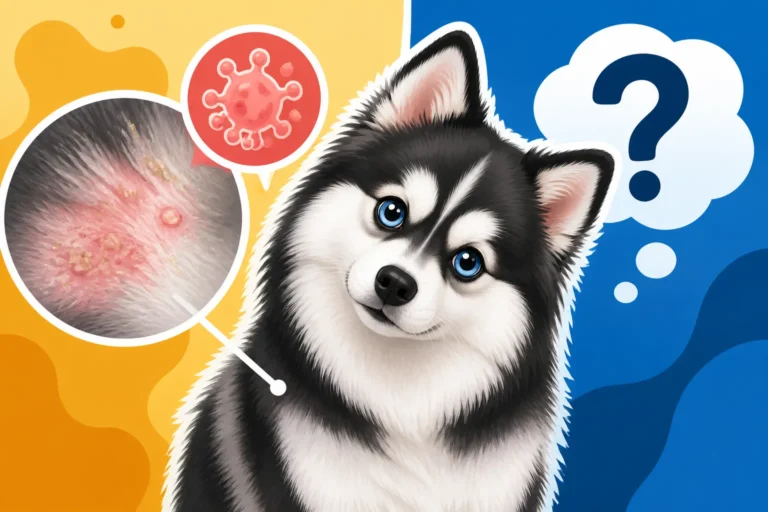
Canine yeast dermatitis involves Malassezia pachydermatis overgrowth, causing coat odor, greasy skin, and scratching in Pomskies.
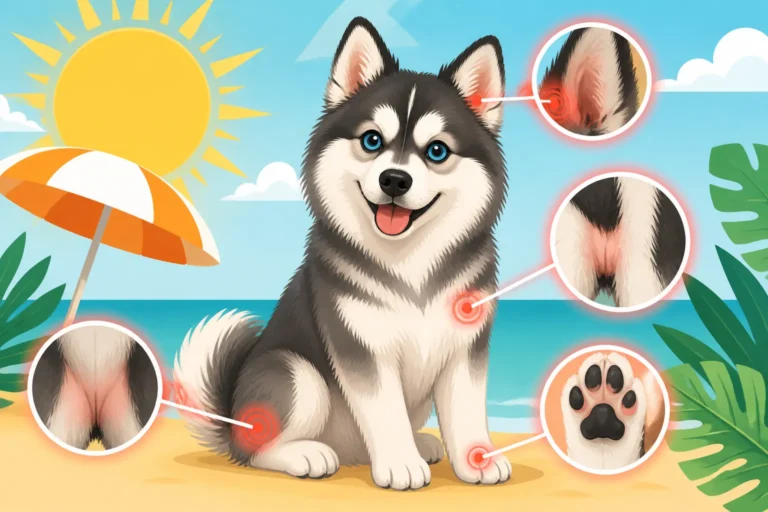
A thick undercoat traps heat and moisture against the skin in humid summers, letting bacteria multiply into red, moist, itchy lesions on a double-coated dog.

Pomsky eye crusting stems from excessive tearing, allergies, environmental irritants, or bacterial and fungal skin infections.

Zinc-responsive dermatosis in dogs involves genetic malabsorption or dietary factors causing crusty skin lesions and lethargy.

Pomsky zinc supplement needs, immune health, and genetic risks of Zinc Responsive Dermatosis inherited from Siberian Husky ancestors.

Pomsky zinc-responsive dermatosis and metabolic absorption explain whether dietary food changes alone resolve canine skin issues.
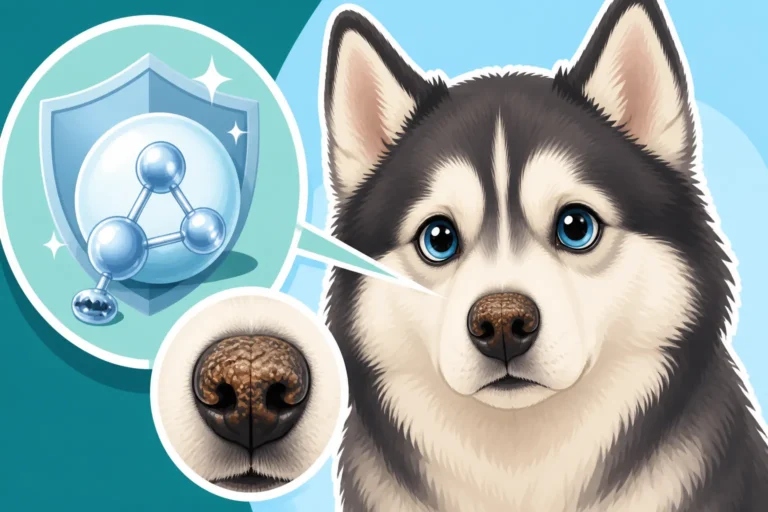
Zinc-responsive dermatosis causes painful crusty noses and skin lesions on Pomskies due to poor zinc absorption in the gut.

Pomsky nose depigmentation can result from seasonal snow nose, vitiligo, or autoimmune diseases affecting melanin production.