Where the Pomsky Ranks Among Designer Crosses
The world of "designer dogs" can feel like a labyrinth, full of charming names and even more charming faces. When you stumble upon a Pomsky, those piercing blue eyes and fluffy coats instantly capture your heart, leading many to wonder exactly where this delightful mix stands in the grand scheme of hybrid breeds. You've seen the internet photos, you've heard the buzz, but understanding the Pomsky's true place among other designer crosses means delving into their unique journey, their challenges, and their undeniable appeal. This guide will help you understand the realities of the Pomsky's standing, from its viral beginnings to its present-day reputation.
The Designer Dog Phenomenon and the Pomsky's Genesis
Before the Pomsky, there were already popular hybrid dogs like the Labradoodle and Goldendoodle, intentionally bred for specific traits, often with a focus on hypoallergenic coats or specific temperaments. The concept of the "designer dog" gained traction as people sought breeds that combined the best qualities of two purebred parents, or simply for their unique, often adorable, appearance. The Pomsky emerged right into this trend, but with its own distinct origin story.
The Internet's Influence on Hybrid Popularity
It’s hard to overstate how much the internet fueled the initial surge in Pomsky interest. Social media platforms became fertile ground for sharing captivating images of these pint-sized Huskies, creating an immediate and widespread demand. People fell in love with the idea of a miniature Husky they could cuddle, unaware of the complexities involved in creating such a dog. This viral appeal meant the Pomsky bypassed the slow, organic growth of many other designer breeds, catapulting directly into the spotlight. The sheer cuteness was irresistible, and soon, everyone wanted one.
From Viral Photos to Real Breeding Programs
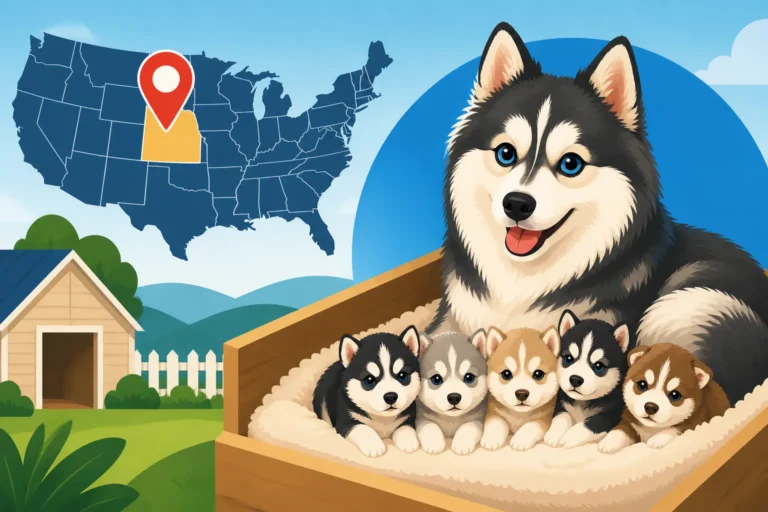
The fascinating part about the Pomsky is that its public demand largely preceded its actual existence. Many of the initial viral images that sparked interest in the "Pomsky" were, in fact, not Pomskies at all, but rather images of The 2011 Photos That Were Not Pomskies such as Finnish Lapphunds or similar Spitz breeds. It was only after this immense online demand materialized that dedicated breeders began the intricate process of intentionally crossing Siberian Huskies and Pomeranians. This involved careful planning and artificial insemination due to the significant size difference between the parent breeds. The 2012 Litter That Made the Pomsky Real marked a pivotal moment, shifting the Pomsky from a hypothetical dream to a living reality, and thus, its journey as a designer cross truly began.
Metrics for "Ranking" Designer Dogs: Where the Pomsky Stands
When people ask where a designer dog "ranks," they're often thinking about more than just popularity. They're considering predictability, health, ethical breeding, and even a degree of formal recognition. These factors are crucial in evaluating any hybrid breed, and they shed light on the Pomsky's unique position.
Predictability in Size, Temperament, and Coat
One of the hallmarks of a well-established designer breed is a reasonable level of predictability. Buyers want to know what they're getting in terms of adult size, temperament, and coat type. This is where the Pomsky can be a bit of a wildcard, especially in earlier generations like the F1. Because the genetic mix is still quite broad, an F1 Pomsky can sometimes lean heavily towards one parent or the other, leading to a wider range of outcomes. This means whether an F1 Pomsky is not the one breeders want is a valid concern for those seeking consistency. You might end up with a dog significantly larger than you anticipated – What a Pomsky Actually Weighs can range quite a bit – or with a very different coat type. This variability makes it harder to generalize about the "typical" Pomsky compared to, say, a Goldendoodle, where certain traits are more reliably passed down.
For example, two Pomsky puppies from the same litter might grow up to have vastly different energy levels, one mirroring the high drive of a Husky and the other the more contained energy of a Pomeranian. Their coats could also vary wildly, from a shorter, more Pomeranian-like fluff to a dense, shedding Husky double coat, which directly impacts grooming needs. This lack of initial predictability is one of the biggest factors that influences the Pomsky's ranking in the designer dog world.
Health Screening and Ethical Breeding Practices
The reputation of any designer breed is heavily influenced by the health and ethical practices of its breeders. For Pomskies, like many emerging breeds, ensuring robust health screening is paramount because they inherit The Two Opposite Disease Lists a Pomsky Inherits from both parent breeds. Responsible breeders are diligent about health testing the parent Huskies and Pomeranians for conditions common to their respective breeds, such as hip and elbow dysplasia, eye diseases, and patellar luxation.
Organizations like The International Pomsky Association and What It Sets play a vital role in setting standards and promoting responsible breeding. However, as with any popular cross, there are always less scrupulous breeders who prioritize profit over puppy welfare, sometimes leading to dogs with unforeseen health issues or temperament quirks. This variance in breeding practices means that the Pomsky's overall health profile can be inconsistent, which affects how it's perceived when ranked against hybrids from more established and regulated breeding communities. Owners must be proactive, using resources from trusted retailers like Chewy to ensure they have the right supplements or specialized food if their Pomsky develops specific health needs.
Recognition and Standardization (or the lack thereof)
Unlike established purebreds recognized by major kennel clubs like the AKC, designer dogs generally lack formal recognition. This isn't necessarily a negative, but it does mean there isn't a universally accepted "breed standard" for Pomskies. While organizations like the IPA work to create consistency, these are typically independent associations that don't hold the same weight as national kennel clubs.
This lack of universal standardization means that what one breeder considers an ideal Pomsky, another might not. It contributes to the wide variation seen in the breed, from appearance to temperament. For some owners, this uniqueness is part of the appeal – every Pomsky is truly an individual. For others, particularly those seeking specific traits, it can be a source of frustration. Most designer crosses fall into this category, but some, like the Labradoodle, have seen more consistent efforts towards eventual recognition, which can sometimes elevate their "rank" in public perception.
The Pomsky's Unique Niche: Strengths and Common Misconceptions
Despite the variability and lack of formal recognition, the Pomsky has carved out a significant niche. Their unique combination of traits means they excel in certain areas but also come with realities that new owners might not anticipate.
The Allure of the "Mini Husky" Image
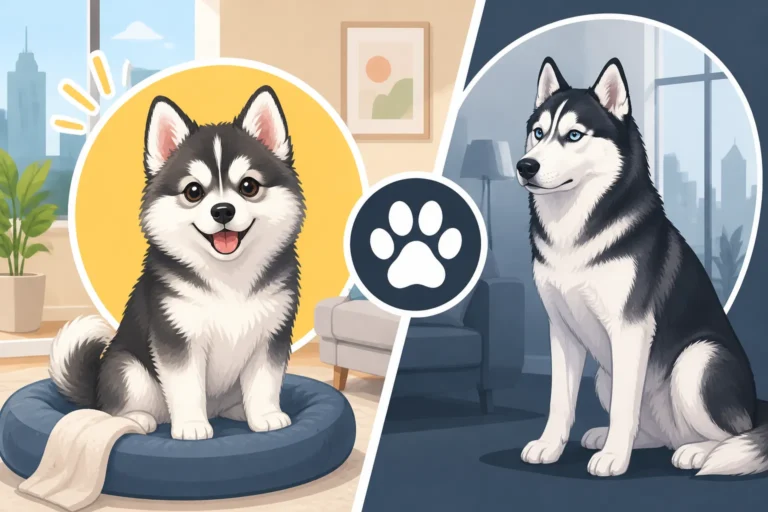
Let's be honest: the initial and primary appeal of the Pomsky stems from the idea of a miniature Siberian Husky. People are captivated by the Husky's striking looks, particularly the piercing blue eyes and wolf-like markings, but often desire these features in a more manageable, smaller package suitable for apartment living or less experienced owners. The Pomsky the Internet Ordered Before It Existed was precisely that – a smaller version of a beloved large breed.
However, the reality is often quite different. While some Pomskies do wonderfully mimic the Husky aesthetic, Whether Most Pomskies Look Like Big Pomeranians is a common question, and often, the answer is yes. Many lean more heavily towards their Pomeranian lineage, both in appearance and in certain aspects of their personality. This can lead to disappointment if expectations are solely based on that "mini Husky" image. Responsible breeders strive for a balance, but genetics are a fascinating, unpredictable dance. The joy of a Pomsky is appreciating the unique individual you get, rather than holding them to an impossible ideal.
Common Challenges and Owner Realities
Owning a Pomsky comes with its own set of challenges, some of which are often underestimated by first-time owners drawn in by cuteness alone. These are important considerations that shape the breed's rank in terms of owner satisfaction and long-term commitment.
- Grooming: Both parent breeds have dense double coats, meaning Pomskies are prodigious shedders. Get ready for The Grooming Bill on a Double Coated Pomsky if you opt for professional services, or invest heavily in brushes and a high-velocity dryer for at-home grooming. You’ll be a regular customer for brushes and de-shedding tools, easily found on sites like Chewy.
- Training and Temperament: The Pomsky inherits traits from two intelligent but often independent breeds. Huskies are known for their strong will and wandering tendencies, leading to challenges with Recall on a Pomsky Bred From a Dog That Runs. Pomeranians, while smaller, can also be clever and a bit stubborn. This means Pomskies require consistent, positive reinforcement training and a dedicated owner. They're not always the easiest to train, which can be a surprise for those expecting a more biddable companion.
- Exercise Needs: Don't let their smaller size fool you; Pomskies have significant energy requirements, especially those who take after their Husky parent. Daily walks, playtime, and mental stimulation are crucial to prevent boredom and destructive behaviors.
- Escape Artists: Many Pomskies inherit the Husky's incredible talent for escape. A secure yard is not just a suggestion; it's a necessity. This drive to explore is one of the reasons Why Pomskies Reach Rescue at Two years old, as owners become overwhelmed.
- Cost: Beyond the initial purchase price, the lifetime cost of owning a Pomsky, including grooming, food, and potential vet bills (for example, if they get into something they shouldn't or need a specialized diet you find on Chewy), can be substantial.
These realities are What Nobody Warns a Pomsky Buyer About and are crucial for potential owners to understand. When considering the "rank" of a designer breed, the transparency about these challenges often speaks volumes about the maturity and ethical standards surrounding the breed's development.
Comparing the Pomsky to Established Designer Crosses
To truly understand where the Pomsky ranks, it's helpful to compare it to some other well-known designer crosses. This isn't about one being "better" than the other, but about highlighting the differences in their journeys, predictability, and overall public perception.
Apples to Oranges: Why Direct Comparison is Tricky
Comparing the Pomsky directly to breeds like the Goldendoodle or Labradoodle can feel like comparing apples to oranges. Goldendoodles, for instance, have been intentionally bred for decades, primarily as guide dogs or for their low-shedding coats suitable for allergy sufferers. This longer history has allowed for greater refinement, leading to more predictable outcomes in terms of size, temperament, and coat type. The breeding community for these more established crosses often has more widespread health testing protocols and a clearer understanding of genetic inheritance patterns. The Pomsky, in contrast, is a much newer phenomenon, still very much in its early stages of development.
Another interesting comparison point is The Pomsky Against the Alaskan Klee Kai. Many people initially mistook the viral Pomsky photos for Klee Kai, a purebred breed specifically developed to be a miniature Husky. The Klee Kai offers a more predictable package, but also comes with a higher price tag and specific traits that may or may not suit every family. Understanding these distinctions helps clarify the Pomsky's unique place as a still-evolving crossbreed.
The Pomsky Against Other Popular Hybrids
Let's look at a quick comparison to illustrate the differences in how some popular designer crosses are generally perceived and bred:
| Trait / Breed | Goldendoodle | Labradoodle | Cockapoo | Pomsky |
|---|---|---|---|---|
| Parent Breeds | Golden Retriever x Poodle | Labrador Retriever x Poodle | Cocker Spaniel x Poodle | Siberian Husky x Pomeranian |
| Primary Goal | Family companion, guide dog, low-shedding | Family companion, low-shedding, service dog | Companion, low-shedding | Miniature Husky appearance, companion |
| Coat Predictability | Fairly high (especially F1B, F2) | Fairly high (especially F1B, F2) | Moderate to high | Moderate (can vary wildly from Husky to Pom) |
| Size Predictability | Moderate (depends on Poodle size) | Moderate (depends on Poodle size) | High (predictably small to medium) | Moderate (can be unpredictable, 15-35 lbs is common) |
| Temperament | Generally friendly, eager to please, trainable | Friendly, outgoing, active, trainable | Affectionate, intelligent, energetic | Intelligent, independent, energetic, vocal, strong prey drive |
| Shedding Level | Low to moderate | Low to moderate | Low to moderate | High (especially during seasonal blowouts) |
| Grooming Needs | High (daily brushing, regular professional trim) | High (daily brushing, regular professional trim) | Moderate to high (regular brushing/trim) | High (daily brushing during shed, regular maintenance) |
| Formal Recognition | None (Hybrid Club registration) | None (Hybrid Club registration) | None (Hybrid Club registration) | None (IPA standards and registration) |
As you can see from the table, the Pomsky stands out with its high shedding, lower predictability in coat and size, and often more independent temperament compared to the "doodle" mixes. While doodles are often marketed for their perceived hypoallergenic qualities and eager-to-please nature, the Pomsky's allure is almost entirely visual, coupled with the charm of a smaller Husky personality.
This doesn't make the Pomsky "worse," but it positions it differently. Its ranking is perhaps less about established breed standards and more about its incredible niche appeal for those who understand and are prepared for its specific characteristics. For new owners, this means doing your homework, finding a reputable breeder, and knowing that your new companion will require dedication and an understanding of its unique needs. Whether you're stocking up on robust chew toys or a specific type of training treat, online retailers like Chewy are excellent resources for meeting the diverse needs of any designer cross.
Ultimately, the Pomsky ranks highly in the hearts of those who adore its unique blend of Husky charm and Pomeranian spunk. It's a breed that defies easy categorization and continues to evolve, captivating new owners with every fluffy, blue-eyed face.
Disclaimer
This article is for general informational purposes only and does not constitute professional advice. Laws, prices and regulations vary by location and change over time. Consult a qualified professional for guidance on your specific situation.