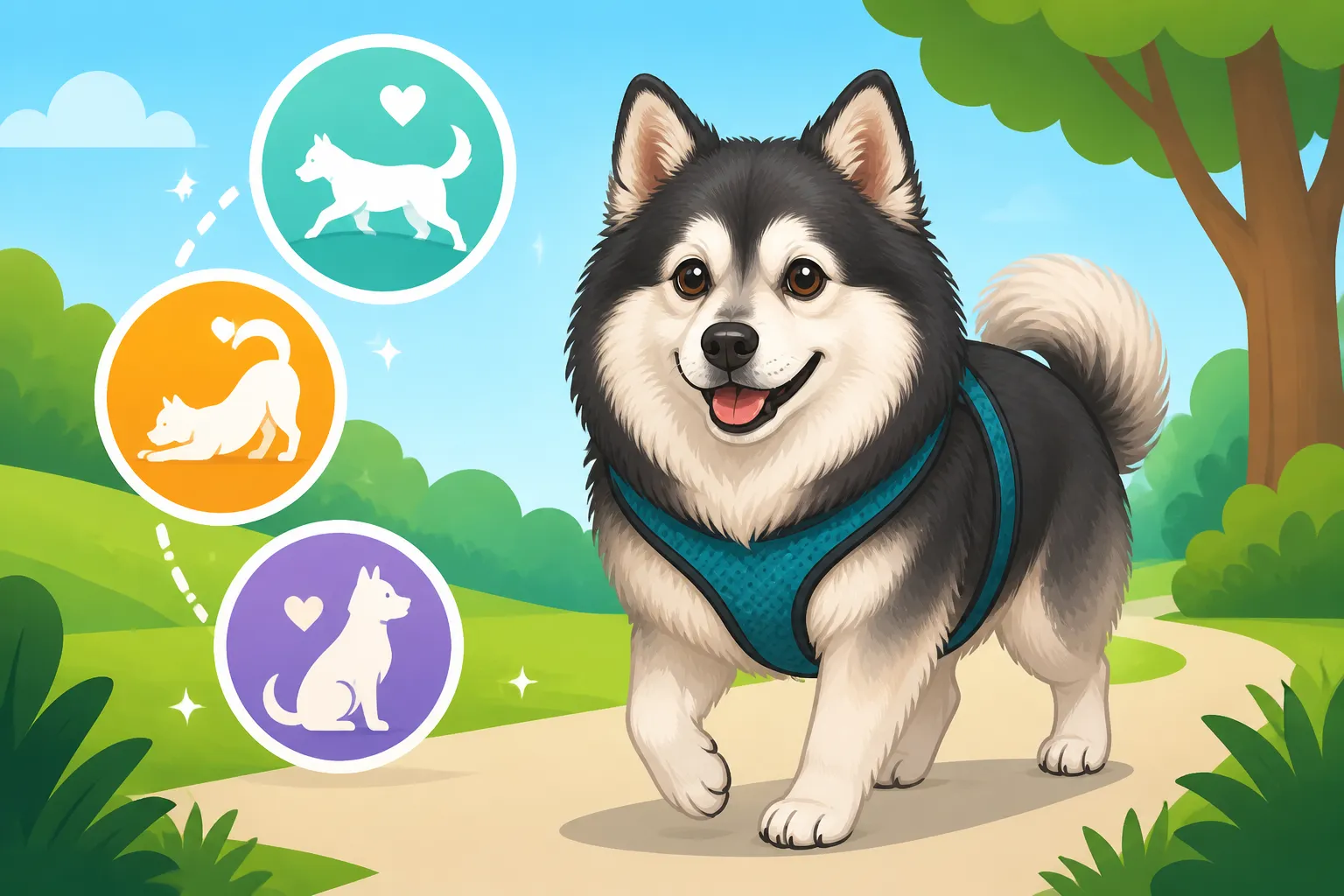
Exercise for an Old Pomsky
As our beloved Pomskies enter their golden years, it's heartbreaking to see them slow down, perhaps struggling with a once-effortless jump or lagging behind on a walk they used to adore. It’s a common frustration for many Pomsky parents to figure out how to keep their aging companions active and happy without causing pain or injury. This comprehensive guide is here to walk you through how to thoughtfully adapt exercise routines, provide essential support, and ensure your senior Pomsky enjoys a rich, fulfilling life, full of comfortable movement and joyful engagement.
Understanding Your Senior Pomsky's Changing Body
It’s easy to think of our dogs as forever young, full of boundless energy, especially a breed with the spirit of a Pomsky. But just like us, they experience a natural decline in physical capabilities as they age. Recognizing these changes early is key to adapting their care, particularly when it comes to exercise.
The Subtle Signs of Aging in Pomskies
Aging isn't a sudden event; it's a gradual process, and the signs can be quite subtle at first. You might notice your Pomsky, who once darted through the house with abandon, now takes a moment to gather themselves before standing up. Perhaps they sleep a little more deeply, or their once-eager response to the leash is now a bit more sedate. Look for less enthusiasm for activities they once loved, a slight stiffness after resting, or a decreased ability to keep up on longer walks. Even small behavioral shifts, like being less inclined to play with younger, more boisterous dogs, can be indicators. This period marks The Birthday a Pomsky Counts as Senior, usually around 7 or 8 years old for a Pomsky, depending on their individual health and size. It’s not about them becoming 'old' overnight, but about understanding that their physical resilience is shifting.
Another sign can be a change in their coat texture or even a slight dullness to their eyes, which might suggest internal changes impacting their overall vitality. They might start to lose some of that intense focus they once had, sometimes appearing a little more distracted on walks or less responsive to commands. These aren't necessarily signs of pain, but rather general indicators that their systems are slowing down and their needs are evolving. Paying close attention to these minor shifts allows us to pre-empt bigger issues and adjust their routine proactively, ensuring they remain comfortable and engaged.
Common Aches and Pains to Watch For
As a Pomsky ages, their joints, like ours, begin to show wear and tear. This is where conditions like Arthritis in a Pomsky at Ten can become a real concern, making even simple movements painful. Watch for limping, favoring a limb, difficulty climbing stairs or getting onto furniture, or a reluctance to jump. They might also exhibit a "bunny hop" gait when running, which can indicate discomfort in their hips or knees. Slipping Kneecaps in a Pomsky, or patellar luxation, is also something common in the Pomeranian lineage, which can worsen with age and cause significant pain and lameness. These are not things to ignore; they warrant a conversation with your veterinarian.
Beyond joint issues, older Pomskies can also develop muscular weakness, affecting their balance and coordination. You might see them stumble occasionally, or struggle on uneven terrain. Their spine can also become less flexible, making it harder to stretch or comfortably shift positions. Some senior dogs may also experience nerve degeneration, which can manifest as weakness in their hindquarters or an altered gait. Identifying these specific aches and pains is crucial because it directly influences the type of exercise they can safely undertake and what supportive measures, like pain management or physical therapy, might be necessary.
Why a Pomsky's Exercise Needs Shift with Age
The energy of a young Pomsky is legendary—they're often mini-Huskies in spirit, demanding plenty of activity. But as they age, their bodies simply can't handle the same intensity or duration. Their cardiovascular system might not be as efficient, their muscles lose mass and strength, and their joints become more fragile. What was once a joyous, hour-long hike could now lead to a day of stiffness and discomfort. The goal of exercise for an old Pomsky shifts from building endurance to maintaining mobility, flexibility, and muscle tone, all while prioritizing comfort and preventing injury.
Furthermore, an older Pomsky's metabolism often slows down, making weight management even more critical. Carrying extra pounds puts immense strain on already compromised joints. Therefore, careful consideration of both the quantity and quality of their food, in conjunction with their adjusted exercise regimen, becomes paramount. Their ability to regulate body temperature might also diminish, making them more susceptible to overheating in summer or feeling the cold in winter, which impacts when and where they can safely exercise. It’s all about finding that delicate balance to support their changing physiological needs.
Tailoring Their Daily Activity Levels
Adapting your Pomsky's exercise routine for their senior years doesn't mean stopping activity altogether. It means getting smarter and more intentional about how they move, ensuring every session contributes positively to their well-being.
The Art of Shorter, More Frequent Outings
Instead of one long walk, consider breaking it into two or three shorter, more manageable outings throughout the day. A brisk 15-20 minute stroll in the morning, another around lunchtime, and a final potter before bed can be far more beneficial than pushing for a single lengthy excursion. This approach allows their joints to warm up, prevents prolonged periods of stiffness, and keeps their muscles engaged without overtaxing them. Think of it like a gentle stretching routine for their whole body. These frequent bursts of activity can also help with bladder and bowel control, which can sometimes become an issue in older dogs.
These shorter walks should also be about quality over quantity. Let them sniff and explore. Scent work is incredibly stimulating for dogs of any age and doesn't put stress on their physical body. It’s like a mental puzzle they get to solve with their nose. Exploring a new patch of grass or a different block can be just as enriching as covering miles, perhaps even more so for a dog whose physical stamina has waned. For those living in areas with unpredictable weather, using indoor spaces for short, playful excursions on non-slip surfaces can also be incredibly effective to maintain this frequent activity.
Embracing Low-Impact Movement: Gentle Walks and Swimming
Low-impact activities are the golden standard for senior Pomskies. Gentle walks on soft surfaces like grass, dirt trails, or sand are far kinder to their joints than pounding pavement. Avoid steep hills or uneven terrain that could lead to trips or falls. If you have access to a canine hydrotherapy center or a safe, warm, shallow pool, swimming can be an absolute game-changer. The buoyancy of the water takes the weight off their joints, allowing them to move freely and strengthen muscles without impact. It's often incredible to see an arthritic dog move with youthful vigor in the water.
When exploring swimming, always ensure it's a supervised and safe environment. Not all dogs are natural swimmers, even if they're eager. A well-fitting life vest, easily available on platforms like Amazon or Chewy, can provide extra buoyancy and give you something to hold onto for support. Start with short sessions and gradually increase duration as your Pomsky builds stamina. Ensure the water is warm enough, especially for older dogs, as cold water can cause muscles to stiffen. Even if full swimming isn't an option, wading in shallow water can offer some of the same benefits.
Keeping Their Minds Engaged with Play
Physical exercise is important, but mental stimulation is just as vital for a senior Pomsky's overall well-being. Puzzle toys that dispense treats, sniff mats, or even a simple game of "find it" using their favorite toy or a hidden treat can provide hours of mental engagement without requiring much physical exertion. These activities help keep their cognitive functions sharp and prevent boredom, which can sometimes manifest as anxiety or destructive behaviors.
Consider introducing new, gentle training exercises. Learning new tricks, even simple ones like "shake a paw" or targeting a hand, can build confidence and reinforce your bond. Short, positive training sessions using high-value treats are perfect. You might even find your old Pomsky has a renewed spark for learning! These types of activities are particularly valuable if physical limitations prevent vigorous outdoor exercise, ensuring your Pomsky remains a happy, well-adjusted companion.
Specialized Support and Comfort for Active Seniors
Just like a seasoned athlete needs specialized gear, an aging Pomsky benefits immensely from tools and strategies designed to support their comfort and mobility.
Choosing the Right Gear: Harnesses and Orthopedic Beds
A well-fitting harness is paramount for an older Pomsky. Instead of a collar that puts pressure on their trachea – a breed with Pomeranian lineage can be prone to The Collapsing Trachea a Pomsky Gets From the Pomeranian – a harness distributes pressure evenly across their chest and shoulders. This can prevent injury and make walks more comfortable. Look for harnesses with handles on the back, which can be invaluable for assisting your Pomsky up stairs, into the car, or just offering a little extra stability when they stumble. Whether a Pomsky should wear a harness is almost certainly a yes, especially as they get older.
Beyond walks, an orthopedic bed is no longer a luxury but a necessity. These beds are designed to support joints, alleviate pressure points, and provide maximum comfort, allowing your Pomsky to rest deeply without waking up stiff and sore. You can find a wide range of options on sites like Chewy or Amazon, from memory foam to gel-infused varieties. Positioning the bed in a warm, draft-free spot will further enhance their comfort. For dogs that struggle with slippery floors, consider placing non-slip mats or runners in high-traffic areas to prevent falls and build confidence. And don't forget steps or ramps for accessing furniture they still love, preventing painful jumps and unnecessary strain on their joints, especially if they have Exercise for a Pomsky With Bad Knees. Whether a Pomsky Should Use Steps to the Couch is definitely a topic worth considering.
Nutritional Strategies to Support Mobility
Proper nutrition plays a huge role in supporting an aging Pomsky's mobility and overall health. Many reputable dog food brands offer senior formulas specifically designed with lower calorie counts to prevent weight gain, higher fiber for digestive health, and added joint-supporting ingredients like glucosamine and chondroitin. Consult your vet to determine the best diet for your individual Pomsky, as their needs will change depending on their activity level and any underlying health conditions.
Consider incorporating fresh food options, which can sometimes be more palatable and easier to digest for older dogs. Brands like Ollie offer customized meal plans that can be beneficial. It's not just about what they eat, but how much. Obesity is a major contributor to joint pain and other health issues in senior dogs, so careful portion control is crucial. Feeding an Old Pomsky requires a delicate balance of providing sufficient nutrients while managing caloric intake to keep them at a healthy weight.
The Role of Supplements in Senior Joint Health
While a balanced diet is fundamental, supplements can provide an extra layer of support for your senior Pomsky's joints. Glucosamine and chondroitin are widely recognized for their role in cartilage health and reducing inflammation. Omega-3 fatty acids, often derived from fish oil, are powerful anti-inflammatories that can significantly improve joint comfort and even benefit skin and coat health.
Before adding any supplements to your Pomsky's regimen, always discuss it with your veterinarian. They can recommend appropriate dosages and ensure there are no interactions with existing medications or underlying health conditions. Joint Supplements Help a Pomsky is a common question, and while they aren't a cure-all, they can certainly improve comfort and quality of life for many aging dogs. You can find a vast selection of these supplements, often with various flavor options to make administration easier, on platforms like Chewy or your local pet supply store.
Recognizing Limits and Preventing Overexertion
Pushing an older Pomsky too hard can set back their progress and cause unnecessary pain. Learning to read their cues is crucial to ensuring their exercise remains a positive experience.
Reading Your Pomsky's Body Language
Our Pomskies can't tell us directly when they're tired or in pain, so it's up to us to become fluent in their body language. After exercise, watch for signs like excessive panting, lagging behind, a change in gait (more stiff or hesitant), or a reluctance to continue. If they sit down unexpectedly during a walk, it's a clear signal they need a break. Post-exercise, look for increased stiffness, favoring a leg, or even licking at a particular joint. They might also become withdrawn or unusually quiet if they're experiencing discomfort.
Subtler signs can include a less enthusiastic tail wag, ears held slightly back, or a softening of their gaze. A truly content Pomsky, even an old one, usually shows a relaxed posture and engaged eyes. If their eyes look dull or their body language seems guarded, it's a sign of potential discomfort. Never force an old Pomsky to continue an activity if they show any of these signs. Immediately reduce the intensity or stop the activity altogether and allow them to rest. This respect for their physical limitations is vital for maintaining their trust and preventing further injury.
When to Scale Back or Rest Completely
There will be days when your senior Pomsky just isn't feeling it, perhaps due to a flare-up of arthritis, a change in weather, or simply an off day. On these days, it's important to adjust your expectations and be willing to scale back their activity or offer complete rest. A short, slow potty break might be all they can manage, and that's perfectly okay. Sometimes, a few days of reduced activity can make a huge difference in their comfort levels.
Weather also plays a significant role. Older dogs can be more sensitive to extreme temperatures. In hot weather, especially with their dense double coats, they can overheat quickly. Restrict outdoor activities to the coolest parts of the day and ensure constant access to fresh water. Keeping an Old Pomsky Cool in Summer is crucial. Conversely, very cold, damp weather can exacerbate joint pain, so consider shorter, protected outings or indoor play on those days. If your Pomsky is visibly limping, refusing to put weight on a limb, or crying out in pain, immediate rest and a call to your vet are in order.
The Importance of Regular Veterinary Check-ups
Regular veterinary check-ups become even more important as your Pomsky ages. These visits allow your vet to monitor their overall health, assess joint function, check for new aches and pains, and adjust any medication or supplement regimens. Your vet might recommend regular blood work or even X-rays to get a clearer picture of their internal health and pinpoint sources of discomfort. This proactive approach can catch issues early, before they become debilitating, and allow for interventions that maintain their quality of life. The Screening a Pomsky Should Have Yearly typically includes a thorough physical exam and often blood tests to monitor organ function.
Don't hesitate to schedule an extra vet visit if you notice any significant changes in their mobility, behavior, or appetite, even if it's outside their routine check-up schedule. Your vet can also advise on canine physical therapy or rehabilitation exercises that can significantly benefit an older Pomsky. They can teach you stretches or gentle range-of-motion exercises that you can perform at home to help maintain flexibility. Investing in their ongoing veterinary care is the best way to ensure your senior Pomsky lives out their golden years in as much comfort and happiness as possible.
Here's a quick comparison of suitable activities for senior Pomskies:
| Suitable Low-Impact Activities | Activities to Approach with Caution |
|---|---|
| Gentle, shorter walks (multiple times) | Long, strenuous hikes or runs |
| Swimming (supervised, warm water) | High-impact jumping or agility |
| Scent games and puzzle toys | Rough play with young, energetic dogs |
| Slow-paced strolls on soft surfaces | Extended periods on slippery floors |
| Gentle stretching and massage | Forced exercise when showing fatigue |
Disclaimer
This article is for general informational purposes only and does not constitute professional advice. Laws, prices and regulations vary by location and change over time. Consult a qualified professional for guidance on your specific situation.