The Months a Pomsky Blows Its Coat
If you're a Pomsky parent, you know the magic of their fluffy, dense coat. But you also know the challenge: shedding. It’s not just shedding; it's often a full-blown "blowout" that can leave you wondering if you accidentally adopted a tumbleweed instead of a dog. This comprehensive guide will help you understand when your Pomsky blows its coat, why it happens, and what you can do to navigate the furry storms.
Understanding the Pomsky's Double Coat
Before we dive into the timing of the great fur explosion, it's crucial to understand what makes a Pomsky's coat so unique – and so prone to shedding. Pomskies inherit their magnificent fur from two incredibly plush-coated parent breeds: the Siberian Husky and the Pomeranian. Both are masters of insulation, and that's precisely where the shedding originates.
The Husky Influence
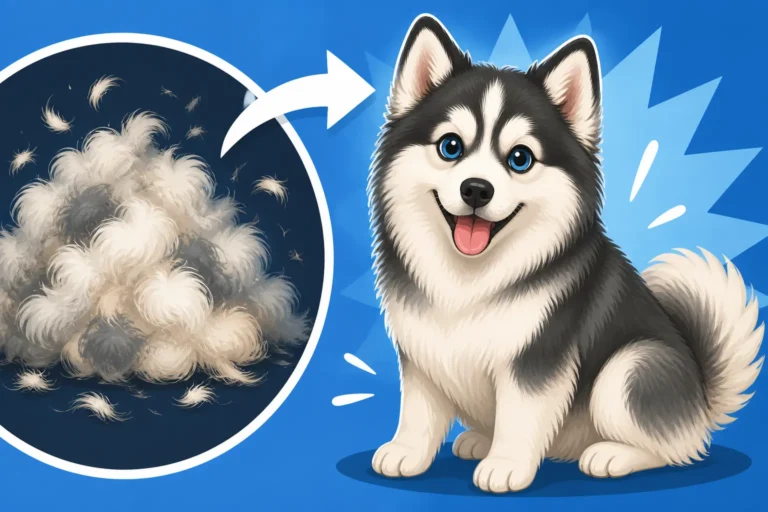
The Siberian Husky is renowned for its thick double coat, designed to withstand the harsh conditions of the Arctic tundra. This coat consists of two distinct layers: a soft, dense undercoat that provides insulation, and a longer, coarser outer coat (or guard hairs) that repels water and protects against snow and wind. This combination is highly effective at trapping warm air close to the body in winter and allowing for air circulation in summer once the undercoat is shed. When your Pomsky starts to "blow" its coat, much of that process is directly inherited from its Husky lineage, particularly the sheer volume of fur that needs to be replaced. You'll recognize that tell-tale fluffy cloud of undercoat coming off in handfuls.
The Pomeranian Contribution
While smaller, the Pomeranian also sports a luxurious double coat, known for its stand-off appearance. The Pomeranian's coat is often thicker and fluffier than the Husky's, especially in terms of its undercoat density. This contributes to the Pomsky's overall fluffy aesthetic but also amplifies the shedding potential. The Pomeranian genes ensure that even a smaller Pomsky can produce a surprising amount of fur, sometimes even making the shedding process feel more intense due to the finer, cloud-like nature of the Pomeranian undercoat. This mix means your Pomsky gets The Pomsky That Carries a Husky Coat at Twenty Pounds, but with some Pomeranian volume too.
How a Double Coat Functions
A double coat is essentially a natural climate control system for your dog. In colder months, the dense undercoat traps air, providing a layer of insulation to keep them warm. As temperatures rise, or as their body anticipates a change in season, this thick undercoat is no longer needed and is "shed" or "blown" out to make way for a lighter coat. This allows for better airflow against the skin, helping to keep the dog cool. However, this natural and essential process is what causes the infamous shedding seasons that Pomsky owners quickly become familiar with. It's a marvel of canine engineering, but a nightmare for your vacuum cleaner.
The Seasonal "Blowout" Phenomenon
The most dramatic shedding events for a Pomsky are their seasonal "blowouts." These aren't just a little extra hair; they are periods where your dog actively sheds massive amounts of their undercoat.
The Primary Shedding Seasons Spring and Fall
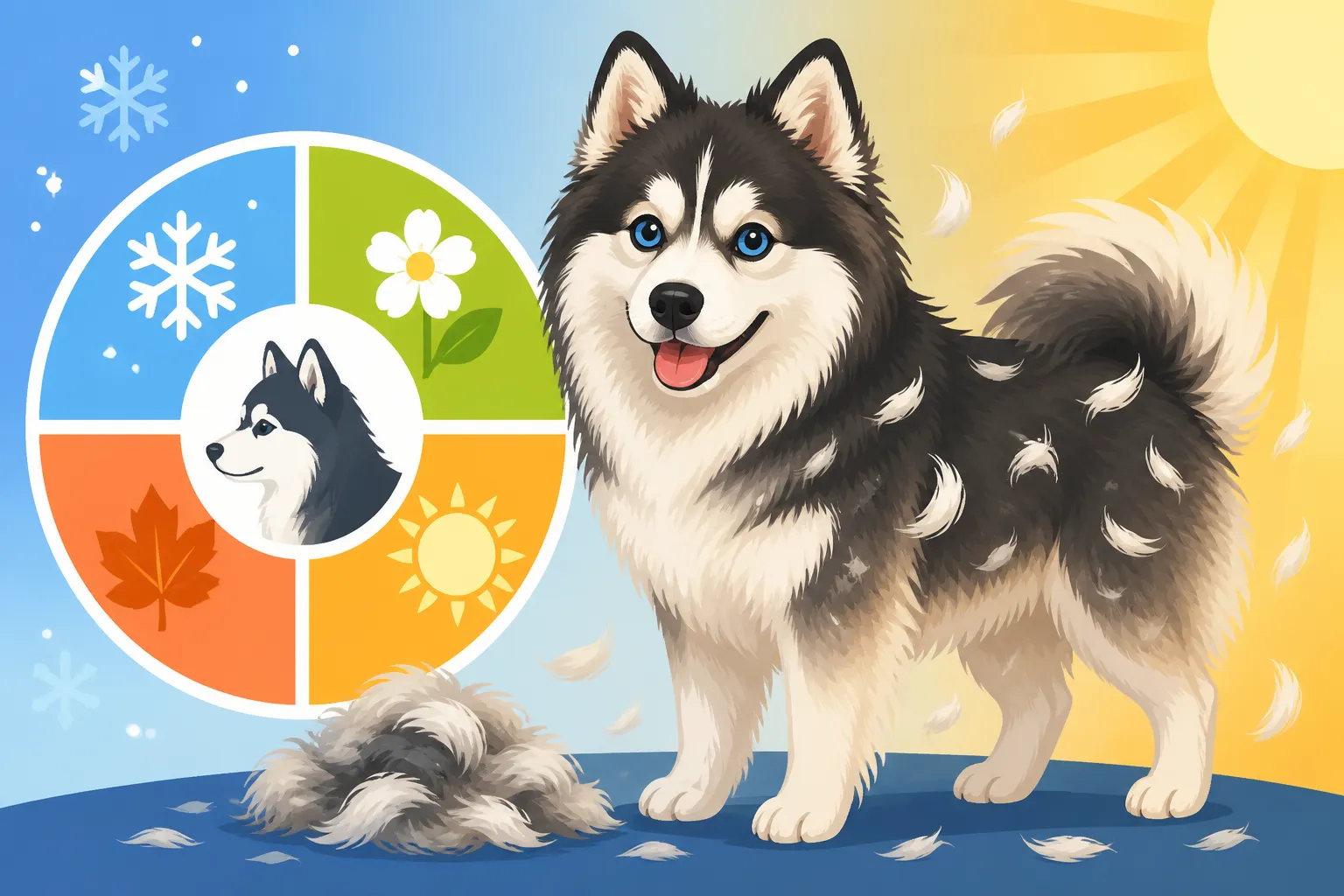
For most Pomskies, you can expect two major shedding seasons each year: spring and fall.
- Spring Blowout: As winter loosens its grip and the days grow longer and warmer, your Pomsky will typically begin to shed its heavy winter undercoat. This usually starts in late winter or early spring and can last for several weeks, sometimes even stretching into early summer. This is when you'll see large clumps of soft, downy fur coming off your dog with every brush stroke, and sometimes, even when they just walk by. It’s their body’s way of preparing for the warmer weather ahead, preventing them from overheating. You might notice your Pomsky looking a bit more streamlined after this process, having shed a significant portion of its insulating layer.
- Fall Blowout: The second major shedding event occurs in the fall, as the days shorten and temperatures begin to drop. During this time, your Pomsky will shed its lighter summer coat to make room for the growth of a new, thicker winter undercoat. While often not as dramatic as the spring shed in terms of visible fur clumps, it’s equally important as their body prepares for the cold. This process ensures they have adequate insulation before the deep chill sets in. The Months a Pomsky Blows Its Coat is typically synchronized with these seasonal light and temperature changes.
What Triggers a Blowout
The primary triggers for a Pomsky's seasonal coat blow are changes in temperature and daylight hours. Dogs are incredibly attuned to their environment, and their coats respond directly to these natural cues.
- Daylight Hours (Photoperiod): This is perhaps the most significant factor. As the amount of daylight increases in spring, a dog's body signals that it's time to shed its dense winter coat. Conversely, as daylight hours decrease in the fall, the body starts preparing to grow a new, thicker coat for winter, leading to the shedding of the thinner summer coat. This explains why some indoor Pomskies who are exposed to consistent artificial light patterns might have slightly altered or less predictable shedding cycles, though the instinct remains strong.
- Temperature Changes: While daylight is the main driver, temperature also plays a role. Sustained warmer temperatures encourage the shedding of the insulating undercoat, while colder temperatures stimulate the growth of a new one. This is why a sudden cold snap in spring might delay the shedding process slightly, or an unseasonably warm fall might lead to a lighter initial shed. It’s a complex interplay between internal biological clocks and external environmental factors, all designed to keep your Pomsky comfortable year-round.
The Duration of a Pomsky's Blowout
A full-blown shedding cycle isn't a one-day affair; it’s a marathon, not a sprint. Typically, a Pomsky's major coat blowout can last anywhere from 2 to 6 weeks. This duration can vary significantly based on several factors:
- Individual Dog: Just like people, every Pomsky is an individual. Some might have a more intense, shorter shedding period, while others might have a more prolonged, lighter shed.
- Genetics: The specific mix of Husky and Pomeranian genes can influence coat density and shedding patterns. A Pomsky with a particularly dense "wooly" coat might take longer to shed its undercoat than one with a shorter, more "standard" coat. You can learn more about this in The Three Pomsky Coat Types.
- Diet and Health: A healthy dog with a balanced diet will generally have a healthier coat and a more efficient shedding process. Poor nutrition or underlying health issues can sometimes lead to excessive or erratic shedding, or a coat that struggles to regrow properly.
- Grooming Routine: Regular and effective grooming during these periods can significantly reduce the amount of loose fur in your home and potentially shorten the visible shedding period. Brushing out the dead undercoat helps the process along, preventing mats and making your dog more comfortable. If you’re not actively helping the old coat come out, it will take longer and lead to more fur accumulation everywhere.
Beyond the Blowout: Year-Round Shedding
While the seasonal blowouts are the main events, it's a common misconception that Pomskies only shed twice a year. The reality for most Pomsky owners is that shedding is a year-round affair, albeit at a much lower intensity outside of those peak periods.
Factors Influencing Constant Shedding
Several factors contribute to the perpetual, low-level shedding you'll experience with your Pomsky:
- Indoor Living: Modern dogs, especially those living indoors, are often exposed to artificial lighting and climate control that can disrupt natural seasonal shedding cues. A consistent indoor temperature means their bodies aren't getting the same strong signals to "dump" all their undercoat at once. This can lead to a more continuous, lighter shed throughout the year, as opposed to distinct, very heavy seasonal events experienced by dogs living primarily outdoors.
- Coat Type and Density: Some Pomskies simply have incredibly dense coats, inheriting a double dose of fluff from both parents. Even outside of seasonal changes, these coats are always in a state of renewal, with old hairs naturally falling out to make way for new growth. A "wooly" coated Pomsky, for instance, often requires more consistent attention to prevent matting and manage shedding. Whether a Pomsky Sheds All Year as Well is a resounding yes for most owners.
- Individual Metabolism and Hormones: Each dog's metabolism and hormonal balance play a role in coat health and shedding. Hormonal fluctuations, such as those related to heat cycles in intact females or even stress, can influence shedding. Some dogs just have a more active follicular cycle, meaning their hair growth and loss is always happening at a steady pace.
- Diet and Allergies: A diet lacking essential nutrients can lead to a dull, unhealthy coat and increased shedding. Similarly, skin allergies or irritations can cause excessive scratching and hair loss. If your Pomsky seems to be shedding abnormally or has bald patches, it's always worth consulting your vet to rule out underlying issues like Zinc Responsive Dermatosis in a Pomsky or other allergies.
Managing Year-Round Shedding
Dealing with consistent shedding requires a proactive approach, even when your Pomsky isn't in a full blowout. It’s about maintenance and consistency, rather than just reacting to the big sheds.
- Regular Brushing: This is your number one tool. Daily or every-other-day brushing, even if it's just a quick five-minute session, can capture a surprising amount of loose fur before it ends up on your furniture or floor. It also helps distribute natural oils, keeping the coat healthy.
- Quality Diet: Feeding a high-quality dog food rich in omega fatty acids can significantly improve coat health and reduce excessive shedding caused by poor nutrition. Brands like Ollie, known for fresh, human-grade ingredients, can sometimes make a noticeable difference in coat luster and shedding for some dogs. Always look for ingredients that support skin and coat health.
- Supplements: Some owners find success with coat-specific supplements, often containing fish oil or other omega-3 and -6 fatty acids. These can promote a healthier skin barrier and a stronger coat, potentially reducing breakage and excessive shedding. Always talk to your vet before introducing any new supplements into your dog's diet.
- Professional Grooming: Even if you groom at home, occasional professional deshedding treatments can be incredibly beneficial. Groomers have powerful force dryers and specialized tools that can remove an astonishing amount of undercoat that you might miss at home.
Practical Tips for Surviving a Pomsky Blowout
Facing a Pomsky blowout can feel like a losing battle, but with the right tools and strategies, you can minimize the impact on your home and your sanity.
Essential Grooming Tools
Having the right arsenal of grooming tools is non-negotiable for a Pomsky owner. These aren't just for show; they're your main defense against the fur onslaught.
- Undercoat Rake: This is your best friend during a blowout. An undercoat rake, with its widely spaced teeth, is designed to gently pull out loose undercoat without damaging the guard hairs. Use it carefully, working in sections, to remove handfuls of dead fur. Brands like Furminator or various options available on Amazon and Chewy are popular among double-coated dog owners. Regular use during peak shedding can make a huge difference in managing the volume of fur. The Undercoat Rake a Pomsky Owner Lives With is a tool that will become indispensable.
- Slicker Brush: A slicker brush with fine, bent wire bristles is excellent for removing loose hair from the topcoat and for general grooming. It helps to smooth the coat and can tease out smaller tangles, especially on areas where the undercoat rake might be too harsh or where the fur is less dense. It's also great for fluffing up the coat after a bath.
- Pin Brush: This brush is fantastic for everyday grooming and for working through any mats or tangles that might form, particularly behind the ears or in the "armpit" areas. Its widely spaced pins with rounded tips are gentle on the skin and help to separate the coat.
- High-Velocity Dryer (Force Dryer): While an investment, a force dryer is a game-changer during a blowout. It literally blasts out loose undercoat from deep within the double coat, significantly reducing drying time after baths and dislodging fur that brushes might miss. Using one outdoors can save your home from a massive hair explosion.
| Tool Type | Primary Use During Blowout | Benefits |
|---|---|---|
| Undercoat Rake | Removing dense, dead undercoat | Prevents matting, reduces shedding dramatically |
| Slicker Brush | General detangling, topcoat shedding | Smooths coat, removes surface loose hair |
| Pin Brush | Everyday grooming, light detangling | Gentle, good for fluffing and minor tangles |
| High-Velocity Dryer | Blasting out loose undercoat, drying | Speeds up shedding, thorough coat clearing |
The Role of Baths and Drying
Bathing a Pomsky during a blowout can be a double-edged sword. On one hand, a good bath, especially with a deshedding shampoo, can loosen a lot of dead undercoat. On the other hand, improper drying can lead to major problems.
- Deshedding Shampoos: There are specialized shampoos designed to help release undercoat. These can be effective when used during a blowout. Follow up with a good conditioner to maintain skin and coat health.
- Thorough Drying is KEY: This cannot be stressed enough. A double-coated dog like a Pomsky must be dried completely to the skin after a bath. If the undercoat remains damp, it can create a breeding ground for bacteria and yeast, leading to skin infections, hot spots, and unpleasant odors. This is where a high-velocity dryer truly shines, as it not only dries the coat efficiently but also helps to blow out additional loose fur. If you don't have one, allow ample time for towel drying and air drying in a warm, well-ventilated space, with frequent brushing to separate the hairs. You might want to consider Whether a Force Dryer Is Essential for a Pomsky.
Maintaining a Clean Home
Living with a shedding Pomsky means you'll need to adapt your cleaning routine. It's not about eradicating every single hair, but about managing the constant influx.
- Frequent Vacuuming: Invest in a good quality vacuum cleaner designed for pet hair. You'll be using it often, especially during blowout season. Consider daily vacuuming of high-traffic areas and where your Pomsky spends the most time.
- Lint Rollers and Pet Hair Removers: Keep lint rollers handy for your clothes and furniture. Specialized pet hair removal tools for upholstery can also be incredibly effective at lifting embedded fur. Many types are available on Amazon.
- Protect Furniture: If your Pomsky is allowed on furniture, consider using washable throws or blankets that can be easily tossed into the laundry. This saves your actual furniture from becoming completely covered in fur.
- Air Purifiers: While they won't stop the shedding, air purifiers with HEPA filters can help reduce airborne pet dander and hair, which can be beneficial for allergy sufferers in the household.
- Outdoor Brushing: Whenever possible, take your Pomsky outside for brushing sessions during a blowout. This simple act can save you hours of vacuuming inside. Choose a windy day, and watch the fur fly away! This also means less fur ending up in your drains and washing machine. What a Pomsky's Shedding Does to a House is no joke, so take every measure you can.
Remember, living with a Pomsky means embracing the floof! Understanding their shedding cycles and being prepared with the right tools and routines will make the experience much more manageable, allowing you to enjoy all the wonderful qualities of your furry companion without being constantly overwhelmed by their glorious, but prolific, coat.
Disclaimer
This article is for general informational purposes only and does not constitute professional advice. Laws, prices and regulations vary by location and change over time. Consult a qualified professional for guidance on your specific situation.