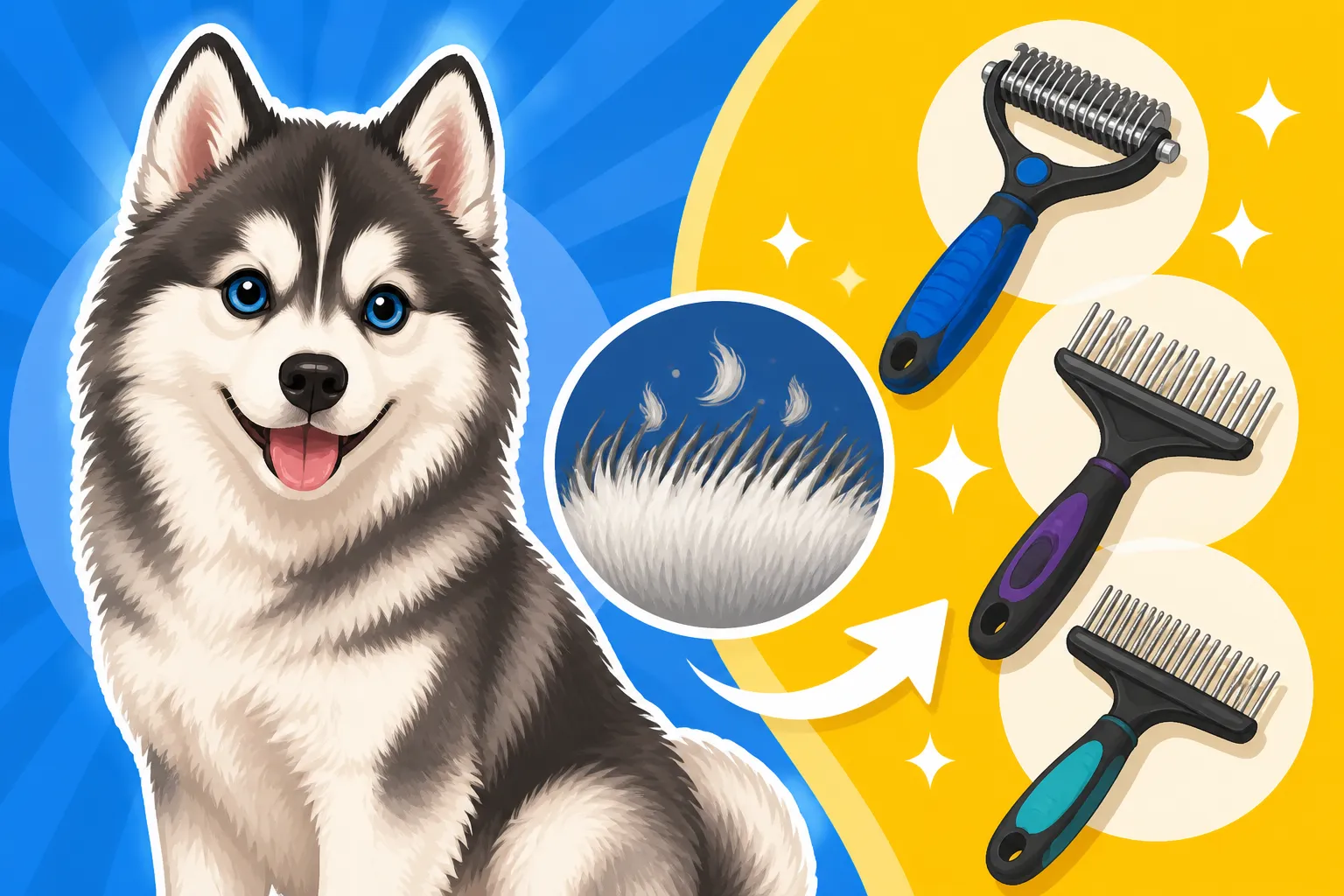
Which Rake Suits a Pomsky’s Undercoat
If you're a Pomsky parent, you know the absolute joy these fluffy companions bring into our lives. But let's be honest, you also know the struggle is real when it comes to their magnificent, yet sometimes maddening, double coat. It's a gorgeous feature, no doubt, but managing the constant shedding and preventing mats can feel like a full-time job. You've probably stared at the dizzying array of brushes and combs at the pet store or online, wondering which one will actually get through that dense undercoat without hurting your furry friend. It's a common frustration, and you're not alone in feeling overwhelmed. This guide is here to cut through the confusion and help you choose the right undercoat rake, transforming grooming from a chore into a bonding experience.
Understanding Your Pomsky's Unique Double Coat
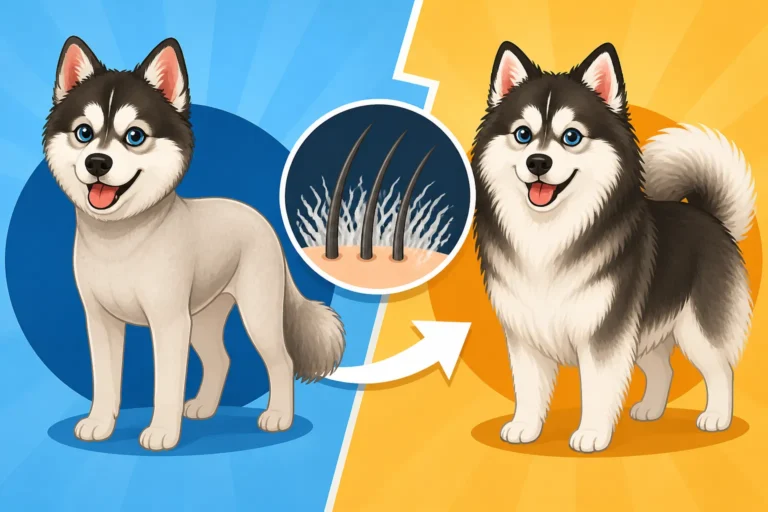
First things first, let's talk about that incredible coat your Pomsky sports. It's a genetic marvel, a beautiful blend inherited from its Siberian Husky and Pomeranian parents. Both breeds are known for their luxurious, thick fur, designed to protect them from harsh climates. When you combine them, you get a dog that's often described as having The Pomsky That Carries a Husky Coat at Twenty Pounds. This isn't just fluffy aesthetic; it's a highly functional two-layer system.
The outer layer consists of guard hairs – these are longer, coarser, and somewhat water-resistant. They give your Pomsky its distinct color, pattern, and overall sleek appearance (when not shedding like crazy!). Underneath these guard hairs lies the dense, soft, and incredibly warm undercoat. This is the insulation layer, the one that keeps them toasty in winter and, surprisingly, helps regulate their temperature in warmer weather by trapping a layer of air.
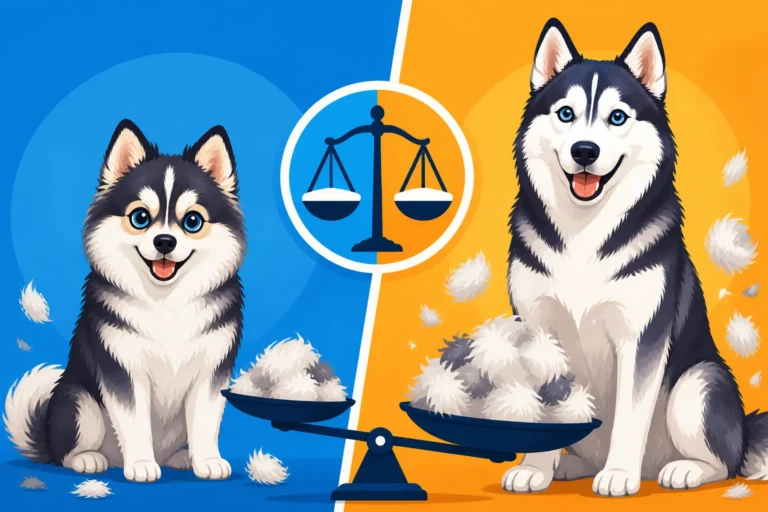
The challenge, and where the right rake comes in, is managing that undercoat. It sheds constantly, but the real "coat blows" happen seasonally, usually twice a year, when your Pomsky will literally shed enough fur to build another small dog. During these periods, if that dead undercoat isn't removed, it can become a matted mess, trapping dirt, moisture, and even causing skin irritation. It's a huge pain point for owners, and simply brushing the top coat won't cut it. You need a tool that can reach deep without damaging the delicate guard hairs or scratching the skin.
The Essential Undercoat Rake for Pomskies: What to Look For
Choosing the right undercoat rake is paramount for a Pomsky. It’s not just about removing hair; it’s about doing it safely and efficiently, making the experience tolerable for both of you. You'll hear talk of The Undercoat Rake a Pomsky Owner Lives With, and for good reason—it's often the most effective tool. But not all rakes are created equal.
Teeth Type and Spacing
This is perhaps the most critical factor. Pomskies often have a very dense undercoat, so you need a rake with teeth long enough to penetrate through the guard hairs and reach the undercoat right down to the skin. The spacing of the teeth also matters.
- Wide-toothed rakes: These are excellent for initial passes, especially during heavy shedding, as they can pull out large clumps of loose undercoat without getting stuck. They're also less likely to pull on tangled areas initially.
- Medium-toothed rakes: These offer a good balance for regular maintenance, getting more hair out than a wide-toothed rake but still moving through the coat fairly smoothly.
- Closer-spaced teeth: While they remove more hair, they can be prone to snagging and pulling if the coat isn't already well-maintained or if there are any developing mats. Use these with caution and only after a thorough initial raking.
Look for rakes with rounded or blunted pin ends. Sharp pins can scratch your Pomsky's delicate skin, causing discomfort and even injury. Stainless steel teeth are generally preferred as they are durable, easy to clean, and less likely to bend or break. You can often find a good selection of these types of rakes on platforms like Chewy or Amazon, allowing you to compare features and read reviews from other Pomsky owners.
Handle Ergonomics and Safety
Grooming a Pomsky, especially during a full coat blow, can be a marathon, not a sprint. Your hands will thank you for a rake with a comfortable, ergonomic handle that provides a good grip. A non-slip handle is a huge bonus, preventing accidental slips that could cause discomfort to your dog or strain on your wrist.
Safety isn't just about the pins; it's about the design. The rake should feel sturdy and well-balanced in your hand. Avoid flimsy rakes that might break mid-stroke or have exposed sharp edges on the handle. Some rakes even come with rotating teeth, which can be fantastic for very dense coats as they minimize pulling and glide through tangles more smoothly. This can be a game-changer for a Pomsky who might be a bit sensitive to grooming.
How to Use an Undercoat Rake Effectively on Your Pomsky
Using an undercoat rake isn't just about dragging it through the fur; there's a technique to it that ensures efficiency and your Pomsky's comfort. Mastering this will make a huge difference in managing their shedding and keeping their coat healthy.
Step-by-Step Raking Technique
- Start with a clean, dry coat: Never rake a dirty or wet coat. Dirt can act like sandpaper, damaging the coat and skin, and a wet coat will be much harder to rake effectively and can exacerbate matting. If your Pomsky is due for a bath, make sure their fur is completely dry before you begin raking.
- Section the coat: This is crucial for getting all the loose undercoat. Just like you might section your own hair, part your Pomsky's fur and work on small areas at a time. This allows you to reach deep and ensure thorough removal.
- Use gentle, long strokes: Start at the skin and pull the rake in the direction of hair growth, moving outward. Use a light touch. You're not trying to yank the hair out; you're gently loosening and collecting the dead undercoat.
- Line brushing: This is the golden rule for double-coated breeds. Hold back the top layer of fur with one hand and brush the undercoat beneath it, section by section. As you work through a section, let down a little more of the top coat and repeat. This ensures you're reaching every bit of that dense undercoat.
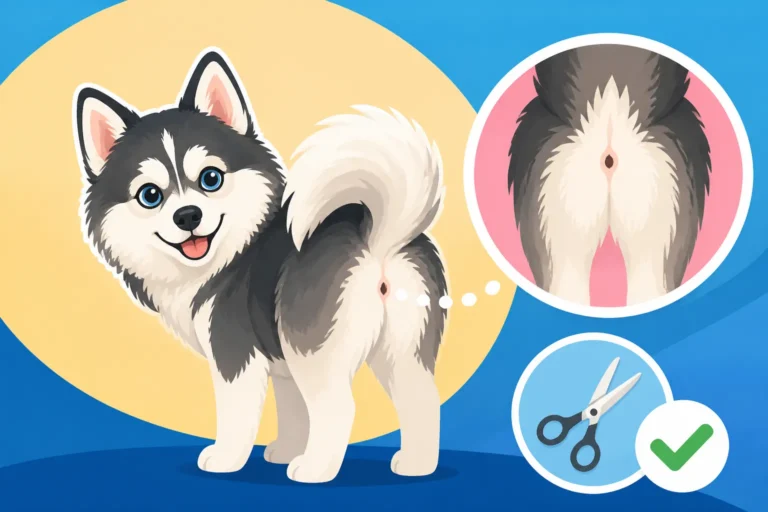
- Pay attention to problem areas: Areas like behind the ears, armpits, and the "panties" (the fur on their hind legs) are particularly prone to matting. Be extra gentle and thorough in these spots. These are often the Where a Pomsky Mats First and require delicate handling.
- Frequency: During heavy shedding (when Whether a Pomsky Blows Its Coat Twice a Year), you might need to rake daily or every other day. For regular maintenance, once or twice a week is usually sufficient. Over-raking can irritate the skin, so observe your Pomsky's comfort and the amount of hair coming out. Knowing How Often a Pomsky Needs Raking During a Blowout is key to staying on top of it.
Common Mistakes to Avoid
- Raking too hard: This can scratch the skin or pull painfully on the fur. Always be gentle.
- Ignoring mats: If you encounter a mat, don't try to rip it out with the rake. That will be painful and could damage the coat. Instead, use a slicker brush or a de-matting tool (gently!) to try and work through it, or trim it out if it’s too tight. If you're dealing with Whether a Wooly Pomsky Mats, this patience is even more important.
- Dry raking: As mentioned, always work on a clean, dry coat.
- Not following up: An undercoat rake is a fantastic tool, but it's part of a larger grooming regimen. You'll want to follow up with a slicker brush and a metal comb to ensure all loose hair is gone and there are no missed tangles.
Beyond the Rake: Complementary Grooming Tools for a Pomsky
While the undercoat rake is an absolute superstar for your Pomsky, it's really just one player on the grooming team. To truly keep that gorgeous double coat in tip-top shape, you'll want a few other essential tools in your arsenal. Think of them as complementary, each playing a specific role to ensure a happy, healthy coat and skin. A good grooming kit might be found on Chewy or Amazon, allowing you to build your collection.
The Dynamic Duo: Slicker Brush and Metal Comb
After you’ve done the heavy lifting with your undercoat rake, a slicker brush is your next go-to. These brushes have fine, short wires packed closely together on a flat or curved surface. They're fantastic for:
- Finishing touches: They pick up any remaining loose hairs that the rake might have missed.
- Smoothing the guard hairs: They give your Pomsky's coat that polished, fluffy look.
- Addressing minor tangles: Gently work through smaller knots on the surface.
- Stimulating the skin: The gentle bristles can help promote healthy circulation.
Following the slicker, a metal comb is indispensable. A good comb will have both wide and narrow teeth.
- Checking for mats: This is your final quality control. Run the comb through the entire coat, paying special attention to those mat-prone areas like behind the ears, under the legs, and the tail. If the comb glides smoothly, you've done a great job! If it snags, you'll know exactly where to go back with your rake or slicker.
- Targeting small tangles: The narrow end of the comb is perfect for carefully working out tiny knots.
Remember, the goal is to make sure your The Rake, Slicker and Comb a Pomsky Needs are all working in harmony for the best results.
The Powerhouse: A Force Dryer
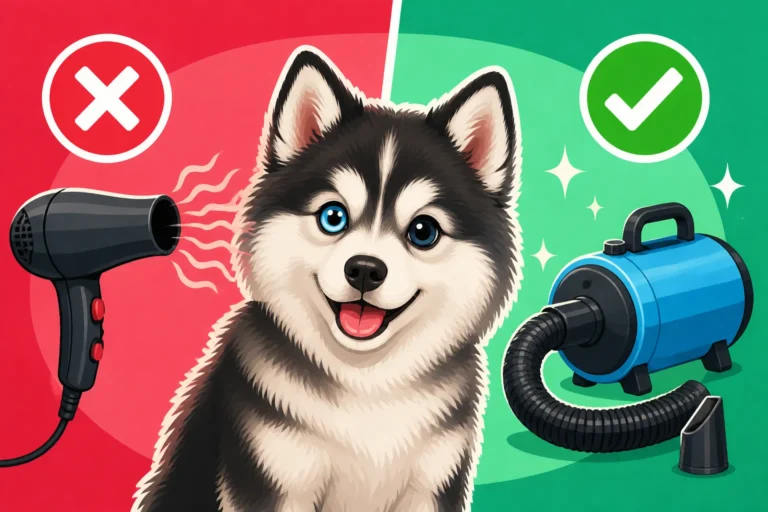
If you've never used a force dryer on a double-coated breed, prepare to have your mind blown. This isn't your average human hairdryer (which, by the way, should never be used on a dog as it can overheat their skin). A force dryer is a high-velocity blower designed specifically for pets.
- Drying efficiency: It dramatically cuts down drying time after a bath, which is crucial for preventing hot spots and matting in a dense undercoat.
- Undercoat blowout assist: The powerful blast of air literally "blows out" loose undercoat, often far more effectively than any brush alone. This is particularly helpful during those heavy seasonal sheds. Getting a Pomsky Used to a Force Dryer can take some patience, but it's well worth the effort.
- Prevents matting: By separating the hairs and thoroughly drying the undercoat, it helps prevent tangles from forming.
Using these tools together, starting with a rake, moving to a slicker, checking with a comb, and utilizing a force dryer after baths, ensures a comprehensive grooming routine that truly tackles the challenges of a Pomsky's magnificent coat. You can find excellent options for slicker brushes, metal combs, and even force dryers on sites like Amazon, often with reviews that speak directly to their effectiveness on double-coated breeds.
Troubleshooting Common Undercoat Raking Challenges
Even with the right rake and perfect technique, grooming a Pomsky can present its own set of challenges. It's not always a smooth, zen-like experience, and that's totally normal. Here's how to tackle some common issues head-on, validating those frustrations you're definitely feeling.
Dealing with Mats and Tangles
One of the biggest headaches for Pomsky owners is finding mats. They seem to appear out of nowhere, especially in high-friction areas like behind the ears, under the legs, and around the tail. If you encounter a mat while raking:
- Don't pull or force the rake: This will cause pain and make your Pomsky dread future grooming sessions. Stop immediately.
- Isolate the mat: Gently separate the matted section from the surrounding healthy fur.
- Use a de-matting tool or slicker brush: A specialized de-matting tool with razor edges (used with extreme caution!) can carefully cut through the mat. Alternatively, use the edge of a slicker brush, working slowly from the outer edges of the mat inwards, teasing it apart strand by strand. Apply cornstarch or a conditioning spray to the mat to help loosen it.
- When to seek professional help: If a mat is tight against the skin, large, or numerous, it's time to call a professional groomer. Trying to remove severe mats yourself can be painful for your dog and lead to skin irritation or cuts. Groomers have specialized tools and techniques to remove mats safely, often requiring a full shave-down underneath the mat.
- Prevention is key: Consistent and thorough raking, especially in those mat-prone areas, is the best defense. Regular use of your undercoat rake and comb will minimize the chances of severe matting.
Preventing Skin Irritation
No one wants to hurt their beloved Pomsky. Skin irritation can happen if you rake too aggressively, use a rake with sharp pins, or if your dog has sensitive skin.
- Choose the right rake: As discussed earlier, opt for rakes with rounded or blunted pin ends.
- Gentle touch: Always use light, sweeping strokes. Let the rake do the work of separating the fur, don't press down hard.
- Check the skin: Regularly part the fur and visually inspect your Pomsky's skin for any redness, scratches, or irritation. If you see anything concerning, give that area a break and monitor it.
- Avoid over-grooming: While consistency is good, over-grooming with a rake can strip too much healthy undercoat or irritate the skin. Adjust frequency based on your Pomsky's shedding level and coat condition. If you notice sensitivity, try reducing the length or frequency of your raking sessions.
Making Grooming a Positive Experience
Let's face it, some Pomskies are not thrilled about grooming. It can be a battle, but it doesn't have to be. Your Pomsky may even be one of those who are Whether a Pomsky Bites the Groomer, making home grooming even more critical.
- Start early and make it positive: Begin grooming sessions when your Pomsky is a puppy, making them short, gentle, and followed by high-value treats and praise. This builds a positive association. Teaching a Pomsky to Lie for a Deshedding Session is a fantastic skill to train.
- Break it into small chunks: If your Pomsky has a short attention span or gets anxious, don't try to do a full-body rake in one go. Do a small section, reward, take a break, and come back later.
- Find their sweet spot: Some dogs tolerate grooming better when standing, others when lying down. Experiment to see what makes your Pomsky most comfortable.
- Be patient and calm: Dogs pick up on our energy. If you're stressed or frustrated, your Pomsky will likely become stressed too. Take a deep breath, and if you're both getting agitated, take a break.
- Use calming aids if necessary: For particularly anxious dogs, consider a calming chew or a thundershirt during grooming sessions, after discussing with your vet.
By addressing these challenges with patience and the right tools, you can turn grooming into a manageable and even enjoyable routine, keeping your Pomsky comfortable and their coat looking fabulous.
Disclaimer
This article is for general informational purposes only and does not constitute professional advice. Laws, prices and regulations vary by location and change over time. Consult a qualified professional for guidance on your specific situation.