Shampoos That Suit a Pomsky’s Double Coat
Finding the right shampoo for your Pomsky can feel like a never-ending quest, especially when you're faced with a dizzying array of options and the unique challenges of their magnificent double coat. Many owners struggle with shedding, skin irritation, or just getting that thick fur truly clean without leaving behind a greasy residue. This guide is here to demystify the world of dog shampoos and help you choose the best products to keep your Pomsky's coat healthy, shiny, and comfortable.
Understanding Your Pomsky's Unique Double Coat
Let's be real, a Pomsky's coat isn't just "fur"; it's a marvel of canine engineering, a dense, luxurious double layer designed for serious insulation. It’s what gives them that adorable, fluffy look, but it also demands specific care. Ignoring its unique structure can lead to a host of problems, from persistent shedding to uncomfortable skin conditions.
The Double Coat's Purpose and Structure
Your Pomsky inherits this incredible coat from both sides of its family tree, particularly the Siberian Husky. This isn't just for show; it's a functional powerhouse. The outer layer consists of coarse, protective guard hairs. These repel water, dirt, and debris, acting like a natural shield. Beneath that, you'll find a soft, dense undercoat. This layer is primarily responsible for insulation, keeping your Pomsky warm in winter and surprisingly, helping them stay cool in summer by regulating body temperature. Think of it like a perfectly engineered personal climate control system.
Because of this dual layer, a Pomsky's skin rarely experiences direct exposure to the elements. This means the products you use need to penetrate both layers to reach the skin and be rinsed out just as thoroughly. It's a delicate balance; you want to clean effectively without stripping natural oils from the guard hairs or irritating the sensitive skin underneath. Many owners underestimate the challenge of getting water and shampoo all the way through to the skin, and then, crucially, rinsing it all the way out.
Why Generic Shampoos Often Fall Short
You might think "shampoo is shampoo," but for a double-coated breed like a Pomsky, that couldn't be further from the truth. Many generic or human shampoos are formulated with harsh detergents, sulfates, and artificial fragrances that are simply too aggressive for a dog's pH balance and coat structure. These can strip the natural oils that are essential for the health and protective qualities of your Pomsky's fur.
Imagine trying to wash a heavy wool blanket with dish soap; it might get clean, but it'll likely feel brittle, look dull, and perhaps even shrink or get damaged. The same principle applies here. Harsh chemicals can lead to dry, flaky skin, increased itching, and even excessive shedding as the coat struggles to recover its natural balance. Over time, this can compromise the integrity of their coat, making it less effective at its job of protection and insulation. Plus, residual shampoo left behind, which is very easy to do with such a thick coat, can lead to skin irritation, matting, and even fungal growth.
How Shampoo Impacts Shedding and Skin Health
Let's talk about shedding. Oh, the shedding! Pomskies are notorious for their seasonal "blowouts" when they shed their entire undercoat, but they also shed year-round to a lesser degree. Whether a Pomsky Blows Its Coat Twice a Year is a very real question for owners who feel like they're constantly vacuuming. The right shampoo can actually help manage shedding by promoting healthy skin and hair follicles. A healthy follicle holds onto its hair longer and releases it more cleanly when it's time, making the shedding process more manageable.
Conversely, a poor shampoo choice can exacerbate shedding. If the skin is dry, irritated, or inflamed, the hair follicles become stressed, leading to premature hair loss and a dull, unhealthy coat. This can sometimes even be mistaken for more serious conditions like Alopecia X and the Pomsky That Loses Its Coat. Moreover, inadequate rinsing can leave residue that clogs pores, traps moisture, and creates an ideal breeding ground for bacteria or yeast, leading to itchy skin, hot spots, or dermatitis. It's a vicious cycle that starts with the wrong product or improper bathing technique.
Key Ingredients and Types of Shampoos for Pomskies
Choosing a shampoo isn't just about the brand; it's about understanding what ingredients will benefit your Pomsky's unique coat and skin, and what to steer clear of. You want products that cleanse effectively without being overly harsh, and ideally, those that offer some extra TLC for their dense fur.
Ingredients to Actively Seek Out
When you're scanning those labels, here are some heroes you want to see:
- Oatmeal: This is a classic for a reason. Colloidal oatmeal is incredibly soothing for itchy, irritated skin. It has anti-inflammatory properties and helps to create a protective barrier, making it perfect for Pomskies prone to environmental allergies or general skin sensitivity.
- Aloe Vera: Another natural powerhouse, aloe vera is known for its moisturizing and healing properties. It can calm inflammation, hydrate dry skin, and promote a healthy coat sheen.
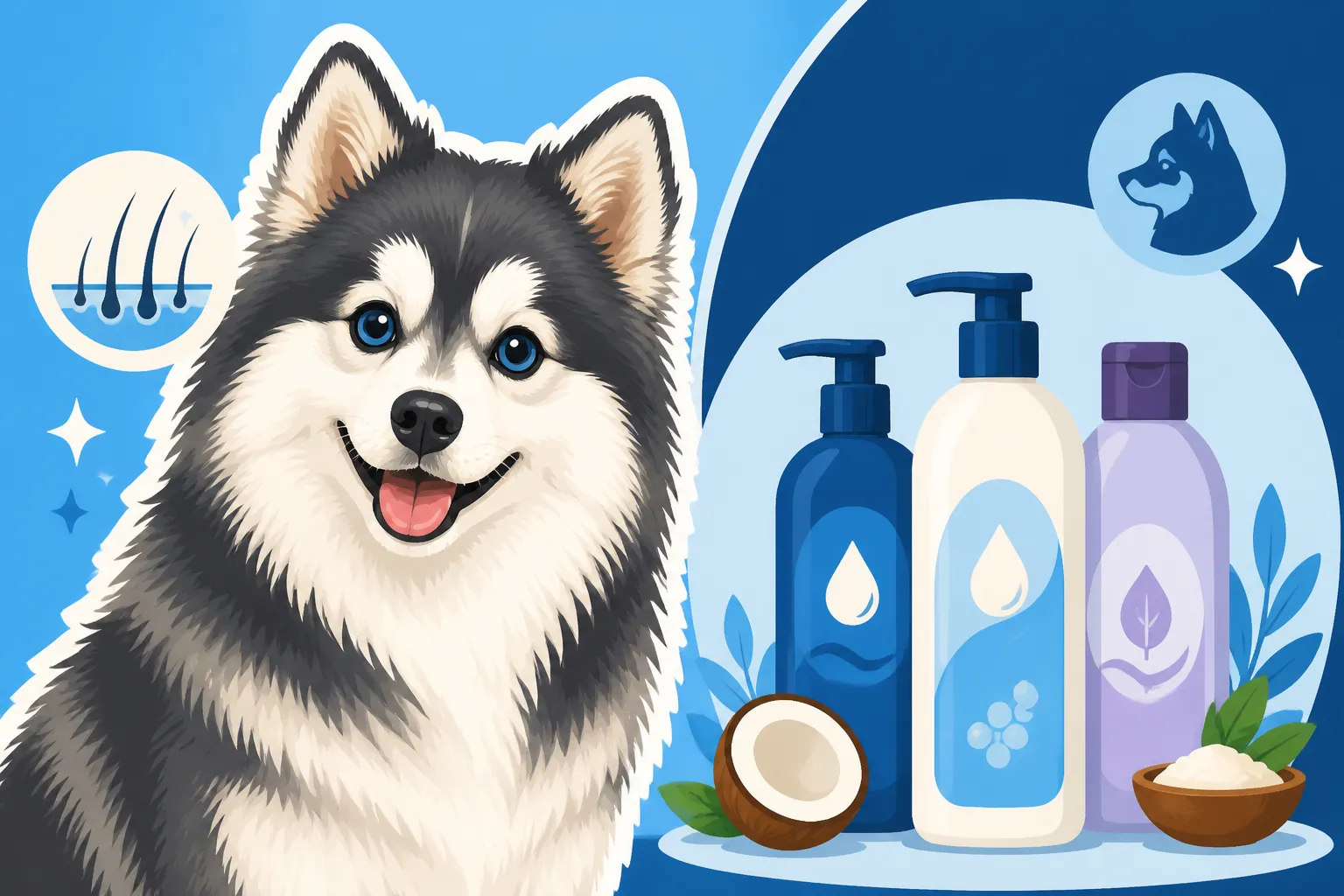
- Natural Oils (Coconut, Jojoba, Argan): These oils provide essential moisture without leaving a greasy residue. They help condition the fur, making it softer, more manageable, and less prone to tangling, which is a big win for a double coat. They also contribute to a healthy, shiny appearance.
- Mild Surfactants (e.g., Sodium Laureth Sulfosuccinate, Coco-Betaine): These are the cleansing agents, but you want gentle ones. They create lather and lift dirt without stripping the skin's natural oils. Look for sulfate-free formulas or those using milder, plant-derived surfactants.
- Vitamins (E, B5): These can support skin health and hair strength, contributing to a vibrant, robust coat. Vitamin E, in particular, is an antioxidant that helps protect skin cells.
Many reputable brands offer formulations specifically with these beneficial ingredients. You can often find a wide selection of these types of shampoos on platforms like Chewy or Amazon, allowing you to compare options and read reviews from other double-coated dog owners.
Ingredients to Definitely Avoid
Just as important as knowing what to look for is knowing what to avoid. These ingredients can do more harm than good to your Pomsky's delicate skin and protective coat:
- Harsh Sulfates (e.g., Sodium Lauryl Sulfate, Sodium Laureth Sulfate): These are strong detergents that create a rich lather but are notorious for stripping natural oils, leading to dry skin, irritation, and dull fur. They can be particularly harsh on double coats, making them brittle.
- Artificial Fragrances: While a pleasant scent might appeal to us, artificial fragrances are a common cause of skin allergies and irritation in dogs. They can contain a cocktail of chemicals that simply aren't necessary and can be detrimental. Opt for unscented or naturally scented options, perhaps with essential oils known to be safe for dogs (always check with your vet if unsure).
- Parabens: These are preservatives, often found in human cosmetics, but they can be endocrine disruptors and are best avoided in dog products. Look for "paraben-free" labels.
- Phthalates: Another group of chemicals sometimes found in fragrances and plastic packaging, phthalates can also be hormone disruptors.
- Artificial Dyes: Just like artificial fragrances, dyes serve no beneficial purpose for your dog's skin or coat and can be a source of irritation.
Always choose products that prioritize natural, gentle ingredients and clearly list what they contain. If a product has a long list of unpronounceable chemicals, it might be best to pass on it.
Deshedding Shampoos: A Must-Have for Pomsky Owners
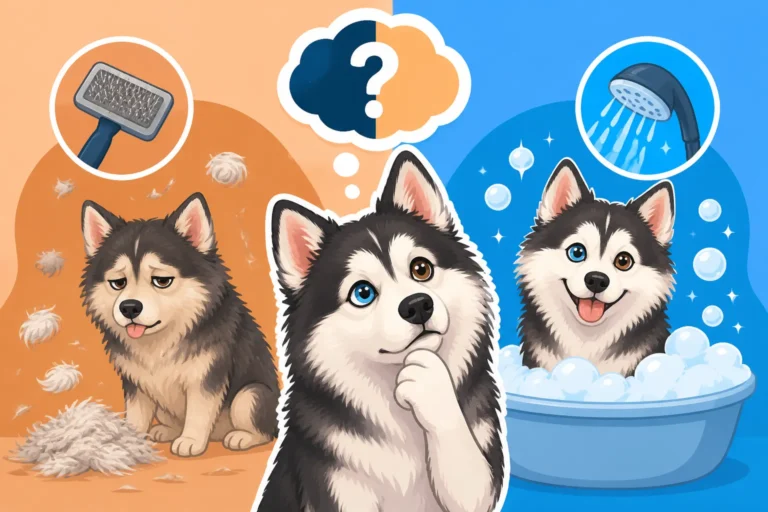
If you own a Pomsky, you know shedding is just a part of life. Deshedding shampoos are specifically formulated to help release loose undercoat during bath time, making the subsequent brushing much more effective. They often contain moisturizing ingredients like omega fatty acids or specific proteins that strengthen hair and reduce breakage, along with mild exfoliants to encourage dead skin and hair release.
These shampoos work by conditioning the hair follicle and loosening the dead hair in the undercoat, allowing it to be rinsed away or easily brushed out. They are particularly useful during your Pomsky's seasonal blowouts. Using a deshedding shampoo can significantly reduce the amount of loose hair floating around your home, but remember, it's not a magic bullet. It needs to be combined with thorough brushing, especially with a tool like The Undercoat Rake a Pomsky Owner Lives With, before, during, and after the bath. Some brands offer deshedding conditioners as well, which can enhance the effect.
Sensitive Skin and Hypoallergenic Shampoos
For Pomskies with known allergies, recurrent skin infections, or general sensitivity, hypoallergenic or sensitive skin shampoos are a godsend. These are typically free of common irritants like dyes, fragrances, and harsh chemicals. They often feature soothing ingredients like oatmeal, aloe vera, and ceramides to help restore the skin's natural barrier.
If your Pomsky frequently scratches, has red patches, or develops bumps after baths, switching to a sensitive skin formula is often the first step. It's always a good idea to consult your vet if you suspect allergies or chronic skin issues, as they might recommend a medicated shampoo for specific conditions. However, for everyday sensitivity, a gentle, hypoallergenic shampoo can make a world of difference in your Pomsky's comfort. Products designed for sensitive skin are often available from premium pet brands, and reviews on sites like Amazon can help you find popular, well-regarded options.
Here's a quick overview of shampoo types:
| Shampoo Type | Key Benefits | Ideal For | Considerations |
|---|---|---|---|
| Deshedding | Loosens dead undercoat, reduces shedding | Pomskies experiencing seasonal blowouts or heavy shedding year-round | Must be combined with thorough brushing; may not replace regular grooming for severe cases. |
| Hypoallergenic | Free of common irritants, soothing | Pomskies with sensitive skin, allergies, or prone to itching | Often unscented; may require a vet consultation if severe allergies persist. |
| Moisturizing | Hydrates skin, conditions coat | Pomskies with dry, flaky skin or a dull, brittle coat | Can leave residue if not rinsed thoroughly, especially on a thick double coat. |
| Oatmeal/Aloe | Calms irritation, reduces itching | Pomskies with mild skin irritation, insect bites, or general discomfort | Excellent all-around choice for maintaining skin health. |
| Deodorizing | Neutralizes odors, cleans deeply | Pomskies who get particularly dirty or develop "dog smell" quickly | Ensure it's not just masking odors with strong perfumes; look for enzymatic formulas. |
| Puppy Shampoo | Extra mild, tear-free formulation | Pomsky puppies with delicate skin and fur | Designed to be extra gentle for young dogs. |
Application, Rinsing, and Drying Best Practices
Having the right shampoo is only half the battle. How you actually bathe your Pomsky, especially with their dense double coat, makes all the difference in achieving a truly clean dog with healthy skin and fur. Skipping steps or rushing the process can lead to more problems than solutions.
The Art of Proper Shampoo Application
Before you even think about shampoo, make sure your Pomsky is thoroughly brushed, removing as much loose hair and any mats as possible. The Undercoat Rake a Pomsky Owner Lives With is your best friend here. Trying to wash a matted dog will only make the mats worse and harder to remove.
Once brushed, thoroughly wet your Pomsky's entire coat down to the skin. This is crucial and often takes longer than you think with a double coat. Use lukewarm water, never hot.
Now, for the shampoo. For a Pomsky, I highly recommend diluting your shampoo. A 1:10 ratio of shampoo to water (or as recommended by the product instructions) in a separate applicator bottle works wonders. This allows the shampoo to spread more evenly and penetrate the dense coat without applying too much concentrated product. It also makes rinsing much easier.
Apply the diluted shampoo in sections, starting from the neck and working your way back, paying close attention to areas that tend to get dirtier, like their paws, legs, and belly. Gently massage the shampoo deeply into the coat, ensuring it reaches the skin. Use your fingertips, not your nails. Avoid circular scrubbing motions, which can tangle the undercoat and create mats. Instead, use downward or back-and-forth strokes. Many owners find it easier to keep their Pomsky in a secure tub or shower stall.
The Critical Importance of Thorough Rinsing
This is perhaps the most important step, and the one most often overlooked with double-coated breeds. Residual shampoo left in a Pomsky's coat can cause severe skin irritation, itching, dryness, and even lead to hot spots or fungal infections. It can also make the coat feel sticky, dull, and attract more dirt.
Rinse, rinse, and rinse again! Just when you think you're done, rinse some more. Use lukewarm water and continue rinsing until the water runs completely clear and you can no longer feel any slickness or suds on the fur. Work in sections, using your fingers to help separate the dense hair and direct the water down to the skin. Pay extra attention to the chest, armpits, groin, and behind the ears, as these are common areas for shampoo residue to hide. If you're wondering whether a Pomsky gets hot spots, often poor rinsing or drying can be a contributing factor.
A detachable showerhead can be incredibly helpful for this stage, allowing you to direct the water precisely where it's needed. When you think you're done, run your hands through their fur and squeeze; if you see any bubbles or feel any sliminess, keep rinsing.
Drying a Double Coat: Preventing Problems
Drying a Pomsky's double coat is another significant undertaking that needs careful attention. Simply towel drying and letting them air dry, especially indoors, is a recipe for disaster. Their dense undercoat can hold moisture for hours, even days, leading to skin irritation, fungal growth, and the dreaded "wet dog smell." Whether a Damp Pomsky Undercoat Causes Hot Spots is a question many owners learn the hard way.
After rinsing, gently squeeze excess water from their fur. Then, use highly absorbent towels to blot (don't rub vigorously, which can cause tangles) as much moisture as possible.
The absolute best tool for drying a double-coated dog is a high-velocity force dryer, sometimes called a "dog blaster." These dryers blow unheated or mildly heated air at a powerful speed, effectively pushing water out of the undercoat. This not only dries them much faster but also helps to "blow out" more loose hair, further aiding in deshedding. It's an investment, but many Pomsky owners consider it indispensable. When using a force dryer, keep the nozzle moving and away from the skin to avoid irritation or overheating. You want to ensure the skin is completely dry.
If a force dryer isn't an option, a regular human hairdryer on a cool or low-heat setting can be used, but you must be incredibly careful to avoid overheating your dog's skin. Keep the dryer moving constantly, and check the skin temperature frequently with your hand. Always finish with a thorough brushing while drying to help separate the hairs and ensure air circulates. Make sure your Pomsky is completely dry to the skin before allowing them to run free, especially in warmer weather or if they are prone to skin issues.
Integrating Shampoos into Your Pomsky's Grooming Routine
A great shampoo is just one piece of the puzzle. Understanding how often to bathe, when to call in the professionals, and having a good overall grooming routine are essential for maintaining your Pomsky's health and happiness.
How Often to Bathe Your Pomsky
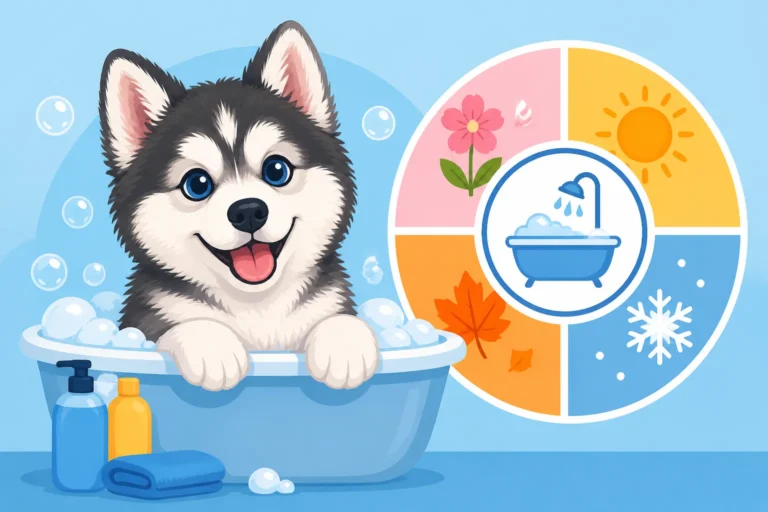
This is a common question, and the answer, like many things with Pomskies, is "it depends." Generally, a Pomsky doesn't need to be bathed too frequently. Over-bathing can strip their coat of natural oils, leading to dry skin and a dull coat. For most Pomskies, a bath every 4-8 weeks is sufficient, perhaps more often during heavy shedding seasons or if they get particularly dirty during outdoor adventures. How Often a Pomsky Should Be Bathed really comes down to their lifestyle and individual skin needs.
If your Pomsky has specific skin conditions like allergies or seborrhea, your vet might recommend more frequent bathing with a medicated shampoo. Always follow your vet's advice in these cases. For general maintenance, a good rule of thumb is to bathe when they're visibly dirty, smelly, or when their coat starts to feel greasy or heavy. Regular brushing, at least 2-3 times a week, is far more important than frequent bathing for a Pomsky's coat health and shedding management. Brushing helps distribute natural oils, remove loose hair, and prevent matting between baths.
When Professional Grooming Becomes a Smart Choice
Let's be honest, bathing a double-coated dog at home can be a monumental task, especially with the drying process! Many Pomsky owners eventually decide that professional grooming is worth the investment, particularly during those intense seasonal coat blowouts.
A professional groomer has the right equipment, like high-velocity force dryers and specialized tubs, to get your Pomsky thoroughly clean and dry. They are skilled in handling dense double coats without causing matting or skin irritation. They can also offer services like deshedding treatments, which are specifically designed to remove dead undercoat efficiently and effectively. If your Pomsky's coat is getting matted, or if you simply can't keep up with the shedding, a professional groomer can be a lifesaver. They can also provide nail trims, ear cleaning, and sanitary trims that you might find challenging to do at home.
Think of it as part of their regular health maintenance. A groomer can spot early signs of skin problems or lumps that you might miss. While you can certainly do a great job at home, don't feel guilty about enlisting a professional when needed.
Product Recommendations for a Healthy Pomsky Coat
While I can't endorse specific products directly, I can tell you what qualities to look for and where you'll find a wide selection of suitable options for your Pomsky's double coat:
- Online Retailers: Websites like Chewy and Amazon are fantastic resources for dog shampoos. They offer an extensive range of brands, types (deshedding, hypoallergenic, moisturizing), and ingredients. You can filter by specific needs, read countless customer reviews from other double-coated dog owners, and compare ingredient lists to find what resonates with your priorities (e.g., natural ingredients, sulfate-free). Many owners find that they can discover niche brands or new formulations more easily here.
- Specialty Pet Stores: Stores often have knowledgeable staff who can guide you through their shampoo selection. They may carry premium brands that focus on natural ingredients or specific coat types.
- Veterinarian's Office: If your Pomsky has known skin issues or allergies, your vet might recommend specific therapeutic or medicated shampoos. These are often prescription-strength and formulated to address particular dermatological concerns.
When browsing, always prioritize shampoos designed specifically for dogs, ideally those formulated for double coats or sensitive skin. Read the ingredient list carefully, looking for those beneficial components and avoiding the harmful ones we discussed. Don't be afraid to try a few different options to see what works best for your individual Pomsky, as every dog's skin and coat can respond differently. Some owners swear by particular brands, while others find success mixing and matching, perhaps using a deshedding shampoo during blowout season and a sensitive skin formula the rest of the year. Finding the right Shampoos That Suit a Pomsky's Double Coat truly is a journey of discovery.
Disclaimer
This article is for general informational purposes only and does not constitute professional advice. Laws, prices and regulations vary by location and change over time. Consult a qualified professional for guidance on your specific situation.