Whether a Pomsky Needs a Coat in Winter
Many Pomsky owners gaze at their fluffy companions, especially when the snow starts to fall, and wonder: does that majestic double coat really protect them from the biting cold, or do they still need a winter coat? It’s a common dilemma, and not just about adorable fashion statements. It's about ensuring your furry family member is genuinely warm, comfortable, and safe when Jack Frost comes calling. This guide will unravel the mysteries of your Pomsky's incredible coat, help you understand when an extra layer might be essential, and provide practical advice for keeping your beloved canine cozy through the chilliest months, ensuring their well-being is always the top priority.
Understanding the Pomsky's Double Coat: Nature's Winter Wear
When you look at a Pomsky, you see a dog that looks ready for winter. Those thick, luxurious coats aren't just for show; they're a marvel of natural engineering, inherited from two cold-weather champions: the Siberian Husky and the Pomeranian. But "built for winter" doesn't always mean "impervious to all winter conditions."
The Science Behind the Double Coat
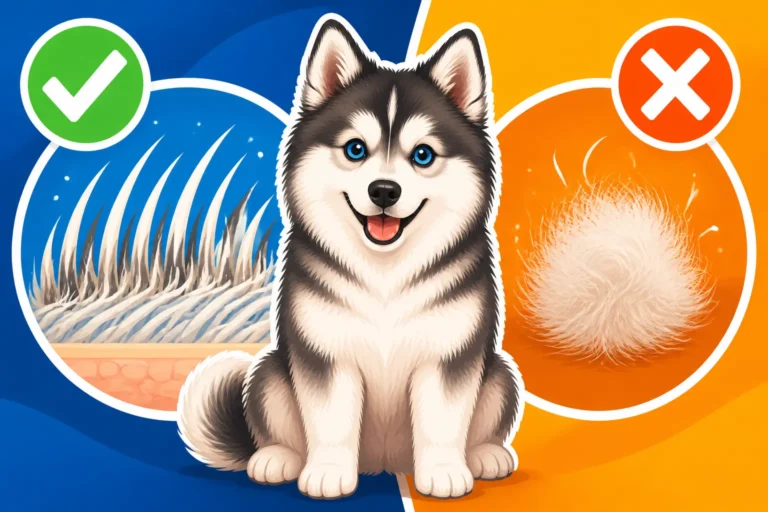
A Pomsky's double coat is its primary defense against the elements, both hot and cold. It consists of two distinct layers, each with a crucial role to play. First, you have the coarse, longer outer layer, known as the guard hairs. These hairs are slightly stiff and water-resistant, designed to shed snow and rain and protect the softer layer beneath. They act like a natural shield.
Underneath these guard hairs lies the dense, fluffy undercoat. This layer is made up of shorter, finer hairs packed closely together, creating thousands of tiny air pockets. It's these air pockets that trap body heat, forming an insulating barrier that keeps your Pomsky warm even when temperatures plunge. Think of it like wearing a very efficient down jacket that they never take off. This dual-layer system is incredibly effective at thermoregulation, helping to maintain a stable body temperature in varying conditions.
Husky vs. Pomeranian Influence on the Winter Coat
The Pomsky is a true blend, and their coat is no exception. A Siberian Husky's coat is designed for extreme arctic conditions, capable of withstanding sub-zero temperatures. Their undercoat is incredibly dense, providing superior insulation, while their guard hairs are resilient against ice and snow. They are literally bred to thrive in freezing environments.
The Pomeranian, while much smaller, also hails from colder regions and possesses a similarly impressive double coat. Their fur is known for its stand-off quality, meaning it puffs out from their body, maximizing those insulating air pockets. This gives them excellent protection for their size.
Your Pomsky inherits a mix of these traits. While some might get a coat that leans heavily towards the Husky's robust density, others might have a slightly less intense version, or one that has more of the Pomeranian's fluffy, stand-off texture. This means that while generally well-equipped for cold, there's a spectrum of natural insulation among individual Pomskies. You might find your particular pup carries The Pomsky That Carries a Husky Coat at Twenty Pounds, but their individual genetic lottery means some variation is always possible.
Factors Affecting Natural Insulation
Even with a double coat, not all Pomskies are equally prepared for winter's onslaught. Several factors can influence how well their natural fur functions as insulation:
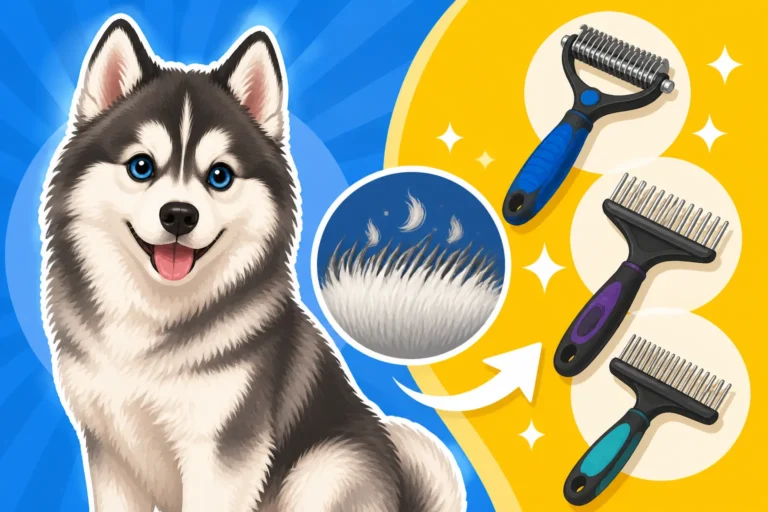
- Coat Length and Density: Some Pomskies have what's often called a "wooly" coat, which can be extra long and thick, providing immense warmth but also requiring more grooming to prevent matting. The Wooly Pomsky Coat and Its Upkeep Others might have a more "standard" coat, which is still dense but perhaps not as voluminous, while a "short coated" Pomsky, though rare, will have significantly less protection. The Short Coated Pomsky The thicker and denser the undercoat, the better the insulation.
- Body Fat Percentage: A healthy amount of body fat can provide an extra layer of insulation. However, this isn't an excuse for an overweight dog, as obesity brings a host of other health problems. A lean, healthy Pomsky will regulate temperature more effectively than one that is either too thin or too heavy.
- Age and Health Conditions: Puppies, with their developing systems, and senior Pomskies often have a harder time regulating their body temperature. Older dogs might have thinner coats, reduced muscle mass, or underlying health issues that make them more susceptible to cold. Caring for a Pomsky Past Ten For instance, if your Pomsky is starting to show signs of age, you might notice Whether an Old Pomsky Feels the Cold More. Any condition that affects their circulation or metabolism can also impact their ability to stay warm.
When a Winter Coat Becomes a Necessity, Not a Fashion Statement
Despite their impressive natural fur, there are definitely times when a Pomsky can benefit from, or even require, an additional layer of protection. Ignoring these signals could put their health at risk.
Extreme Cold and Prolonged Exposure
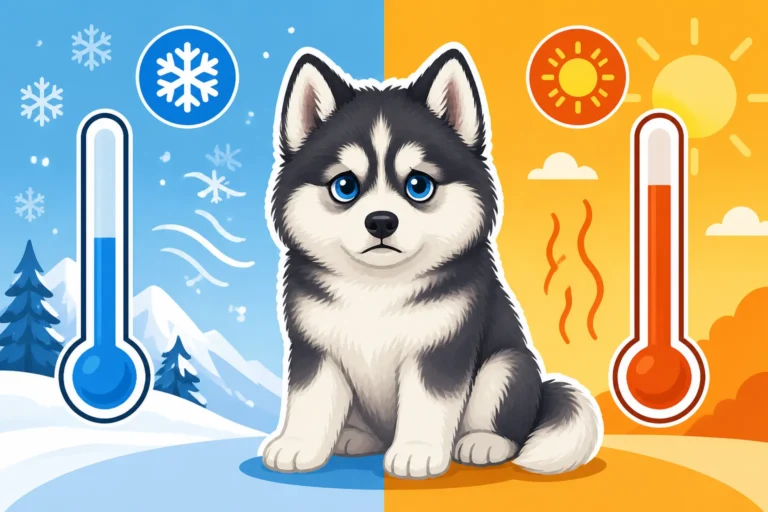
While a Pomsky's double coat is fantastic, it has its limits. When temperatures drop significantly below freezing, especially with wind chill, even the hardiest Pomsky can start to feel the bite. What constitutes "extreme cold" can vary, but generally, sustained temperatures below 20°F (-6°C) are where caution should be exercised, and anything below 0°F (-18°C) is genuinely dangerous for any dog, regardless of coat.
The risks of prolonged exposure include frostbite, particularly on exposed areas like paw pads, ears, and tail tips. Hypothermia is also a serious concern, where the dog's core body temperature drops dangerously low. Scenarios where a coat becomes crucial include:
- Long Walks or Hikes: A quick dash outside for a potty break is one thing, but an hour-long walk or a vigorous hike in freezing conditions can overwhelm their natural defenses.
- Outdoor Potty Breaks: If your Pomsky takes their sweet time sniffing around before doing their business, those few minutes can be enough for them to get uncomfortably cold, especially if they are smaller or have a less dense coat.
- Playing in Snow: While many Pomskies adore snow, extended play, especially if they get wet, can quickly lead to their fur losing some of its insulating properties. Remember how fun it is to make snow angels? Imagine doing it without a coat, just your natural skin. That's why even the fluffiest dogs can struggle.
Individual Pomsky Characteristics That Signal a Need
It's vital to remember that every Pomsky is an individual, and what works for one might not work for another. Some specific characteristics make a winter coat a more urgent necessity:
- Thin or "Short Coated" Pomskies: As mentioned, while rare, some Pomskies inherit a less dense coat. If your Pomsky's fur isn't as thick as a typical Husky or Pomeranian, or if they have significantly shorter guard hairs, they simply don't have the same level of natural insulation.
- Puppies and Senior Pomskies: Young puppies haven't fully developed their thermoregulation systems, and their coats might not be as dense as an adult's. Similarly, older Pomskies often experience a decline in their ability to regulate body temperature. They might have thinner fur, less muscle mass, or slower metabolisms, making them much more sensitive to the cold. Keeping them cozy is paramount.
- Pomskies with Health Issues: Dogs with certain medical conditions, such as hypothyroidism, heart disease, or those on medications that affect circulation, can be more vulnerable to cold. Always consult your vet if you have concerns about your dog's health and cold tolerance.
- Obvious Signs of Being Cold: The most straightforward indicator is your dog telling you they're cold! Shivering, hunching their back, tucking their tail, lifting paws, or showing reluctance to go outside are all clear signs that they're uncomfortable and need more warmth.
Situations Beyond Basic Outdoor Activity
Winter coats aren't just for blizzard conditions. There are other less obvious situations where they can be incredibly beneficial:
- Car Travel in Unheated Vehicles: If you're transporting your Pomsky in a car that takes a while to warm up, or in the cargo area of an SUV that isn't as well-heated as the cabin, a coat can provide crucial warmth during the journey.
- Extended Stays in Cold Indoor Environments: While we hope no Pomsky is left in truly cold places, sometimes situations arise. Perhaps you're visiting a friend with a drafty home, or your dog needs to wait in a colder area temporarily. A coat can offer peace of mind.
- Wet Weather Combined with Cold: A double coat is water-resistant, but it's not waterproof. If your Pomsky gets thoroughly soaked in cold rain or wet snow, their fur can lose its loft and insulating properties. The combination of wetness and cold dramatically increases the risk of them getting chilled. In these cases, a waterproof coat is a must.
Choosing the Right Winter Wear and Practical Considerations
So, you've decided your Pomsky needs a little extra help staying warm. Great! But not all coats are created equal. Picking the right one and ensuring your dog is comfortable with it is key.
Types of Winter Coats and Their Features
When shopping for a Pomsky winter coat, think function over pure fashion. Here’s what to look for:
- Material:
- Outer Layer: Look for a waterproof or highly water-resistant outer material. This is crucial for shedding snow, sleet, and rain, preventing moisture from penetrating to their insulating undercoat. Nylon or polyester blends with waterproof coatings are common and effective.
- Lining: The inner lining should be insulating, such as fleece, synthetic down, or a similar warm fabric. This is the layer that provides the actual warmth.
- Fit: A good coat should be snug enough to prevent drafts but not so tight that it restricts movement or rubs uncomfortably.
- Coverage: Ideally, it should cover their back from neck to tail and extend down to cover a good portion of their chest and belly. This is where a lot of vital organs are, and keeping them warm is essential. Avoid coats that are too short or gape open, as they won't provide adequate protection.
- Adjustability: Look for adjustable straps around the neck and girth to ensure a good fit. Many brands like those found on Amazon or Chewy offer a variety of sizes and adjustable features.
- Visibility: Winter days are often darker and shorter. Reflective strips or bright colors are invaluable for increasing your Pomsky's visibility during low-light walks, adding an extra layer of safety.
- Belly Coverage: For male Pomskies, ensure the belly coverage doesn't interfere with urination. Many good coats are designed with cut-outs or shorter belly panels specifically for this reason.
Training Your Pomsky to Wear a Coat
Not every dog takes kindly to wearing clothes. A Pomsky's independent nature might mean they initially resist. Positive reinforcement is your best friend here.
- Start Slow: Begin by just showing them the coat, letting them sniff it. Pair it with high-value treats and praise.
- Short Sessions: Next, drape the coat over their back for a few seconds, immediately rewarding them. Gradually increase the time they wear it, always making it a positive experience.
- Indoor Introduction: Have them wear it around the house for short periods before expecting them to wear it outside. This helps them get used to the feeling in a familiar, low-stress environment.
- Make it Fun: Associate the coat with good things, like going for a walk, getting a special treat, or playtime. Soon, they'll see the coat as a precursor to something enjoyable.
Other Winter Protection Measures
A coat is a fantastic tool, but it's part of a larger winter care strategy.
- Paw Balm or Booties: Winter weather can be harsh on paws. Ice, snow, road salt, and de-icing chemicals can cause dryness, cracking, and irritation. Applying a paw balm before walks can create a protective barrier. For more extreme conditions, or if your Pomsky is prone to paw issues, booties are an excellent investment. Many varieties are available from retailers like Chewy or Amazon.
- Limiting Time Outdoors: Even with a coat, use common sense. On truly frigid or stormy days, keep outdoor potty breaks brief and avoid long excursions. Listen to your Pomsky – if they're trying to turn back, it's time to head home.
- Ensuring Adequate Shelter and Warmth Indoors: Your home should be a warm sanctuary. Ensure your Pomsky has a cozy, draft-free place to sleep, perhaps a soft bed away from exterior doors or windows. For senior dogs, a supportive orthopedic bed or even a heated pad (specifically designed for pets) can be a godsend.
- Checking for Snowballs: After playing in deep snow, especially if your Pomsky has a longer or wooly coat, check their fur for snow and ice balls that can accumulate between their paw pads or on their legs and belly. These can be uncomfortable, pull on their fur, and lead to frostbite. Gently remove them with your hands or a towel. Whether Snow Balls Up in a Pomsky's Feet
- Nutrition: A healthy, well-fed Pomsky is better equipped to handle cold. Ensure they're on a high-quality diet that supports a healthy coat and overall vitality. Brands like Ollie can provide tailored nutrition that contributes to their well-being, which in turn supports their natural defenses.
Recognizing Signs of Cold and Overheating
The key to successful winter care for your Pomsky lies in careful observation and understanding their individual needs. It's a delicate balance to strike between protecting them from the cold and ensuring they don't overheat.
How to Tell if Your Pomsky is Too Cold
Your Pomsky can't tell you in words that they're cold, but their body language will speak volumes if you know what to look for. Recognizing these signs quickly can prevent discomfort or even danger:
- Shivering or Trembling: This is often the most obvious sign. Just like humans, dogs shiver to generate heat when their body temperature drops. Don't ignore persistent shivering.
- Hunching or Curling Up: A dog that is cold will often hunch their back, tuck their tail between their legs, and try to curl into a tight ball to minimize heat loss. They might also lift their paws off the cold ground one by one.
- Reluctance to Move or Slow Pace: If your normally enthusiastic Pomsky is suddenly slow, stiff, or hesitant to go outside or continue a walk, it's a strong indicator they're uncomfortable with the temperature. They might stop frequently, trying to find shelter or warmth.
- Cold Ears or Paws: While a dog's nose might naturally be cool, their ears and paws should not feel icy cold to the touch. If they are, it's a sign that blood flow is being restricted to those extremities to conserve core body heat, which can lead to frostbite.
- Whining or Seeking Shelter: Some Pomskies will vocalize their discomfort or actively try to turn back towards home or seek shelter in warmer areas. They might paw at the door or try to jump into your arms.
- Lethargy or Weakness: In severe cases of hypothermia, a dog can become extremely lethargic, weak, disoriented, or even collapse. This is an emergency and requires immediate veterinary attention.
It's important to remember that The Temperature a Pomsky Starts Struggling At can vary, so paying attention to your specific dog's cues is more important than relying solely on a thermometer.
Preventing Overheating with a Winter Coat
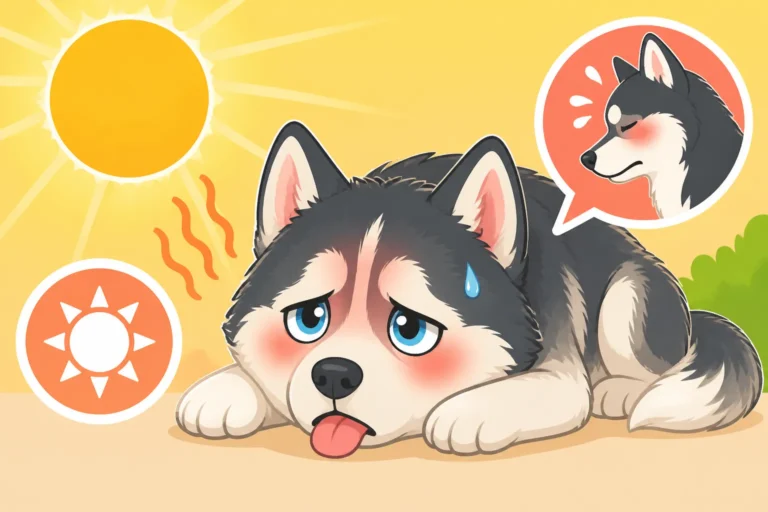
While protecting against cold is crucial, overheating is an equally serious concern, especially for a double-coated breed like the Pomsky. Their natural insulation works both ways – it keeps heat in, but it can also trap too much heat if conditions aren't right.
- Danger of Indoor Coats: Never leave a winter coat on your Pomsky when they are indoors in a warm home. Their natural coat is more than enough. Wearing an extra layer inside can cause them to become dangerously hot. They can't just unzip their jacket!
- Milder Winter Days: On warmer winter days, or if your Pomsky is engaged in vigorous exercise, they might not need a coat, even if the temperature is cool. A brisk run in 30°F (-1°C) might be perfectly comfortable for a healthy, active Pomsky without a coat, whereas standing still in the same temperature could make them cold.
- Monitor Behavior and Body Temperature: Always watch for signs of overheating: excessive panting, bright red gums, increased heart rate, lethargy, or seeking cool surfaces. If you suspect your Pomsky is getting too warm, remove the coat immediately, offer water, and move them to a cooler area.
- Remove the Coat Promptly: As soon as you come back inside from a walk or if the weather unexpectedly warms up, take off their coat. It should only be worn when actively needed for protection against the cold.
A Balanced Approach to Winter Care
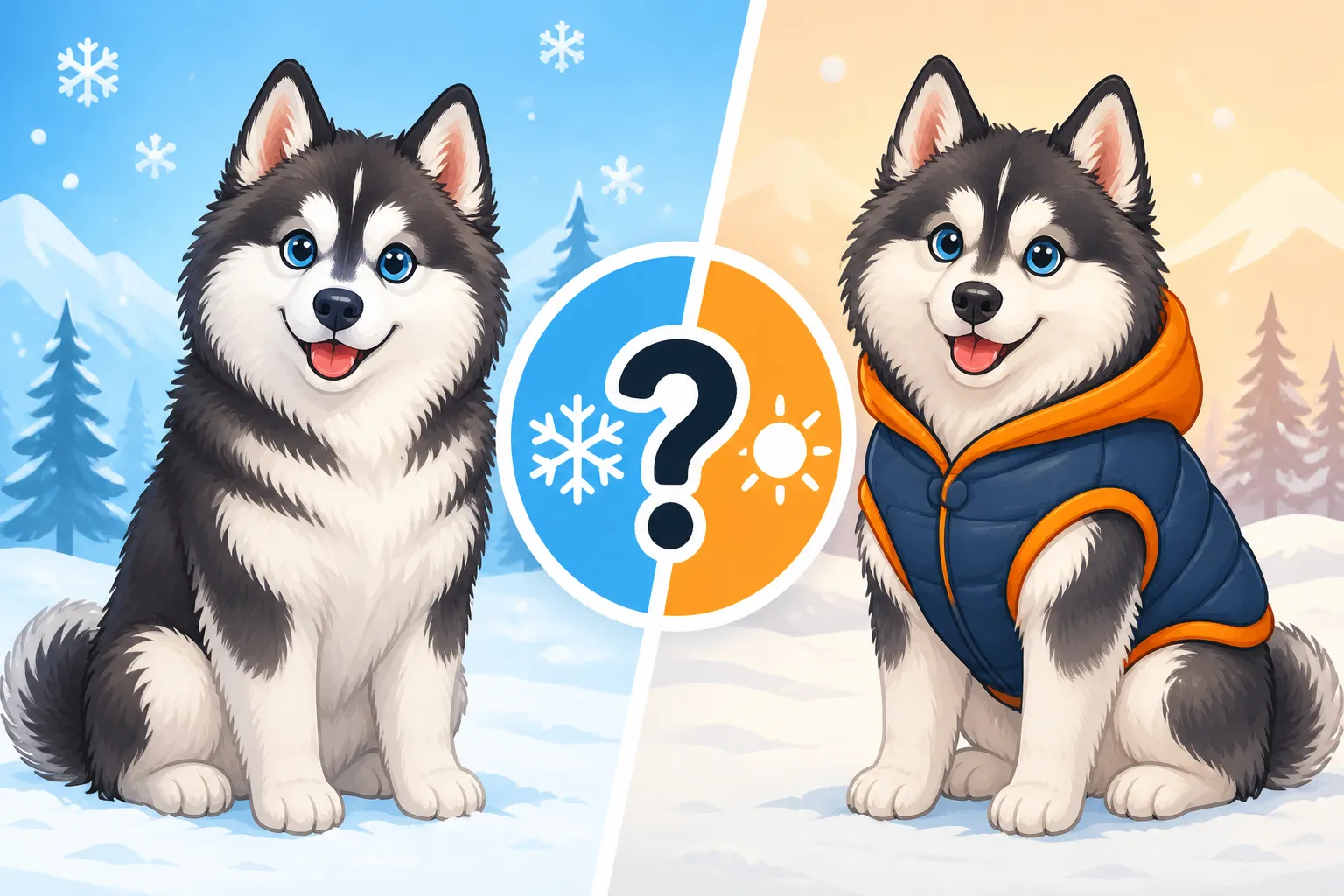
Ultimately, whether your Pomsky needs a coat in winter isn't a simple yes or no answer. It requires a balanced approach, keen observation, and an understanding of your individual dog, their specific coat type, age, health, and the local weather conditions.
Think of it as adding a tool to your Pomsky care toolkit. For some, it might be an essential piece of equipment for every cold outing. For others, it might only be needed on the very coldest days or during extended periods outdoors. Your primary goal is always their comfort and safety. Combine smart coat usage with other winter care practices, such as paw protection, appropriate exercise, and a cozy indoor environment, to ensure your Pomsky enjoys a happy and healthy winter season. You can explore a wide range of products on platforms like Chewy and Amazon to find the perfect solutions for your pup's unique needs.
| Factor | When a Coat is Likely Needed | When a Coat is Probably NOT Needed |
|---|---|---|
| Temperature | Below 20°F (-6°C) or with significant wind chill | Above 30°F (-1°C), especially if sunny and calm |
| Coat Type | Thin, short, or less dense coats | Very dense, long, or wooly double coats |
| Age | Puppies (under 6 months), Senior dogs (over 8-10 years) | Healthy adult dogs (6 months to 8 years) |
| Activity Level | Standing still, slow walking, limited movement | Vigorous exercise, running, active play |
| Weather Conditions | Wet snow, freezing rain, strong winds, icy pavement | Dry snow, calm winds, mild winter sun |
| Health Status | Underlying health conditions, recovering from illness | Healthy, robust dog with no medical issues |
| Individual Behavior | Shivering, reluctant to go out, lifting paws | Enthusiastic for outdoor activity, no signs of discomfort |
Disclaimer
This article is for general informational purposes only and does not constitute professional advice. Laws, prices and regulations vary by location and change over time. Consult a qualified professional for guidance on your specific situation.