The 2012 Litter That Made the Pomsky Real
Before 2012, the idea of a miniature Husky was largely a fantasy fueled by viral photos of clever fakes. Many hopeful dog lovers yearned for that perfect pocket-sized companion with striking Husky looks, only to be met with disappointment. This guide delves into the pivotal moment in 2012 when a genuine litter of Pomskies finally materialized, transforming a digital dream into a tangible reality and setting the stage for the breed we know today.
The Viral Dream: Pre-2012 Fantasies of the "Miniature Husky"
For years leading up to 2012, the internet was abuzz with images of what people thought a Pomsky should be. These weren't actual Pomskies, but often photographs of Finnish Lapphund puppies, Alaskan Klee Kais, or even just cleverly photoshopped images. The demand for a small dog with the majestic, wolf-like appearance of a Siberian Husky, but in a more manageable size, was palpable. People were captivated by the idea of those piercing blue eyes and fluffy double coats on a smaller frame, perfect for apartment living or families without the space for a full-sized Husky.
The Misleading Images and Their Impact
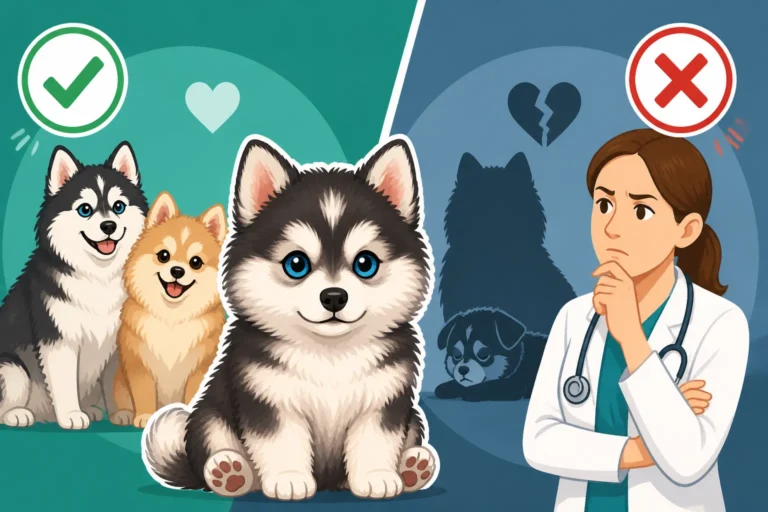
These early, often misleading, images created an almost impossible standard for what a Pomsky should look like. They depicted perfectly symmetrical Husky markings, bright blue eyes, and compact bodies that were simply not realistic for a first-generation cross between a Pomeranian and a Siberian Husky. The allure was immense, leading many aspiring owners to place deposits with breeders who, at the time, might not have even known how to ethically produce such a cross. The viral nature of these pictures meant that the public expectation was set incredibly high, often to the eventual dismay of new owners.
The frustration was real for those who entered the market early. They saw these stunning photos and imagined bringing home a tiny version of a wild dog, only to find that the reality of genetics is far more complex and unpredictable. It created a breeding frenzy of sorts, where people wanted to be the first to own this "new" designer dog, even before it was properly established. This initial wave of excitement, unfortunately, also opened the door for less scrupulous individuals to capitalize on the hype, adding to the confusion and misinformation surrounding the nascent breed.
The Genetic Conundrum of Breeding a Pomsky
The fundamental challenge in creating a Pomsky lies in the significant size disparity between the Siberian Husky and the Pomeranian. The sheer difference in size between a female Husky and a male Pomeranian makes natural breeding not just difficult, but potentially dangerous for both dogs. Imagine trying to get two dogs of such different builds to mate naturally; it's practically impossible without causing injury. This anatomical hurdle meant that the conventional methods of dog breeding simply wouldn't work, adding to the mystique and difficulty of producing this desired hybrid.
This is why, from the very beginning, ethical Pomsky breeding has relied on artificial insemination. It’s a veterinary procedure that ensures the safety of both parent dogs, particularly the smaller Pomeranian, who would almost certainly suffer complications if she were the dam. Why a Pomsky Cannot Be Bred Naturally goes into much more detail about the logistics and risks involved. Breeders faced a significant barrier in just conceiving a litter, which immediately set the Pomsky apart from many other accidental or naturally occurring crosses. It truly required intentional, veterinary-assisted breeding to even begin.
The Birth of Reality: The First Documented American Litter in 2012
The year 2012 marked a turning point. It was the year that the internet fantasy began its slow transition into a real, breathing breed, thanks to the dedicated efforts of a few pioneering breeders. Among them, a notable event was the birth of what is widely recognized as one of the first truly documented Pomsky litters in the United States, produced by Tavares and Jamee, who were instrumental in bringing the breed into existence. This wasn't just a casual backyard pairing; it was a deliberate, carefully planned breeding that yielded genuine Pomsky puppies.
The Pioneering Efforts and Their Location
While whispers and claims of Pomsky crosses might have existed prior, it was a specific litter born in Arizona, often credited to Tavares, that truly cemented the Pomsky's entry into the canine world. This breeding involved a Siberian Husky mother and a Pomeranian father, carefully selected for temperament and health. The process was not simple, requiring significant veterinary involvement due to the size difference of the parents. This methodical approach, rather than accidental mating, was crucial in laying the foundation for what would become the structured breeding of Pomskies.
The birth of this litter wasn't just about cute puppies; it was proof of concept. It demonstrated that the desired cross, once relegated to internet folklore, could actually be achieved. This pioneering effort provided tangible evidence that the Pomsky was not just a myth. It gave legitimacy to the idea, inspiring others to embark on similar breeding programs, always with the understanding that such crosses required careful planning and a deep commitment to animal welfare, especially regarding the artificial insemination process necessary.
The Physical Appearance of These Early Pomskies
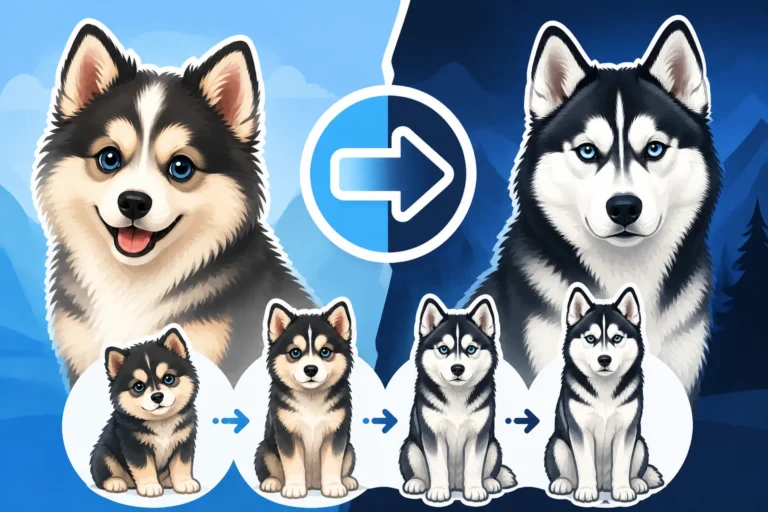
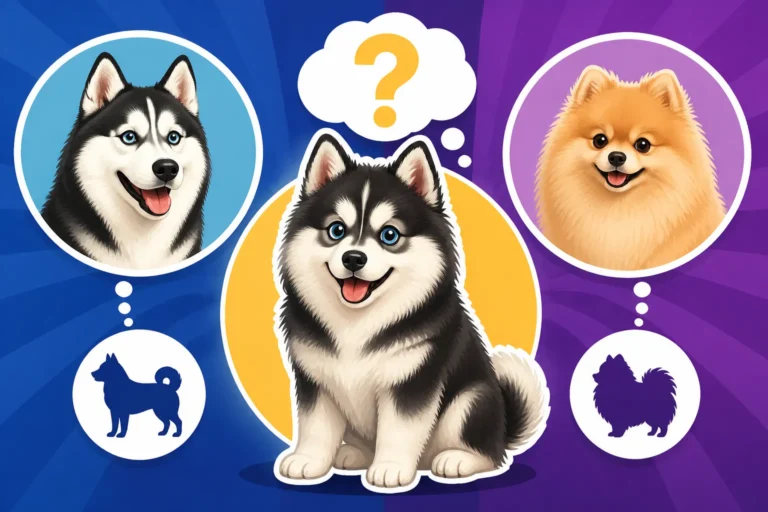
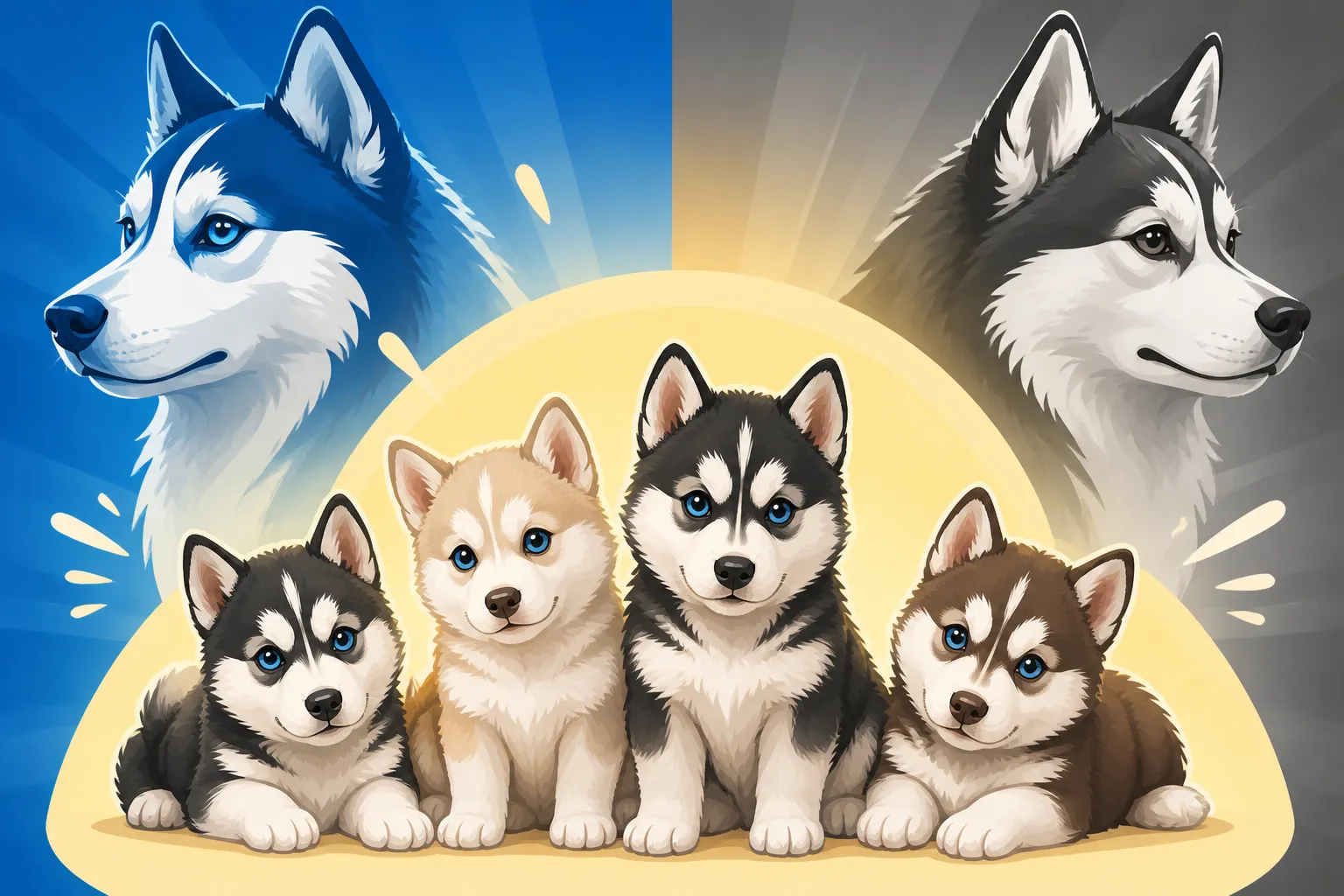
When these first litters arrived, the puppies were indeed adorable, but they often presented a wider range of appearances than the public had come to expect from the viral photos. Instead of uniformly miniature Huskies, these early F1 Pomskies—meaning first-generation crosses—exhibited a fascinating blend of both parent breeds. Some puppies leaned more towards the Husky in terms of build and coloring, while others took on a distinctly more Pomeranian look, with fluffier coats and broader muzzles. This was the raw, unrefined genetic lottery at play.
The variation was a stark reminder that genetics are a roll of the dice. While some puppies might have had the coveted blue eyes and Husky mask, others would have brown eyes, varied markings, or a coat texture that was a mix of both. This unpredictability is a hallmark of any F1 crossbreed. It meant that prospective owners couldn't simply pick a "mini Husky" off a photo, but had to appreciate the unique blend each puppy offered. Why Most Pomskies Look Like Large Pomeranians delves into these fascinating genetic outcomes and how often the Pomeranian influence shines through.
Defining the Pomsky: What the 2012 Litter Established
The emergence of the 2012 litter wasn't just a novelty; it began to define what a "real" Pomsky was. It moved the conversation from hypothetical images to actual genetic outcomes. This litter set a baseline, however broad, for the physical characteristics and the complex breeding process that would become synonymous with the Pomsky. It established that these dogs were indeed a cross, with all the inherent variability that comes with hybrid vigor.
The Role of Artificial Insemination
One of the most significant aspects established by these early litters was the absolute necessity of artificial insemination. It wasn't an option; it was a requirement for the safe and successful breeding of Pomskies. This immediately elevated the cost and complexity of producing a litter, which in turn influenced the eventual price tag of Pomsky puppies. Why Artificial Insemination Sets a Pomsky's Floor Price explains in detail how this veterinary procedure impacts the economic side of Pomsky breeding. It's not a simple matter of letting two dogs do their thing; it's a planned, medical procedure.
This reliance on AI also meant that ethical breeders would always involve a veterinarian, adding a layer of professional oversight to the process. It helped differentiate responsible breeders, who prioritized the health and safety of their breeding dogs, from those who might attempt risky or unethical natural breedings. This critical component cemented the fact that Pomskies are a "designer" breed in the truest sense—they are designed through human intervention, not simply stumbled upon.
The Unpredictability of F1 Generation Traits
The 2012 litter, being an F1 generation, showcased the wide spectrum of traits possible. Puppy buyers couldn't realistically expect a "miniature Husky" every time. Instead, they often encountered puppies that were a true genetic mosaic. Some had the erect ears and curled tail of a Husky, while others might retain the floppier ears and straighter tail of a Pomeranian. Coat length, color, and markings were equally varied. This unpredictability meant that early Pomsky ownership came with an element of surprise.
Owners quickly learned that a Pomsky's size, temperament, and exact appearance were highly variable in the F1 generation. This could be a source of frustration for those who had a very specific image in mind, only to find their puppy matured into something quite different. Understanding this genetic lottery is crucial for anyone considering an F1 Pomsky, as outlined in Whether an F1 Pomsky Is Healthier Than an F2, highlighting the distinct differences between generations. It's a journey of discovery for both the breeder and the new family.
Beyond the First Litter: The Rapid Rise of Pomsky Popularity
Once the initial 2012 litters proved the Pomsky was indeed real, demand exploded. The online chatter, which had previously been based on myth, now had a tangible product. Suddenly, everyone wanted one of these intriguing new crossbreeds. This surge in popularity had both positive and negative consequences for the nascent breed.
The Creation of Dedicated Pomsky Breeders
The success of the 2012 litters encouraged more people to enter the world of Pomsky breeding. Reputable breeders began to emerge, committed to refining the breed, focusing on health, temperament, and predictability of traits. They understood the complexities of artificial insemination, the importance of genetic health screening, and the need to educate potential owners about the realities of Pomsky ownership. These early dedicated breeders were crucial in moving the Pomsky from a novelty to a more established cross.
These breeders were often passionate individuals who fell in love with the idea of the Pomsky and were determined to create healthy, well-adjusted dogs. They invested in the necessary veterinary resources, carefully selected parent dogs, and worked to build a community around the emerging breed. Their commitment helped to counteract some of the misinformation that had plagued the early days of Pomsky speculation, providing a more reliable source for genuinely bred puppies.
The Unintended Consequences of Rapid Popularity
However, the rapid rise in popularity also brought its challenges. The high demand, coupled with the expensive and complex breeding process, led to inflated prices. It also unfortunately attracted less ethical individuals, often referred to as "backyard breeders" or "puppy mills," who saw an opportunity for profit without the necessary knowledge, care, or genetic health testing. These breeders often cut corners, leading to puppies with health issues, unpredictable temperaments, or inaccurate size predictions.
This created a volatile market where buyers had to be extremely discerning. The allure of a seemingly "cheaper" Pomsky could lead to significant heartbreak and costly veterinary bills down the line. It highlighted the importance of asking detailed questions about health clearances, parentage, and the breeding environment. The initial excitement was quickly tempered by the need for vigilance and education on the part of prospective owners, understanding that a trendy dog often comes with risks.
Temperament and Traits: Early Observations from the 2012 Pomskies
Observing the first Pomsky litters provided invaluable insights into the potential temperament and behavioral traits of this new crossbreed. While individual puppies always vary, general patterns emerged, reflecting the strong influences of both the playful, independent Husky and the feisty, companionable Pomeranian. Owners quickly learned that these dogs were often a vibrant, energetic mix.
The Husky's Influence: Energy and Independence
From the Husky side, these early Pomskies often inherited a zest for life, high energy levels, and a strong sense of independence. They loved to run, explore, and could be quite vocal, exhibiting the characteristic Husky "talk" or howl. The Husky Howl in a Pomsky details just how much vocalization owners could expect. This meant that while they were smaller, they were far from couch potatoes. They required significant daily exercise and mental stimulation to prevent boredom and destructive behaviors.
This independent streak also translated into training challenges. Huskies are known for being intelligent but stubborn, and Pomskies often inherited this trait. Training required consistency, patience, and a high-value reward system. Owners quickly found that these dogs weren't always eager to please, preferring to decide for themselves if a command was worth obeying. This made early socialization and consistent positive reinforcement training absolutely vital to ensure they grew into well-adjusted companions.
The Pomeranian's Contribution: Affection and Alertness
On the other hand, the Pomeranian brought its own distinct set of traits. Many Pomskies inherited the Pomeranian's affectionate nature, enjoying cuddles and being close to their human families. They could be quite loyal and form strong bonds. The Pomeranian's alert nature also often translated into a degree of watchfulness, making them quick to bark or alert their owners to new sounds or strangers approaching. This combination could create a dog that was both a loving companion and a vigilant guardian, if a bit noisy.
The Pomeranian's influence also sometimes meant a slightly more manageable exercise requirement than a pure Husky, though still substantial for a small dog. Their intelligence often showed in their quick ability to learn tricks, but their independent streak could still surface. Early Pomsky owners had to be prepared for a dog that could be both a cuddly lap dog and an energetic, "talkative" adventurer, often requiring a thoughtful balance of play, training, and affection. The Suspicion a Pomsky Gets From the Pomeranian outlines some of these protective instincts.
| Trait Category | Husky Influence (Often Present) | Pomeranian Influence (Often Present) | Common Pomsky Outcome |
|---|---|---|---|
| Size | Medium to Large | Small to Toy | Highly Variable Small-Medium |
| Coat | Dense Double Coat | Fluffy Double Coat | Dense Double Coat, various lengths |
| Eyes | Blue, Bi-colored | Brown | Blue, Brown, Bi-colored |
| Vocalization | Howling, "Talking" | Barking, Alerting | Howling, Barking, "Talking" (Loud) |
| Energy | High, Endurance | Moderate, Bursts | Moderate to High Energy |
| Temperament | Independent, Stubborn, Playful | Affectionate, Alert, Confident | Independent, Playful, Affectionate, Can be Vocal |
| Prey Drive | High | Moderate | Moderate to High |
The Enduring Legacy of the First Pomsky Litter
The 2012 litter did more than just introduce a new dog; it started a movement. It legitimized the breed, spurred the formation of organizations like the International Pomsky Association, and provided the real-world genetic data necessary for breeders to begin understanding and, eventually, trying to standardize traits. It was the moment the Pomsky truly became "real."
From F1 to Multigenerational Breeding
The experience of the first F1 litters, with their wide variability, quickly led breeders to explore multigenerational breeding (F2, F3, etc.). The goal was to breed Pomsky to Pomsky, aiming for greater predictability in size, coat type, and temperament. This subsequent breeding strategy hoped to produce puppies that more consistently resembled the desired "miniature Husky" look that had initially captured the public's imagination. Whether Breeding Pomsky to Pomsky Concentrates Faults explores the complexities and considerations involved in these later generations.
This evolution from F1 to multigen was a natural progression for any developing crossbreed trying to establish consistent characteristics. It allowed breeders to select for specific traits and gradually reduce the wide range of appearances seen in the very first litters. It's a long and careful process, but it all began with that initial proof of concept back in 2012.
Setting Expectations for New Owners
The legacy of the 2012 litter also lies in the lessons it provided for both breeders and prospective owners. It underscored the importance of responsible breeding practices, thorough health testing, and transparent communication about what a Pomsky truly is. Buyers, inspired by the initial dream, soon learned the importance of understanding the genetic realities and committing to the specific care needs of these energetic and intelligent dogs. They needed to know that buying pet supplies from places like Chewy was only part of the journey; dedication to training and exercise was paramount.
As the breed matured, so did the understanding of its unique requirements. Potential owners researching a Pomsky today benefit from years of collective experience that began with those pioneering litters. The questions about whether a Pomsky needed a special diet (and where to find it, perhaps at Chewy), how to manage their double coat, or whether they would be escape artists, all arose from the very first observations of these real-life puppies. What a Pomsky Actually Weighs is a great resource for understanding the size realities that often surprised early owners.
Navigating the Realities of Early Pomsky Ownership
Bringing home one of those early Pomskies, particularly from the 2012-era litters, came with a unique set of challenges and joys. Owners were essentially pioneers, learning on the fly without the wealth of information available today. They faced the reality of managing a high-energy dog in a smaller package, often without fully anticipating the traits that would emerge.
The Learning Curve of Grooming a Double Coat
One of the immediate realities for early Pomsky owners was the double coat. Whether their puppy leaned more Husky or Pomeranian in coat density, it was clear that shedding was going to be a significant factor. These were not low-maintenance dogs when it came to grooming. The Pomsky That Carries a Husky Coat at Twenty Pounds perfectly captures the dense fur situation. Owners had to quickly learn about undercoat rakes, slicker brushes, and the necessity of regular grooming sessions to manage the inevitable "blowouts."
Many early owners might have underestimated the sheer volume of fur. Finding suitable grooming tools, or even knowing what kind of shampoo to buy from a retailer like Chewy, was part of the learning curve. They discovered that shaving was a definite no-no for a double-coated dog, as it could permanently damage the protective layers. The commitment to regular brushing became a cornerstone of Pomsky ownership from the very beginning, solidifying the importance of coat care.
The Exercise Demands and Training Challenges
Another significant reality was the exercise requirement. Despite their smaller size, many Pomskies inherited a substantial amount of energy from their Husky parentage. A simple walk around the block was often not enough to satisfy their need for physical and mental stimulation. Owners quickly found themselves exploring dog parks, long hikes, or engaging in extensive playtime to tire out their energetic companions. This constant need for activity was a wake-up call for many who envisioned a more sedentary lapdog.
Training also proved to be a consistent effort. The blend of intelligence and independence meant that Pomskies often learned quickly but could also be quite selective about when they chose to obey. Owners had to be patient, creative, and consistent, using positive reinforcement methods to build a strong bond and establish clear boundaries. The early Pomsky owners paved the way in understanding that these dogs are thinkers and doers, not just pretty faces. Recall on a Pomsky Bred From a Dog That Runs is a critical read for understanding one of the core training challenges.
The International Pomsky Association: Establishing Standards
As the Pomsky gained traction, the need for some form of organization and standardization became clear. The variations in early litters and the influx of new breeders highlighted the importance of setting guidelines for ethical breeding, health testing, and breed characteristics. This led to the formation of the International Pomsky Association (IPA).
The IPA's Mission and Early Influence
The International Pomsky Association was established with the goal of promoting responsible breeding practices, ensuring the health and welfare of Pomskies, and working towards eventual breed recognition. They set out to create a breed standard, even if unofficial, that breeders could strive for. This included recommendations for health screenings for parent dogs, ethical breeding methods (like artificial insemination), and guidelines for desirable traits. What the International Pomsky Association Does provides a detailed overview of their mission.
The IPA played a crucial role in providing a framework for what was still a very new crossbreed. It offered resources and guidance to breeders who were genuinely committed to producing healthy and stable Pomskies, helping to distinguish them from those simply seeking to capitalize on the breed's popularity. This early organizational effort was vital in steering the Pomsky towards a more responsible and recognized future.
How the IPA Shaped Breeder Practices
Through its guidelines and recommendations, the IPA encouraged breeders to conduct thorough health testing on parent dogs for conditions common to both Huskies and Pomeranians, such as patellar luxation, eye diseases, and hip issues. This proactive approach helped to minimize the inheritance of genetic health problems in subsequent generations. The emphasis on health testing was a direct response to the potential pitfalls of breeding without such oversight, especially in a breed derived from two distinct parent breeds with their own predispositions.
The IPA's influence also extended to educating the public. They worked to manage expectations about Pomsky appearance and temperament, helping prospective owners understand the realities of the cross rather than the internet myths. This educational component was crucial in ensuring that people chose a Pomsky for the right reasons, prepared for the commitment involved, and understood that buying a new collar and treats from Chewy was just the first step in a long, rewarding journey.
Disclaimer
This article is for general informational purposes only and does not constitute professional advice. Laws, prices and regulations vary by location and change over time. Consult a qualified professional for guidance on your specific situation.