The First American Pomsky Litter
Oh, the early days of the Pomsky! It’s a tale that often gets muddled with viral images and internet whispers, leaving many new owners wondering about the true origins of this charming crossbreed. The truth is, while the idea of a mini husky captured imaginations online, the actual creation of the first American Pomsky litter was a deliberate, pioneering effort by dedicated breeders, and understanding this journey really helps to appreciate the breed today.
The Unofficial Genesis: Pre-Litter Buzz and Viral Misinformation
Before a single Pomsky puppy was intentionally bred on American soil, the internet had already laid the groundwork for their popularity. It was a perfect storm of adorable imagery and wishful thinking that propelled the concept of a miniature husky into public consciousness, long before the reality could catch up.
The Myth of the "Mini Husky" Photos
Back around 2011, photos started circulating online, often on social media platforms and early viral content sites, showcasing incredibly cute dogs that looked exactly like pint-sized Siberian Huskies. These images were captivating – who wouldn't want a husky in a smaller, more manageable package? However, the truth was often far from the fantasy. Many of these photos were actually of Alaskan Klee Kai, a distinct breed specifically developed to be a miniature husky-like dog, or sometimes even Finnish Lapphunds, another spitz-type breed. This created a huge demand for something that didn't quite exist as widely as people believed. The public had seen these images, fallen in love, and decided they needed one of these "miniature Huskies," which many were starting to call Pomskies. This phenomenon is why we often refer to The 2011 Photos That Were Not Pomskies, because they fueled a market before the breed was even properly established.
Public Demand Outpaces Actual Availability
The viral spread of these images meant that by the time serious breeders began to consider the cross, there was already a massive, eager market waiting. People were contacting breeders of both Pomeranians and Huskies, asking for Pomsky puppies, even if those breeders had never even contemplated such a mix. This created a unique challenge: how to meet a soaring demand responsibly when the supply literally didn't exist yet. It highlighted the power of social media in shaping trends, especially in the pet world. It also meant that early breeders had an immediate, highly motivated customer base, but also the immense pressure to deliver on a dream that had been largely imagined through photos. The Viral Post That Invented Pomsky Demand truly set the stage for everything that followed.
The Groundbreaking Event: Whelping the First Official American Litter
The transition from internet fantasy to tangible reality required careful planning, significant investment, and a deep understanding of canine reproduction. Breeding a Pomsky isn't as simple as letting two dogs meet; the considerable size difference between a female Siberian Husky and a male Pomeranian necessitates artificial insemination to ensure the safety of the dam and the success of the litter.
Overcoming the Breeding Challenges
The most significant hurdle in creating a Pomsky is the drastic size disparity between the parent breeds. A female Siberian Husky can weigh anywhere from 35 to 60 pounds, while a male Pomeranian might be a mere 3 to 7 pounds. Natural breeding attempts would be dangerous, potentially causing severe injury to both dogs, and especially to the much smaller male. This is why Why a Pomsky Cannot Be Bred Naturally is such a crucial piece of information for anyone interested in the breed. To circumvent this, breeders must rely on artificial insemination, a process that requires veterinary expertise to collect semen from the Pomeranian and carefully implant it into the Husky dam. This method ensures the safety of the mother and significantly increases the chances of a successful pregnancy, though it does add complexity and cost to the breeding process.
The Arrival of the Pioneers
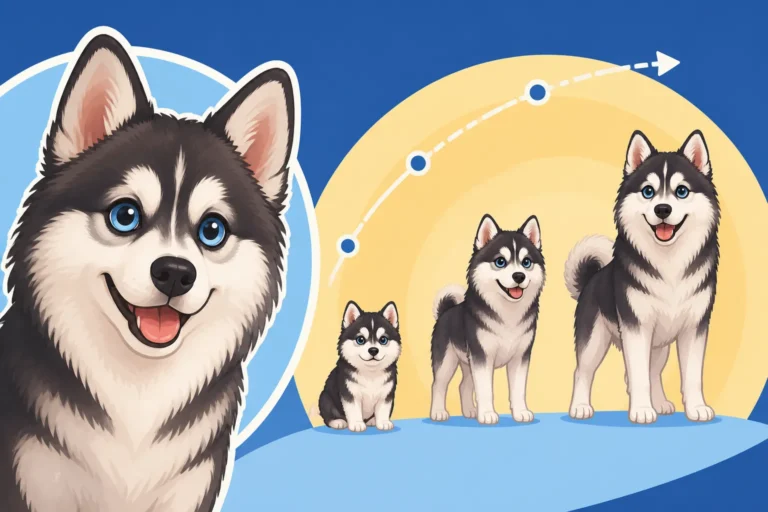
While exact dates and details can sometimes be debated in the rapidly evolving world of designer breeds, the consensus points to a pivotal moment in 2012 when the first intentional American Pomsky litter was successfully whelped. This wasn't a happy accident; it was the result of diligent effort and careful veterinary intervention. These early litters were eagerly awaited, not just by the breeders, but by a public already primed by viral photos. The arrival of these puppies marked a turning point, transforming the Pomsky from an online myth into a living, breathing reality. These pioneering litters paved the way for the establishment of breeding protocols and the foundation of what would eventually become the modern Pomsky breed.
The Breeders Behind the Beginning: Who Made It Happen
Behind every successful designer breed, especially one with complex breeding requirements like the Pomsky, are individuals or small groups of dedicated breeders willing to take on the challenge. In the case of the first American Pomsky litter, it was a collective effort driven by a passion for creating a unique companion dog.
The Early Adopters and Their Vision
While no single individual is solely credited for "inventing" the Pomsky, several visionary breeders in the United States began exploring the cross around the same time, driven by the burgeoning online interest. These were often experienced breeders of either Huskies or Pomeranians who saw the potential in combining the striking looks of the Husky with the compact size and lively personality of the Pomeranian. They weren't just throwing two dogs together; they were carefully researching genetics, temperament, and health considerations. Their initial goal was often to produce a healthy, well-tempered companion dog that consistently exhibited the desired traits. This commitment to responsible breeding, even in the early stages, was crucial for the Pomsky's trajectory. You can read more about the very start of this journey in Who Bred the First Pomsky.
Forming Standards and Associations
As more breeders began producing Pomskies, the need for some form of organization quickly became apparent. To ensure the health and integrity of the developing breed, breeders recognized the importance of establishing standards. This led to the formation of organizations like the International Pomsky Association (IPA). These groups aimed to create a framework for ethical breeding practices, including health testing, defined breeding goals, and breed-specific guidelines. While not a traditional kennel club, these associations played a vital role in guiding the Pomsky's development, pushing for responsible practices, and helping to manage public expectations. Understanding The International Pomsky Association and What It Sets really highlights the proactive steps taken by these early breeders to bring structure to a nascent breed.
Initial Reactions and the Early Days of Pomsky Popularity
The arrival of the first American Pomsky litters was met with a mix of excitement and scrutiny. For many, it was the fulfillment of an online dream, but for others, it raised questions about the ethics and predictability of designer crossbreeds.
The Immediate Rush for Pomsky Puppies
As soon as genuine Pomsky puppies became available, demand skyrocketed. People who had been captivated by the viral images were now clamoring for a real-life miniature Husky. Breeders quickly found themselves with extensive waitlists, and prices reflected the scarcity and high demand for these novel puppies. The allure of a unique, aesthetically pleasing dog with a charming personality was incredibly strong. Many new owners, eager to bring home their dream dog, were often surprised by the range of appearances and temperaments even within the same litter, as the F1 generation can be quite variable. This early period was characterized by a rapid expansion of interest, driven largely by aesthetics. This rapid growth also led to questions about Whether the Pomsky Boom Has Faded or if its popularity was sustainable.
The Unpredictability of Early Generations
One of the biggest lessons learned in the early days was the inherent unpredictability of the F1 Pomsky generation (a direct cross between a Husky and a Pomeranian). While some puppies closely resembled the "mini Husky" ideal, others took on more Pomeranian characteristics, and many fell somewhere in between. This meant that what buyers "got" often wasn't exactly what they pictured from those viral images. For some, this was a delightful surprise; for others, it led to disappointment. Reputable breeders quickly began educating potential owners about the genetic lottery of crossbreeding and the variability of traits in the first generation. This educational effort was crucial for managing expectations and highlighting that Whether Pomsky Buyers Got What the Photos Promised was not always a guarantee.
Here's a quick comparison of the early Pomsky breeding stages:
| Feature | Pre-2012 (Viral Stage) | Post-2012 (Early Breeding Stage) |
|---|---|---|
| Concept Origin | Viral internet images of other small spitz breeds | Intentional crossbreeding by dedicated individuals |
| Breeding Method | Not applicable (misidentified breeds) | Primarily artificial insemination |
| Parent Breeds | Often Alaskan Klee Kai or Finnish Lapphunds mistaken | Siberian Husky (dam) x Pomeranian (sire) |
| Public Perception | Mythical "miniature Husky," immediate high demand | Realization of a new crossbreed, continued high demand |
| Predictability of Traits | N/A | Highly variable (F1 generation), learning curve for breeders |
| Goal | Public: Dream pet; Breeders: Create a consistent new breed | Public: Acquire specific look; Breeders: Establish breed |
Shaping the Future: The Impact of the First Litter on the Breed's Development
The success of those initial American Pomsky litters didn't just satisfy immediate demand; it set the course for the entire breed's development. It validated the concept and encouraged further breeding, leading to a more structured approach to creating future generations.
Moving Beyond F1: The Quest for Consistency
Once the F1 generation of Pomskies proved the viability of the cross, breeders quickly recognized the need for greater consistency in appearance and temperament. This led to the development of F2 (Pomsky x Pomsky) and subsequent multi-generational crosses. The goal was to refine the desired traits – the Husky-like appearance, the manageable size, and the balanced personality – making them more predictable for prospective owners. This focus on multi-generational breeding aimed to stabilize the breed's characteristics, gradually moving away from the "genetic roulette" sometimes seen in first-generation crosses. Understanding What an F1 Pomsky Is is essential to appreciating the journey breeders took to create more consistent lines.
Establishing Health and Welfare Priorities
From the outset, responsible breeders of the first American Pomsky litters understood the importance of health testing. Given that both parent breeds have their own predispositions to certain conditions, careful screening became paramount. For example, Slipping Kneecaps in a Pomsky is a concern inherited from the Pomeranian side, while The Collapsing Trachea a Pomsky Gets From the Pomeranian is another. On the Husky side, eye conditions are a watchpoint, as covered in The Eyes a Pomsky Gets From the Husky. Early breeders recognized that merely creating a cute dog wasn't enough; they had a responsibility to produce healthy puppies. This commitment to health, despite the lack of official recognition from major kennel clubs, became a cornerstone of ethical Pomsky breeding. It's why many breeders today still emphasize the health clearances of their breeding stock.
The Evolving Landscape of Pomsky Ownership
The lessons from the first American Pomsky litters continue to inform the breed's journey. Owners today are generally more educated about the breed's origins and the variability that can still exist. Pet supply companies like Chewy, for instance, offer a vast array of products, from specialized food formulas to durable toys, that cater to the unique needs of Pomskies, acknowledging their diverse sizes and energy levels. This means new owners can easily find high-quality kibble, harnesses suitable for a Why a Pomsky Should Wear a Harness, or interactive toys to keep their intelligent pups engaged. The demand for well-socialized, healthy Pomskies remains strong, driven by the desire for a companion that embodies the best traits of its fascinating heritage. The journey from viral image to beloved pet is truly one for the history books.
Disclaimer
This article is for general informational purposes only and does not constitute professional advice. Laws, prices and regulations vary by location and change over time. Consult a qualified professional for guidance on your specific situation.