Whether Pomsky Buyers Were Disappointed
It’s a common scenario: you see those adorable pictures of Pomskies online, these seemingly perfect mini-Huskies with piercing blue eyes, and you fall head over heels. You spend countless hours dreaming of the fluffball that will soon join your family, only to find that when your actual Pomsky arrives, or even as it grows, the reality doesn't quite match the idealized vision you had in your head. Many Pomsky buyers experience a real disconnect between their expectations and the day-to-day reality of living with this unique crossbreed, leading to feelings of frustration, confusion, and yes, sometimes even disappointment. This guide is here to shed light on those common points of contention and help you understand why your Pomsky might not be the "mini-Husky" you thought you were getting.
The Allure vs. The Reality: Setting Expectations
When the Pomsky first burst onto the scene, largely fueled by viral images online, it ignited a global obsession. People envisioned a small, apartment-friendly version of a majestic Siberian Husky. The idea was simple and incredibly appealing: all the striking looks and personality of a Husky, but in a more manageable, compact size. This dream, however, often collided with the nuanced reality of a hybrid breed.
The "Miniature Husky" Dream
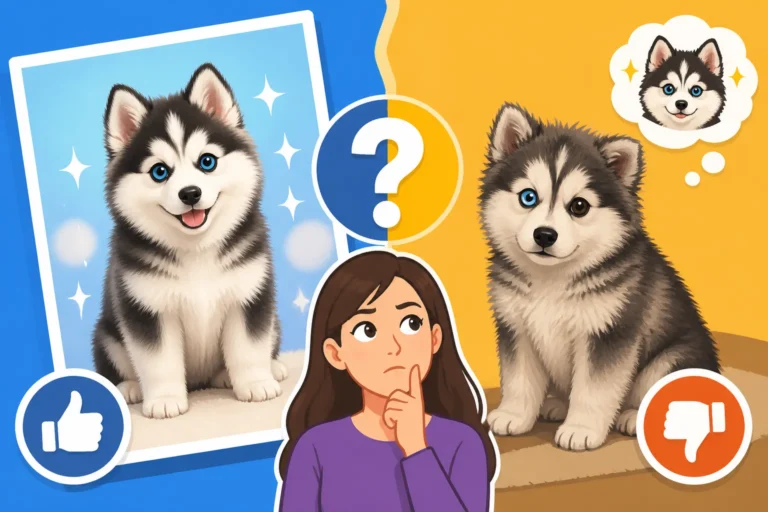
Let's be honest, those early viral photos were stunning. They often showcased Pomskies that looked exactly like pint-sized Huskies, complete with the wolf-like features, erect ears, and often, those captivating blue eyes. This created a powerful narrative: finally, a Husky for everyone, even those in smaller homes or with less robust strength for a large, powerful dog. The mental image of a fluffy, playful, and loyal companion that could join you on adventures, then curl up politely in your lap without overwhelming you, was a compelling one. Many prospective owners saw these images and immediately put down deposits, eager to bring home their miniature Husky, often without fully researching the genetic lottery at play in a crossbreed.
The expectation was a consistent, predictable look and temperament, miniaturized. What many soon discovered was that genetics are rarely that neat and tidy. While some Pomskies do indeed hit that perfect mini-Husky aesthetic, it's far from a guaranteed outcome. The excitement generated by those initial images led many to bypass the rigorous research often associated with adopting a new pet, setting the stage for potential disappointment when their actual puppy grew up looking or acting differently than imagined.
Size and Appearance Surprises
One of the biggest sources of disillusionment for Pomsky owners stems directly from their adult size and appearance. Remember, a Pomsky is a cross between a Siberian Husky and a Pomeranian – two breeds with wildly different sizes and physical traits. While breeders strive for a certain look, there's a huge spectrum of possibilities. Many buyers, expecting a dog under 20 pounds, find themselves with a Pomsky that grows much larger, sometimes reaching 30, 40, or even 50 pounds. This can be a shock, especially if apartment living or travel plans were based on a smaller dog. You can explore How Big a Pomsky Gets to understand the range.
Beyond size, the appearance can vary dramatically. Some Pomskies inherit more of the Pomeranian's fluffy, stand-off coat and dainty features, looking less like a miniature wolf and more like a large Pomeranian. Their ears might be floppier, their muzzle shorter, and their overall build less athletic than the Husky image. Conversely, others might lean heavily into their Husky heritage, becoming taller and leaner, but perhaps not as "compact" as envisioned. This variability means that the adorable puppy you picked out might mature into a dog that doesn't quite fit the picture you had in your mind. The reality often means that Whether Most Pomskies Look Like Big Pomeranians is a very real possibility, and it can be hard to reconcile that with the miniature Husky dream.
Common Sources of Pomsky Owner Disappointment
Beyond the initial visual appeal, the day-to-day realities of Pomsky ownership can present their own set of challenges, often stemming from traits inherited from both parent breeds that new owners weren't fully prepared for. These can lead to significant frustration if not understood and managed proactively.
Unexpected Temperament and Training Challenges
Pomskies are intelligent, there’s no doubt about that, but they can also be notoriously independent and, yes, stubborn. This isn't a malicious trait; it's deeply ingrained from their Husky lineage. Huskies were bred to pull sleds over long distances, often making their own decisions in vast, open terrains. They aren't always eager to please in the way a retriever might be. This means that while your Pomsky might pick up commands quickly, they might also choose to ignore them if something more interesting, like a squirrel or a captivating scent, captures their attention. Many owners expect a biddable, eager-to-train companion, only to find themselves grappling with a dog that has its own agenda. This can make activities like off-leash walking particularly challenging, as the Husky's instinct to run and explore can be very strong. Building Recall on a Pomsky Bred From a Dog That Runs becomes a monumental task.
Furthermore, the Pomeranian side can contribute to a certain "big dog in a small body" attitude, sometimes manifesting as bossiness or suspicion towards strangers, which some new owners find surprising. This combination means that consistent, positive reinforcement training from a very young age is crucial, and even then, some Pomskies will always retain that independent streak. It’s important to acknowledge that Whether a Pomsky Is Stubborn or Independent is a frequent question for a reason – it’s a defining trait for many. If you're expecting a dog that lives to please and follows every command without question, a Pomsky might certainly lead to disappointment.
The Reality of Grooming and Shedding
Ah, the double coat. It's beautiful, it's luxurious, and it sheds. A lot. This is perhaps one of the most consistently underestimated aspects of Pomsky ownership. Both Siberians and Pomeranians have dense double coats, designed to protect them from extreme temperatures. Your Pomsky inherits this, regardless of its size. This means regular, often daily, brushing to prevent mats and reduce the amount of hair floating around your home. Twice a year, usually in spring and fall, Pomskies will "blow" their coat, a process where they shed profusely for several weeks. During this time, you'll be amazed at the sheer volume of fur that comes off. Many owners describe it as feeling like they have a second, invisible Pomsky made entirely of shed hair. For those who anticipated minimal shedding from a smaller dog, this can be a huge shock. Understanding Whether a Pomsky Blows Its Coat Twice a Year is vital for preparation.
Grooming isn't just about brushing; it also involves regular baths, nail trims, and often, professional deshedding treatments. If not properly cared for, their dense undercoat can easily mat, leading to skin irritation and discomfort. This means investing in quality grooming tools, like a good undercoat rake and a high-velocity dryer, to keep them comfortable and your home manageable. The costs and time involved are significant, and if you're not prepared for a daily grooming commitment, you'll quickly become disheartened. Finding the right tools, like those available on Chewy, is a must-have for owners of double-coated breeds. Knowing you'll be living with The Undercoat Rake a Pomsky Owner Lives With is just a part of the deal.
Health Concerns and Costs
While often marketed as a "designer dog" with claims of hybrid vigor, Pomskies are not immune to health problems. In fact, they can inherit conditions common to both parent breeds. This means a wider range of potential issues than a purebred dog, which typically has a more predictable set of breed-specific concerns. Conditions like hip dysplasia, luxating patellas (slipping kneecaps), eye conditions such as progressive retinal atrophy or juvenile cataracts, and even skin issues like Alopecia X or zinc-responsive dermatosis can manifest. You can learn more about the diverse health challenges in The Two Opposite Disease Lists a Pomsky Inherits.
The financial implications of these potential health issues can be substantial. Diagnostic tests, specialized vet visits, medications, and potential surgeries can quickly add up, easily reaching into the thousands of dollars. Many new owners, drawn in by the initial appeal of the breed, don't factor in the long-term veterinary costs, especially for a crossbreed where predicting specific ailments can be challenging. This can lead to significant financial strain and disappointment if you weren't prepared for the potential What a Pomsky's Vet Bills Look Like. It’s a sobering reality that while they are undeniably cute, their health can sometimes be a complex and costly journey.
Beyond the Initial Shock: Finding Joy and Managing Expectations
Despite the challenges, many Pomsky owners are absolutely devoted to their dogs. The key often lies in understanding what you're truly bringing home and adjusting your expectations accordingly. It's about loving the dog you have, rather than continually comparing it to an idealized image.
Understanding the Pomsky's Unique Blend
Once you move past the idea of a "miniature Husky" and embrace the Pomsky for what it truly is – a unique blend of two distinct breeds – you'll find immense joy. These dogs often combine the playful, energetic spirit of a Husky with the sometimes sassy, intelligent nature of a Pomeranian. They can be incredibly affectionate with their families, forming strong bonds, and their vocalizations are a source of endless amusement for many (if you appreciate "talking" dogs!). They are often highly intelligent and thrive on mental stimulation, enjoying puzzle toys, training games, and engaging activities that challenge their minds.
Instead of focusing on what they aren't, try to celebrate their individual quirks and personality traits. Your Pomsky might be a bit stubborn, but that also makes them resilient and independent. Their shedding might be constant, but it's part of what gives them their beautiful, plush coat. Embrace the blend of traits, both expected and unexpected, and you'll find a truly special companion.
Proactive Research and Reputable Breeders
The best way to avoid disappointment is to be meticulously prepared before you even bring a Pomsky puppy home. This means doing your homework – and then doing some more. Don't rely solely on Instagram photos. Instead, seek out reputable breeders who are transparent about their breeding practices, health testing, and the potential size and temperament variations within their lines. A good breeder will welcome questions and provide extensive information about the parent dogs, including their weights, temperaments, and health clearances. They should also be able to show you The Health Tests a Pomsky Breeder Should Show. Be wary of breeders who offer unusually low prices or make unrealistic guarantees about size or coat type, as these are often red flags, and you should question Whether a Cheap Pomsky Is Really a Pomsky.
Visiting the breeder, meeting the parent dogs (especially the dam), and seeing the puppies in person can give you a much clearer picture of what to expect. Talk to other Pomsky owners in online communities or local dog parks. Ask about their experiences, both good and bad. The more informed you are, the better equipped you'll be to make a decision that aligns with your lifestyle and expectations, which you can then supplement with initial supplies from trusted retailers like Chewy.
Realistic Long-Term Commitment
Bringing any dog into your life is a significant long-term commitment, and a Pomsky is no exception. They require consistent training, daily exercise, regular grooming, and ongoing veterinary care for their entire lives, which can easily span What Fourteen Years With a Pomsky Comes To. This isn't a "set it and forget it" pet; it's a dynamic relationship that requires time, effort, and financial resources.
Consider all aspects of ownership:
- Time: Can you commit to daily walks, playtime, and training sessions?
- Grooming: Are you prepared for the regular brushing and seasonal blowouts?
- Training: Are you patient and consistent enough to work with an intelligent, sometimes stubborn breed?
- Finances: Have you budgeted for food, routine vet care, potential health issues, and emergency funds?
By going into Pomsky ownership with open eyes and a realistic understanding of the breed's characteristics and needs, you're much more likely to have a fulfilling and joyful experience. The key isn't to hope for a specific outcome, but to be prepared for the journey and appreciate the unique dog that joins your family, whatever its size or personality. Many owners eventually realize that the perceived "disappointments" were simply unmet expectations, and when those expectations are realigned, the joy of a Pomsky is undeniable. It's a journey, and like any journey, it has its twists and turns. As many owners reflect, understanding What Nobody Warns a Pomsky Buyer About early on can make all the difference.
| Aspect | Common Buyer Expectation (Often Misguided) | Common Pomsky Reality (More Likely) |
|---|---|---|
| Size | Miniature Husky (10-15 lbs) | Small to Medium Dog (15-40+ lbs), significant variability |
| Appearance | Exact miniature of a Husky | Wide range, can lean heavily Pomeranian or Husky, or be a true mix |
| Shedding | Minimal, like a small dog | Significant, especially during seasonal coat blowouts |
| Grooming | Occasional brushing, low maintenance | Regular to daily brushing, professional grooming often needed |
| Temperament | Eager to please, easily trainable | Independent, intelligent, can be stubborn, requires consistent training |
| Noise Level | Quiet, apartment-friendly | Can be vocal (howling, talking), may bark like a Pomeranian |
| Health | Hybrid vigor, few health issues | Can inherit issues from both Huskies and Pomeranians, vet visits common |
| Exercise | Short walks, indoor play sufficient | Moderate to high energy, needs daily walks and mental stimulation |
| Cost | Initial purchase + basic upkeep | Initial purchase + significant ongoing costs (food, vet, grooming) |
Disclaimer
This article is for general informational purposes only and does not constitute professional advice. Laws, prices and regulations vary by location and change over time. Consult a qualified professional for guidance on your specific situation.