Whether the Pomsky Raised Welfare Questions
When the Pomsky first burst onto the internet scene with those irresistible photos, it quickly became a sensation, creating a huge demand for what appeared to be a miniature Husky. But behind the adorable visuals and the instant popularity, a lot of serious questions about the ethical implications and welfare of these dogs began to surface among seasoned dog enthusiasts, veterinarians, and animal welfare organizations. This guide will delve into those critical welfare questions, exploring the challenges and controversies that arose with the creation and rising popularity of the Pomsky, and what this means for both breeders and prospective owners.
The Origins and Early Welfare Scrutiny of a New Crossbreed
The Pomsky's story really began with viral images that weren't even Pomskies at all. These captivating pictures sparked an immediate, fervent desire for a small dog with the striking looks of a Husky. This demand, however, predated the actual existence of the breed, putting immense pressure on breeders to create these dogs. This initial scramble raised the first red flags for many.
The Viral Photos Versus Breeding Reality
The internet is a powerful thing, and in the early 2010s, a few doctored or mislabeled photos of Spitz-type dogs, often Alaskan Klee Kais or Finnish Lapphunds, went viral, purporting to be "mini Huskies" or "Pomskies." People saw these images and instantly fell in love, wanting one of their own. The 2011 Photos That Were Not Pomskies details this phenomenon. The problem was, the breed didn't genuinely exist in any standardized, consistently bred form. This created a vacuum that many breeders, some responsible and many not, rushed to fill. The urgency to produce these highly sought-after dogs, without established breed standards or a deep understanding of the potential health and temperament outcomes, was a primary concern for welfare advocates. It felt, to many, like a trend-driven creation rather than a thoughtfully developed crossbreed.
This immediate, consumer-driven demand put the cart before the horse, so to speak. Instead of a breed being developed over generations with careful consideration for health, temperament, and functionality, the Pomsky was born out of a desire for a particular aesthetic. This meant that the initial generations could be quite unpredictable, leading to dogs that didn't always fit the picture people had in their minds, whether in size, coat, or personality. The welfare question here wasn't just about the puppies, but also about the parent dogs used in these often experimental pairings.
The Inherent Challenges of Breeding by Design
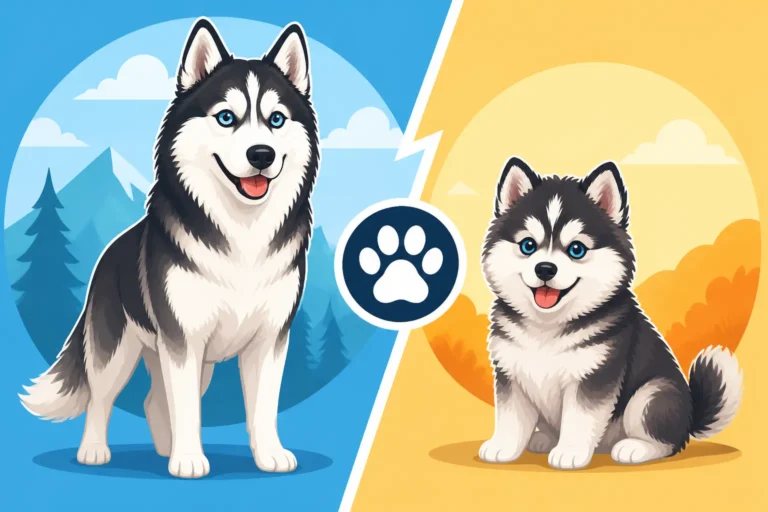
Creating a Pomsky involves crossing a Siberian Husky with a Pomeranian, two breeds with significant size differences. This isn't something that can happen naturally or easily. A Husky male attempting to breed with a Pomeranian female would be incredibly dangerous, if not impossible, for the smaller female. This means that the mother must almost invariably be the larger Siberian Husky, and the breeding process requires artificial intervention.
Why a Pomsky Cannot Be Bred Naturally explains this in detail, but suffice to say, artificial insemination (AI) is the standard for Pomsky breeding. While AI itself is a common and safe veterinary procedure, the necessity of it highlights the unnatural origins of the crossbreed. The welfare concern here isn't solely about the AI procedure, but about the reason it's necessary: the stark physical incompatibility of the parent breeds. It's an intervention to achieve a specific aesthetic goal, rather than a natural pairing for the continuation of a healthy breed line. The costs and complexities associated with this breeding method also mean that some less scrupulous breeders might cut corners, further jeopardizing the health and welfare of the parent dogs and their offspring.
Health and Genetic Considerations for Pomskies
A common misconception about crossbreeds, often referred to as "hybrid vigor," is that they are inherently healthier than purebreds because of their mixed genetic makeup. While mixing breeds can broaden the gene pool, it doesn't automatically guarantee health. When it comes to Pomskies, the welfare questions often revolve around the health screenings, genetic predispositions, and the potential for concentrating undesirable traits from both parent breeds.
Combining Genetic Predispositions
Both Siberian Huskies and Pomeranians have their own sets of inherited health issues. Huskies can be prone to hip dysplasia, various eye conditions like juvenile cataracts or progressive retinal atrophy, and sometimes hypothyroidism. Pomeranians are known for patellar luxation (slipping kneecaps), tracheal collapse, dental issues due to their small mouths, and sometimes Alopecia X (black skin disease). When you combine these two breeds, a Pomsky can potentially inherit any of these conditions from either side of its family tree.
This means a responsible Pomsky breeder should be thoroughly health testing both parent dogs for the conditions common to their respective breeds. For example, a Husky parent should have hip and elbow evaluations, and regular eye exams. A Pomeranian parent should be screened for patellar luxation. Without these crucial screenings, breeders risk passing on serious, painful, and expensive health problems to the puppies. Buyers need to be diligent in asking for proof of these health clearances, not just veterinary check-ups. Slipping Kneecaps in a Pomsky and Hip Dysplasia in a Pomsky are serious conditions that can dramatically impact a Pomsky's quality of life, and without testing, you're taking a significant gamble.
The Nuance of Hybrid Vigor in Crossbreeds
The concept of "hybrid vigor" suggests that a crossbreed benefits from increased genetic diversity, leading to improved health and vitality compared to highly inbred purebreds. While this can be true in some cases, it's not a blanket guarantee for all crossbreeds, especially those developed rapidly for market demand. Whether an F1 Pomsky Is Healthier Than an F2 delves into the complexities of different generations.
The welfare concern here arises when breeders use the "hybrid vigor" argument to justify not performing health clearances, assuming their crossbred puppies will be robust. In reality, a Pomsky is still susceptible to all the genetic predispositions of both parent breeds. If both parents carry a gene for a particular disease, the puppies are just as likely, if not more, to develop that condition. For instance, a Pomsky could inherit a tendency for bad hips from its Husky side and fragile kneecaps from its Pomeranian side, leading to a dog with multiple orthopedic challenges. True hybrid vigor comes from careful, intentional outcrossing within a breed or between carefully selected, healthy parent lines, not simply from mixing two breeds without screening.
Temperament, Lifestyle Needs, and Ethical Responsibility
Beyond the physical health, the welfare of a Pomsky is heavily influenced by its temperament, its needs as a dog, and the preparedness of its owners. The combination of a high-energy, independent Husky and a sometimes-vocal, intelligent Pomeranian can result in a dog whose personality is challenging for unprepared families.
Unpredictable Temperament and Rehoming Risks
One of the biggest welfare questions revolves around the unpredictable nature of a Pomsky's temperament and energy levels. While some Pomskies might inherit the calmer, more affectionate traits of one parent, others might get the high prey drive and desire to roam from the Husky, combined with the stubbornness and vocal tendencies of the Pomeranian. This can lead to a dog that is incredibly smart but also highly independent, prone to escaping, and very vocal. Whether a Pomsky Is Stubborn or Independent highlights these traits.
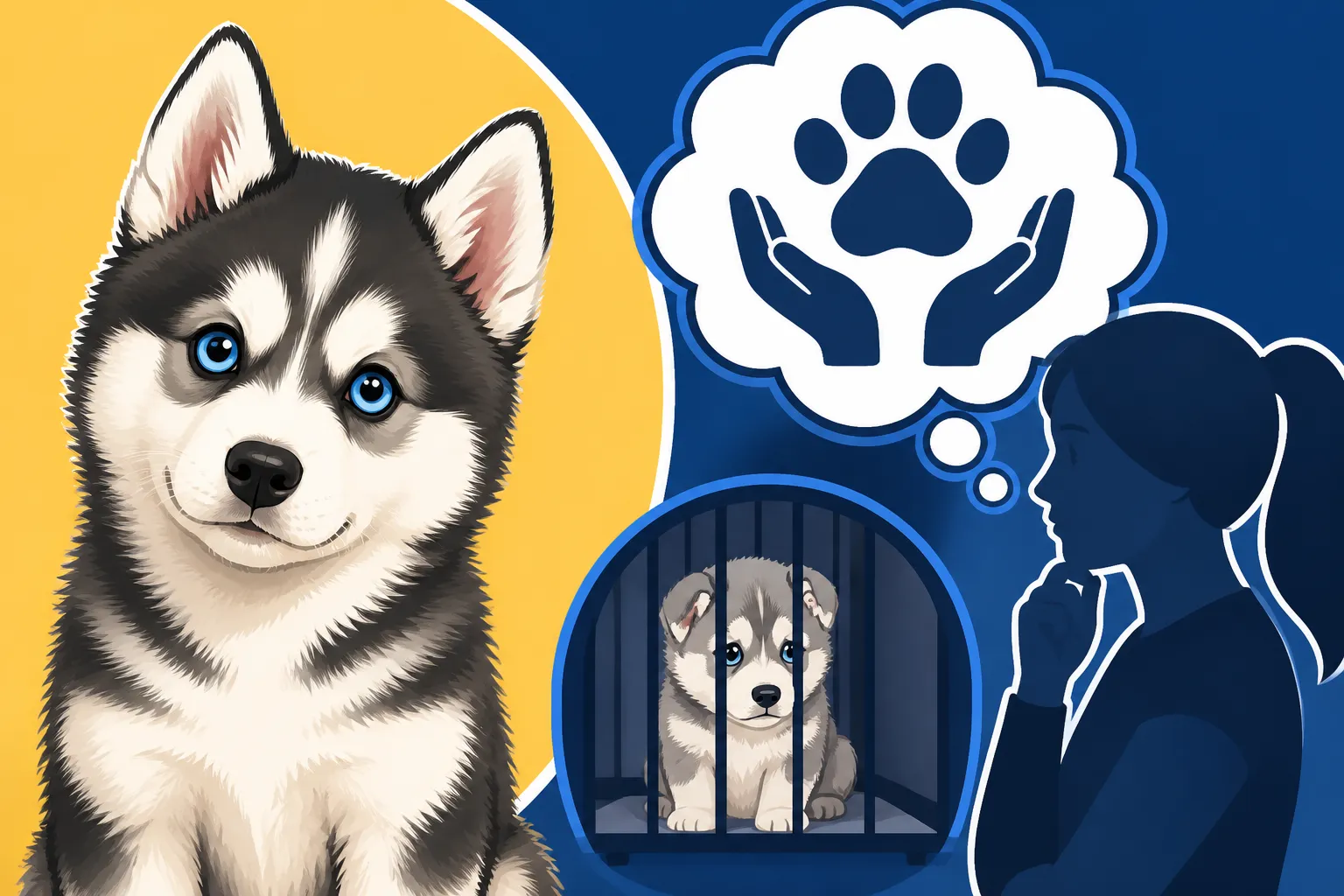
When families aren't prepared for a dog with these combined characteristics, issues can arise. A Pomsky that howls incessantly in an apartment, or continually tries to escape the yard, might quickly become overwhelming for its owners. This sadly leads to many Pomskies ending up in shelters or rescues, often by the age of two. Why Pomskies Reach Rescue at Two explores the reasons behind this unfortunate trend. Rescues often see Pomskies surrendered because owners underestimated their energy needs, grooming requirements, or strong-willed personalities. This cycle of acquisition and surrender is a significant welfare concern for any breed or crossbreed.
The Role of Responsible Breeders and Owners
Addressing Pomsky welfare largely falls on the shoulders of responsible breeders and, ultimately, responsible owners. An ethical breeder prioritizes the health and temperament of their dogs above all else, not just visual appeal. This means:
- Extensive Health Testing: As mentioned, screening both parent breeds for common genetic conditions.
- Temperament Assessment: Ensuring both parent dogs have stable, friendly temperaments suitable for breeding.
- Transparency: Being open about potential health risks, size variations (What a Pomsky Actually Weighs Full Grown), and behavioral traits.
- Contracts and Support: Offering a comprehensive contract that often includes a health guarantee What a Pomsky Health Guarantee Covers and a commitment to take the dog back if an owner can no longer care for it.
- Educating Buyers: Thoroughly vetting prospective owners to ensure they understand the commitment The Exercise a Pomsky Needs Every Day and are prepared for the specific needs of a Pomsky.
For prospective owners, taking the time to do your research, ask probing questions, and understand what makes a good breeder is paramount. Don't be swayed by cute puppy pictures alone. Whether an Untested Pomsky Litter Is Worth Buying is a critical read for anyone considering this crossbreed. A responsible breeder might have a waiting list, charge a fair price that reflects their health testing and care, and won't always have puppies immediately available. This is a sign of good practice, not a deterrent. If you're looking for quality food and supplies for your Pomsky, a reliable retailer like Chewy can be a great resource, but remember that the foundational welfare starts long before that.
Here's a quick overview of what differentiates a responsible approach from one that raises welfare concerns:
| Aspect | Responsible Breeding Practice | Welfare Concern / Irresponsible Practice |
|---|---|---|
| Motivation | Improve health, temperament, and ethical lineage. | Respond to market demand for a "look," maximize profit. |
| Parent Selection | Health-tested, temperament-sound Husky and Pomeranian. | Unproven parents, no health testing, unknown lineage. |
| Breeding Method | Artificial Insemination performed by a veterinarian. | DIY or unsafe AI, attempting natural breeding. |
| Health Guarantee | Clear contract outlining genetic health guarantee. | No guarantee, "as-is" sale, vague promises. |
| Buyer Education | Thorough discussion of breed traits, needs, potential challenges. | Focus on cuteness, downplaying challenges, quick sale. |
| Puppy Placement | Vetting prospective homes, lifelong support for the dog. | Selling to anyone with cash, no follow-up. |
| Take-Back Clause | Breeder commits to taking back any dog that needs rehoming. | No responsibility for rehomed dogs. |
The welfare questions surrounding the Pomsky were, and in some corners still are, a direct consequence of the rapid, market-driven creation of a crossbreed without established guidelines or universal ethical standards. However, with growing awareness and the dedication of ethical breeders and informed owners, the focus can shift towards ensuring these delightful dogs lead healthy, happy lives. Your commitment as an owner, from choosing the right breeder to providing excellent care with products from stores like Chewy, truly makes all the difference.
Disclaimer
This article is for general informational purposes only and does not constitute professional advice. Laws, prices and regulations vary by location and change over time. Consult a qualified professional for guidance on your specific situation.