Whether a Pomsky Needs a Yearly Eye Exam
It’s a natural worry for any Pomsky parent: are those stunning, often piercing eyes as healthy as they look? With their unique blend of Siberian Husky and Pomeranian traits, Pomskies can inherit a variety of characteristics, and eye health is definitely one that warrants close attention. This guide aims to thoroughly explore why annual eye exams are not just a good idea, but a crucial part of preventative care for your beloved Pomsky, helping you navigate the world of canine ophthalmology with confidence.
Understanding Pomsky Eye Health: A Mixed Heritage Perspective
When you bring a Pomsky into your life, you’re essentially adopting a little genetic lottery winner. They get their looks, their personality quirks, and yes, their potential health predispositions from two very distinct breeds: the stoic Siberian Husky and the spirited Pomeranian. This mixed heritage means their eyes can be susceptible to conditions common in either or both parent breeds, making proactive care absolutely paramount.
The Genetic Blend: Husky and Pomeranian Eye Tendencies
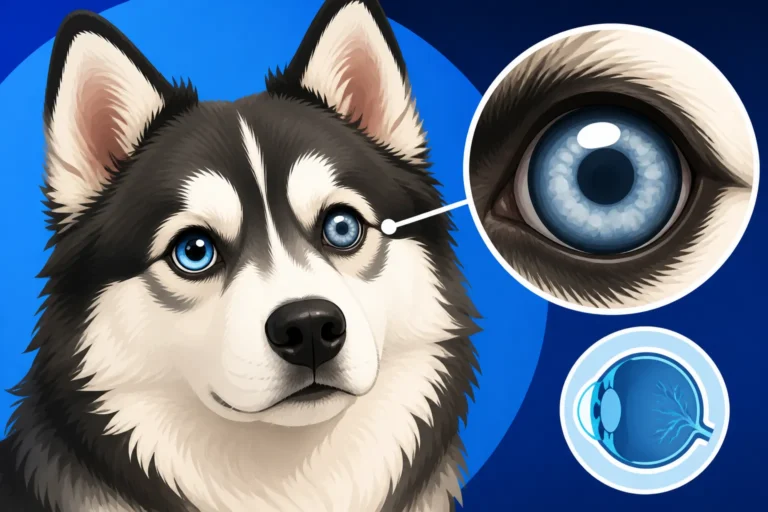
Siberian Huskies are renowned for their striking blue eyes, but this beauty can sometimes come with a predisposition to certain genetic eye conditions. They can be prone to inherited cataracts, specifically juvenile cataracts, which can appear quite early in life. Progressive Retinal Atrophy (PRA) is another concern, a degenerative disease that slowly leads to blindness. Corneal dystrophy, a condition affecting the cornea's clarity, is also noted in Huskies. It's a lot to consider, and responsible breeders will always screen for these conditions in their breeding stock. You might want to read more about The Eyes a Pomsky Gets From the Husky to understand the full spectrum.
On the other side of the family, Pomeranians, while generally having fewer widespread eye issues than Huskies, can also contribute to a Pomsky's potential eye health landscape. Conditions like distichiasis (extra eyelashes growing inward) or entropion (inward-rolling eyelids) can cause irritation and vision problems. While not as prone to the more severe degenerative conditions, their smaller size can sometimes correlate with other structural issues. The combination of these two genetic backgrounds means a Pomsky can truly be a mixed bag when it comes to ocular health, making vigilance key for owners.
Common Eye Conditions in Pomskies
Given their lineage, Pomskies are indeed at risk for several eye conditions that can range from irritating to sight-threatening. Juvenile cataracts, as mentioned, are a significant concern, often appearing before the dog reaches six years of age. These can lead to clouding of the lens, impairing vision and, if severe enough, requiring surgical intervention. It's truly heartbreaking to see a young dog struggling with vision, which is why early detection is so critical. For more detail, consider learning about The Juvenile Cataracts a Pomsky Gets From the Husky.
Another condition often seen is progressive retinal atrophy (PRA), which is essentially a group of degenerative diseases affecting the retina. It causes the photoreceptor cells in the eye to deteriorate over time, leading to gradual vision loss and eventually blindness. There's no cure for PRA, but early diagnosis allows owners to prepare and make adjustments for their dog's changing needs. Then there's Corneal Dystrophy in a Pomsky, which affects the clear outer layer of the eye, sometimes causing cloudiness or discomfort. Other potential issues include glaucoma, distichiasis, and even Persistent Pupillary Membranes (PPMs). Each of these conditions, if left unchecked, can significantly impact your Pomsky's quality of life, underscoring the importance of regular veterinary oversight.
Why Annual Eye Exams Are More Than Just a Check-up
You might think, "My Pomsky seems fine, why drag them to the vet for an eye exam every year?" But here's the thing: many eye conditions, especially in their early stages, are sneaky. Your dog might be experiencing discomfort or vision changes long before you notice any overt signs. Annual eye exams go beyond a quick look; they're a thorough investigation designed to catch these subtle issues and prevent them from escalating.
Early Detection of Inherited Conditions
For breeds like the Pomsky, with a genetic predisposition to several eye diseases, early detection isn't just a convenience; it's a game-changer. Imagine a condition like glaucoma, which causes painful pressure buildup within the eye. If caught early, medication can often manage the pressure, preserving vision and alleviating pain. If left too long, irreversible damage, including blindness, can occur. The same goes for cataracts; while small ones might not initially bother your Pomsky, monitoring their progression annually helps your vet determine the best time for intervention, should surgery become necessary. This proactive approach can literally save your dog's sight and prevent immense suffering.
Breeders, especially those adhering to high standards, will often have their breeding dogs undergo specific eye certifications, like those offered by the Orthopedic Foundation for Animals (OFA) through their Companion Animal Eye Registry (CAER) exams. These specialized exams screen for a wide array of inherited eye diseases. Even if your Pomsky came from a well-screened lineage, these conditions can sometimes manifest despite the parents being clear. An annual vet visit, including a thorough eye check, acts as a crucial safety net. You can dive deeper into Whether a Pomsky Needs a CAER Exam to understand how these certifications work and why they're so valuable.
Monitoring Age-Related Eye Changes
Just like humans, dogs experience changes in their eyes as they age. Conditions like nuclear sclerosis, a bluish-grey haze in the lens that's distinct from cataracts, are common in older dogs. While it typically doesn't impair vision significantly, it's important for your vet to differentiate it from more serious issues like cataracts. Annual exams allow your veterinarian to establish a baseline of your Pomsky's ocular health and meticulously track any subtle changes year over year. This historical record is invaluable, as it enables them to spot deviations from the norm early on, distinguishing between benign age-related changes and the onset of a progressive disease.
Moreover, certain conditions like chronic dry eye can develop with age, leading to discomfort and potential corneal damage. Your vet can monitor for reduced tear production and suggest lubricating drops or other treatments to keep your Pomsky comfortable. Regular check-ups help ensure that age doesn't diminish their quality of life due to easily preventable or manageable eye issues. This continuous monitoring is a cornerstone of responsible senior pet care, providing peace of mind as your furry friend gracefully ages.
Addressing Sudden Ocular Issues
Beyond inherited and age-related conditions, Pomskies, like any dog, can experience sudden eye problems. An unexpected scratch to the cornea from playing too rough, an allergic reaction causing conjunctivitis, or even an infection can arise quickly and cause significant pain and potential long-term damage if not addressed promptly. While you should always seek immediate vet care for sudden, severe eye issues, annual exams provide an opportunity to discuss any minor, intermittent concerns you might have noticed throughout the year.
Sometimes, what seems like a minor irritation might be a symptom of a larger, underlying problem that your vet can catch during a routine exam. Perhaps your Pomsky’s eyes water slightly more than usual, or they squint occasionally in bright light – these could be early indicators of something brewing. A comprehensive annual exam ensures these smaller, often overlooked signs are investigated before they become a full-blown emergency. It's like a preventive maintenance check for their eyes, safeguarding against both the big and small threats.
What Happens During a Comprehensive Eye Exam
A comprehensive eye exam for your Pomsky is far more than just your vet peeking into their eyes with a flashlight. It involves a systematic approach, often utilizing specialized tools and diagnostic tests to get a complete picture of their ocular health, from the surface of the eye to the deeper structures. Knowing what to expect can help ease any anxiety for both you and your furry friend.
The Standard Ocular Examination Process
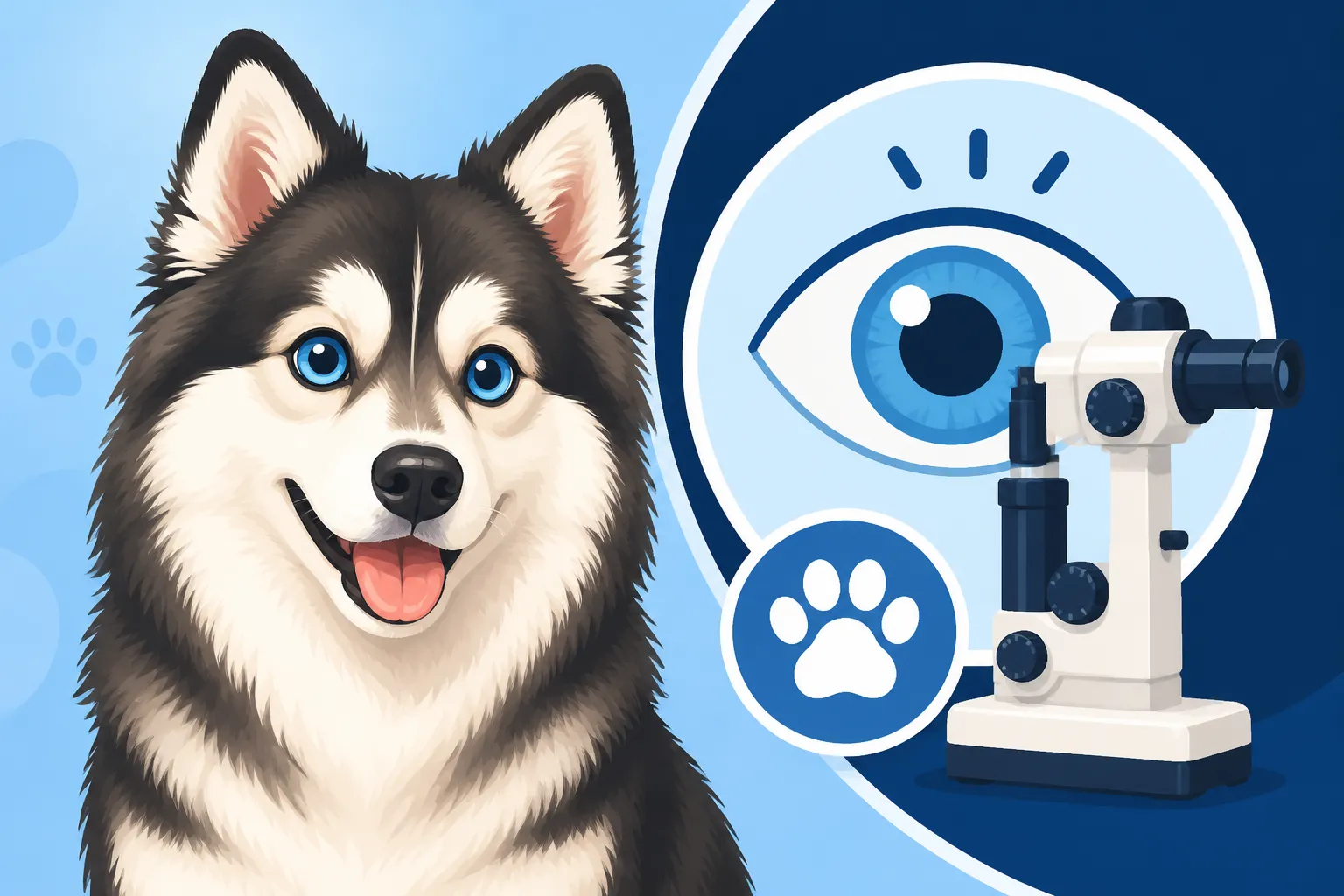
Typically, a thorough eye exam starts with a general observation of your Pomsky's eyes, noting symmetry, discharge, redness, or any visible abnormalities. Your vet will then likely use an ophthalmoscope to look at the internal structures of the eye, including the retina, optic nerve, and lens, checking for any cloudiness, lesions, or other irregularities. This part can be a bit tricky, especially with an excited Pomsky, so sometimes a darkened room helps focus their attention.
Next, a Schirmer Tear Test might be performed, where small strips of paper are placed in the lower eyelid for a minute to measure tear production. This is crucial for diagnosing dry eye. Fluorescein dye may also be applied to the eye. This orange dye temporarily stains any corneal abrasions or ulcers bright green when viewed under a blue light, making even tiny scratches visible. Your vet might also measure intraocular pressure using a tonometer, a gentle device that touches the cornea to check for glaucoma. This whole process is usually well-tolerated by most dogs and provides a wealth of information about their eye health.
Specialized Diagnostic Tests for Pomskies
Given their breed predispositions, your veterinarian might recommend more specialized tests, especially if they note anything unusual during the standard exam or if your Pomsky belongs to a high-risk line. Electroretinography (ERG), for example, measures the electrical responses of the cells in the retina, which is essential for diagnosing conditions like progressive retinal atrophy before clinical signs are obvious. While not typically part of a routine annual exam, it can be a vital diagnostic tool if PRA is suspected. If you're concerned about Whether a Pomsky Gets Progressive Retinal Atrophy, this is a test to discuss.
Another specialized test that might be considered is genetic testing. For certain inherited eye conditions, DNA tests can identify if your Pomsky carries the genes responsible, even if they aren't currently showing symptoms. This information is invaluable for breeders and can help owners understand their dog's long-term health outlook. Ultrasound of the eye can also be used if the vet needs to examine structures behind the lens or if there's significant opacity preventing a clear view. These tests, while more involved, provide an unparalleled level of detail to ensure your Pomsky’s eyes are as healthy as possible.
Recognizing the Signs of Eye Problems in Your Pomsky
As a devoted Pomsky parent, you’re often the first line of defense against potential health issues. Being observant and knowing what subtle changes to look for can make all the difference in catching an eye problem early. It's not always about obvious redness or discharge; sometimes, the signs are much more nuanced.
Subtle Behavioral Cues
Pomskies are intelligent and can be quite stoic, sometimes hiding discomfort remarkably well. However, behavioral changes are often the first, albeit subtle, indicators of eye trouble. You might notice your Pomsky rubbing their face against furniture, carpets, or even your leg more frequently than usual. This is often an attempt to relieve irritation or itchiness. They might also start blinking excessively or squinting, especially in bright light, which can indicate pain or sensitivity. If you're noticing your Pomsky's eyes watering a lot, it could be a sign of irritation, allergies, or something more serious. Check out Whether a Pomsky's Eyes Water in Wind for related information.
Beyond direct eye contact, pay attention to their overall demeanor. Are they suddenly more hesitant to jump off the couch or navigate stairs, especially in dim lighting? This could suggest a decline in vision. A Pomsky that usually greets you eagerly but now seems a little disoriented or slow to react could be struggling to see properly. They might also become more clingy or anxious in unfamiliar environments because they're relying more on you as their "eyes." These small shifts in behavior are your dog's way of telling you something isn't quite right.
Visible Physical Symptoms
While subtle cues are important, there are also more overt physical symptoms that scream "eye problem!" Redness in the white part of the eye (sclera) or around the eyelids is a common sign of inflammation or infection. Any discharge from the eye, whether it's clear and watery, thick and yellow, or green and pus-like, is a definite red flag. A clear, watery discharge can indicate allergies or irritation, but thicker, colored discharge often points to a bacterial infection requiring veterinary attention.
Cloudiness or haziness in the eye, particularly over the pupil, can indicate cataracts, corneal dystrophy, or other issues affecting the clarity of the lens or cornea. If your Pomsky's pupil appears uneven in size, or if one eye seems larger or bulges slightly, it could be a sign of glaucoma, a painful and vision-threatening condition. Swelling around the eye, drooping eyelids, or hair loss around the eye area also warrant immediate investigation. Don't delay in contacting your vet if you observe any of these pronounced physical changes. This is where your vigilance can truly make a difference in their comfort and long-term eye health.
| Condition Name | Common Symptoms | Typical Exam Findings | Severity |
|---|---|---|---|
| Juvenile Cataracts | Cloudiness in pupil, bumping into objects, hesitancy in dim light | Opaque lens, sometimes visible without magnification | Moderate to Severe |
| Progressive Retinal Atrophy (PRA) | Night blindness, bumping into objects in low light, dilated pupils | Retinal degeneration, often detected with ERG before visible signs | Severe (leads to blindness) |
| Corneal Dystrophy | Cloudy or hazy cornea, sometimes discomfort, vision impairment | Whitish-gray opacity on cornea, varied patterns | Mild to Moderate |
| Glaucoma | Redness, pain, excessive tearing, squinting, enlarged eye, dilated pupil | Elevated intraocular pressure, optic nerve damage | Severe (emergency) |
| Dry Eye (KCS) | Redness, thick discharge, rubbing eyes, dull/dry cornea | Low tear production on Schirmer test, corneal changes | Mild to Moderate |
| Distichiasis | Eye irritation, excessive tearing, squinting | Extra eyelashes growing from eyelid margins, rubbing cornea | Mild to Moderate |
| Conjunctivitis | Redness, swelling, discharge (clear to pus-like) | Inflamed conjunctiva, potential foreign body or infection | Mild to Moderate |
Proactive Care Beyond the Vet's Office
While annual veterinary eye exams are critical, your role as a Pomsky owner extends far beyond just scheduling those appointments. There are numerous daily habits and lifestyle choices that can significantly contribute to maintaining your Pomsky’s eye health and overall well-being. Think of it as a holistic approach to keeping those beautiful eyes sparkling.
Daily Eye Care and Observation
Making a quick eye check part of your daily routine can catch issues before they escalate. When you’re cuddling your Pomsky or giving them their morning greeting, take a moment to look closely at their eyes. Are they clear and bright? Is there any discharge? Are the eyelids clean, or are there any crusts building up? Gently wipe away any sleep crusts with a soft, damp cloth, always wiping away from the eye. If you notice any persistent redness, swelling, or excessive tearing, it's time to contact your vet. For instance, if you suspect Whether a Pomsky Gets Dry Eye, consistent observation is key before a diagnosis.
Regular grooming is also a component of eye care. For Pomskies, especially those with longer fur around their faces, keeping the hair trimmed can prevent it from irritating the eyes or harboring bacteria. If your Pomsky enjoys outdoor adventures, especially in tall grass or dusty areas, a quick rinse with a veterinary-approved eye wash can help flush out any irritants. Just be sure to use products specifically designed for canine eyes, and always introduce new routines slowly and with positive reinforcement.
Nutritional Support for Eye Health
What your Pomsky eats plays a role in their overall health, including their eyes. A high-quality, balanced diet rich in antioxidants, vitamins, and minerals can help support ocular health. Look for dog foods that contain ingredients like beta-carotene (found in carrots and sweet potatoes), vitamins E and C, zinc, and omega-3 fatty acids (like DHA and EPA, often found in fish oil). These nutrients are known for their antioxidant properties, which can help protect the cells in the eyes from damage caused by free radicals. Some Pomsky owners even provide supplements, but this should always be done under veterinary guidance. For more information, you could research Whether a Pomsky Needs Extra Zinc as it relates to general health, but also specifically to eye tissue health.
While a complete and balanced commercial diet should provide most of what your Pomsky needs, some vets might recommend specific supplements if your dog has a diagnosed eye condition or is genetically predisposed to certain issues. For example, some studies suggest that certain antioxidants might slow the progression of some forms of cataracts or retinal degeneration. Always consult with your veterinarian before adding any supplements to your Pomsky’s diet, as excessive amounts of certain vitamins can be harmful.
Choosing the Right Vet and Insurance
Finding a veterinarian who is thorough and proactive about eye health is incredibly important for a Pomsky. Ideally, your vet should have a good understanding of the breed's predispositions and be equipped to perform a comprehensive ocular exam. If your vet identifies a complex eye issue, they might refer you to a board-certified veterinary ophthalmologist, a specialist who has advanced training and equipment for diagnosing and treating canine eye diseases. Don't hesitate to seek a referral if your vet suggests it, as these specialists can offer the most advanced care.
Given the potential for inherited eye conditions and the costs associated with specialized diagnostic tests or surgeries (like What Cataract Surgery Costs on a Pomsky), pet insurance can be a real lifesaver. Companies like Healthy Paws offer various plans that can help cover a significant portion of veterinary bills for unexpected illnesses or accidents, which often include eye conditions. When choosing a plan, it's wise to review what eye-related conditions are covered and if there are any exclusions for hereditary or congenital conditions. Some policies might have waiting periods for these specific issues or might exclude conditions that were pre-existing before the policy began. Understanding your policy with a provider like Healthy Paws upfront can provide financial peace of mind. Regular check-ups with your trusted vet are often a prerequisite for your insurance to cover later treatments, so staying on schedule is doubly beneficial. Also, be sure to inquire Whether Eye Disease Is Excluded on a Pomsky from potential insurance policies.
Disclaimer
This article is intended for informational purposes only and does not constitute veterinary advice. Always consult with a qualified veterinarian for any health concerns or before making any decisions about your Pomsky's medical care.