The Birthday a Pomsky Counts as Senior
It's a bittersweet moment when you start noticing those subtle shifts in your beloved Pomsky – a little more gray around the muzzle, a slower pace on walks, or perhaps an extra long nap in a sunny spot. For many Pomsky parents, a common frustration is not knowing exactly when to start considering their furry family member "senior." This guide aims to clear up that confusion, diving deep into what seniority means for a Pomsky and how you can best support them through their golden years.
The Journey to Seniority: A Canine Perspective
Before we zoom in on our charming Pomskies, let's talk a little about dog aging in general. It's not a one-size-fits-all equation, and understanding the broader strokes helps us appreciate the nuances with our unique crossbreeds.
When Most Dogs Are Considered Senior
Traditionally, many people thought dogs aged seven human years for every one dog year. While catchy, that's far too simplistic. The truth is, a dog's "senior" status isn't just about a magic number; it's heavily influenced by their size and breed. For a long time, the veterinary community broadly considered dogs senior around 7 years of age. This benchmark often marked the shift towards more focused preventative care, looking out for age-related conditions.
However, modern veterinary science has refined this a bit. Smaller breeds, generally living longer, tend to enter their senior years later than their larger counterparts. Think about a Chihuahua versus a Great Dane – their lifespans are drastically different, and so are their aging curves. It’s more about a percentage of their expected lifespan. For most dogs, the senior phase begins when they’ve lived about 75-80% of their anticipated years. This is why a larger dog might be considered senior at 5-6 years, while a tiny toy breed might not hit that milestone until 9-10 years old.
Why Breed Size Matters for Seniority
The biological reasons behind why smaller dogs often live longer and are considered senior later are complex, but generally involve metabolism and growth rates. Large and giant breeds grow at an incredibly rapid pace, which can put more stress on their bodies, leading to faster cellular aging and a higher incidence of age-related diseases earlier in life. Their hearts, joints, and organs simply work harder and wear out sooner.
Small and medium-sized dogs, on the other hand, have slower growth phases and often more efficient metabolisms. This isn't to say they don't have their own health challenges, but the onset of age-related conditions tends to be delayed. This prolonged "middle age" means that breeds like the Pomeranian, with an average lifespan of 12-16 years, will typically enter their senior years much later than a breed like a Bernese Mountain Dog, which might only live 7-10 years and be considered senior at 4-5. Understanding this general principle is key to then applying it to a crossbreed like the Pomsky, who carries the genetic legacy of both small and medium-large parents.
Pinpointing Pomsky Seniority
Now, let's get specific about our wonderful Pomskies. Because they're a hybrid, figuring out their exact senior age can feel a bit like a guessing game, but we can make some pretty educated estimates based on their parent breeds.
The Blended Lifespan of a Pomsky
A Pomsky is a mix of a Siberian Husky and a Pomeranian. These two breeds have distinct, yet often overlapping, lifespans. Huskies typically live for 12 to 15 years, while Pomeranians often enjoy a slightly longer run, ranging from 12 to 16 years. When these two come together to create a Pomsky, we generally see their lifespan fall within this combined range. Most sources suggest that The Twelve to Fifteen Years a Pomsky Lives is a realistic expectation, meaning they generally fall into the category of medium-sized dogs with a respectable lifespan.
Given this, the typical "seven human years equals one dog year" rule doesn't quite fit. Instead, we look for that approximate 75-80% mark of their expected life. If a Pomsky is likely to live 12-15 years, then reaching the 8-9 year mark means they've completed a significant portion of their journey and are likely transitioning into their senior years. This is usually when you start to see the more obvious, yet often subtle, signs of aging.
Common Age Range for Pomsky Senior Status
Based on their parentage and average lifespan, most veterinarians and Pomsky enthusiasts generally agree that a Pomsky enters their senior years around 7 to 9 years of age. For a Pomsky that is on the smaller side, perhaps closer to the Pomeranian weight, they might lean towards the later end of this range, perhaps hitting seniority closer to 9 years old. A larger Pomsky, leaning more towards the Husky's stature, might show signs of aging a bit earlier, closer to 7 or 8.
It's crucial to remember that this is an average, and every dog is an individual. Genetics, lifestyle, nutrition, and overall health all play a significant role. Some Pomskies might appear older at 6, while others are still bouncing around like puppies at 10! The exact "birthday" isn't as important as recognizing the changes your individual dog is experiencing and adjusting their care accordingly.
Early Signs of Aging in Your Pomsky
Recognizing the early signs of aging is the first step in providing the best senior care. These changes are often subtle, so you’ll need to be observant. One of the most common indicators is a decrease in energy levels. Your Pomsky might be less eager for long walks or playtime, preferring shorter bursts of activity followed by longer naps. If you’ve always had an active, adventurous companion, noticing them tire out faster or decline an extra fetch session can be a telling sign.
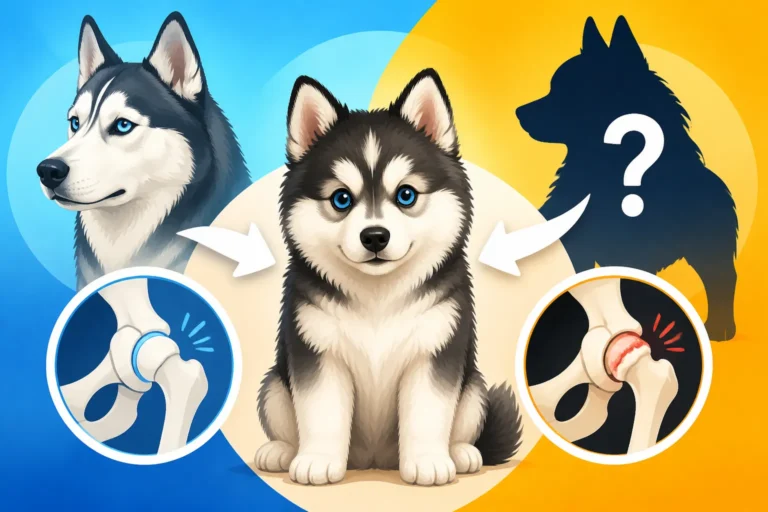
Another common early indicator is a change in mobility. They might not jump onto the couch with the same ease, or you might notice a slight stiffness when they first get up after resting. This could be an early sign of conditions like Slipping Kneecaps in a Pomsky or general arthritis, which often begin subtly. Similarly, changes in their coat texture, a slight dulling of the eyes, or even subtle shifts in their sleep patterns – sleeping more during the day, or perhaps being a bit restless at night – can all point to the onset of seniority. Even a mild increase in weight, despite no change in food intake, can be a sign that their metabolism is slowing down.
Physical Changes to Expect in a Senior Pomsky
As our Pomskies age, their bodies naturally undergo various changes, much like humans. Being prepared for these physical shifts can help us provide comfort and maintain their quality of life.
Joint Health and Mobility Challenges
One of the most common age-related challenges for dogs, including Pomskies, involves their joints. Years of activity take their toll, and cartilage can wear down, leading to conditions like osteoarthritis. You might observe your Pomsky struggling to climb stairs, hesitating before jumping, or showing stiffness, especially after a long rest or during cold weather. This isn't just about slowing down; it's about comfort and potential pain. Issues like Arthritis in a Pomsky at Ten are not uncommon, and it's essential to address them proactively.
To support their joint health, consider comfortable, orthopedic beds that cushion their aging joints. Gentle, consistent exercise tailored to their ability can help maintain muscle mass and flexibility without overexertion. Your vet might also recommend joint supplements containing ingredients like glucosamine, chondroitin, and MSM, or even anti-inflammatory medications if pain becomes a significant factor. Early intervention and supportive care can make a huge difference in keeping your senior Pomsky mobile and happy.
Dental and Oral Health Concerns
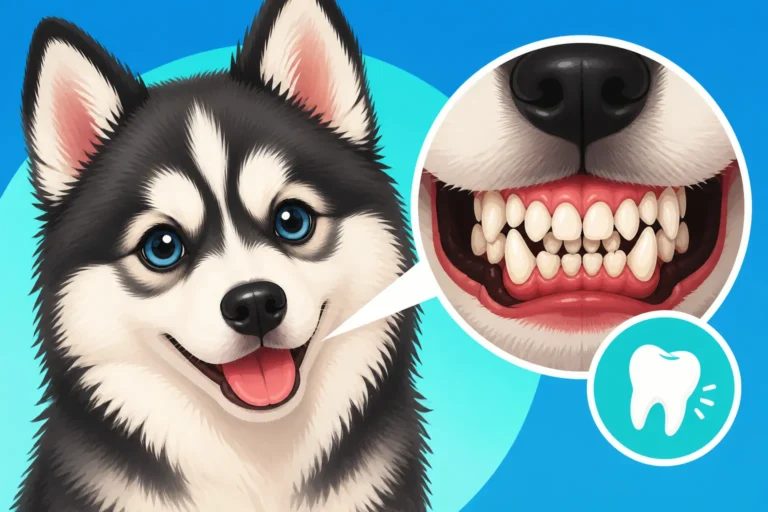
Oral health often gets overlooked until there's a serious problem, but it's incredibly important for senior dogs. Over time, plaque and tartar can build up, leading to gum disease, infections, and even tooth loss. For a breed like the Pomsky, who might inherit Dental Crowding in a Pomsky's Small Mouth from their Pomeranian side, these issues can be exacerbated. Crowded teeth make it easier for food particles and bacteria to get trapped, accelerating dental disease.
Advanced dental disease isn't just about bad breath; it can be excruciatingly painful and lead to systemic health problems as bacteria from the mouth enter the bloodstream, affecting organs like the heart, kidneys, and liver. Regular dental cleanings under anesthesia, as recommended by your vet, become even more crucial as your Pomsky ages. Daily brushing, dental chews, and water additives can help, but professional intervention is often necessary to keep their mouths healthy and comfortable, ensuring they can eat without pain.
Vision and Hearing Changes
Just like humans, many dogs experience a decline in their vision and hearing as they age. You might notice your Pomsky bumping into furniture in dim light, becoming startled when approached from behind, or simply not responding to commands they once knew perfectly. A common age-related eye change is lenticular sclerosis, a bluish haze in the lens, which usually doesn't significantly impair vision but can be mistaken for cataracts. However, true cataracts can also develop, leading to more significant vision loss. Given that The Eyes a Pomsky Gets From the Husky can include predispositions to certain conditions, it's worth being vigilant.
If your Pomsky's vision or hearing is declining, creating a consistent home environment with minimal furniture rearrangement can help them navigate more easily. Using visual cues in conjunction with verbal commands, or even hand signals, can aid communication. For hearing loss, stomping your foot to create vibrations or using a flashlight to get their attention can be effective. Regular veterinary eye exams are important to monitor these changes and rule out any treatable conditions.
Here's a quick reference table for common senior Pomsky changes:
| Category | Common Senior Change | Potential Red Flag (Consult Vet) |
|---|---|---|
| Energy/Stamina | Shorter play sessions, more naps, less enthusiasm | Extreme lethargy, reluctance to move, sudden weakness |
| Mobility | Slower to get up, mild stiffness, less jumping | Obvious lameness, limping, inability to bear weight, yelping in pain |
| Oral Health | Bad breath, some tartar buildup | Red, bleeding gums, loose teeth, difficulty eating, swelling of face |
| Vision | Mild cloudiness in eyes, occasional bumping | Sudden blindness, constant discharge, squinting, changes in eye color |
| Hearing | Less responsive to soft sounds, needs louder commands | Complete unresponsiveness, head tilting, ear discharge or pain |
| Coat/Skin | Graying hair, slightly drier coat | Hair loss patches, excessive scratching, skin lumps, sores, redness |
| Weight | Gradual weight gain due to slower metabolism | Sudden, unexplained weight loss or rapid gain, bloated abdomen |
| Appetite | Slightly reduced interest in food, slower eating | Complete refusal to eat, excessive thirst, vomiting, diarrhea |
| Behavior | More clingy, some disorientation, increased anxiety | Severe cognitive dysfunction (sundowning, house soiling, aggression) |
Behavioral and Cognitive Shifts
Aging isn't just about the physical body; it also affects the mind. Our senior Pomskies can experience changes in their behavior, personality, and cognitive function. Understanding these can help us offer patience and appropriate support.
Changes in Sleep Patterns and Energy Levels
As mentioned earlier, a noticeable shift in energy levels is a hallmark of aging. Your once-vibrant Pomsky might now prefer to snooze away a good portion of the day. This isn't necessarily a cause for alarm; it's a natural part of growing older. However, it's important to distinguish between normal senior napping and excessive lethargy that might indicate an underlying health issue. While more daytime sleep is normal, a Pomsky that suddenly seems unable to stay awake, or conversely, is restless and pacing at night, might need a veterinary check-up.
These changes in sleep patterns can sometimes be tied to discomfort, such as aching joints making it hard to find a comfortable position, or even early signs of cognitive decline affecting their internal clock. Providing a quiet, warm, and easily accessible sleeping area can help. Observe if they seem more tired after even short bursts of activity, which is a good indicator that their stamina isn't what it used to be. Exercise for an Old Pomsky will need to be adjusted, focusing on shorter, more frequent, and less intense activities to keep them moving without over-exertion.
Cognitive Dysfunction Syndrome CDS
Perhaps one of the most challenging aspects of senior pet ownership is witnessing cognitive decline, often referred to as Canine Cognitive Dysfunction Syndrome (CDS), or "doggy dementia." This condition mirrors Alzheimer's disease in humans and can manifest in a variety of ways. You might notice your Pomsky becoming disoriented, getting stuck in corners, or staring blankly at walls. They might forget familiar people or commands, or show changes in their interactions, becoming more irritable or withdrawn.
A particularly distressing symptom for owners can be altered sleep-wake cycles, where a dog is restless, paces, or vocalizes at night (often called "sundowning") and then sleeps more during the day. House-soiling, even in a previously perfectly house-trained dog, can also be a sign of CDS. While there's no cure, certain medications, dietary supplements (like those rich in antioxidants and Omega-3 fatty acids), and environmental enrichment can help manage symptoms and slow progression. Discussing these changes with your vet is crucial, as they can help differentiate CDS from other treatable medical conditions that might present similarly.
Appetite and Weight Management
A senior Pomsky's metabolism slows down, meaning they don't burn calories as efficiently as they once did. This often necessitates a change in their diet to prevent weight gain, which can exacerbate joint problems and increase the risk of other health issues. Conversely, some older dogs might experience a decrease in appetite due to dental pain, a diminished sense of smell, or underlying illnesses. It's a delicate balance.
Feeding an Old Pomsky requires careful consideration. Senior-specific dog foods are often lower in calories, higher in fiber, and contain supplements for joint health and cognitive function. Monitoring their weight regularly and adjusting portion sizes is essential. If your Pomsky is losing weight, or consistently refusing meals, it's a sign to visit the vet to rule out medical issues. Sometimes, simply warming their food, adding a little low-sodium broth, or offering softer textures can encourage them to eat. Ensuring they get enough protein is also important to maintain muscle mass as they age.
Proactive Care for Your Senior Pomsky
Moving into the senior years isn't a death sentence; it's an opportunity to provide even more attentive and loving care. Proactive measures can significantly improve your Pomsky's comfort and extend their healthy years.
Regular Veterinary Check-ups and Screenings
This is perhaps the single most important aspect of senior care. As dogs age, health conditions can develop rapidly and subtly. What might seem like a minor change can be an early indicator of a serious issue. For senior Pomskies, a yearly check-up often isn't enough; twice-yearly veterinary visits are highly recommended. These more frequent appointments allow your vet to catch potential problems early when they are often more treatable.
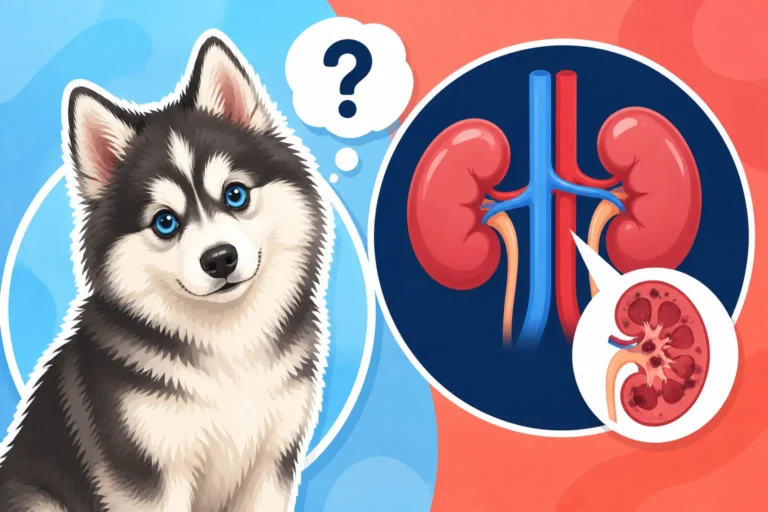
During these visits, your vet will perform a thorough physical examination, paying close attention to their weight, teeth, joints, and any lumps or bumps. They'll also likely recommend age-appropriate screenings such as blood work (to check organ function, blood cell counts, and thyroid levels), urinalysis (to assess kidney function and detect urinary tract infections), and potentially blood pressure checks. This is similar to The Screening a Pomsky Should Have Yearly for all ages, but with an increased focus on age-related markers. Early detection of conditions like kidney disease, liver disease, diabetes, or hypothyroidism can allow for timely intervention, significantly improving prognosis and quality of life.
Nutritional Adjustments and Supplements
As we discussed, a senior Pomsky’s nutritional needs change. Their metabolism slows, their activity decreases, and their bodies may benefit from targeted support. Switching to a high-quality senior dog food formulated for smaller to medium breeds is a great first step. These diets are typically designed with fewer calories to prevent obesity, controlled protein levels to support muscle mass without overworking kidneys, and often include beneficial ingredients.
Look for senior foods that contain joint-supporting ingredients like glucosamine and chondroitin, as well as omega-3 fatty acids (DHA and EPA) which are excellent for cognitive function, skin, and coat health, and have anti-inflammatory properties. Antioxidants like Vitamin E and C, along with brain-boosting ingredients such as L-carnitine or medium-chain triglycerides, can also be beneficial in combating cognitive decline. Always discuss any dietary changes or new supplements with your veterinarian, as they can recommend the best options based on your Pomsky's individual health profile.
Adapting the Home Environment
Making small adjustments to your home can greatly enhance your senior Pomsky's comfort and safety. Think about their mobility: if they struggle to jump onto the couch or bed, consider adding pet ramps or steps. These can save their joints from unnecessary strain. Similarly, non-slip mats or rugs on slippery floors can prevent falls, which can be particularly dangerous for dogs with compromised balance or brittle bones.
Ensure their food and water bowls are easily accessible, perhaps elevated if they have neck or back pain. A comfortable, orthopedic bed is a must, providing ample support for aching joints and promoting restful sleep. If vision or hearing is declining, try to keep furniture in consistent locations to minimize disorientation. Nightlights can help them navigate in the dark. These thoughtful adaptations show your Pomsky that you understand their needs and are there to make their golden years as comfortable and safe as possible.
Financial Considerations for Senior Pomsky Care
Let's be realistic: senior pet care can become more expensive. It's a tough truth, but one we need to face head-on to ensure we can provide the best for our aging companions without undue stress.
Understanding Increased Vet Costs
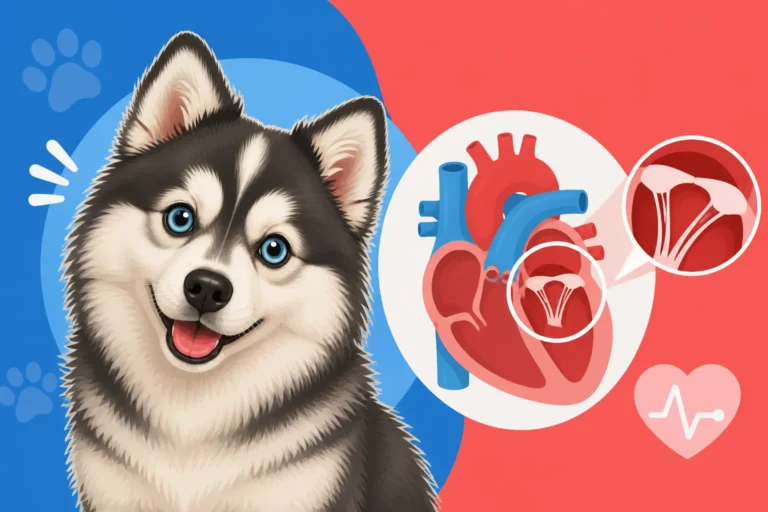
As your Pomsky enters their senior years, the frequency of vet visits typically increases, and so does the potential for diagnostic tests, medications, and specialized treatments. Those twice-yearly check-ups often include blood work, urinalysis, and sometimes X-rays, which all add up. If a chronic condition like arthritis, heart disease, or kidney disease is diagnosed, then ongoing medications, specialized diets, and perhaps even physical therapy can become a regular expense.
For example, managing canine arthritis might involve daily pain medication, joint supplements, and regular laser therapy sessions. A diagnosis of diabetes requires insulin, syringes, and potentially a special diet. These aren't one-off costs; they're ongoing commitments. It's not uncommon for senior pets to require several different medications daily to manage various age-related ailments. Being aware of these potential costs in advance allows you to plan and budget effectively.
The Role of Pet Insurance
This is where pet insurance can truly shine, especially as your Pomsky ages. Many owners might dismiss pet insurance when their dog is young and healthy, but it's during the senior years, when health issues become more prevalent, that it proves its worth. A good pet insurance policy can help offset a significant portion of those unexpected (and expected) veterinary bills, from diagnostic tests to medications and even specialized therapies.
Companies like Healthy Paws offer comprehensive coverage that can provide peace of mind. While most policies won't cover pre-existing conditions, enrolling your Pomsky while they are still relatively young and healthy means that any future age-related illnesses that develop will likely be covered. This means you won't have to make difficult decisions based solely on financial constraints when your beloved Pomsky needs care the most. With Healthy Paws, you can focus on getting your dog the best treatment, knowing that a substantial part of the bill will be reimbursed.
Planning for Long-Term Care
Beyond immediate costs, planning for long-term care for your senior Pomsky involves a broader financial and emotional commitment. This might include budgeting for a special diet for a sensitive stomach, investing in assistive devices like harnesses for mobility support, or even considering alternative therapies like acupuncture or hydrotherapy, which can be costly but incredibly beneficial for conditions like severe arthritis.
It’s wise to set aside a dedicated "senior pet fund" if pet insurance isn't an option, or even if it is, to cover deductibles and co-pays. Consider the time commitment as well; senior dogs often require more frequent walks (though shorter), more help with grooming if they struggle to stand, and extra attention to their changing needs. Having a clear plan, both financially and practically, ensures that you can provide the loving, comprehensive care your senior Pomsky deserves throughout their golden years. This thoughtful approach allows you to cherish every moment without being caught off guard by the evolving demands of their health.
Disclaimer
Please remember that the information provided in this guide is for educational purposes only and should not be considered a substitute for professional veterinary advice. Always consult with a qualified veterinarian for any health concerns or before making any decisions about your Pomsky's medical care or diet.