Whether Alopecia X Reaches a Pomsky at All
It’s heartbreaking to see your beloved Pomsky start to lose that gorgeous, fluffy double coat you fell in love with. Many Pomsky parents find themselves staring at bald patches or thinning fur, wondering what in the world is happening. This guide is here to shed light on a condition called Alopecia X, a frustrating but thankfully not life-threatening skin disorder, and to confirm that yes, unfortunately, it can absolutely affect our cherished Pomskies.
Understanding Alopecia X and its Connection to the Pomsky Lineage
Alopecia X, sometimes referred to as Black Skin Disease (BSD), is a perplexing canine skin condition primarily characterized by progressive hair loss and, often, the darkening (hyperpigmentation) of the affected skin. It’s important to understand that it's largely a cosmetic issue, meaning it doesn't typically cause physical discomfort or pain to your dog, though secondary skin infections can occur if the skin isn't properly cared for. The "X" in its name signifies that its exact cause remains unknown, though it's widely believed to have a strong genetic component, particularly prevalent in certain breeds.
What is Alopecia X?
At its core, Alopecia X is a hormonal imbalance or a genetic predisposition that impacts the hair follicles, causing them to essentially "turn off." Unlike some other forms of hair loss, dogs with Alopecia X are typically otherwise healthy. Their appetites remain normal, their energy levels are unchanged, and they show no signs of systemic illness. The primary symptom is the gradual, often symmetrical, loss of fur, which can range from mild thinning to complete baldness, usually sparing the head and limbs. This condition is a frustrating mystery for veterinarians and owners alike, as it can mimic other, more serious diseases, making diagnosis a careful process of elimination.
The condition is particularly well-documented in Nordic breeds like Siberian Huskies and Alaskan Malamutes, as well as in smaller breeds such as Pomeranians. This genetic link is crucial for Pomsky owners because the Pomsky is, by definition, a hybrid of these two breeds. If a Pomsky inherits the genetic predispositions from both sides of its family tree, it unfortunately stands a chance of developing Alopecia X. It’s a classic example of how The Two Opposite Disease Lists a Pomsky Inherits can converge, bringing together predispositions from both the Husky and the Pomeranian.
Why Pomskies are Susceptible
Given that the Pomsky is a designer breed derived from the Siberian Husky and the Pomeranian, its susceptibility to Alopecia X makes perfect sense. Pomeranians are famously prone to the condition, so much so that it's often colloquially referred to as "Pomeranian Alopeica." While Huskies can also carry the genes, the Pomeranian influence significantly increases the likelihood. When you combine the genetic blueprint of a breed known for developing Alopecia X with another large, double-coated breed that can also carry similar genetic traits, the chances of their offspring inheriting this particular vulnerability escalate.
Responsible breeders often screen their parent dogs for known genetic conditions, but Alopecia X isn't always easily identifiable in breeding stock, nor is there a simple genetic test for it yet. This makes managing the risk challenging. Owners often discover the condition after their Pomsky has reached maturity, usually between one and five years of age, though it can manifest earlier or later. The beautiful, dense double coat, which is one of the most appealing features of a Pomsky, can tragically be the first thing to be affected, leading to confusion and distress for many new Pomsky parents.
Identifying the Telltale Signs of Alopecia X in Your Pomsky
Recognizing Alopecia X in its early stages can be tricky because hair loss can be indicative of many conditions, from allergies to thyroid issues. However, there are some characteristic patterns and symptoms that, when observed together, can strongly suggest Alopecia X. Being vigilant and knowing what to look for can help you bring your concerns to your veterinarian sooner.
Early Indicators and Coat Changes
The initial signs of Alopecia X often involve subtle changes to your Pomsky's coat texture and density. You might first notice that the guard hairs – the longer, coarser outer layer of the double coat – become dull, brittle, and start to thin out. This often happens on the back of the thighs, the flanks, and along the trunk, but it can also start in areas of friction. Gradually, the underlying plush undercoat will also begin to recede. It’s not usually a sudden, dramatic loss, but rather a slow, creeping thinning that might make you wonder if your Pomsky is just shedding more than usual, even outside of their typical "blowout" seasons. You might notice The First Bald Patch on a Pomsky appearing, which can be disconcerting.
Some owners describe the remaining fur feeling cottony or woolly, a distinct change from the normally coarse guard hairs and soft, dense undercoat. The skin beneath the thinning fur might not show any immediate changes, but as the condition progresses, you'll likely observe more distinct patterns of baldness. These bald patches often appear symmetrically on both sides of the body, which is a key diagnostic clue.
Progression and "Black Skin Disease"
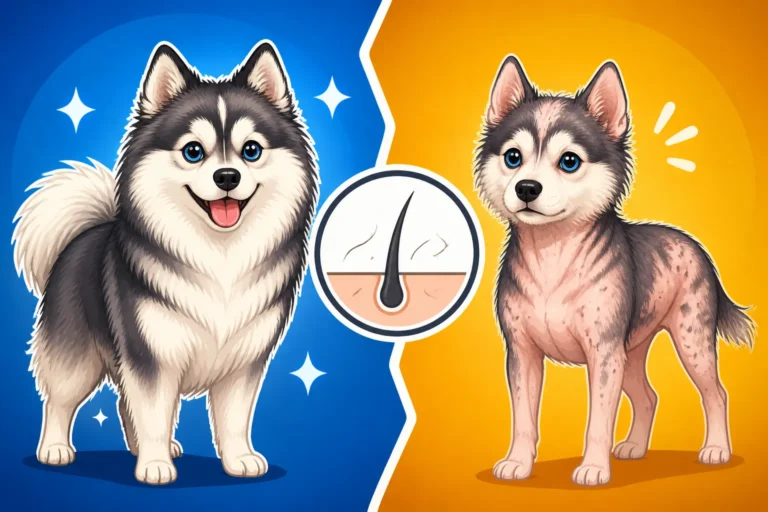
As Alopecia X progresses, the hair loss becomes more pronounced. Bald areas typically expand, spreading across the body while often sparing the head and the lower parts of the legs. This distinctive pattern—a furry head and legs with a bald body—is often referred to as "lion cut alopecia" and is a strong indicator of the condition. The most striking symptom that gives the condition its alternative name, Black Skin Disease, is the gradual darkening of the skin in the affected areas. The once pink or pale skin will turn grey, then eventually black, becoming coarse and leathery to the touch. This hyperpigmentation is a hallmark of the advanced stages of Alopecia X.
The age of onset for Alopecia X in Pomskies can vary widely, but it most commonly surfaces in young to middle-aged dogs, usually between one and five years old. However, it’s not unheard of for it to appear earlier or even much later in life. Seeing your vibrant, fluffy Pomsky lose its coat and develop blackened skin can be incredibly disheartening, and it's completely natural to feel a sense of loss or concern for their well-being. Rest assured, while visually impactful, the condition itself is not painful for your dog. For more on when this condition typically starts, you can read about The Age Alopecia X Starts in a Pomsky.
Navigating Diagnosis and Treatment Options for Your Pomsky
Receiving a diagnosis of Alopecia X can be a relief in some ways, as it rules out more severe underlying conditions, but it also opens up questions about management. Since there's no single definitive test, diagnosing Alopecia X requires a careful process of elimination, and treatment is often a journey of trial and error.
The Diagnostic Journey
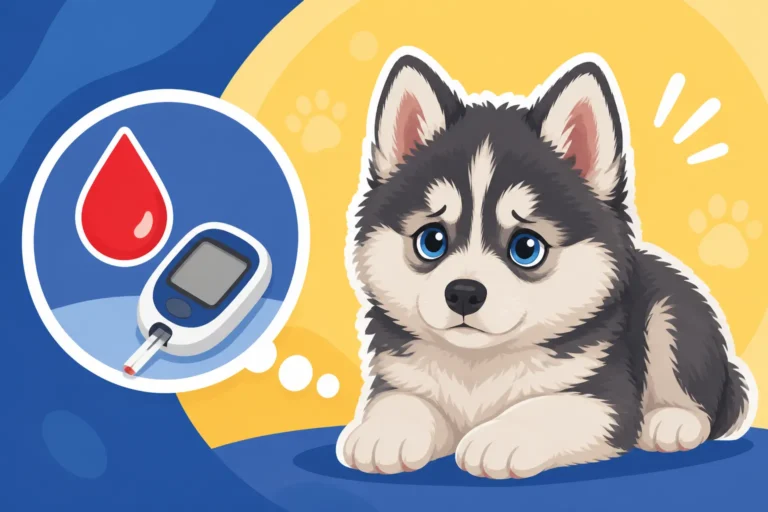
When you first notice unusual hair loss or skin changes in your Pomsky, your veterinarian will embark on a diagnostic journey to rule out other potential causes. This typically involves a thorough physical examination, coupled with a series of diagnostic tests. Blood tests are crucial for checking thyroid function, as hypothyroidism can cause similar coat loss. Your vet might also test for Cushing's disease, another hormonal imbalance, as Whether Cushing's Looks Like Alopecia X in a Pomsky is a common concern. Skin scrapings and fungal cultures will be performed to rule out parasites like mites and fungal infections like ringworm. A skin biopsy might be taken to examine the hair follicles under a microscope, which can reveal characteristic changes associated with Alopecia X, although even a biopsy isn't always conclusive on its own.
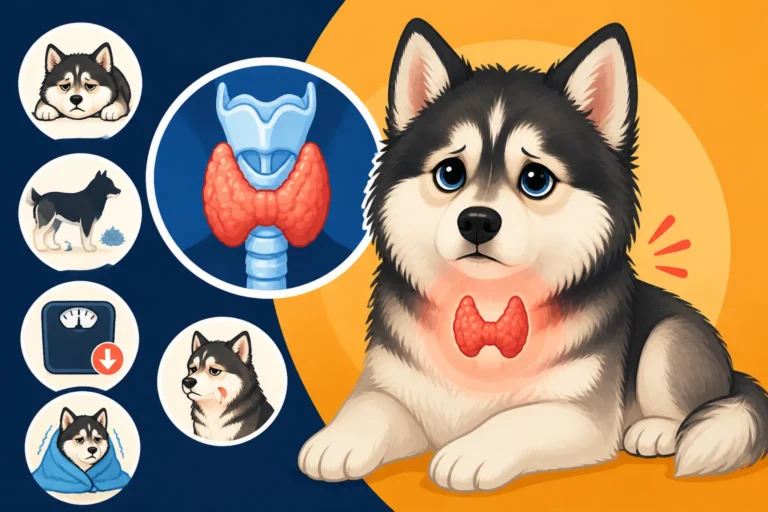
Ultimately, Alopecia X is largely a diagnosis of exclusion. This means your vet systematically eliminates all other possible causes of hair loss, and if none are found, Alopecia X is often the conclusion. This process can be lengthy and sometimes frustrating, but it's essential to ensure your Pomsky isn't suffering from an easily treatable condition. For instance, knowing Whether a Thyroid Test Rules Out Alopecia X in a Pomsky is a critical first step.
Management and Treatment Approaches
Once Alopecia X is diagnosed, treatment focuses on managing the symptoms, as there's currently no universal cure. One of the most common interventions, particularly for intact males, is neutering. Some anecdotal evidence suggests that neutering can trigger coat regrowth in certain dogs, potentially due to changes in hormone levels. However, it's not a guaranteed fix, and in some cases, owners report Whether Neutering Triggers a Pomsky's Coat Loss in an already susceptible dog.
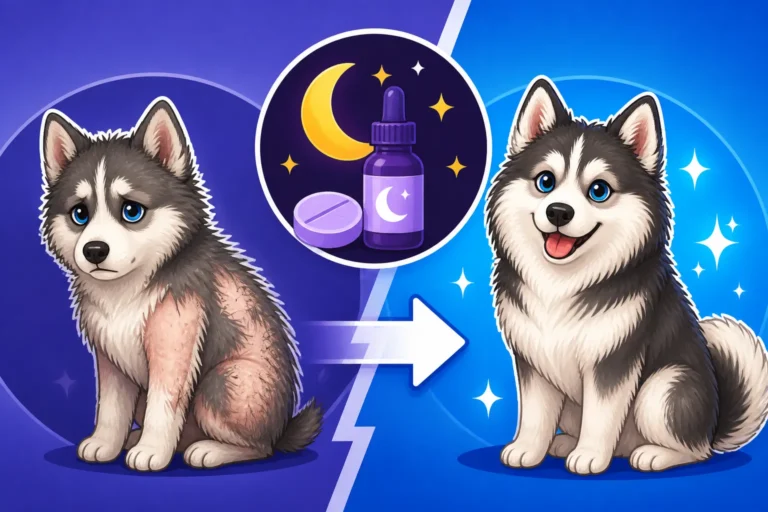
Another popular treatment involves melatonin supplementation. Melatonin, a hormone that helps regulate sleep cycles, has shown promising results in stimulating hair regrowth in some dogs with Alopecia X. It’s thought to influence the hair follicle cycle. However, like neutering, results vary widely, and it may only produce partial or temporary regrowth. You can explore more about What Melatonin Does for a Pomsky With Alopecia X. Your vet might also recommend specialized shampoos to keep the skin healthy and prevent secondary bacterial or yeast infections, which can sometimes develop on exposed, hyperpigmented skin. It’s a process of patience and managing expectations; a full, lush coat often doesn't return, but some improvement is certainly possible for many Pomskies.
Here's a quick comparison of common hair loss conditions in Pomskies:
| Condition | Primary Cause | Key Symptoms | Common Treatment Options |
|---|---|---|---|
| Alopecia X | Unknown (genetic/hormonal predisposition) | Symmetrical hair loss (sparing head/limbs), black skin | Neutering, Melatonin, specialized shampoos, skin care |
| Hypothyroidism | Underactive thyroid gland | Hair loss (often patchy), weight gain, lethargy, dull coat | Thyroid hormone supplementation |
| Cushing's Disease | Overproduction of cortisol | Thinning hair, pot-bellied appearance, increased thirst/urination, skin issues | Medication (e.g., Vetoryl), surgery (rarely) |
| Allergies | Environmental or food allergens | Itching, redness, patchy hair loss (self-inflicted), ear infections | Antihistamines, steroids, diet change, immunotherapy |
| Parasites (e.g., Mites) | Mite infestation | Intense itching, localized hair loss, scabs, redness | Medicated dips, oral/topical antiparasitics |
It's important to remember that while the condition itself doesn't cause pain, the diagnostic process and potential treatments can incur costs. Investing in a robust pet insurance plan from a provider like Healthy Paws before any symptoms appear can be incredibly helpful for covering the extensive diagnostic work-ups required to rule out other conditions. While pet insurance typically doesn't cover pre-existing conditions like Alopecia X once symptoms have manifested, it can be a lifesaver for all the necessary tests to reach a definitive diagnosis or treat any secondary skin infections.
Supporting Your Pomsky Through Alopecia X
Living with a Pomsky affected by Alopecia X means adapting your routine to provide extra care for their exposed skin and understanding that their beauty is more than just their coat. It’s about ensuring their comfort, health, and happiness, regardless of how much fur they have.
Daily Care and Skin Protection
Without a full double coat, your Pomsky's skin becomes much more vulnerable to the elements. Protection from the sun is paramount, especially for dogs with lighter skin tones or those who enjoy spending time outdoors. Just like humans, dogs can get sunburned, leading to discomfort and an increased risk of skin cancer. Consider applying pet-safe sunscreen to exposed areas when they are outside for extended periods, especially during peak sun hours. In colder climates, a coat or sweater will be necessary to keep them warm, as their natural insulation is compromised. This is particularly relevant when you consider Why a Pomsky Must Never Be Shaved – shaving can also lead to similar vulnerabilities, exacerbating problems like sunburn.
Regular bathing with gentle, moisturizing, and often medicated shampoos is crucial. The exposed skin can become dry, flaky, or prone to secondary bacterial or yeast infections. Your vet may recommend specific shampoos designed to maintain skin health and prevent these issues. Always follow their advice on frequency and product choice. Drying them thoroughly but gently after baths is also important to prevent skin irritation. Even without much hair, their skin still needs diligent attention to stay healthy.
Emotional Impact and Acceptance
For many Pomsky owners, the most challenging aspect of Alopecia X isn't the physical care, but the emotional impact of seeing their once-fluffy companion lose their signature look. It's completely understandable to feel sad, frustrated, or even guilty. Your Pomsky's appearance changes significantly, and it’s natural to mourn that loss. However, it's vital to remember that your dog is still the same loving, playful companion you adore, and they are usually unaware of their changed appearance. Their quality of life is not diminished by hair loss.
Focusing on their well-being, providing them with love, exercise, and mental stimulation, and ensuring their skin is healthy is what truly matters. Embrace their unique look! Many owners find joy in dressing their Pomskies in cute sweaters or bandanas, not just for warmth but as a way to celebrate their individuality. A pet insurance plan from a company like Healthy Paws can give you peace of mind, knowing that if any new, unrelated health issues arise, or if secondary infections due to Alopecia X require veterinary attention, you have financial support. This allows you to focus on the love and care your Pomsky deserves, rather than stressing over unexpected vet bills. Remember, a happy, healthy Pomsky, regardless of their fur, is the best outcome for everyone.
Disclaimer
The information provided in this article is for general informational purposes only and is not intended as a substitute for professional veterinary advice, diagnosis, or treatment. Always seek the advice of your qualified veterinarian or other animal health provider with any questions you may have regarding a medical condition or the health and welfare of your pet.