Whether a Limping Pomsky Needs Films
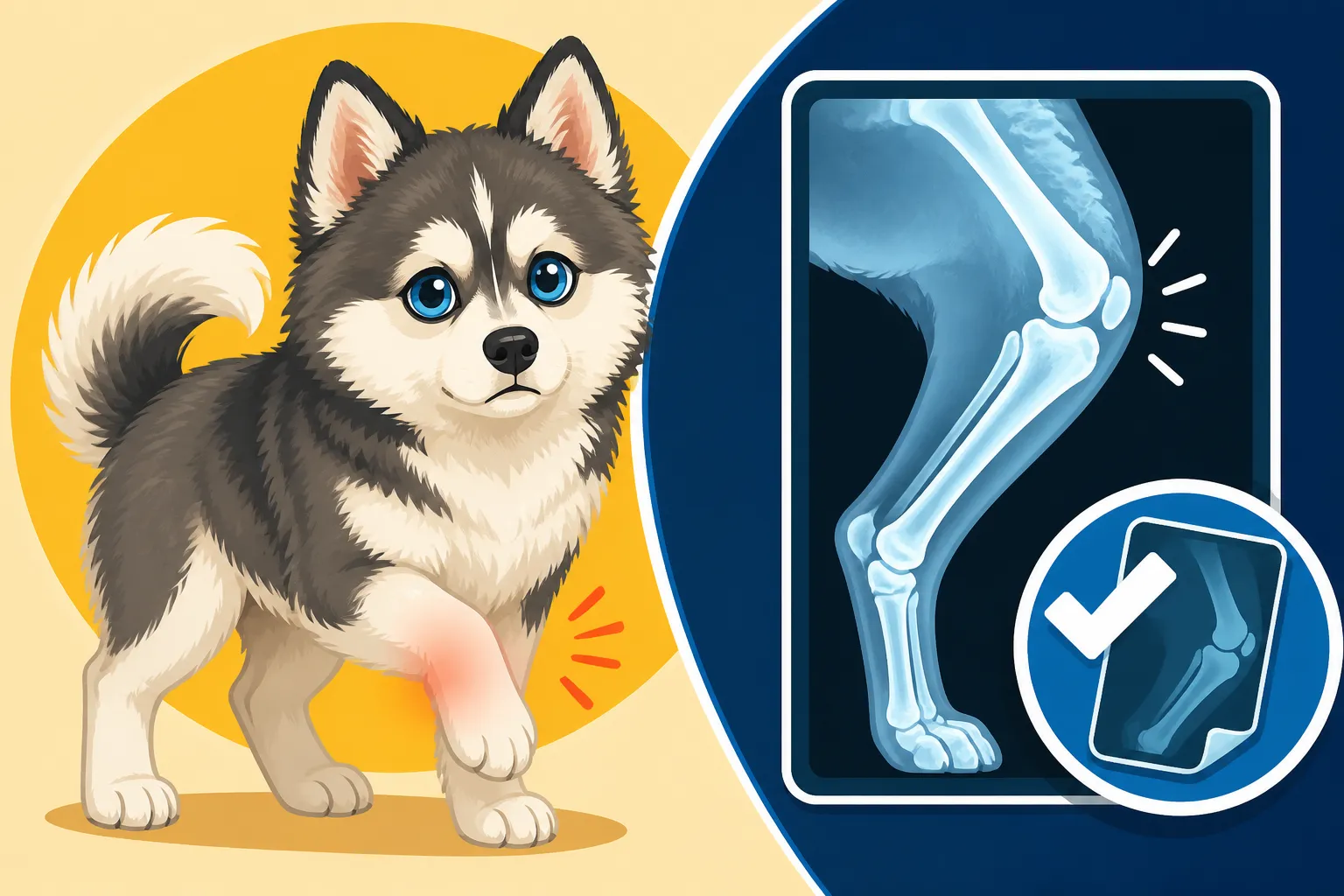
Seeing your beloved Pomsky limp can send a jolt of panic through any dog parent. One moment they're bounding around, full of mischief and joy, and the next, they're hesitant, favoring a leg, or outright refusing to put weight on a paw. This sudden change often leaves us wondering, "Is it just a minor sprain, or something more serious?" This comprehensive guide is here to walk you through the various reasons your Pomsky might be limping and, crucially, to help you understand when those tell-tale signs mean it's time to consider X-rays (often called "films" by vets) to get to the bottom of the issue.
Understanding the Many Reasons Your Pomsky Might Be Limping
A limp in a Pomsky can be caused by a surprising array of issues, ranging from trivial to quite serious. It's not always a dramatic broken bone; sometimes it's a subtle discomfort that builds over time. As a Pomsky owner, you're dealing with a breed that inherited traits from two very different parents, and their unique physiology means certain conditions are more common or manifest differently than in other dogs.
Minor Injuries and Everyday Strains
Often, a limp can be attributed to something as simple as a minor sprain or a bruised paw. Think about it: our Pomskies are agile, adventurous little fluffballs, and they love to explore. A misstep during a zoomie session in the yard, a jump off the couch that landed awkwardly, or even stepping on a sharp pebble during a walk can cause immediate discomfort.
For example, a sudden yelp and refusal to put weight on a paw might be due to a nail that's been torn or bent back, or a small cut on a paw pad that you can easily miss under all that fur. Sometimes, a muscle strain from overexertion – maybe an extra long game of fetch at the park – can manifest as a subtle limp that worsens after rest. These types of injuries often improve with a bit of rest, gentle observation, and perhaps some cold compresses, if appropriate and safe. You might notice them favoring a leg, but still willing to walk, just with a little less enthusiasm. It's always wise to thoroughly check their paw pads, between their toes, and up their legs for any obvious signs of injury like swelling, redness, or tenderness.
More Serious Underlying Conditions
While we all hope for a minor strain, a persistent or worsening limp, especially one without an obvious external cause, can be a red flag for more significant health concerns that are particularly relevant to Pomskies. Due to their mixed heritage, they can inherit predispositions to certain orthopedic issues from both the Siberian Husky and the Pomeranian.
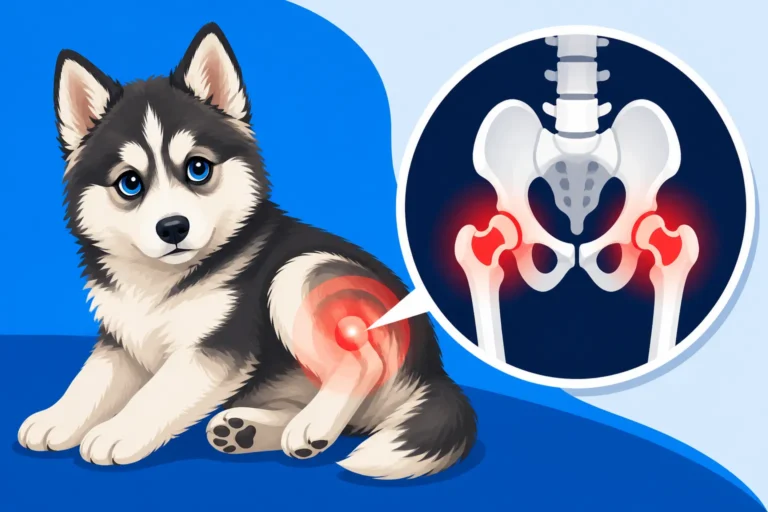
One of the most common culprits in small to medium-sized breeds like the Pomsky is patellar luxation, more commonly known as "Slipping Kneecaps in a Pomsky". This is where the kneecap (patella) moves out of its groove in the thigh bone. You might see your Pomsky suddenly skip a few steps, hold up a leg for a moment, and then continue as if nothing happened. This intermittent limp is a classic sign. Over time, this can lead to discomfort and arthritis. Another condition to be mindful of is hip dysplasia, although more often associated with larger breeds, it can still affect a Pomsky, especially if they lean towards the Husky side of their genetics. This condition involves an improperly formed hip joint, leading to instability and pain. Owners might notice a "bunny hopping" gait or reluctance to jump. Young, growing Pomskies can also develop conditions like Legg-Calve-Perthes disease, where the head of the femur degenerates, causing significant pain and lameness. These are the kinds of issues that absolutely warrant a veterinary visit, and often, diagnostic imaging.
Decoding the Signs When X-Rays Become Necessary
Deciding whether your limping Pomsky needs X-rays can feel overwhelming. It’s a balance between not overreacting to every minor stumble and not ignoring a potentially serious problem. Your veterinarian is your best resource here, but understanding the signs that suggest X-rays are prudent can help you advocate for your pet and know what to expect.
Red Flags That Warrant Immediate Imaging
Certain symptoms accompanying a limp should immediately prompt a discussion about X-rays with your vet. These "red flags" indicate that something more serious than a simple strain is likely at play and quick diagnosis can often lead to better outcomes.
One of the clearest indicators is a complete inability to bear weight on a leg. If your Pomsky is holding a leg up constantly, not even attempting to touch it to the ground, or cries out in severe pain when the leg is gently manipulated, that's a serious sign. Swelling, warmth, or obvious deformity around a joint or bone also suggest a deeper problem, potentially a fracture, dislocation, or severe sprain. Another critical red flag is if the limping developed after a known trauma, such as being hit by a car, falling from a height, or a rough play incident with another dog. Even if your Pomsky seems okay at first, internal injuries might not be immediately apparent. For Pomskies, who can be quite tough and stoic, any noticeable change in their normal demeanor – loss of appetite, lethargy, or reluctance to move – coupled with a limp, means it's time for more than just watchful waiting. In these cases, your vet will almost certainly recommend X-rays to quickly rule out or confirm severe bone or joint issues. When facing these kinds of costs, it’s comforting to know that pet insurance providers like Healthy Paws often cover diagnostic imaging like X-rays when recommended by a vet for an accident or illness.
What X-Rays Can Reveal
X-rays are an invaluable diagnostic tool, providing a non-invasive way to visualize the bones and joints. While they don't show soft tissues like ligaments, tendons, or muscles directly, they can reveal a wealth of information about the skeletal system that is often the root cause of a limp.
For instance, X-rays can definitively identify fractures, from hairline cracks to complete breaks, and show any dislocations where bones have come out of alignment. If your Pomsky has a persistent limp that seems to worsen after exercise or rest, X-rays can check for signs of developmental orthopedic diseases like hip dysplasia or elbow dysplasia, even if they aren't common for the breed, they are possibilities given their Husky heritage. In cases of suspected patellar luxation, while a physical exam is often enough for initial diagnosis, X-rays can help assess the severity of the skeletal changes, show signs of arthritis that may have developed due to the kneecap slipping, and aid in surgical planning if an operation is needed. They can also show bone tumors or infections, which, though less common, are serious causes of pain and lameness. Essentially, X-rays offer a crucial look beneath the surface, transforming a vague "limp" into a concrete diagnosis, which is the first step toward effective treatment.
Let's look at some common limping causes and whether X-rays are typically recommended:
| Cause of Limping | Typical Onset | Common Symptoms | X-Ray Recommendation |
|---|---|---|---|
| Minor Sprain/Muscle Strain | Sudden (after activity) | Mild limping, improves with rest, no obvious swelling | Usually not initially |
| Paw Injury (cut, thorn) | Sudden (after walk) | Favoring paw, licking paw, visible injury | Only if infection/deep injury |
| Patellar Luxation | Intermittent, recurrent | "Skipping" gait, holding leg up, then normal | Often recommended |
| Fracture/Broken Bone | Sudden (after trauma) | Non-weight bearing, severe pain, swelling, deformity | Immediate and essential |
| Hip/Elbow Dysplasia | Gradual (growing dogs) | Bunny hopping, reluctance to jump/run, stiffness | Often recommended |
| Legg-Calve-Perthes Disease | Gradual (young, small breeds) | Progressive limping, muscle atrophy, pain in hip | Often recommended |
| Osteoarthritis | Gradual (older dogs) | Stiffness after rest, decreased activity, chronic pain | Often recommended |
| Bone Tumor/Infection | Gradual, progressive | Deep pain, swelling, persistent lameness, fever (infection) | Immediate and essential |
The X-Ray Process for Your Pomsky What to Expect
If your vet recommends X-rays for your limping Pomsky, it's natural to have questions about the procedure itself. Knowing what to expect can help ease your mind and ensure a smoother experience for both you and your furry friend.
Preparing for Your Pomsky's Appointment
Preparation for X-rays is usually quite straightforward, but there are a few things to keep in mind. Your veterinarian will likely advise you to withhold food from your Pomsky for several hours before the appointment, typically 8-12 hours. This is because many X-ray procedures, especially for joints like hips or knees, require your Pomsky to be perfectly still to get clear images. To achieve this, a mild sedative or light anesthesia is often necessary. An empty stomach helps prevent nausea or vomiting that could occur during or after sedation.
Beyond fasting, there isn't much else you need to do. However, it's always a good idea to make a note of everything you've observed about your Pomsky's limp: when it started, what makes it worse or better, if there were any specific incidents, and any other symptoms you've noticed. The more information you can provide, the better your vet can pinpoint the problem area and ensure the right views are taken during the imaging. If you're using pet insurance like Healthy Paws, having your policy information handy can also make the administrative process smoother when it comes to covering the costs of diagnostics.
Understanding the Results and Next Steps
Once the X-rays are taken, your vet will review them, often immediately. In many cases, they can show you the images and explain what they see right there in the exam room. Fractures, severe arthritis, or obvious dislocations are usually quite clear. Sometimes, the images might be sent to a veterinary radiologist for a specialist's interpretation, especially for more subtle findings or complex cases. This often involves a short wait, perhaps a day or two, for the official report.
The results of the X-rays will dictate the next steps for your Pomsky's treatment. If a fracture is found, for example, your vet will discuss options ranging from casting or splinting to surgical repair. For conditions like "Patellar Luxation Grades in a Pomsky" or hip dysplasia, the films will help determine the severity and guide decisions on whether conservative management (medication, supplements, physical therapy) or surgery is the best path forward. If the X-rays don't show a clear problem, your vet might recommend further diagnostics, such as an ultrasound (to visualize soft tissues), an MRI, or blood work, to continue investigating the cause of the limp. It’s important to remember that X-rays are a snapshot; they provide a lot of information, but sometimes the answer lies elsewhere.
Life After Diagnosis Navigating Treatment and Recovery
Receiving a diagnosis for your Pomsky's limp can be a relief, as it provides a clear path forward. However, the journey doesn't end there. Understanding the treatment options and commitment required for recovery is crucial for your Pomsky's long-term health and comfort.
Conservative Management and Rehabilitation
For many orthopedic issues, especially those caught early or less severe, conservative management and rehabilitation are the first line of defense. This approach focuses on non-surgical methods to alleviate pain, reduce inflammation, and improve joint function. It often starts with a period of strict rest, which might mean limiting walks, no jumping, and sometimes even crate confinement for a few weeks. Your vet will likely prescribe anti-inflammatory medications and pain relievers to manage discomfort.
Beyond initial rest and medication, rehabilitation plays a vital role. This can involve gentle range-of-motion exercises, hydrotherapy (swimming or underwater treadmill), and therapeutic massages. These activities help rebuild muscle strength, improve flexibility, and restore normal movement patterns without putting excessive stress on the healing limb. Nutritional supplements, particularly those containing glucosamine, chondroitin, and omega-3 fatty acids, can also support joint health, especially for conditions like arthritis in older Pomskies. Products like Cosequin or Dasuquin are often recommended by vets. Your active Pomsky may need to learn new ways to play, perhaps avoiding high-impact activities, and you might need to reconsider letting them engage in activities like freely jumping off furniture, as discussed in "Whether a Pomsky Should Jump Off Furniture". Many pet insurance policies, including those from Healthy Paws, may offer coverage for rehabilitation therapies, which can significantly ease the financial burden of these ongoing treatments.
Surgical Considerations and Long-Term Outlook
Sometimes, conservative management isn't enough, or the nature of the injury (like a severe fracture or high-grade patellar luxation) dictates that surgery is the best, or only, option. For conditions like "Slipping Kneecaps in a Pomsky" that are severe or causing chronic pain and lameness, surgical correction can significantly improve their quality of life. This often involves reshaping the bone or tightening soft tissues to keep the kneecap in place. Similarly, severe hip dysplasia might require surgical intervention to alleviate pain and restore function.
The decision for surgery is a serious one, involving discussions with your vet about the risks, benefits, and recovery period. Post-operative care is just as critical as the surgery itself and typically involves a strict regimen of restricted activity, pain management, and dedicated physical therapy for several weeks or even months. The long-term outlook for a Pomsky with a limping condition depends heavily on the specific diagnosis, the severity of the condition, and the dedication to the prescribed treatment plan. Many Pomskies go on to live full, active lives after successful treatment, though some may require ongoing management with joint supplements like those mentioned in "Whether Joint Supplements Help a Pomsky" or periodic medication to manage residual arthritis or discomfort. Regular follow-up appointments with your vet are essential to monitor progress and adjust care as needed, ensuring your Pomsky remains as comfortable and mobile as possible for all their Twelve to Fifteen Years a Pomsky Lives.
Disclaimer
The information provided in this article is for educational purposes only and is not a substitute for professional veterinary advice. Always consult with a qualified veterinarian for any health concerns or before making any decisions about your pet's medical care.