Whether Joint Supplements Help a Pomsky
It's heartbreaking to watch your beloved Pomsky slow down, struggle with stairs, or hesitate before jumping onto the couch they once leaped onto with boundless energy. As our furry companions age, or even if they're predisposed due to their genetics, joint stiffness and discomfort can become a very real, very painful part of their lives. This guide is here to walk you through the ins and outs of joint supplements for Pomskies, helping you understand if they can truly offer relief and support for your cherished friend.
Understanding Pomsky Joint Health Challenges
Pomskies, being a hybrid of the Siberian Husky and the Pomeranian, inherit a wonderful mix of traits, but unfortunately, they can also inherit genetic predispositions to certain health issues from both sides of their family tree. Joint problems are definitely on that list, and it's something every Pomsky owner should be aware of, even if their dog is currently bouncing around like a puppy.
Common Joint Issues in Pomskies
When we talk about joint issues in Pomskies, we're usually looking at a few key culprits that stem from their parent breeds. From the smaller Pomeranian side, we often see a predisposition to patellar luxation, which is essentially a slipping kneecap. Imagine your own kneecap popping out of place – it's uncomfortable, painful, and can lead to long-term arthritis. If you've ever seen your Pomsky do a little skip or hop with one back leg held up, only to put it down a step or two later, that's often a tell-tale sign of a luxating patella. For a deeper dive into this, you might find our article on Slipping Kneecaps in a Pomsky quite helpful.
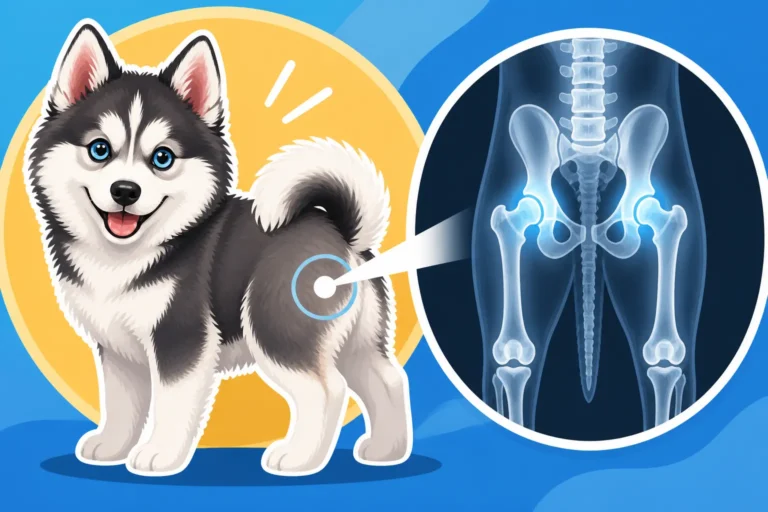
On the Husky side, while less common in the smaller Pomsky build, hip dysplasia can still be a concern. This is a condition where the hip joint doesn't form correctly, leading to a loose joint that grinds rather than slides smoothly. Over time, this grinding wears down the cartilage and leads to debilitating arthritis. While less frequent in a twenty-pound Pomsky than in a full-sized Husky, it's not unheard of, especially in larger Pomskies. You can learn more about this specific concern in our piece on Hip Dysplasia in a Twenty Pound Pomsky. Beyond these specific genetic predispositions, just like any dog, Pomskies can develop osteoarthritis, which is the general wear and tear of cartilage in any joint, often exacerbated by age, injury, or weight. This is a common ailment we often see as our dogs enter their senior years, making articles like Arthritis in a Pomsky at Ten particularly relevant.
When Do Joint Problems Typically Start?
The onset of joint problems in Pomskies can vary widely. Developmental issues like patellar luxation can manifest quite early, sometimes even in puppyhood. You might notice your Pomsky puppy occasionally skipping a step or showing mild lameness as young as six months to a year old. This is why paying close attention to their gait and movement during their formative months is so important. Our article on The Age a Pomsky's Kneecap First Slips provides more insight into these early signs.
For issues like hip dysplasia, signs might not become apparent until your Pomsky is a bit older, perhaps around one to two years old, or even later if the condition is mild. However, the degenerative changes are often already underway. General arthritis, on the other hand, is predominantly a condition of aging. Most Pomskies will start showing signs of wear and tear in their joints as they approach their senior years, typically around 7-8 years old and beyond. However, a previous injury or an underlying genetic condition can accelerate this process, meaning some Pomskies might exhibit arthritic changes much earlier. It's crucial not to dismiss subtle changes in their activity level or willingness to engage in play, as these can be early indicators of joint discomfort. Being proactive and observing your Pomsky's movements can make a huge difference in their long-term comfort and quality of life. Understanding Whether a Pomsky's Bones Are Fragile can also provide context for their skeletal health.
The Role of Joint Supplements for Pomskies
Once you've identified that joint support might be beneficial for your Pomsky, either preventatively or to manage existing discomfort, the world of joint supplements can feel a bit overwhelming. There are so many options, so many ingredients, and so many claims! Let's break down the most common and effective components you'll find in quality joint supplements and how they might help your furry friend.
Key Ingredients and What They Do
Most effective joint supplements for dogs contain a combination of ingredients that work synergistically to support joint health. Here are the big players:
- Glucosamine: This is probably the most well-known joint supplement ingredient. Glucosamine is a natural compound found in healthy cartilage, which is the cushioning tissue between bones. When supplemented, it helps stimulate the growth and repair of cartilage, and it can also have mild anti-inflammatory properties. Think of it as providing the building blocks for healthy joint cushioning.
- Mechanism: It works by increasing the production of glycosaminoglycans and proteoglycans, which are essential components of cartilage. Essentially, it helps the body replenish what's being worn away.
- Benefit: Helps maintain the elasticity and shock-absorbing properties of cartilage, which is vital for smooth joint movement and reducing friction.
- Chondroitin Sulfate: Often paired with glucosamine, chondroitin helps maintain the structural integrity of cartilage. It's thought to inhibit enzymes that break down cartilage and also helps retain water, which is crucial for cartilage elasticity and shock absorption.
- Mechanism: It helps prevent further damage to existing cartilage and improves its resilience.
- Benefit: Works with glucosamine to create a more robust and hydrated cartilage matrix, improving overall joint function and reducing pain.
- MSM (Methylsulfonylmethane): This is a natural sulfur compound with strong anti-inflammatory and pain-relieving properties. It's often included in joint supplements to help reduce discomfort associated with arthritis and other joint issues.
- Mechanism: MSM helps reduce inflammation and pain by inhibiting the production of inflammatory mediators.
- Benefit: Can significantly improve comfort and mobility, especially in dogs experiencing stiffness or soreness.
- Omega-3 Fatty Acids (EPA & DHA): These are fantastic for overall health, and highly beneficial for joints due to their powerful anti-inflammatory effects. EPA (eicosapentaenoic acid) and DHA (docosahexaenoic acid), found abundantly in fish oil, can significantly reduce the inflammation that contributes to joint pain and stiffness.
- Mechanism: They compete with inflammatory pathways in the body, leading to a reduction in systemic inflammation.
- Benefit: Beyond just joints, omega-3s support skin and coat health, and even cognitive function, making them an excellent all-around supplement.
- Green-Lipped Mussel (GLM): Hailing from New Zealand, this ingredient is a potent source of omega-3s, glucosamine, chondroitin, and other essential nutrients. It's celebrated for its comprehensive anti-inflammatory and joint-protective properties.
- Mechanism: Provides a natural cocktail of joint-supporting compounds, offering a holistic approach to reducing inflammation and nourishing cartilage.
- Benefit: A highly bioavailable option that can provide significant relief for dogs with painful joints.
This table offers a quick glance at some of the most common and beneficial ingredients you'll encounter when exploring joint supplements for your Pomsky:
| Ingredient | Primary Benefit | How it Helps Your Pomsky |
|---|---|---|
| Glucosamine | Cartilage repair & growth | Provides building blocks for healthy joint cushioning. |
| Chondroitin Sulfate | Cartilage integrity & hydration | Prevents cartilage breakdown, improves elasticity. |
| MSM (Methylsulfonylmethane) | Anti-inflammatory, pain relief | Reduces pain and swelling, improves comfort and mobility. |
| Omega-3 Fatty Acids | Anti-inflammatory (systemic) | Lowers inflammation in joints, supports overall health. |
| Green-Lipped Mussel | Comprehensive joint support, anti-inflammatory | Natural source of multiple joint-healing compounds. |
When to Start and How to Choose
Deciding when to start joint supplements for your Pomsky can be a bit of a balancing act. If your Pomsky is already showing signs of joint discomfort – maybe they're a bit stiff after naps, reluctant to play as much, or showing changes in their gait – then it's definitely time to consult your vet about starting a supplement regimen. For these dogs, supplements can act therapeutically to reduce pain and slow further degeneration. You might even want to consider pet insurance from a provider like Healthy Paws, as they could help with the diagnostic costs and ongoing treatment plans that a vet might recommend.
However, many owners choose a proactive approach, especially if their Pomsky comes from lines known for joint issues or if they are a larger individual at increased risk of hip or elbow dysplasia. Starting a high-quality joint supplement around 1-2 years of age can be a fantastic preventative measure, helping to nourish cartilage and maintain joint fluid before significant wear and tear occurs. Think of it as an investment in their long-term mobility and comfort.
When it comes to choosing a supplement, quality matters immensely. Not all supplements are created equal, and some might contain fillers or insufficient amounts of active ingredients. Here’s what to look for:
- Veterinary Recommendation: Always start by talking to your veterinarian. They know your Pomsky’s specific health history and can recommend products that are vet-approved and appropriate for their needs.
- Reputable Brands: Look for brands with a strong reputation in the pet health industry. Often, these brands will undergo third-party testing to ensure purity and potency. Don't be afraid to ask your vet which brands they trust.
- Active Ingredient Concentrations: Check the label for the precise amounts of glucosamine, chondroitin, MSM, etc. Ensure they are present in therapeutic doses, not just trace amounts.
- Formulation: Supplements come in various forms: chewable tablets, soft chews, powders, and liquids. Consider what will be easiest for you to administer and most palatable for your Pomsky. Some dogs prefer a tasty chew, while others might do better with a powder mixed into their food.
- Cost vs. Quality: While it's tempting to go for the cheapest option, remember that a low-quality supplement may not be effective. Investing in a good product is usually more beneficial in the long run.
Remember, patience is key. Joint supplements aren't like pain medication that works immediately. It can take several weeks, sometimes even a couple of months, of consistent use before you start noticing significant improvements in your Pomsky's mobility and comfort. Consistent, daily administration is essential for these ingredients to build up in their system and exert their benefits.
Setting Realistic Expectations and Comprehensive Care
It's natural to want the best for your Pomsky, especially when they're facing discomfort. While joint supplements can be a powerful tool in supporting their mobility, it's really important to approach them with realistic expectations. They're a piece of a larger puzzle, not a magic bullet.
Supplements Are Not a Cure-All
Let's be clear: joint supplements are designed to support joint health, reduce inflammation, and potentially slow the progression of degenerative joint disease. They are not a cure for conditions like patellar luxation or hip dysplasia, nor will they reverse existing cartilage damage completely. Think of them as a supportive measure, like a healthy diet or regular exercise, that contributes to overall well-being.
Many owners hope for a dramatic transformation, and while some dogs do show significant improvement, others might only experience subtle relief. The goal is to improve their quality of life, reduce pain, and maintain mobility for as long as possible. If your Pomsky is already suffering from severe arthritis or a significant structural issue, supplements alone won't fix the problem. They work best as part of a multi-modal approach that might include medication, physical therapy, and lifestyle adjustments. Relying solely on supplements without addressing underlying issues or managing pain with veterinary-prescribed medication could leave your Pomsky in unnecessary discomfort. Just as you'd check what a comprehensive pet insurance plan from a company like Healthy Paws covers for chronic conditions, you should also understand the limitations of supplements.
Integrating Other Joint Support Strategies
For your Pomsky to truly thrive, especially if they're prone to joint issues, a holistic approach is always best. Supplements are just one part of this comprehensive care strategy.
- Weight Management: This is arguably one of the most critical factors. Every extra pound your Pomsky carries puts immense strain on their joints, accelerating wear and tear. Maintaining an ideal body weight is paramount for joint health. Even a slight reduction in weight can lead to a significant improvement in comfort for an arthritic dog. Talk to your vet about your Pomsky's ideal weight and how to achieve it through diet and exercise.
- Appropriate Exercise: While exercise is vital, it needs to be the right kind of exercise. High-impact activities like jumping or prolonged running on hard surfaces can be detrimental, especially for dogs with existing joint problems. Instead, focus on low-impact activities such as controlled leash walks, swimming (if your Pomsky enjoys it), and gentle play in soft grass. Our article on Exercise for a Pomsky With Bad Knees offers some excellent specific guidance. Also, consider ways to protect their joints at home – our post on Whether a Pomsky Should Jump Off Furniture addresses common household hazards.
- Physical Therapy and Rehabilitation: A certified canine rehabilitation therapist can be a game-changer. They can develop tailored exercise programs, perform therapeutic massages, and use modalities like hydrotherapy or laser therapy to strengthen muscles, improve range of motion, and reduce pain.
- Comfortable Bedding and Home Environment: Provide orthopedic beds that offer excellent support, especially for older Pomskies or those with arthritis. Ensure easy access to elevated food and water bowls, and consider ramps or pet stairs for accessing furniture or cars, reducing strain on their joints. You'll find more information on suitable resting spots in Beds That Suit an Arthritic Pomsky.
- Acupuncture or Chiropractic Care: For some dogs, alternative therapies like veterinary acupuncture or chiropractic adjustments can provide additional pain relief and improve mobility when performed by a qualified professional.
By combining joint supplements with these practical strategies, you're creating a robust support system for your Pomsky's joints, giving them the best chance at a comfortable, active life. Remember, caring for a senior Pomsky with joint issues might require a slight adjustment to their routine, as detailed in Caring for a Pomsky Past Ten.
The Importance of Regular Veterinary Check-ups
No matter how many supplements you consider or how carefully you manage your Pomsky's lifestyle, regular veterinary check-ups remain the cornerstone of effective joint health management. Your veterinarian is your most valuable partner in this journey.
An annual (or more frequent, if needed) examination allows your vet to physically assess your Pomsky's joints, evaluate their gait, and pinpoint any areas of pain or stiffness. They can also recommend diagnostic imaging, such as X-rays, to get a clear picture of what's happening inside the joints, confirm a diagnosis like arthritis or luxating patella, and gauge the severity of the condition. These regular screenings are crucial for early detection and intervention. We cover the importance of these visits in our piece on The Screening a Pomsky Should Have Yearly.
Furthermore, your vet can guide you through the maze of available joint supplements, advising on specific brands, dosages, and combinations that are most appropriate for your individual Pomsky's needs. They can also differentiate between mild discomfort that supplements might help, and more significant pain that requires prescription medication, such as NSAIDs (non-steroidal anti-inflammatory drugs), or other advanced treatments. If surgery is ever a consideration, such as for severe patellar luxation, your vet will be the one to discuss options and referrals. Having pet insurance, perhaps from a provider like Healthy Paws, can also be incredibly helpful in managing the costs associated with these diagnostic tests and long-term treatments, ensuring you can always make the best health decisions for your Pomsky without financial stress. Never hesitate to discuss any concerns you have about your Pomsky's mobility with your vet; their expertise is truly invaluable.
Disclaimer
The information provided in this article is for general informational purposes only and is not intended as a substitute for professional veterinary advice, diagnosis, or treatment. Always seek the advice of your veterinarian or other qualified pet health provider with any questions you may have regarding a medical condition or treatment plan for your Pomsky.