What Corneal Dystrophy Looks Like in a Pomsky
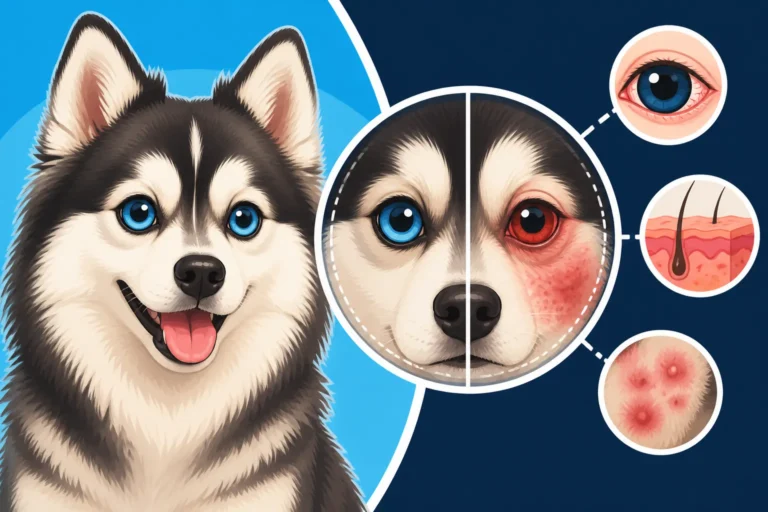
Finding out there's something amiss with your beloved Pomsky's eyes can be incredibly unsettling. That little sparkle you love so much suddenly seems… different, perhaps a bit cloudy or even crystalline. It's a scary moment for any dog parent, and often, what you might be noticing are the early signs of a condition called corneal dystrophy. This guide is here to walk you through exactly what corneal dystrophy looks like in a Pomsky, helping you understand the visual cues, how it might affect your furry friend, and what steps you can take.
Understanding Corneal Dystrophy in Dogs
Corneal dystrophy isn't just one thing; it's a group of inherited eye conditions that affect the cornea, the clear, outermost layer of your dog's eye. Think of the cornea as the crystal-clear window to the world for your Pomsky. When dystrophy strikes, this window starts to develop opacities or deposits, changing its clarity and sometimes its structure. Unlike injuries or infections that cause corneal issues, dystrophy isn't caused by external factors and it's usually not inflammatory. It's something your Pomsky is predisposed to genetically.
The Role of the Cornea
The cornea is a marvel of biological engineering. It's composed of several layers, each playing a crucial role in maintaining its transparency and protecting the inner structures of the eye. Light needs to pass through a perfectly clear cornea to reach the retina at the back of the eye, allowing your Pomsky to see clearly. Any disruption to these layers—whether it's an injury, an infection, or in the case of dystrophy, an abnormal accumulation of material—can compromise its transparency and, consequently, your dog's vision. For our Pomskies, with their vibrant and expressive eyes, any change in that clarity is immediately noticeable. You might find yourself staring intently, trying to figure out if it's just a trick of the light or something more.
The Genetic Link in Pomskies
When we talk about corneal dystrophy in Pomskies, it's really important to remember its genetic roots. This isn't something your dog caught from the park or developed from poor diet. It's inherited. While specific genes responsible for all forms of corneal dystrophy in Pomskies are still being researched, we know that many breeds, including some of those in the Pomsky's lineage, like the Siberian Husky, are known to carry genes that can predispose them to various eye conditions. This is why reputable breeders often undertake genetic health screening for potential breeding pairs. Understanding that it's inherited can help you prepare for its management and avoid blaming yourself for its onset. If you're ever curious about the genetic health of your dog, a visit with your vet or a certified veterinary ophthalmologist can provide more insight into The Eyes a Pomsky Gets From the Husky.
Visual Signs of Corneal Dystrophy in Your Pomsky
Now, let's get down to the nitty-gritty: what does this actually look like? The visual presentation of corneal dystrophy can vary quite a bit, depending on the specific type and how advanced it is. However, there are some common hallmarks that you, as a vigilant Pomsky parent, might notice. It often starts subtly, perhaps just a slight dullness that you dismiss at first, but over time, it becomes more distinct.
Cloudy or Hazy Patches
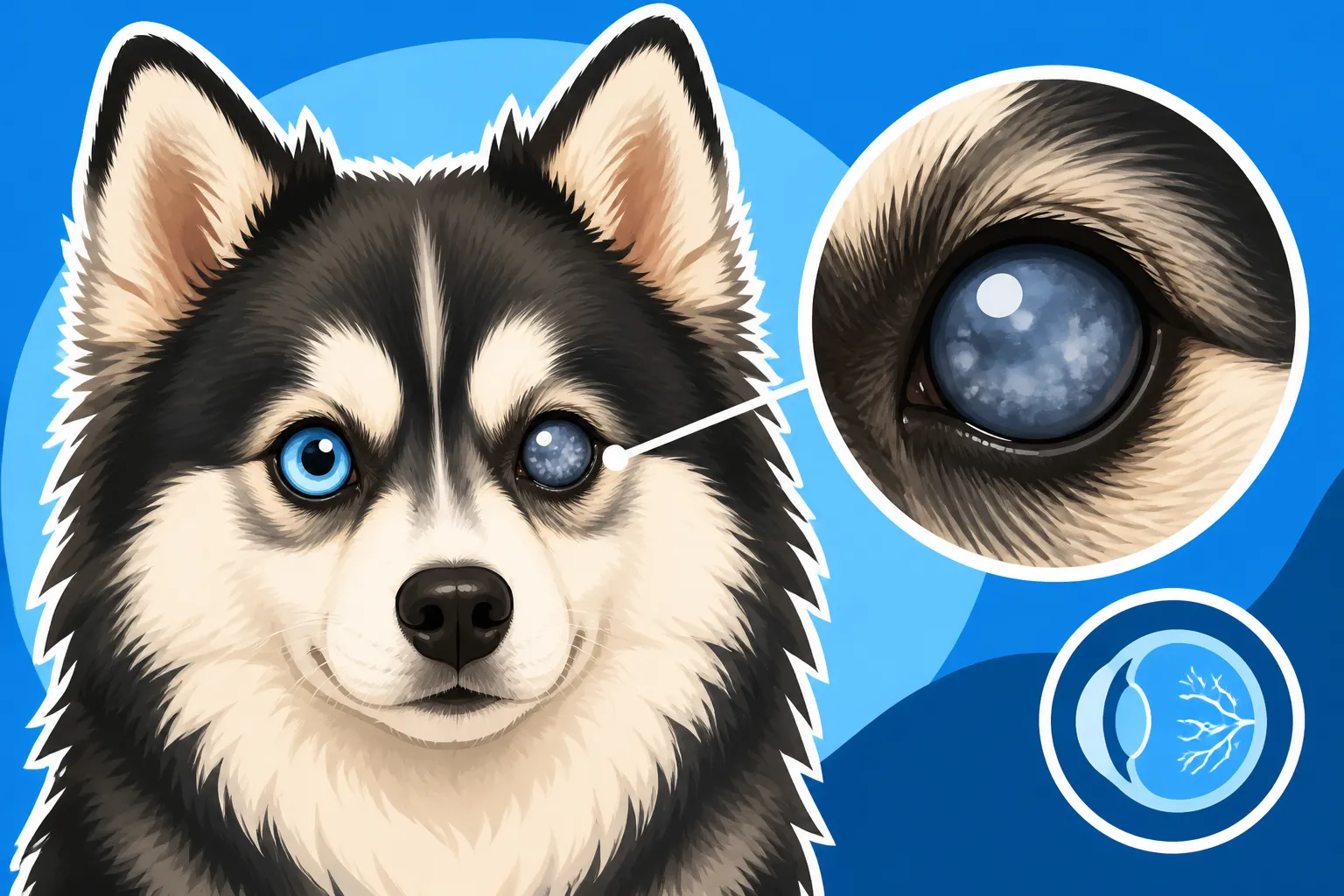
One of the most common early signs of corneal dystrophy is the appearance of cloudy or hazy patches on the surface of your Pomsky's eye. These aren't like the sudden, angry red eyes you'd see with conjunctivitis or an injury. Instead, they typically appear as white, grey, or bluish-white areas of opacity. Imagine looking at a clear windowpane that has some faint, almost milky smudges on it – that's often what these patches resemble. They can be anywhere on the cornea, sometimes centralized, other times around the edges.
These cloudy areas are usually caused by an accumulation of lipids (fats) or calcium deposits within the corneal layers. Over time, these deposits can grow in size and density, making the eye appear increasingly opaque. It's not usually painful in its early stages, which is why it can be easy to overlook. You might notice it most clearly when your Pomsky is looking directly at you in good light, or when their eyes catch the sun just right.
Sparkly or Crystalline Deposits
Beyond just general cloudiness, some forms of corneal dystrophy manifest as distinct sparkly or crystalline deposits. This is a particularly striking appearance and is often linked to specific types of lipid dystrophy where cholesterol or other fats are deposited in a very organized, reflective manner. If you were to look closely, it might almost seem like tiny, shimmering shards of glass or glitter embedded within the eye's surface, or even a fine, glittering dust.
These crystalline deposits can range from sparse, almost invisible specks to more densely packed, shimmering areas. They can reflect light in an unusual way, giving your Pomsky's eye a peculiar sparkle that, while perhaps beautiful in a strange way, is definitely a sign that something isn't quite right. This type of appearance can be especially unnerving to discover, as it's so visually distinct from a healthy, clear cornea.
Changes in Eye Color or Opacity
In some cases, corneal dystrophy can lead to a more general change in the overall color or opacity of the eye. Instead of distinct patches, the entire cornea might take on a duller, more bluish, or grayish tint. It loses that bright, reflective quality that healthy canine eyes possess. This can be particularly noticeable if your Pomsky has vibrant blue eyes, where the contrast of a developing opacity might be more striking.
Furthermore, the level of opacity can vary. Some dystrophies might cause a superficial cloudiness that doesn't seem to penetrate deep into the cornea, while others can affect deeper layers, making the eye look denser and less transparent. It's crucial to understand that these changes are typically non-inflammatory, meaning you won't usually see redness, discharge, or excessive tearing unless there's an accompanying problem. If you see signs of inflammation, it’s always best to consult with your veterinarian to rule out other issues. Sometimes, what looks like corneal dystrophy can mask other serious conditions like The Juvenile Cataracts a Pomsky Gets From the Husky or even Whether a Pomsky Gets Glaucoma.
Here's a quick comparison of what different appearances of corneal dystrophy might look like:
| Feature | Appearance in Early Corneal Dystrophy | Appearance in Advanced Corneal Dystrophy |
|---|---|---|
| Overall Clarity | Slight, subtle haziness | Distinct cloudiness, significant opacity |
| Patches/Deposits | Faint, milky-white spots | Dense, white/grey, or crystalline areas |
| Location | Often central, but can vary | Spreading, affecting larger corneal areas |
| Eye Color Impact | Minimal initial change | Dullness, bluish/grey tint to the eye |
| Surface Texture | Smooth, intact surface | Smooth, but deposits visible within |
How Corneal Dystrophy Affects Your Pomsky's Vision and Comfort
While the visual changes are what you’ll notice first, the real concern for any Pomsky parent is how these changes impact their dog's quality of life. The good news is that many forms of corneal dystrophy are non-progressive or progress very slowly, and they don't always lead to significant vision impairment or discomfort. However, for some Pomskies, especially with certain types or advanced stages, there can be tangible effects.
Impact on Daily Life
In its mildest forms, corneal dystrophy might not affect your Pomsky's vision or daily activities at all. They might navigate their environment, play, and interact just as they always have. However, as the opacities become denser and more widespread, they can act like a frosted window, reducing the amount of light that reaches the retina. This can lead to decreased visual acuity, especially in dim light. Your Pomsky might seem a little more hesitant in unfamiliar places or at dusk, or they might bump into objects they usually avoid.
Imagine trying to see through a constantly smudged pair of glasses; that's somewhat what it's like. For Pomskies, whose world is also heavily influenced by scent and sound, they often compensate remarkably well, making it harder for us to spot the subtle changes. If you notice them being slower to react to visual cues or struggling with depth perception, it’s definitely time to get those eyes checked. Keeping up with regular check-ups is vital, as discussed in Whether a Pomsky Needs a Yearly Eye Exam.
Associated Discomfort
Most often, corneal dystrophy is not a painful condition. The deposits usually form within the layers of the cornea without irritating the nerve endings or causing inflammation. This is a key differentiator from other painful eye conditions like corneal ulcers or infections, which typically cause squinting, redness, increased tearing, and sensitivity to light. If your Pomsky shows these signs, it's an immediate red flag for a different, potentially acute problem that needs urgent veterinary attention.
However, there are rare instances where certain types of corneal dystrophy, particularly epithelial corneal dystrophy, can lead to recurrent corneal erosions. This means the outermost layer of the cornea becomes fragile and can spontaneously peel off, exposing sensitive nerve endings. This is painful and will manifest as acute discomfort. If you suspect your Pomsky is in pain, it's crucial to seek veterinary help immediately. Even if it’s not painful, having a good pet insurance plan from a provider like Healthy Paws can give you peace of mind, knowing that if any complications arise or further treatments are needed, you’ll be supported.
Getting a Diagnosis and Managing the Condition
If you've noticed any of these visual changes in your Pomsky's eyes, don't panic, but do take action. Early detection and proper diagnosis are key to understanding what you're dealing with and planning for your Pomsky's long-term eye health. It’s natural to feel worried, but your vet is your best partner in this.
The Veterinary Examination
The first step is always a visit to your veterinarian. They will conduct a thorough eye exam, which typically involves checking your Pomsky's vision, examining the external structures of the eye, and using an ophthalmoscope to look closely at the cornea, lens, and retina. They might also perform specific diagnostic tests. A fluorescein stain test, for instance, can help rule out corneal ulcers by highlighting any breaks in the corneal surface.
To get a definitive diagnosis of corneal dystrophy and differentiate it from other conditions, your vet might recommend a referral to a veterinary ophthalmologist. These specialists have advanced equipment, like slit lamps, that allow for a much more detailed examination of the corneal layers. They can often identify the specific type of dystrophy, which is crucial for prognosis and management. Remember, even if the condition is not painful or vision-impairing, getting a precise diagnosis helps you understand what to expect. This can also help you understand the potential long-term costs, so it’s always wise to look into options like pet insurance. Many Pomsky owners find that a policy from Healthy Paws can cover a significant portion of specialist visits and diagnostic tests.
Management and Monitoring
Unfortunately, there's no cure for most forms of corneal dystrophy as it's a genetic condition. The good news, as mentioned, is that many cases are benign and require no treatment beyond regular monitoring. For these Pomskies, management focuses on simply observing the progression (or lack thereof) and ensuring no secondary issues arise. Your veterinary ophthalmologist might recommend periodic check-ups to track any changes.
However, for types that cause discomfort (like recurrent erosions) or significant vision impairment, there are management strategies. These can include lubricating eye drops or ointments to keep the corneal surface moist and comfortable, contact lenses to protect the cornea, or even surgical interventions in very specific, rare cases (such as superficial keratectomy to remove superficial deposits or even a corneal graft for severe cases). These decisions are always made in consultation with a veterinary ophthalmologist. You should also be aware that conditions like Whether a Pomsky's Kneecap Needs Operating or more severe ailments can lead to high vet costs. Always plan for the unexpected, and remember that resources like Healthy Paws exist to help manage such situations. Be sure to understand What Insuring a Pomsky Runs Monthly and if any existing conditions are covered or excluded, as discussed in Whether Eye Disease Is Excluded on a Pomsky.
Living with a Pomsky who has corneal dystrophy means being a proactive and observant pet parent. Regular vet visits, keen observation of their behavior and eyes, and a good communication line with your veterinary team will ensure your furry friend continues to enjoy a happy and comfortable life, despite their "cloudy windows."
Disclaimer
This article is for general informational purposes only and does not constitute professional advice. Laws, prices and regulations vary by location and change over time. Consult a qualified professional for guidance on your specific situation.