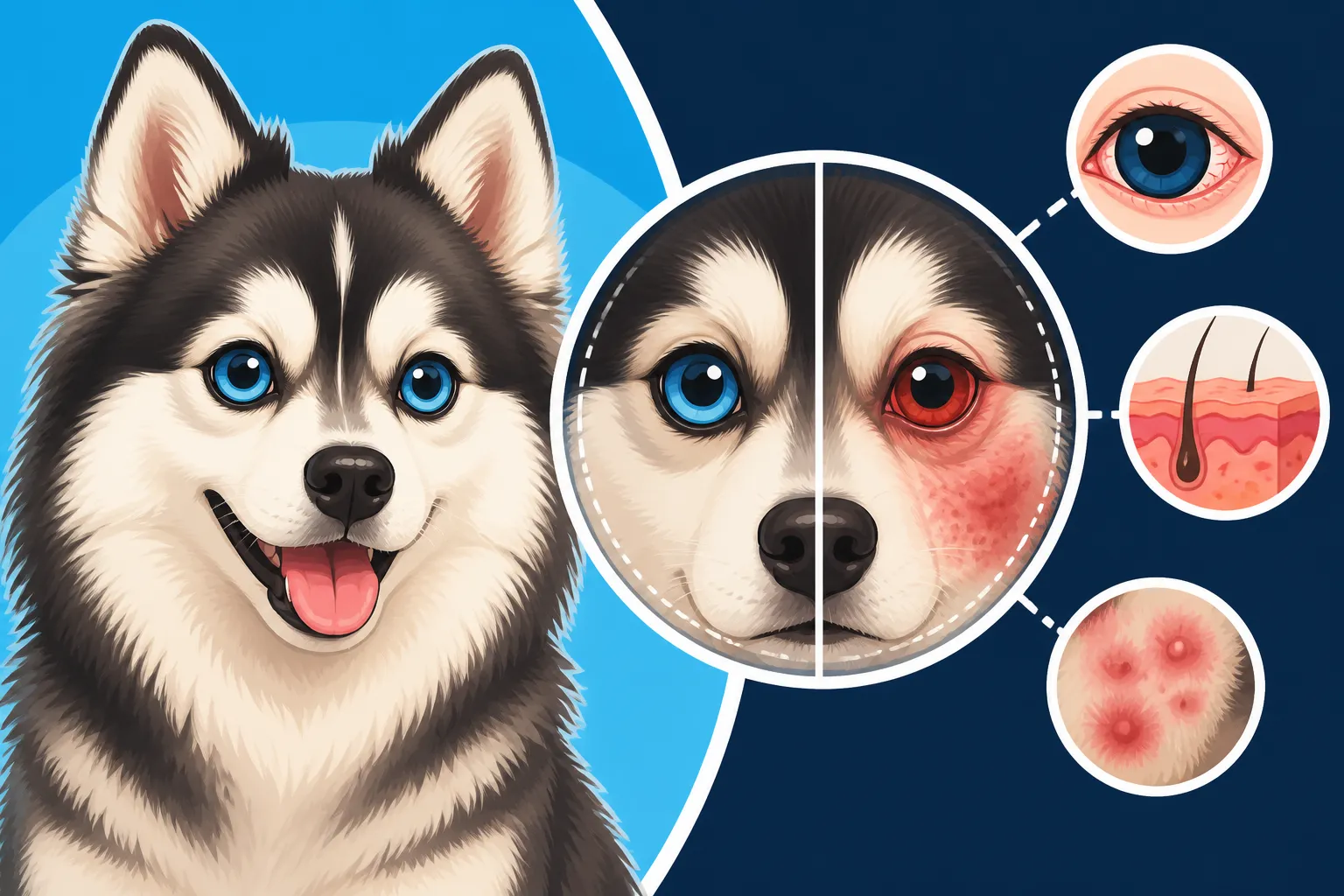
Whether a Pomsky Gets Uveodermatologic Syndrome
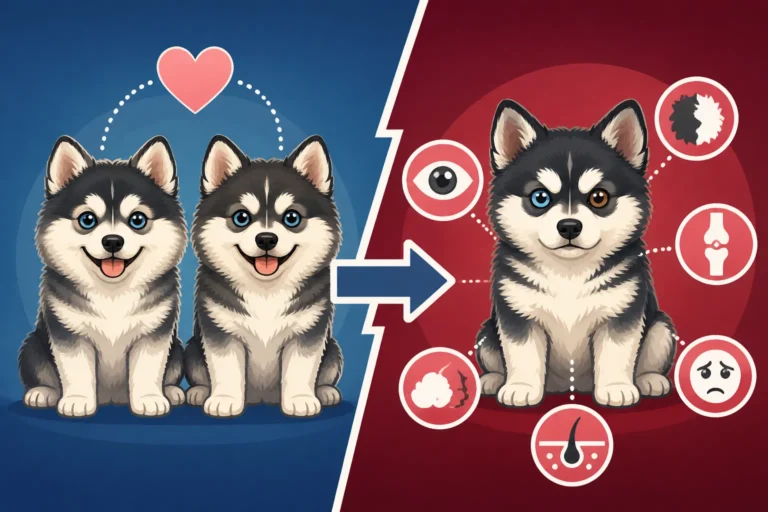
It’s truly disheartening when you bring home your adorable Pomsky, dreaming of years of happy companionship, only to start noticing subtle, worrying changes in their eyes or skin. The sheer variety of potential health issues, especially in a hybrid breed that can inherit traits from two distinct lines, can make any new symptom feel like a terrifying mystery. This comprehensive guide aims to shed light on Uveodermatologic Syndrome (UDS), a rare but serious autoimmune condition, to help you understand if your Pomsky could be at risk and what signs to look out for.
Understanding Uveodermatologic Syndrome (UDS) in Dogs
When it comes to our beloved Pomskies, we often focus on common issues like Slipping Kneecaps in a Pomsky or Alopecia X and the Pomsky That Loses Its Coat. However, there are more obscure conditions that, while rare, can be devastating if not recognized. Uveodermatologic Syndrome (UDS) is one such condition, and understanding it is the first step in protecting your furry family member.
What Exactly is UDS?
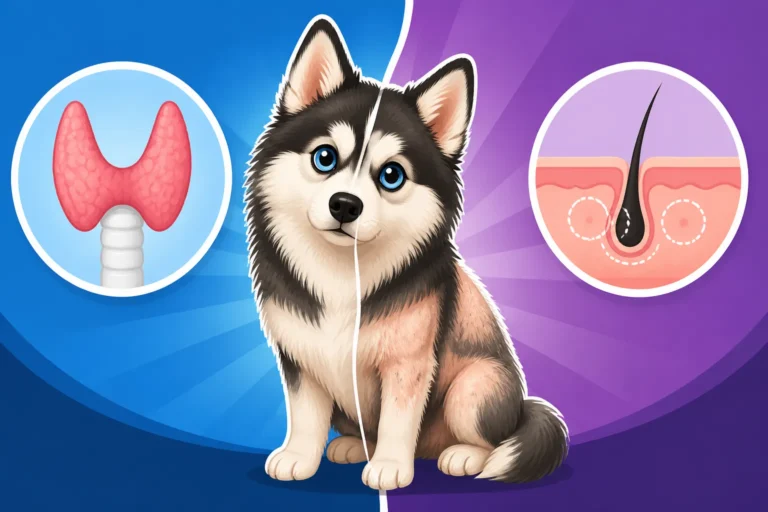
Uveodermatologic Syndrome is an autoimmune disorder, which means the body's immune system mistakenly attacks its own healthy cells. In the case of UDS, the target is primarily melanocytes—the cells responsible for producing pigment—found in the eyes, skin, and sometimes even the brain. It's a bit like the immune system gets confused and decides these pigment-producing cells are foreign invaders, launching an attack that leads to inflammation and destruction. This isn't just a minor cosmetic issue; the inflammation can be severe, causing pain and significant damage to the affected tissues. It’s important to grasp that this isn't an infection or something contagious; it's an internal malfunction of the immune system.
The exact cause of UDS isn't fully understood, but it's believed to have a strong genetic component, especially in certain breeds. It’s also considered an "immune-mediated" disease, meaning the immune system plays a central, albeit misguided, role in its development. While not all dogs with a genetic predisposition will develop UDS, the presence of certain genes makes them much more susceptible. This is why breed-specific research and awareness are so crucial, even for newer breeds like the Pomsky.
How UDS Manifests in Dogs
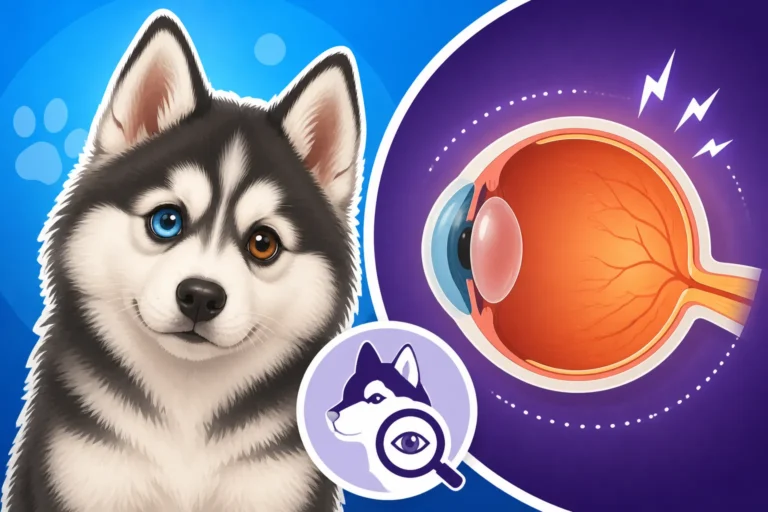
The symptoms of UDS can be quite varied because it affects multiple systems, primarily the eyes and skin. Often, the eye symptoms appear first and can be particularly alarming. You might notice your Pomsky suddenly develops red, painful eyes, with excessive tearing or squinting. The eyes might appear cloudy, and if you look closely, you might even see a change in the color of the iris or the white of the eye becoming inflamed. This inflammation in the eye is called uveitis, and it can progress rapidly, potentially leading to glaucoma, cataracts, and even blindness if left untreated. It's not just a minor irritation; severe uveitis is incredibly painful and can cause permanent damage to the delicate structures within the eye.
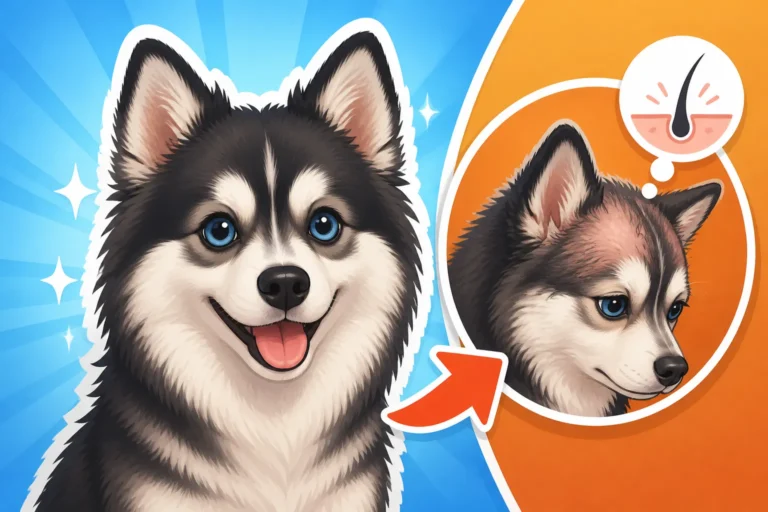
Beyond the eyes, UDS also causes significant skin issues. Because melanocytes are attacked, you'll often see depigmentation (loss of color) in various areas. The nose is a common spot, turning from black to pink or light brown, sometimes with crusting or ulceration, a condition often referred to as "snow nose" or vitiligo. The lips, eyelids, and paw pads can also lose pigment, sometimes becoming thickened, cracked, or sore. You might even notice patches of white hair appearing in your Pomsky's coat. In severe cases, particularly if the paw pads are affected, walking can become painful. These skin changes can sometimes be confused with other dermatological issues, making a correct diagnosis essential.
The Pomsky's Genetic Predisposition to UDS
Given that UDS is often linked to specific breeds, it's natural for Pomsky owners to wonder about their own furry companions. After all, Pomskies are a mix of two distinct breeds: the Siberian Husky and the Pomeranian. Unraveling the genetic threads of both parent breeds is key to understanding potential health risks like UDS.
Tracing the Husky Link
When discussing Uveodermatologic Syndrome, one breed consistently stands out as being highly predisposed: the Siberian Husky. Akitas, Samoyeds, and Alaskan Malamutes are also on the list, but the Husky connection is particularly strong. This means that any breed mixed with a Husky inherently carries a higher potential risk for conditions common in the Siberian Husky line. If a Pomsky inherits more of the Husky’s genetic makeup related to immune response or pigment production, it could certainly be predisposed to developing UDS. It’s not a guarantee, of course, but the risk factor is absolutely there and cannot be ignored.
Responsible breeders of Pomskies should be acutely aware of the health history of their Siberian Husky parent stock, including any incidence of UDS in their lines. While there isn't a simple genetic test for UDS that breeders can use to completely screen out carriers, being mindful of the breed's predispositions is crucial. Owners, too, should understand this lineage; it underscores why even "hybrid vigor" doesn't make a Pomsky immune to all parental health issues. You might be more focused on The Eyes a Pomsky Gets From the Husky in terms of color, but inheriting potential predispositions to conditions like UDS is a much more serious consideration.
Why Breed Mixes Still Carry Risks
There's a common misconception that hybrid breeds like the Pomsky are inherently healthier than their purebred parents due to something called "hybrid vigor." While hybrid vigor can sometimes reduce the incidence of certain recessive genetic diseases by introducing a wider gene pool, it doesn't offer a blanket immunity to all inherited conditions, especially those with complex genetic components or dominant traits, or those where one parent breed has a strong predisposition. Uveodermatologic Syndrome is one of those conditions where a strong genetic link in one parent breed (the Husky) means the risk is passed on to the offspring.
Think of it this way: if both parents carry a problematic gene, or if one parent has a high incidence of a particular disease, even mixing breeds won't necessarily dilute that risk entirely. A Pomsky still carries a significant portion of Siberian Husky DNA, and with that comes the potential for Husky-specific health issues. This is why it's so important to monitor your Pomsky closely for any unusual symptoms, regardless of their mixed-breed status. Knowing the health challenges of both the Siberian Husky and the Pomeranian can help you be a more informed and proactive owner.
Recognizing Early Signs in Your Pomsky
Catching UDS early is paramount for a better prognosis and to minimize discomfort and potential vision loss for your Pomsky. Since the eyes are often the first area affected, pay close attention to any changes there. This means looking for signs beyond just typical discharge or mild irritation. Are the whites of their eyes bloodshot or inflamed? Is there any cloudiness developing in the cornea, even subtle? Does your Pomsky seem more sensitive to light, squinting more often, or rubbing their eyes? Any sudden, unexplained redness or pain in one or both eyes warrants an immediate trip to the vet.
On the skin front, be vigilant for changes in pigmentation. The most obvious sign is the depigmentation of the nose, turning from its natural black to a paler pinkish or brown color. This can happen gradually, so regular checks are important. Also, inspect their lips, eyelids, and paw pads for similar color loss or any crusting, cracking, or soreness. Some Pomskies might develop white patches in their coat. These skin changes might not be painful initially, but they are crucial indicators. If you notice any combination of eye inflammation and sudden pigment loss, especially around the face, it’s a strong signal that UDS could be at play. Early detection and intervention can significantly impact the long-term outcome.
Diagnosing and Managing Uveodermatologic Syndrome in Pomskies
Receiving a diagnosis of UDS for your Pomsky can be frightening, but understanding the diagnostic process and available management strategies can empower you as an owner. It’s a serious condition, but with proper care, many dogs can live a good quality of life.
The Diagnostic Journey
Diagnosing UDS typically involves a multi-faceted approach, starting with a thorough physical examination and detailed history from you, the owner. Your veterinarian will be looking for the characteristic combination of eye inflammation (uveitis) and skin depigmentation. Often, they will refer you to a veterinary ophthalmologist for a specialized eye exam, which might include tonometry to check eye pressure (ruling out glaucoma) and slit-lamp biomicroscopy to examine the internal structures of the eye. The ophthalmologist might also perform a fluorescein stain test to check for corneal ulcers.
For the skin component, a definitive diagnosis often requires a skin biopsy. This involves taking small tissue samples from affected areas, typically the nose, lips, or paw pads, which are then sent to a veterinary pathologist. The pathologist will examine the samples under a microscope for specific cellular changes consistent with UDS, such as inflammatory cells attacking melanocytes. Blood tests might also be performed to rule out other autoimmune diseases or infections, although there is no specific blood test for UDS itself. This comprehensive diagnostic approach helps ensure an accurate diagnosis, distinguishing UDS from other conditions that might have similar symptoms, like certain types of Corneal Dystrophy in a Pomsky or severe allergies.
Treatment Options and Prognosis
The primary goal of UDS treatment is to suppress the overactive immune system that is attacking the body's own cells and to manage the inflammation. This usually involves long-term use of immunosuppressive medications, with corticosteroids like prednisone being a common first-line treatment. These drugs help reduce inflammation in the eyes and skin, and prevent further damage. Often, other immunosuppressants like azathioprine or cyclosporine might be used, either in conjunction with corticosteroids or as alternatives to minimize steroid side effects. The exact dosage and combination of medications will depend on the severity of the disease and your Pomsky's response.
Topical treatments are also often part of the management plan. Steroid eye drops are crucial for controlling ocular inflammation, and dilating eye drops may be used to prevent adhesions within the eye. For skin lesions, medicated shampoos, ointments, or creams might be prescribed to address any secondary infections and soothe irritation. Unfortunately, UDS is usually a lifelong condition, meaning most Pomskies will require ongoing medication to keep symptoms under control. While the prognosis can be good with consistent treatment, particularly if caught early, vigilance is key. Regular follow-up appointments with both your primary vet and the veterinary ophthalmologist are essential to monitor your Pomsky's progress, adjust medications, and catch any flare-ups promptly.
Living with a Pomsky with UDS
Managing UDS in a Pomsky is a significant commitment, both emotionally and financially. Owners need to be diligent about administering medications exactly as prescribed, often multiple times a day, and understand that consistency is vital to prevent relapses. You’ll need to become adept at applying eye drops and potentially giving oral medications, which can be a challenge with a spirited Pomsky, but persistence pays off. Regular vet check-ups will become a part of your routine, sometimes monthly at the start, then gradually decreasing in frequency as the condition stabilizes. These visits are crucial to monitor your dog's response to treatment, check for side effects, and assess the progression of the disease.
Sun protection is another critical aspect, especially for areas of depigmented skin, which are highly susceptible to sunburn. Keeping your Pomsky indoors during peak sun hours or applying dog-safe sunscreen to sensitive areas can help. Mentally, it can be tough to see your vibrant Pomsky battling a chronic condition, but focusing on their quality of life is key. Many dogs with UDS, once well-managed, can lead happy, comfortable lives. However, be prepared for the financial implications; long-term medication and specialist visits can add up. This is where having pet insurance, such as a comprehensive plan from Healthy Paws, can be an absolute lifesaver, helping to offset the substantial costs of ongoing care.
| Symptom Category | Uveodermatologic Syndrome (UDS) | Common Pomsky Issues (e.g., allergies, simple conjunctivitis) |
|---|---|---|
| Eye Symptoms | Severe, painful uveitis (redness, cloudiness, sensitivity to light, potential vision loss, iris changes) | Mild redness, discharge, squinting, usually less severe pain, often unilateral initially |
| Skin Symptoms | Depigmentation (nose, lips, eyelids, paw pads turning pink/white), crusting, ulceration, white hair patches | Redness, itching, rashes, hot spots, dry skin, no depigmentation typically |
| Paw Pads | Depigmentation, thickening, cracking, soreness, pain upon walking | Occasional irritation, mild dryness, no pigment loss |
| Progression | Often rapid onset, can lead to blindness if untreated; chronic, lifelong management | Can be acute or chronic, usually responds well to simpler treatments, rarely causes permanent damage |
| Cause | Autoimmune attack on melanocytes in eyes and skin (genetic predisposition) | Environmental allergens, food sensitivities, irritants, infections |
| Diagnosis | Veterinary ophthalmologist exam, skin biopsy, rule-out tests | Physical exam, allergy testing, skin scrapes, culture |
Preventing and Preparing for UDS in Pomskies
While UDS isn't a condition you can completely prevent with a simple vaccine, there are steps you can take as a responsible Pomsky owner to minimize risks and, crucially, to be prepared should the worst happen. Prevention and preparedness go hand in hand when dealing with complex genetic health concerns.
The Role of Responsible Breeding
For any potential Pomsky owner, selecting a reputable breeder is the single most impactful decision you can make regarding your puppy's future health. A responsible breeder will prioritize the health and temperament of their breeding dogs above all else. This means they will conduct thorough health screenings on both the Siberian Husky and Pomeranian parents. While there isn't a direct genetic test for UDS that breeders can use, they should be transparent about the health history of their lines, particularly regarding any autoimmune conditions or eye issues like The Juvenile Cataracts a Pomsky Gets From the Husky in the Husky parent.
They should be able to provide clear documentation of health clearances for common breed-specific conditions, even if UDS isn't on the standard panel. Asking about the incidence of autoimmune diseases in their breeding lines and being wary of breeders who breed from dogs with a history of unexplained eye problems or severe skin depigmentation is a good practice. Remember, a good breeder is a partner in your Pomsky's long-term health, and their commitment to ethical breeding practices is your best defense against many inherited conditions. Always ask extensive questions about the parent dogs' health, temperaments, and ancestry.
Proactive Care and Awareness
Even with the best breeding practices, no dog is immune to all health challenges. Proactive care and keen awareness are your next best tools. This means regular veterinary check-ups for your Pomsky, not just when something seems wrong, but for routine wellness exams. Your vet can often spot subtle changes that you might miss, especially during a thorough physical examination. Pay attention to changes in your Pomsky's behavior, energy levels, appetite, and especially their eyes and skin. Get into the habit of gently examining their nose, lips, and paw pads during grooming sessions.
It's also a good idea to research common health issues for both Siberian Huskies and Pomeranians, so you know what potential risks your Pomsky might face. Understanding conditions like Whether a Pomsky Needs a Yearly Eye Exam or the likelihood of Dental Crowding in a Pomsky's Small Mouth will make you a more informed owner. Consider getting pet insurance early in your Pomsky's life, before any pre-existing conditions develop. Companies like Healthy Paws offer comprehensive coverage that can provide peace of mind and financial support if your Pomsky ever faces a serious diagnosis like UDS, making critical, costly treatments more accessible.
Financial Planning for Chronic Conditions
Let's be realistic: chronic health conditions like Uveodermatologic Syndrome can be incredibly expensive to manage over a dog's lifetime. The cost of ongoing medications, frequent specialist visits, and potential emergency care can quickly accumulate into thousands of dollars. It’s a frustrating truth that providing the best care for our furry friends often comes with a hefty price tag. Many owners find themselves in the difficult position of choosing between their pet's health and their financial stability. This is not a position any loving pet parent wants to be in.
This is why financial planning is just as important as medical planning. Setting aside an emergency fund specifically for veterinary care is highly recommended. Even putting away $50-$100 a month can create a substantial buffer over time. Another excellent option, as mentioned, is pet insurance. A good policy from a provider like Healthy Paws can cover a significant portion of diagnostic tests, medications, and specialist fees associated with chronic conditions. It transforms potentially crippling, unpredictable vet bills into manageable monthly premiums, allowing you to focus on your Pomsky's health without added financial stress. Planning ahead can literally save your Pomsky's life and ensure they receive the best possible care for as long as they need it.
Disclaimer
The information provided in this article is for educational and informational purposes only and does not constitute medical advice for pets. Always consult with a qualified veterinarian or veterinary specialist for any health concerns or before making any decisions related to your Pomsky's care.