Whether a Pomsky’s Eyes Water in Wind
It can be incredibly unsettling when you notice your beloved Pomsky's eyes starting to water, especially when you're out enjoying a breezy day or a car ride with them. You might immediately jump to the worst conclusions, wondering if it's an infection, an injury, or some serious underlying health issue. This guide is here to help you understand why your Pomsky's eyes might water in the wind, when it's a normal physiological response, and when it might signal something that warrants a trip to the vet.
Understanding Why Wind Affects a Pomsky's Eyes
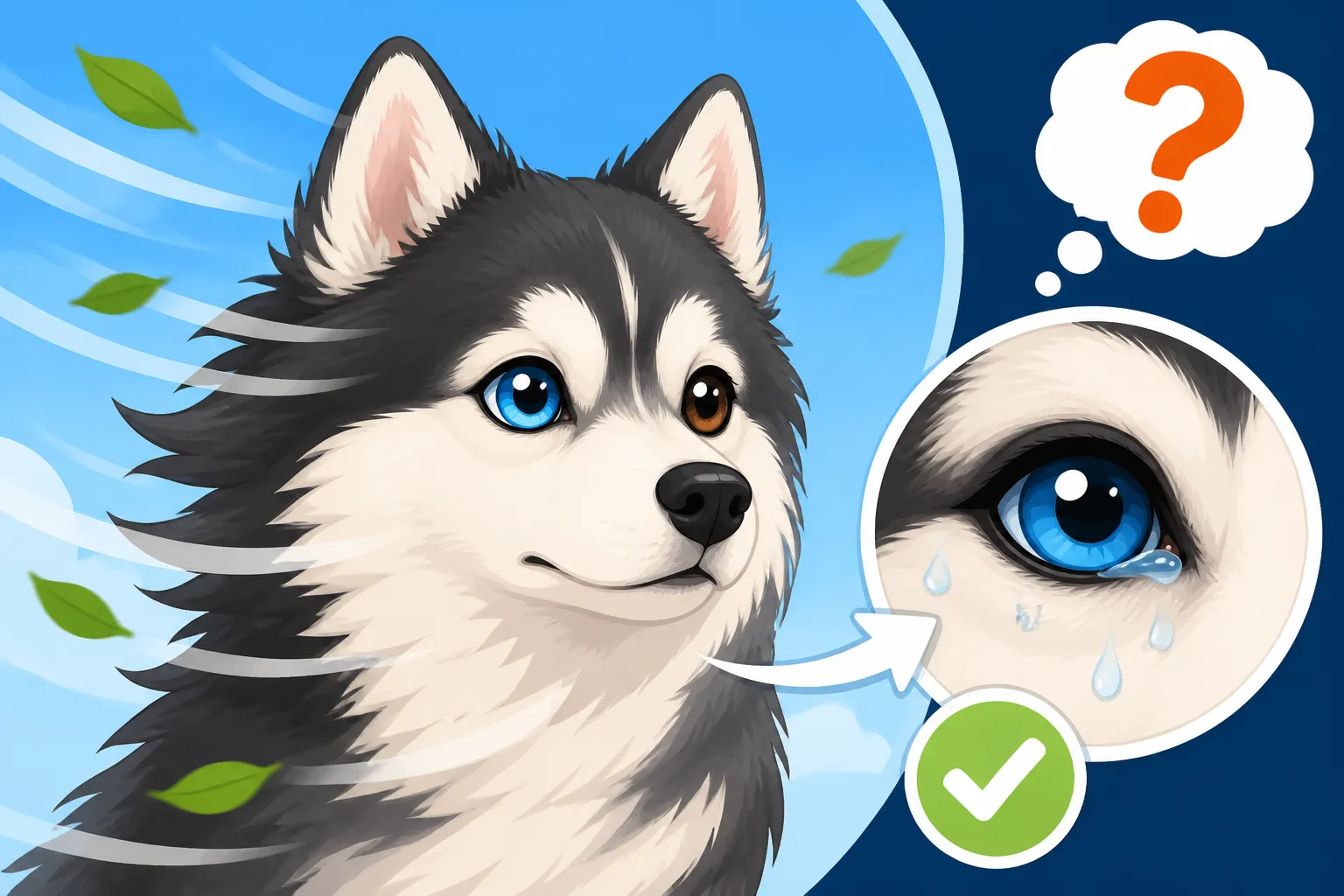
Just like with us humans, a Pomsky's eyes are delicate organs that are constantly working to protect themselves from the environment. When wind enters the picture, it introduces a whole new set of challenges that can trigger an immediate, often harmless, reaction from your dog's eyes. It’s a very common sight for many dog owners, but understanding the ‘why’ can bring a lot of peace of mind.
The Natural Defense Mechanism
Think about how your own eyes react when you step out on a blustery day or if a sudden gust of wind catches you off guard. They water, right? Your Pomsky's eyes operate on a very similar principle. The primary role of tears is not just to express emotion (dogs don't cry tears of sadness like we do), but to keep the eyes moist, nourished, and most importantly, clean. The tear film acts as a constant bath, washing away tiny particles and irritants.
When wind blows across the surface of the eye, it can do a few things that prompt an increase in tear production. Firstly, wind has a drying effect. Even if you can't feel it, the constant movement of air can evaporate the natural tear film more quickly than usual, leaving the eye feeling dry and irritated. In response, the tear glands kick into overdrive, producing more tears to compensate and maintain adequate moisture. This is your Pomsky's natural humidifier working overtime.
Secondly, wind carries all sorts of microscopic irritants that we often can't even see. Dust, pollen, tiny seeds, stray hairs, or even minuscule bits of environmental debris can be whipped up and into your dog's eyes. When these foreign bodies land on the delicate surface of the cornea, the eye perceives them as a threat and unleashes a flood of tears to try and flush them out. It’s an immediate, protective reflex designed to prevent damage and keep the eye clear. So, if you notice clear, watery eyes that stop once you're out of the wind, it's often just this robust defense system in action.
Breed-Specific Factors in Pomskies
While all dogs can experience watery eyes in windy conditions, certain breeds or individual dogs might be more prone to it due to their unique facial structure and genetic makeup. Pomskies, being a hybrid of the Siberian Husky and the Pomeranian, can inherit traits from both sides that influence how their eyes cope with wind.
From their Husky lineage, Pomskies often get those striking, sometimes larger, rounder eyes. While beautiful, eyes that are more prominent or have less protective orbital bone structure might be slightly more exposed to the elements. This means wind can hit the surface of the eye more directly, leading to increased drying and irritation. Additionally, Huskies are known for their resilience and strong physical traits, but their eye structure isn't always perfectly adapted to all environmental extremes without some tearing. You might find that looking into The Eyes a Pomsky Gets From the Husky reveals more about these specific traits.
On the Pomeranian side, while their eyes are typically smaller, some Pomskies might inherit a shallower eye socket or a slightly more bulging eye appearance. This can also contribute to increased exposure to wind and airborne particles. Furthermore, the tear ducts themselves can sometimes be a bit narrower or more prone to blockage in smaller breeds, which, when combined with wind-induced tear production, might lead to tears overflowing more readily, running down the face. While this isn't necessarily a health problem from the wind itself, it can exacerbate the visible tearing.
Consider also the fur around their eyes. A Pomsky's dense, double coat, inherited from both parents, can be a blessing for temperature regulation, but the hair around the face can sometimes direct wind or collect debris, funneling it directly into the eye area. While The Pomsky That Carries a Husky Coat at Twenty Pounds is a fantastic article about grooming this magnificent coat, it’s worth noting that carefully trimming the hair around the eyes (best done by a professional groomer or vet) can sometimes reduce irritation from both wind and hair itself. It’s a delicate balance of genetics and environment that determines just how much your individual Pomsky’s eyes will water when the breeze picks up.
When Watery Eyes Are More Than Just Wind
It's one thing for your Pomsky's eyes to water momentarily when a strong gust blows through, and quite another for the tearing to be persistent, accompanied by other symptoms, or to produce anything other than clear fluid. Recognizing the difference is key to ensuring your furry friend's health and comfort. As a diligent pet parent, your observations are crucial in determining if a vet visit is needed.
Distinguishing Normal Tearing from a Problem
When your Pomsky's eyes are watering purely due to wind, you'll typically notice a few key characteristics. The tears will be clear, like water, and the tearing should subside relatively quickly once your dog is out of the windy conditions. There shouldn't be any accompanying redness, swelling of the eyelids, or signs of discomfort like squinting, pawing at their face, or rubbing their eyes on furniture or the ground. It’s simply an overflow of natural, protective tears. Think of it as a temporary rinse cycle for their eyes.
However, if you observe any of the following signs, it’s a strong indication that something more serious than just wind irritation might be at play:
- Persistent Tearing: If the eyes continue to water even after your Pomsky has been indoors and away from wind for a significant period.
- Abnormal Discharge: Instead of clear tears, you see cloudy, yellowish, greenish, or mucus-like discharge. This is a classic sign of infection.
- Redness: The whites of the eyes (sclera) appear red, or the inner lining of the eyelids (conjunctiva) looks inflamed.
- Swelling: The eyelids themselves are swollen or puffy.
- Squinting or Excessive Blinking: This indicates pain or discomfort in the eye.
- Light Sensitivity: Your Pomsky might shy away from bright lights, squinting more in illuminated areas.
- Pawing or Rubbing: Constant pawing at the eye or rubbing their face against surfaces is a clear signal of irritation or pain.
- Visible Foreign Body: You can actually see a piece of debris in the eye, which might require immediate veterinary attention to avoid scratching the cornea.
- Changes in the Eye's Appearance: Any cloudiness on the cornea itself (the clear front surface of the eye), a visible injury, or uneven pupil sizes.
If you're ever in doubt, it's always better to err on the side of caution. Eye issues can progress rapidly and lead to serious consequences, including vision loss, if left untreated.
Common Eye Conditions to Watch For
Beyond simple wind irritation, several other conditions can cause watery eyes in your Pomsky, some of which might be exacerbated by environmental factors like wind. Knowing these can help you better articulate symptoms to your veterinarian, especially if you have pet insurance like Healthy Paws, which can help cover unexpected diagnostic and treatment costs.
Allergies: Just like humans, dogs can suffer from environmental allergies to pollen, dust mites, mold, or even certain foods. Allergic reactions can manifest as itchy, red, and watery eyes, often accompanied by other symptoms like sneezing, itchy skin, or Whether a Pomsky Licks Its Paws excessively. Wind can certainly kick up more allergens, making symptoms worse. If your Pomsky's eyes water seasonally or after exposure to specific environments, allergies could be the culprit.
Blocked Tear Ducts (Nasolacrimal Duct Obstruction): This is a common issue, especially in smaller breeds or those with certain facial conformations. Tears are produced by glands, and then they drain through tiny ducts located in the inner corner of the eye, eventually flowing into the nasal cavity. If these ducts become blocked due to inflammation, debris, or even a genetic predisposition, tears can't drain properly and simply overflow onto the face. Wind could stimulate more tear production, leading to more noticeable overflow if the ducts are already compromised.
Eyelid Abnormalities: Some Pomskies, inheriting traits from either parent, might be prone to eyelid conditions. Entropion is where the eyelid rolls inward, causing eyelashes and fur to rub against the cornea, leading to irritation, pain, and excessive tearing. Ectropion is the opposite, where the eyelid rolls outward, exposing the delicate inner lining and making the eye more vulnerable to drying and irritants like wind. Both can cause persistent watery eyes and require veterinary evaluation.
Corneal Irritation or Injury: The cornea is the transparent outer layer of the eye. It's incredibly sensitive. Wind can carry grit, sand, or even a tiny twig that can scratch the cornea. A corneal abrasion or ulcer is extremely painful and will cause intense squinting, redness, and watery discharge. Even chronic drying from constant wind exposure without proper lubrication can make the cornea more susceptible to irritation. Knowing What Corneal Dystrophy Looks Like in a Pomsky is also important, as this genetic condition affects the cornea and can sometimes be confused with or exacerbated by irritation.
Infections (Conjunctivitis): Bacterial or viral infections can cause inflammation of the conjunctiva, the membrane lining the inside of the eyelids and covering the white part of the eye. This condition, known as conjunctivitis, often results in red, swollen, itchy eyes with a discharge that can be clear, watery, or thick and purulent. While wind doesn't directly cause an infection, it can irritate an already inflamed eye, making symptoms appear worse.
Ectopic Cilia/Distichiasis: These refer to abnormally growing eyelashes. Ectopic cilia are eyelashes growing through the inside of the eyelid, directly rubbing against the cornea. Distichiasis involves eyelashes growing from an abnormal spot on the eyelid margin, also irritating the eye. Both conditions cause chronic irritation, pain, and excessive tearing, regardless of wind exposure.
Other conditions, though less directly linked to wind, that can cause watery eyes or general discomfort include The Juvenile Cataracts a Pomsky Gets From the Husky, Whether a Pomsky Gets Glaucoma, or even signs of dry eye (Whether a Pomsky Gets Dry Eye) where inadequate tears lead to irritation, paradoxically sometimes causing a watery discharge as the eye tries to compensate. If you're observing any concerning signs, don't hesitate to contact your vet. Early diagnosis and treatment are always best when it comes to eye health. Regular vet check-ups, which might include asking Whether a Pomsky Needs a Yearly Eye Exam, are key to catching issues early.
Protecting Your Pomsky's Eyes from Wind and Irritants
Understanding the difference between normal wind-induced tearing and a potential health issue is the first step. The next is taking proactive measures to protect your Pomsky's eyes and knowing when to seek professional help. Prevention and early intervention are always the best course of action to maintain your Pomsky's eye health and overall well-being.
Practical Prevention Strategies
There are several straightforward ways you can help shield your Pomsky's eyes from the irritating effects of wind and airborne debris.
Limiting Exposure: This might seem obvious, but on particularly windy, dusty, or pollen-heavy days, consider shortening your walks or choosing routes that offer more shelter. A quick check of the weather forecast can inform your outdoor activity plans. If you live in an area prone to sandstorms or high winds, sometimes indoor play or a short potty break is the safest option for their eyes.
Protective Eyewear (Doggles): Yes, doggles are a real thing, and they're not just a fashion statement! For Pomskies who love car rides with their heads out the window (a big no-no for their eyes, as we'll discuss), or for those who accompany you on very windy hikes, protective eyewear can be invaluable. Brands like Doggles are specifically designed to fit a dog's head comfortably, offering UV protection and, crucially, a physical barrier against wind, dust, and debris. It might take a bit of training to get your Pomsky used to wearing them, starting with short periods and positive reinforcement. They can prevent corneal abrasions from flying objects and reduce drying effects.
Wiping and Cleaning: After being out in windy conditions, a gentle wipe around your Pomsky's eyes can help remove any accumulated dust or pollen before it causes prolonged irritation. Use a soft, damp cloth or veterinary-approved eye wipes. Always wipe away from the eye, from the inner corner outwards, and use a fresh part of the cloth or a new wipe for each eye to prevent cross-contamination if one eye is irritated. Regular cleaning can also help prevent the buildup of tear staining, especially in lighter-colored Pomskies, which can otherwise lead to skin irritation. Sometimes, issues like Whether a Pomsky's Skin Cracks Around the Mouth can be exacerbated by constant moisture from tears.
Grooming Around the Eyes: For Pomskies with longer hair around their faces, keeping this fur neatly trimmed can prevent it from poking into their eyes or collecting irritants that can then be blown into the eye. This is a delicate task that should ideally be performed by a professional groomer or your vet, as a wrong snip can cause serious injury. If you're doing it yourself, use blunt-nosed scissors and always have someone gently hold your Pomsky's head still.
Car Safety: As mentioned, while many dogs adore sticking their heads out of car windows, it's incredibly dangerous for their eyes. The force of the wind, combined with potential road debris (even small insects at speed), can cause severe corneal injuries. Always keep your Pomsky's head inside the vehicle. If they love to look out, consider rolling the window down only a crack, or use a window screen protector. Safety restraints are also a must for their overall safety in the car.
When to Consult Your Veterinarian
Even with the best preventative measures, sometimes issues arise that warrant professional medical attention. Knowing when to stop trying home remedies and head to the vet is paramount for your Pomsky's eye health. Don't delay if you notice any of the concerning symptoms listed earlier, particularly if they are persistent, severe, or worsening.
When you call your veterinarian, be prepared to provide as much detail as possible. This includes:
- Onset: When did you first notice the watery eyes?
- Duration: Has it been continuous, or does it come and go?
- Severity: How much tearing is there?
- Accompanying Symptoms: Is there redness, swelling, discharge, squinting, or pawing?
- Triggers: Does it seem to happen only in the wind, or at other times too?
- Any Recent Changes: New foods, new environments, new activities?
Your vet will conduct a thorough ophthalmic exam. This might involve several tests:
- Fluorescein Stain Test: A special dye is applied to the eye to reveal any corneal abrasions or ulcers.
- Schirmer Tear Test: Measures tear production to check for conditions like Whether a Pomsky Gets Dry Eye.
- Ocular Pressure Measurement (Tonometry): Checks for conditions like glaucoma.
- Examination with an Ophthalmoscope: Allows the vet to see inside the eye and evaluate structures like the lens and retina.
- Eyelid and Tear Duct Examination: To check for abnormalities or blockages.
- Referral to a Veterinary Ophthalmologist: For more complex cases, your vet might refer you to a specialist.
The good news is that many eye conditions, especially if caught early, are highly treatable. Having a robust pet insurance plan, such as one from Healthy Paws, can be an absolute lifesaver. These plans can help mitigate the financial stress of unexpected veterinary bills, including those for diagnostics, medications, and even surgery if needed for more complex eye conditions. It allows you to make decisions based on what's best for your Pomsky's health, rather than your wallet. Remember, when it comes to your Pomsky's eyes, don't take chances.
| Symptom | Normal Wind-Induced Tearing | Signs of a Medical Issue |
|---|---|---|
| Tear Appearance | Clear, watery | Cloudy, yellow, green, or mucus-like discharge |
| Duration | Stops quickly out of wind | Persistent, lasts hours/days regardless of wind |
| Redness | None or very minimal, transient | Pronounced redness of whites of eyes or eyelids |
| Swelling | None | Visible swelling of eyelids |
| Behavioral Cues | No obvious discomfort, normal activity | Squinting, pawing, rubbing, light sensitivity, lethargy |
| Eye Clarity | Clear, bright | Cloudy cornea, visible debris embedded, unequal pupils |
| Vision Impact | None | Appears to have reduced vision, bumps into things |
| Other Symptoms | None | Sneezing, coughing, nasal discharge, skin itching |
Disclaimer
Please remember that this article is intended for informational purposes only and is not a substitute for professional veterinary advice. If you have concerns about your Pomsky's health, please consult with a qualified veterinarian immediately.