Whether a Pomsky Gets Yeast in Its Coat
It's incredibly frustrating when your adorable Pomsky starts to develop a peculiar, slightly sweet, almost "corn chip" smell, often accompanied by relentless scratching and a greasy, flaky coat. You've tried bathing them, maybe even changed their food, but the smell persists, and your poor pup seems utterly miserable. This isn't just a quirky dog smell; more often than not, these symptoms point directly to a common and uncomfortable issue: a yeast infection in your Pomsky's coat. This guide will walk you through exactly what's going on, why your Pomsky might be prone to it, and how to tackle it head-on, so your furry friend can finally get some relief.
Understanding Yeast Infections in a Pomsky's Coat
Seeing your beloved Pomsky constantly scratching or noticing an unpleasant odor can be really disheartening. It often leaves owners wondering if their grooming routine is inadequate or if there's something more serious at play. When it comes to a yeast infection, rest assured, you're not alone, and it's a very common condition for many breeds, including our fluffy Pomskies.
What Exactly Is Canine Yeast Dermatitis?
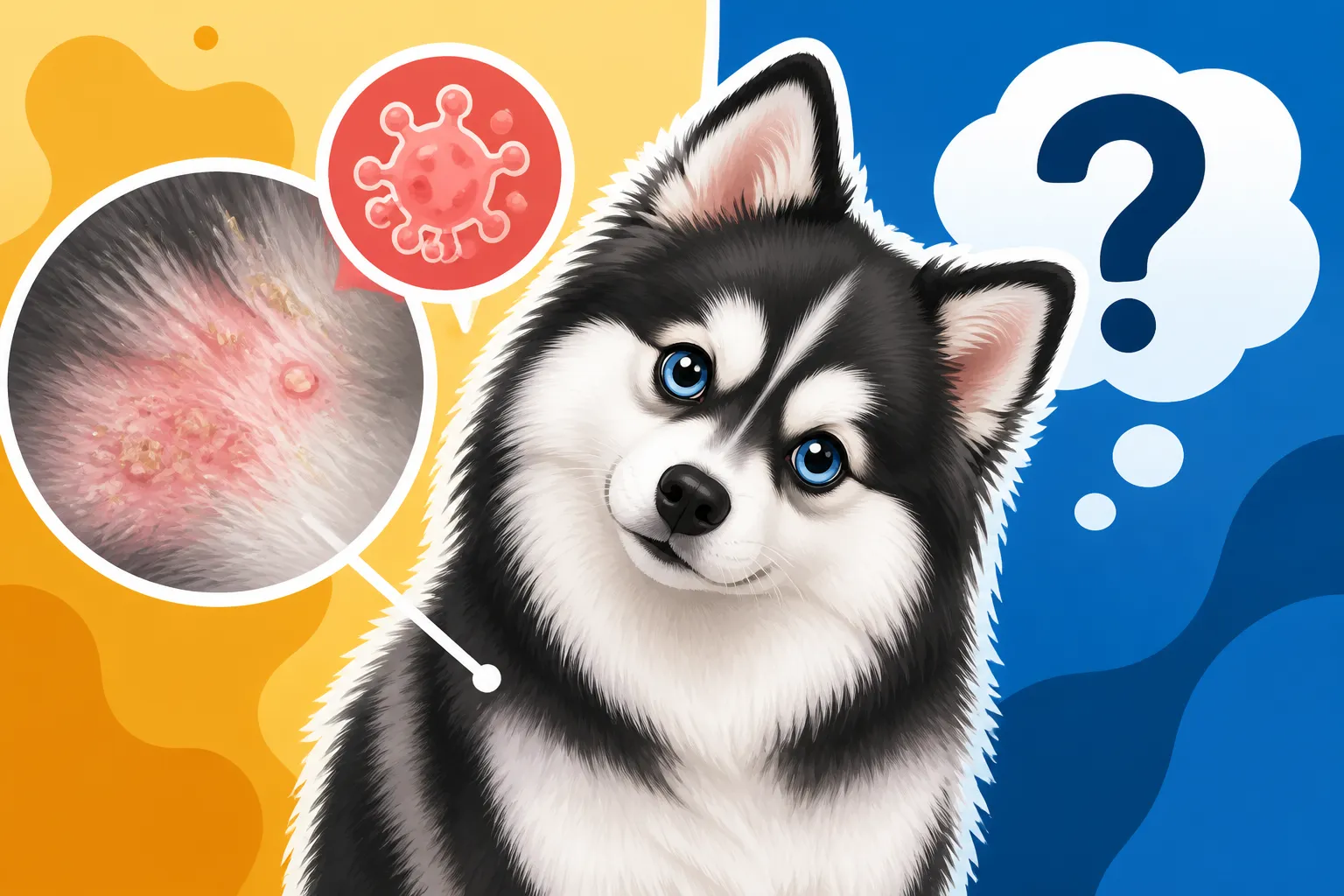
At its heart, canine yeast dermatitis, or Malassezia dermatitis, is an overgrowth of a specific type of yeast called Malassezia pachydermatis. Now, don't panic – this yeast isn't some foreign invader. It actually lives naturally on the skin and in the ears of all dogs, usually in harmonious balance with other microorganisms. It’s part of their normal skin flora, just like certain bacteria are part of ours.
However, certain conditions can disrupt this delicate balance, causing the Malassezia yeast to multiply uncontrollably. When this happens, it becomes an opportunistic pathogen, leading to inflammation, irritation, and all those unpleasant symptoms you're noticing. Think of it like a garden where certain plants thrive when given too much water or sunlight, outcompeting the others. This yeast is just doing what it does best when given the right (or wrong, from your dog's perspective!) conditions.
Why Pomskies Are Particularly Susceptible
Our beautiful Pomskies, with their dense double coats, inherit traits from both the Siberian Husky and the Pomeranian that can unfortunately make them prime candidates for yeast infections. The key culprit is often that magnificent, thick fur that we all adore.
The double coat, especially the dense undercoat that makes them so resilient in cold weather, can easily trap moisture against the skin. If your Pomsky isn't thoroughly dried after a bath, a swim, or even a rainy walk, that warm, damp environment becomes a perfect breeding ground for yeast. It creates a humid, low-air-circulation microclimate that yeast absolutely loves. Additionally, Pomskies can inherit a propensity for allergies from either parent breed. Whether it's environmental allergens like pollen and dust mites or food allergies, these can cause skin inflammation, which then compromises the skin barrier and allows yeast to take hold. If you've ever wondered Whether a Pomsky Gets Allergies, it's a common concern, and a significant contributor to skin issues.
Beyond just the coat, some Pomskies might develop skin folds, particularly around the face, neck, or groin, especially if they carry a bit more weight or have a more robust build. These folds create dark, moist areas where yeast can flourish unchecked. Furthermore, underlying health issues can weaken a Pomsky's immune system or alter skin conditions, making them more vulnerable. Conditions like hypothyroidism, for instance, can impact skin health and make yeast overgrowth more likely. Ensuring your Pomsky stays at a healthy weight and addressing any pre-existing health concerns is crucial for their overall skin well-being.
Recognizing the Signs of Yeast in Your Pomsky's Coat
Spotting a yeast infection early can save your Pomsky a lot of discomfort and you a lot of worry. It's not always just a simple itch; the signs can be quite distinctive once you know what to look for.
The Distinctive Odor and Itch
The most common and often the first sign owners notice is that specific, pervasive smell. Many people describe it as smelling like "Fritos," "corn chips," or just generally musty and sweet. This odor is a direct byproduct of the yeast metabolizing oils on your dog's skin. It’s a very distinct smell, quite different from a general "doggy odor" or a scent from rolling in something unpleasant. It tends to get stronger the longer the infection goes untreated and can become quite potent.
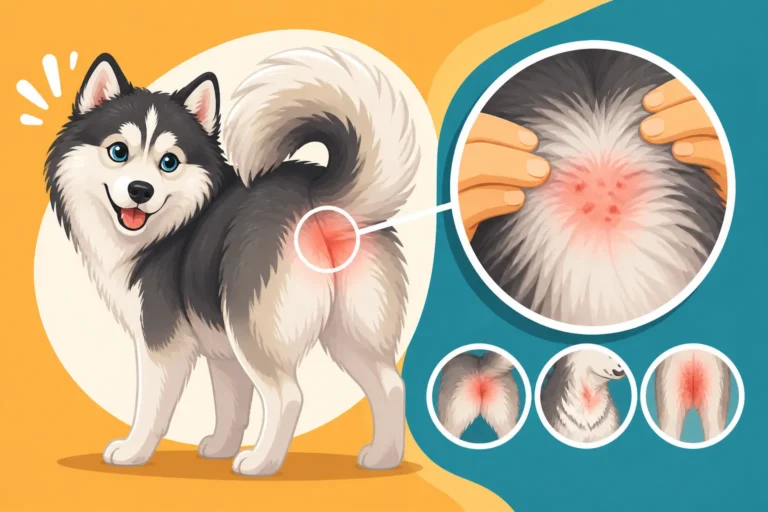
Along with the smell, incessant itching is a hallmark symptom. Your Pomsky might scratch, lick, or chew at their paws, inner thighs, armpits, or ears almost constantly. This isn't just a casual itch; it’s an intense, irritating sensation that can truly disrupt their comfort and sleep. If you find your Pomsky repeatedly licking their paws, or if they seem particularly agitated after a bath, it's a good time to investigate further, as these could be early indicators of a developing yeast issue, or perhaps even Hot Spots Under a Pomsky's Undercoat which are often exacerbated by moisture and secondary infections like yeast.
Visual Cues on the Skin and Fur
While the smell and itch are often the first clues, a closer look at your Pomsky's skin and coat will reveal more. You might notice the skin appearing red, inflamed, or even greasy to the touch. In areas where the infection is severe or chronic, the skin can thicken, become dark (hyperpigmented), and have a leathery texture, often referred to as "elephant skin." This is particularly common in areas like the armpits, groin, and around the mouth, where moisture can accumulate. If your Pomsky's skin seems to be cracking around the mouth, a yeast infection could certainly be a contributing factor, especially if accompanied by drooling.
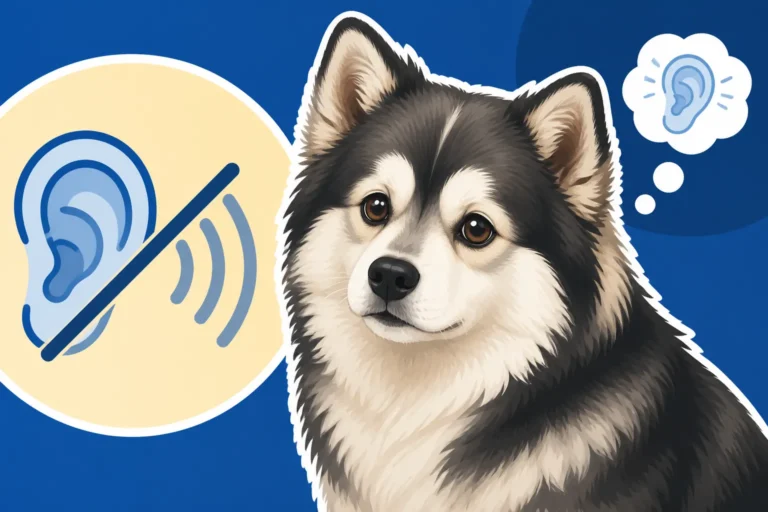
Hair loss is another common symptom, especially in areas your Pomsky has been persistently scratching or licking. The fur might also appear dull, greasy, and develop flakes or scales, much like dandruff. You might even see a brownish-red discoloration of the fur, especially on lighter-colored Pomskies, due to the yeast itself or saliva staining from constant licking. Don't forget to check their ears! Yeast loves warm, dark places, and ear infections caused by Malassezia are incredibly common. Look for redness, a greasy discharge, and that familiar "yeasty" smell coming from inside the ear canal. If you're wondering Whether a Pomsky's Upright Ears Stay Clean, it's important to remember that even upright ears can get yeast infections, especially if moisture gets trapped or underlying allergies are present.
Here's a quick reference table for common yeast infection signs:
| Symptom Category | Specific Signs to Look For | Common Locations Affected |
|---|---|---|
| Odor | Musty, sweet, "corn chip" or "Frito" smell | All over, but concentrated in moist areas |
| Behavior | Persistent scratching, licking, chewing, rubbing | Paws, groin, armpits, ears, face |
| Skin Appearance | Redness, inflammation, greasy feel, thickening | Armpits, groin, paw pads, ear flaps, belly |
| Skin Appearance (Chronic) | Darkening (hyperpigmentation), leathery texture (lichenification) | Chronic lick areas, skin folds, belly |
| Coat/Fur | Dull, greasy, flaky (dandruff-like), hair loss | Areas of licking/scratching, general body |
| Discharge | Brownish-red staining on fur (especially light-colored) | Paws, groin, chin |
| Ears | Redness, strong odor, greasy brown discharge, head shaking | Inner ear canal and ear flap |
Diagnosing and Treating Yeast Overgrowth
Once you suspect a yeast infection, the next crucial step is getting a proper diagnosis and treatment plan from your veterinarian. Self-treating can often lead to frustration and prolonged discomfort for your Pomsky because yeast infections frequently have an underlying cause that needs addressing.
How Your Veterinarian Confirms the Diagnosis
When you bring your Pomsky in with symptoms of a yeast infection, your vet will perform a thorough physical examination, paying close attention to their skin, ears, and paw pads. They'll definitely be checking for that tell-tale odor! To confirm the presence and quantity of yeast, they'll usually perform a simple, non-invasive test called cytology. This involves pressing a piece of clear tape or a glass slide onto the affected skin, or collecting a swab from the ears, and then examining it under a microscope. This allows them to see the characteristic peanut or footprint-shaped yeast organisms, confirming the diagnosis.
This step is really important because other skin conditions, like bacterial infections or certain allergies, can present with similar symptoms. A proper diagnosis ensures your Pomsky receives the correct treatment from the start. Sometimes, your vet might also take a skin scraping to rule out mites, which can cause similar intense itching. These diagnostic steps are usually quick and relatively inexpensive, but they provide invaluable information for tailoring the right treatment plan. Understanding What a Skin Workup Costs on a Pomsky can help prepare you for the visit. For unexpected vet bills, many pet parents find peace of mind with insurance plans like those offered by Healthy Paws.
Effective Treatment Strategies
Treatment for a yeast infection typically involves a multi-pronged approach to eliminate the overgrowth and address any underlying causes. The mainstay of treatment often includes topical therapies, such as medicated shampoos, mousses, or wipes containing antifungal ingredients like miconazole or chlorhexidine.
Your vet will likely prescribe a medicated shampoo to be used several times a week initially. When bathing a double-coated breed like a Pomsky, it's absolutely crucial to work the shampoo down to the skin and let it sit for the recommended contact time (usually 5-10 minutes) before rinsing thoroughly. Afterwards, Drying a Pomsky to the Skin is paramount; a high-velocity force dryer can be incredibly helpful here, as simply towel drying often leaves the dense undercoat damp, perpetuating the problem. For more severe or widespread infections, your vet might also prescribe oral antifungal medications, such as ketoconazole or fluconazole, which work systemically to combat the yeast. These are often given for several weeks to ensure the infection is completely cleared.
The Role of Diet and Supplements
While a yeast infection is rarely solely caused by diet, nutrition plays a supportive role in overall skin health. If your Pomsky has concurrent food allergies, switching to a novel protein or hydrolyzed protein diet might be recommended by your vet. This can help reduce skin inflammation, thereby making it harder for yeast to thrive. Some owners explore diets that are lower in carbohydrates, as yeast can feed on sugars, but there's no strong scientific evidence to suggest a direct "anti-yeast" diet universally cures the problem without addressing other factors.
Supplements, particularly omega-3 fatty acids, can also be beneficial. These essential fatty acids help support skin barrier function and reduce inflammation, which can make your Pomsky less prone to secondary infections like yeast. Zinc supplements might be considered if your Pomsky is diagnosed with a zinc deficiency, which can manifest as skin issues. You might consider Whether a Pomsky Needs Extra Zinc if they are showing persistent skin problems, but always consult your vet before adding any supplements, as too much zinc can be toxic. Remember, these are complementary strategies; they don't replace the need for direct antifungal treatment and addressing primary causes like allergies or hormonal imbalances.
Preventing Recurrent Yeast Infections
The good news about yeast infections is that they are highly treatable. The challenging part, however, is often preventing them from coming back, especially in a breed like the Pomsky with their magnificent, dense coats. Prevention is truly about consistent care and diligence.
Grooming Best Practices for Double Coats
Regular and thorough grooming is your most powerful tool in the fight against recurrent yeast infections. For a Pomsky, this means consistent brushing, especially with tools designed to reach their dense undercoat, like The Undercoat Rake a Pomsky Owner Lives With. This helps remove dead hair, increases air circulation to the skin, and prevents matting, which can trap moisture and create a hotbed for yeast. Many owners wonder Whether a Pomsky Needs Professional Grooming at All, and for dogs prone to yeast, the answer is often a resounding yes. Professional groomers have the tools and expertise, particularly force dryers, to ensure your Pomsky is dried completely to the skin after a bath.
When bathing your Pomsky, use a gentle, pH-balanced dog shampoo unless your vet has prescribed a medicated one. And as mentioned, after baths, swims, or getting caught in the rain, thorough drying is non-negotiable. Invest in a good quality pet force dryer if you're grooming at home; it will save you immense frustration and significantly reduce the risk of yeast flourishing. Pay extra attention to common problem areas like the armpits, groin, paw pads, and under the tail. Even quick wipes with gentle pet-safe cleansing cloths for these areas between baths can make a big difference in maintaining skin hygiene and preventing moisture buildup. This diligent approach significantly reduces the potential for yeast overgrowth, allowing your Pomsky to thrive in The Pomsky That Carries a Husky Coat at Twenty Pounds without the accompanying skin issues.
Managing Underlying Conditions
Remember, yeast infections are often secondary, meaning they're a symptom of another underlying issue. Successfully preventing recurrence hinges on identifying and managing these primary causes. For many Pomskies, allergies are the main culprit. Working with your vet to diagnose and manage environmental allergies (e.g., through antihistamines, allergy shots, or immune-modulating drugs) or food allergies (through diet trials) is paramount. This might be a long-term commitment, involving consistent vet visits and potentially specialized medications. The good news is that pet insurance providers, such as Healthy Paws, often offer coverage for diagnostics and ongoing treatments for chronic conditions like allergies, which can significantly ease the financial burden over time.
Additionally, other health issues can predispose a Pomsky to yeast. If your Pomsky has been diagnosed with a condition like hypothyroidism, ensuring it's well-managed with medication is vital for overall skin health. Regular veterinary check-ups, even when your Pomsky seems healthy, are important for catching potential issues early. Discussing your Pomsky's overall health and any persistent skin concerns with your vet will help you create a comprehensive preventative care plan that goes beyond just treating the yeast itself, ensuring lasting comfort for your furry companion.
Disclaimer
The information provided in this article is for educational purposes only and is not intended to be a substitute for professional veterinary advice, diagnosis, or treatment. Always seek the advice of your veterinarian or other qualified animal health provider with any questions you may have regarding a medical condition.