Whether Anesthesia Is Riskier on a Small Pomsky
It's completely normal to feel a knot of anxiety tighten in your stomach when your veterinarian recommends a procedure for your beloved Pomsky that requires anesthesia. We all worry about our little companions, and the idea of them "going under" can be particularly unsettling for owners of smaller breeds, often with the nagging question: "Is anesthesia riskier for a small Pomsky?" This guide is here to walk you through the realities, address your concerns head-on, and empower you with the knowledge to ensure your furry family member receives the safest possible care.
Understanding Anesthesia in Small Breeds Like the Pomsky
The concern over anesthesia in smaller dogs isn't unfounded; there are indeed unique physiological considerations for pint-sized pups like our Pomskies. While modern veterinary medicine has made incredible strides in anesthetic safety, understanding these nuances can help you feel more prepared and less anxious.
Why Small Size Matters
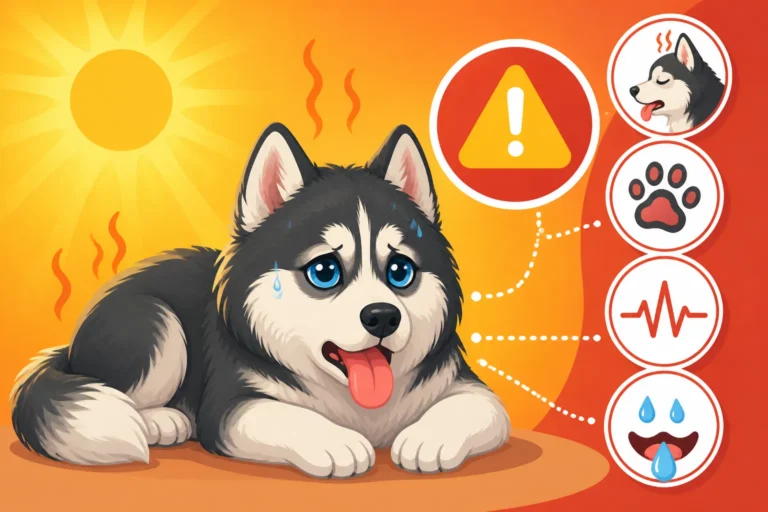
When we talk about small dogs and anesthesia, several factors come into play. Firstly, smaller body mass means they lose heat much faster than larger dogs. Maintaining a stable body temperature during anesthesia is crucial because hypothermia can slow down metabolism, affecting how drugs are processed and eliminated from the body, and potentially leading to a longer, less smooth recovery. Vets are acutely aware of this, employing warming blankets, heated IV fluids, and warm air circulation systems to combat heat loss.
Secondly, dosing anesthetic medications in small dogs requires meticulous precision. Even a tiny error in calculation can have a much more significant impact on a smaller animal. This is why experienced veterinary teams use precise calculations based on your Pomsky's exact weight, often using scales that measure down to fractions of a gram, and then carefully titrate drugs to effect. Their smaller blood volume also means they are more susceptible to fluctuations in blood pressure and can become dehydrated more quickly, necessitating careful fluid management during procedures.
Common Concerns for Pomsky Owners
As a Pomsky owner, you're not just dealing with a "small dog"; you have a unique mix with its own set of potential breed predispositions. While Pomskies generally enjoy The Twelve to Fifteen Years a Pomsky Lives, any health concern can arise at any age. Many Pomskies, for instance, are prone to Dental Crowding in a Pomsky's Small Mouth, which often necessitates regular dental cleanings under anesthesia. This means your Pomsky might require anesthesia more frequently than some other breeds throughout their life.
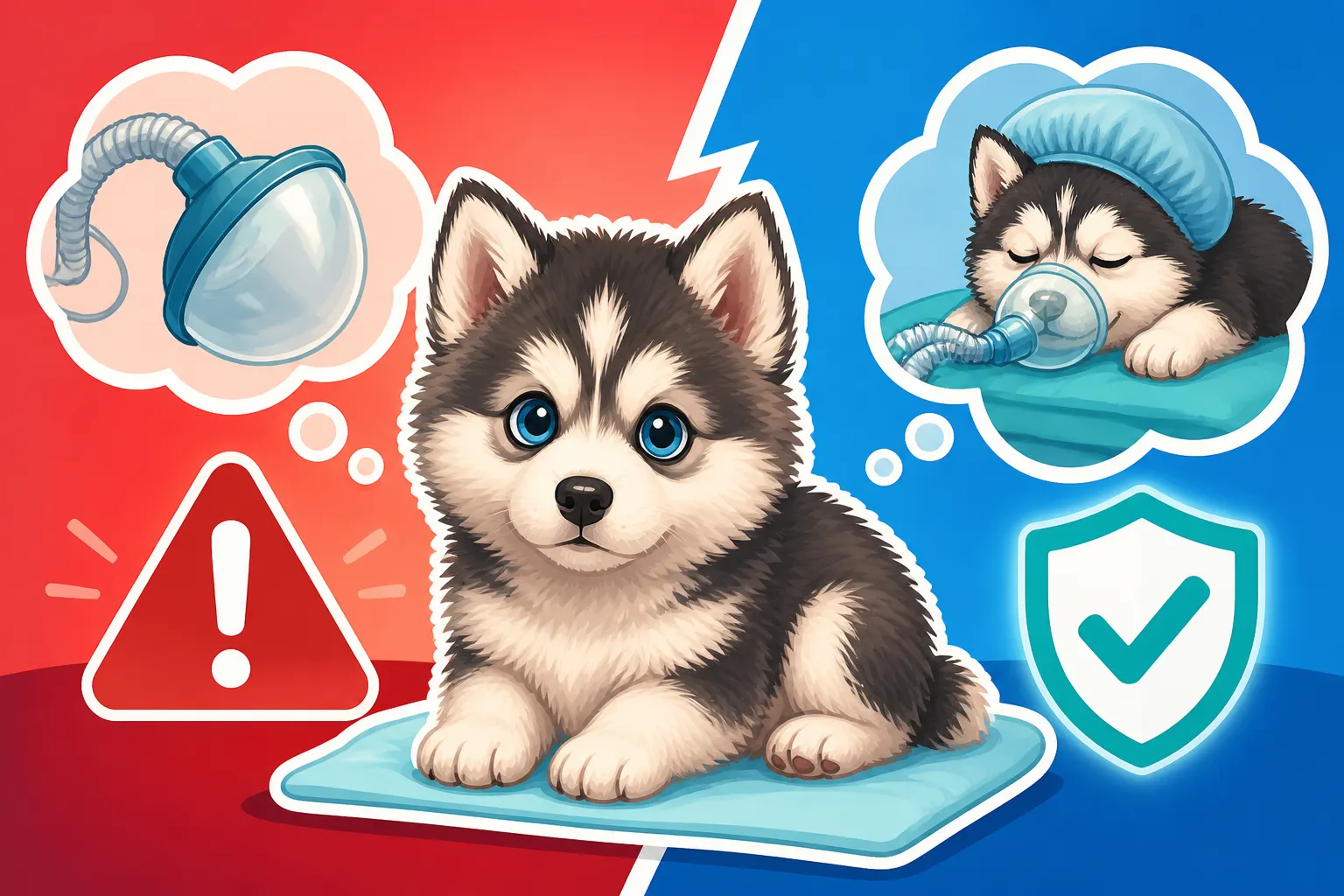
Another common concern revolves around their respiratory systems. Some smaller dogs can have brachycephalic tendencies (a slightly flatter face), even if not as pronounced as true brachycephalic breeds, which can affect their airways. While Pomskies typically have longer snouts from their Husky lineage, some can inherit more Pomeranian-like features, which might mean smaller nostrils or a slightly elongated soft palate. This isn't usually a major issue, but it's something your vet will assess during their pre-anesthetic exam, as it can influence airway management during the procedure. The good news is that veterinary professionals are highly skilled at managing these specific challenges, and with proper precautions, the risks are significantly minimized.
Mitigating Anesthesia Risks for Your Pomsky
The key to safe anesthesia for any pet, especially a small Pomsky, lies in thorough preparation, expert execution, and attentive aftercare. Modern veterinary practices are designed to provide a comprehensive safety net around every anesthetic procedure.
Pre-Anesthetic Screening and Diagnostics
Before your Pomsky even sniffs the anesthetic gas, a thorough pre-anesthetic screening is paramount. This isn't just a quick peek; it's a deep dive into their current health status. Your vet will conduct a complete physical examination, listening to their heart and lungs, checking their hydration, and assessing their overall body condition. This is especially important if your Pomsky needs a procedure like What Neutering a Pomsky Costs or if you've noticed Lumps Worth Checking on a Pomsky that require removal and biopsy.
Blood work is almost always recommended and provides vital information about organ function. This typically includes a complete blood count (CBC) to check for anemia or infection, and a biochemistry panel to evaluate kidney and liver function. These organs are responsible for processing and eliminating anesthetic drugs, so knowing they're in tip-top shape helps the vet choose the safest drug protocols. For older Pomskies or those with pre-existing conditions, additional diagnostics like a urinalysis, chest X-rays, or even an echocardiogram might be recommended to get a full picture of their cardiovascular and respiratory health. These tests help identify any underlying issues that could increase anesthetic risk, allowing the veterinary team to tailor the plan accordingly.
Anesthesia Protocols and Monitoring
Once your Pomsky is deemed a suitable candidate, the anesthetic protocol is meticulously planned. This isn't a one-size-fits-all approach; it's customized for your Pomsky's specific needs, the type of procedure, and their individual health profile. Vets often use a combination of injectable sedatives and pain medications to help your Pomsky relax before an IV catheter is placed. This catheter is essential for administering IV fluids, which support blood pressure and hydration, and for delivering anesthetic drugs directly into the bloodstream.
During the entire procedure, your Pomsky will be under constant, vigilant monitoring. This typically involves a dedicated veterinary technician whose sole job is to watch your pet. They'll use sophisticated equipment to track vital signs such as:
- Heart Rate and Rhythm (ECG): To detect any abnormalities in cardiac function.
- Blood Pressure: To ensure adequate blood flow to vital organs.
- Oxygen Saturation (Pulse Oximetry): To measure the amount of oxygen in the blood.
- Carbon Dioxide Levels (Capnography): To monitor breathing efficiency and detect issues with the airway or lungs.
- Body Temperature: Crucial for small breeds, with external warming devices constantly in use.
The veterinary team will adjust anesthetic depth and other parameters in real-time based on these readings, ensuring your Pomsky remains stable and comfortable throughout the procedure. This level of monitoring is what makes modern anesthesia incredibly safe, even for our tiny friends.
Post-Anesthetic Care at Home
The safety measures don't stop when your Pomsky wakes up. The immediate recovery period at the clinic is closely supervised, with staff ensuring they are warm, pain-free, and alert enough to go home. Once your Pomsky is discharged, your role in their recovery becomes vital. You'll receive detailed instructions on post-operative care, which might include:
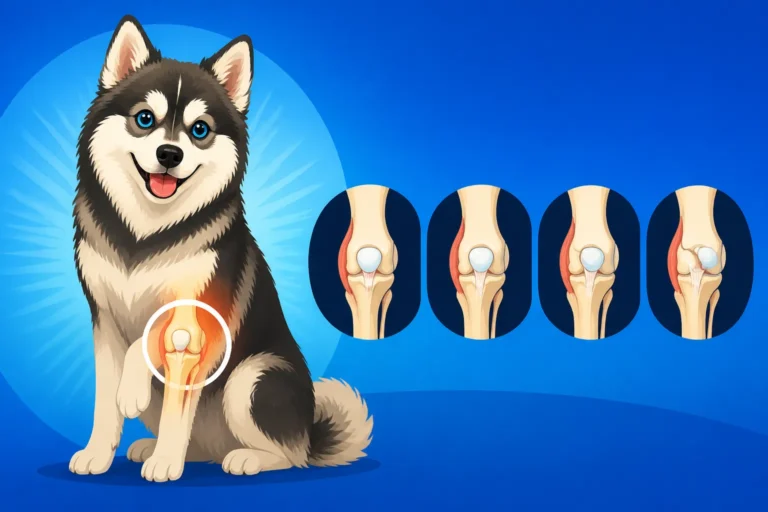
- Rest and Quiet: Limiting activity is key, especially after procedures like fixing Slipping Kneecaps in a Pomsky. Keeping them calm helps with healing and prevents accidental injury.
- Pain Management: You'll likely be sent home with pain medication to ensure your Pomsky stays comfortable. Administering these exactly as prescribed is crucial.
- Monitoring Appetite and Thirst: It's normal for them to be a little subdued or have a reduced appetite initially, but they should gradually return to normal.
- Incision Site Care: If there's an incision, you'll need to monitor it for redness, swelling, or discharge. An Elizabethan collar (cone) might be necessary to prevent licking, which can lead to infection.
- Temperature Regulation: Even at home, keeping your small Pomsky warm and cozy can aid recovery.
Remember, if anything seems off or you have concerns, don't hesitate to call your vet. They are there to support you through the entire recovery process.
Choosing the Right Veterinary Care for Your Pomsky's Procedure
The choice of veterinary clinic and the experience of the team performing the procedure are arguably the most critical factors in ensuring your Pomsky's anesthetic safety. Not all clinics offer the same level of equipment or staffing, so it pays to do a little homework and ask the right questions.
Questions to Ask Your Vet
When your vet recommends a procedure requiring anesthesia, don't be shy about asking questions. This is your pet's health, and you have every right to feel fully informed and confident. Here are some key questions to consider:
- What pre-anesthetic blood work and diagnostics do you recommend, and why? Understand what tests they perform and what they're looking for.
- Who will be monitoring my Pomsky during the procedure, and what monitoring equipment do you use? Look for dedicated technicians and comprehensive monitoring tools like ECG, blood pressure, pulse oximetry, and capnography.
- What measures do you take to keep small dogs warm during and after anesthesia? Heating pads, forced-air warmers, and warmed IV fluids are standard for small breeds.
- What pain management plan will be in place before, during, and after the procedure? A multi-modal approach (using different types of pain relievers) is ideal.
- What are the potential risks specific to my Pomsky, given their age and health history? Your vet should be able to discuss these openly and honestly.
- What is the estimated cost of the procedure, including all diagnostics, anesthesia, and aftercare? This helps you prepare financially and avoid surprises.
- What is your emergency protocol if there's a complication during anesthesia? Knowing they have a plan in place can offer peace of mind.
A good veterinary team will welcome these questions and take the time to explain everything thoroughly, putting your mind at ease.
The Role of Veterinary Technicians
While the veterinarian designs the anesthetic plan and performs the surgery, the veterinary technicians are often the unsung heroes of anesthetic safety. They are usually the ones placing the IV catheter, calculating and administering medications under veterinary supervision, setting up and managing the monitoring equipment, and meticulously recording all vital signs every few minutes. Their trained eyes are constantly on your Pomsky, noting the slightest change in breathing, heart rate, or anesthetic depth, and communicating it immediately to the vet.
Beyond the procedure itself, veterinary technicians are also crucial during the recovery phase, providing warmth, comfort, and close observation as your Pomsky awakens. Their expertise and attention to detail are invaluable in ensuring a smooth and safe experience for your pet. When you're assessing a clinic, don't hesitate to ask about the training and experience of their technical staff regarding anesthesia monitoring.
Financial Considerations and Pet Insurance
It's no secret that veterinary care can be costly, and procedures involving anesthesia are often among the more expensive treatments. However, cutting corners on anesthetic safety to save money is never a good idea. Understanding the costs involved and how pet insurance can help can alleviate some of the financial stress.
Understanding the Costs of Safe Anesthesia
When you get an estimate for a procedure requiring anesthesia, you'll notice it's broken down into several components, reflecting the comprehensive care your Pomsky receives. These typically include:
- Pre-anesthetic Blood Work and Diagnostics: These tests are crucial for safety.
- Anesthetic Drugs and Supplies: The medications themselves, intubation tubes, IV fluids, etc.
- Monitoring Equipment and Staffing: The cost of the specialized equipment and the dedicated veterinary technician's time.
- Surgeon's Fees: For the procedure itself.
- Pain Management: Administered before, during, and after.
- Post-operative Care and Medications: Clinic recovery time and take-home medications.
Each of these components contributes directly to your Pomsky's safety and comfort. For example, opting for less comprehensive blood work or skipping continuous monitoring might reduce the initial bill, but it significantly increases the risk to your pet. When you look at What a Pomsky's Vet Bills Look Like over their lifetime, these anesthetic procedures, like What a Pomsky Dental Costs, can add up. It's always best to discuss all recommended elements with your vet to understand their importance and make informed decisions.
How Pet Insurance Can Help
This is where pet insurance can be a real lifesaver, especially for planned procedures or unexpected emergencies that might require anesthesia. While some owners might balk at the monthly premiums, the peace of mind and financial relief during a stressful time are often invaluable. Companies like Healthy Paws offer comprehensive pet insurance plans that typically cover a significant portion of the costs associated with accidents, illnesses, and often, even routine procedures like dental cleanings (depending on the plan and waiting periods).
Imagine your Pomsky developing an unexpected issue that requires emergency surgery, or if they need a procedure like fixing Slipping Kneecaps in a Pomsky. The costs can be substantial, easily running into thousands of dollars. Having a plan from a reputable insurer can help you make medical decisions based on what's best for your Pomsky, rather than being constrained by your budget. It's worth researching different providers and plans, as coverage varies. When considering Insuring a Pomsky Against Two Parent Breeds, make sure to check what conditions and breed-specific predispositions are covered. Investing in pet insurance early in your Pomsky's life can provide a financial safety net for years to come, making sure that when anesthesia is needed, the decision isn't complicated by financial worries.
| Anesthetic Risk Factor for Small Pomskies | Mitigation Strategy | Owner's Role |
|---|---|---|
| Rapid Heat Loss | Warming blankets, heated IV fluids, warm air circulation, close temperature monitoring | Ensure a warm environment at home post-procedure; report any shivering or lethargy |
| Precise Drug Dosing | Meticulous weight measurement, titrating drugs to effect, using specialized calculations | Provide accurate weight history; follow all pre-procedure fasting instructions |
| Blood Pressure Fluctuations | IV fluids administered via catheter, continuous blood pressure monitoring | Ensure Pomsky is well-hydrated before fasting period (as instructed by vet) |
| Underlying Health Conditions | Comprehensive pre-anesthetic blood work, physical exam, additional diagnostics (e.g., X-rays) | Be transparent about your Pomsky's full health history and any medications |
| Airway Concerns (if applicable) | Careful airway management, proper intubation tube size, vigilant monitoring of CO2 levels | Discuss any breathing concerns or snoring habits with your vet beforehand |
Final Thoughts on Your Pomsky and Anesthesia
Bringing a Pomsky into your life means accepting a commitment to their health and well-being, which inevitably includes those times when medical procedures require anesthesia. While the thought can be daunting, understanding the advancements in veterinary anesthesia and the specific considerations for small breeds should help ease your mind. Your veterinarian and their dedicated team are highly trained professionals who prioritize your pet's safety above all else. By asking informed questions, choosing a reputable clinic with excellent monitoring capabilities, and understanding the financial aspects, you can ensure your beloved Pomsky receives the best possible care, allowing them to recover quickly and get back to their playful, talkative selves.
Disclaimer
This article is intended for informational purposes only and does not constitute veterinary advice. Always consult with a qualified veterinarian for any health concerns or before making any decisions about your pet's medical care, especially concerning anesthesia. Individual outcomes can vary.