The Average Age a Pomsky Reaches
It’s a natural concern for any loving pet parent: how long will my furry family member be with me? With a Pomsky, a breed often celebrated for its captivating looks and spirited personality, this question becomes even more pressing. You want to make sure you're doing everything right to ensure they have the longest, happiest, and healthiest life possible. This comprehensive guide will delve into the factors influencing a Pomsky's lifespan, the health considerations you should be aware of, and practical steps you can take to maximize your beloved companion's years.
Understanding Pomsky Lifespan Factors
When we talk about the average age a Pomsky reaches, it's not always a simple, single number. These charming mixed breeds inherit traits from two distinct purebred parents: the Siberian Husky and the Pomeranian. Both breeds have different typical lifespans and predispositions, which naturally play a significant role in their offspring.
The Influence of Parent Breeds
The Siberian Husky is known for its robust health and a lifespan typically ranging from 12 to 14 years. They are active, medium-to-large dogs with a strong genetic lineage. On the other hand, the Pomeranian, a much smaller toy breed, boasts an impressive average lifespan of 12 to 16 years, with many living even longer. This difference in baseline longevity means a Pomsky essentially falls into a range influenced by both. It’s not uncommon for a well-cared-for Pomsky to live anywhere from 12 to 15 years, sometimes even stretching to 16, particularly if they lean more towards the Pomeranian side in terms of size and genetic makeup.
This genetic blend means that while your Pomsky gets the best of both worlds in terms of looks and temperament, their internal workings are a true mix. You might see a sturdy, medium-sized Pomsky that embodies the Husky's endurance, or a smaller, daintier one that carries more of the Pomeranian's long-living traits. It's a fascinating aspect of hybrid vigor, though it also means you need to be aware of the potential health issues from both sides of the family tree. Understanding both parent breeds' common ailments is crucial for anticipating and preventing health challenges in your Pomsky, thereby contributing to their overall longevity.
It's also worth noting that the initial "hybrid vigor" often associated with F1 Pomskies, where the first cross between two purebreds is thought to be healthier due to increased genetic diversity, might contribute to a slightly longer lifespan compared to later generations. However, genetics are complex, and whether an F1 Pomsky Is Healthier Than an F2 often depends on the specific health clearances of the parent dogs.
Genetics and Breeder Responsibility
The genetic lottery plays a huge part in how long your Pomsky will live, and this is where responsible breeding comes into sharp focus. A reputable breeder will go to great lengths to health test their breeding stock for common hereditary conditions found in both Siberians Huskies and Pomeranians. This means screening for issues like hip and elbow dysplasia, eye diseases, and patellar luxation. These health screenings aren't just a formality; they are a proactive measure to reduce the likelihood of puppies inheriting debilitating conditions that could significantly shorten their lives or diminish their quality of life.
If you're considering a Pomsky puppy, always ask to see the health clearances of the parent dogs. This transparency is a hallmark of a breeder who genuinely cares about the long-term health and wellbeing of their puppies, rather than just aesthetics or profit. Puppy mill operations or backyard breeders often skip these crucial steps, leading to puppies that might look adorable but could be carrying a hidden genetic burden that manifests as serious health problems down the line. These issues can lead to chronic pain, expensive veterinary treatments, and in some cases, a sadly shortened existence.
Investing in a puppy from a breeder who performs comprehensive health screening for conditions like Hip Dysplasia in a Twenty Pound Pomsky or Slipping Kneecaps in a Pomsky is one of the most significant steps you can take to ensure your Pomsky has the best possible start and a strong foundation for a long, healthy life. Without these checks, you're essentially gambling with your future companion's health, and while love can conquer many things, it can't always undo poor breeding practices.
Size and Life Expectancy
It’s a commonly observed trend in the canine world: smaller dogs generally live longer than larger dogs. While there are always exceptions, this rule of thumb often holds true. Given that Pomskies can vary quite a bit in size, from a more Pomeranian-like petite stature (under 15 pounds) to a more Husky-esque medium size (up to 35-40 pounds), their adult weight can indeed offer a clue to their potential longevity.
A smaller Pomsky, one that perhaps takes more after its Pomeranian lineage, might have a slightly longer life expectancy, potentially reaching the upper end of that 15-year range or even beyond. These smaller dogs typically experience less wear and tear on their joints and organs over time. Their metabolic rates and growth patterns are often less taxing on their systems compared to larger breeds that grow rapidly and put more stress on their bodies.
Conversely, a larger Pomsky, especially one that leans heavily into the Husky's more substantial build, might align more closely with the 12-14 year lifespan typical of its Siberian Husky parent. This isn't to say a bigger Pomsky won't live a long life, but it’s a general biological principle at play. Regardless of size, consistent high-quality care, a balanced diet, regular exercise, and prompt veterinary attention are the most powerful tools in your arsenal to ensure your Pomsky enjoys every possible year by your side. Remember, even with the best genetic predispositions, neglect of basic needs can severely impact any dog's longevity.
Common Health Concerns Affecting Longevity
Even with the best breeding, no dog is immune to health issues. Pomskies, being a hybrid, can inherit predispositions from both the Siberian Husky and the Pomeranian. Being aware of these common health concerns is your first line of defense in proactive care, allowing you to catch potential problems early and provide timely treatment, which can significantly impact their overall lifespan.
Inherited Conditions
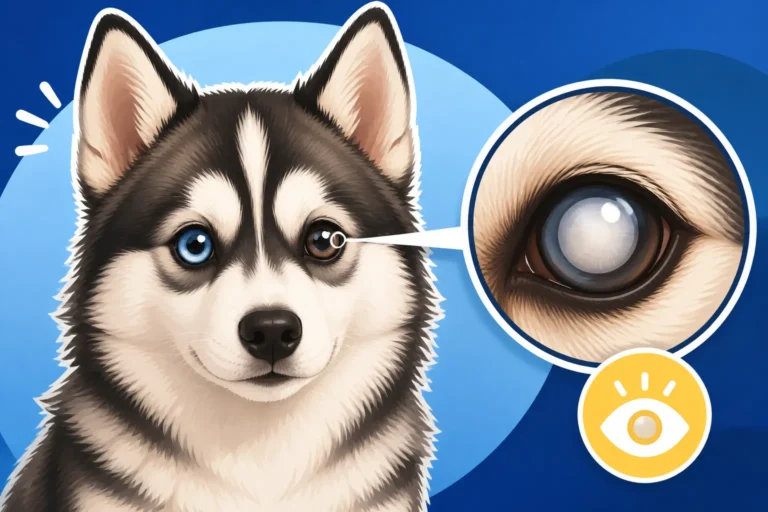
Pomskies can unfortunately inherit a range of conditions from their parent breeds. From the Siberian Husky side, you might encounter ocular issues like juvenile cataracts or progressive retinal atrophy, which can lead to vision impairment or blindness. The Eyes a Pomsky Gets From the Husky are often stunning but can come with their own set of potential problems. From the Pomeranian side, conditions such as patellar luxation (slipping kneecaps) and tracheal collapse are more prevalent. The Collapsing Trachea a Pomsky Gets From the Pomeranian can cause a characteristic honking cough and significant breathing difficulties, especially as they age.
Another concern for many Pomsky owners is Alopecia X and the Pomsky That Loses Its Coat. While not life-threatening in itself, this condition causes significant hair loss and can be indicative of underlying hormonal imbalances or skin sensitivities that, if left unaddressed, could impact the dog's comfort and overall skin health. It's also possible for Pomskies to develop conditions like hypothyroidism, a thyroid gland disorder that can affect metabolism, coat quality, and energy levels. Early diagnosis and medication for these inherited conditions are critical. Regular vet check-ups, especially as your Pomsky ages, become vital for detecting subtle changes that could signal the onset of these issues.
The reality is that while hybrid vigor can reduce the incidence of some single-gene recessive disorders, it doesn't eliminate the risk entirely, especially for conditions that have complex genetic components. This is why a good pet insurance plan, like those offered by Healthy Paws, can be an absolute lifesaver. Knowing you have support for unexpected vet bills can ease the financial burden and allow you to make the best decisions for your Pomsky's health without undue stress.
Lifestyle and Preventative Care
Beyond genetics, your Pomsky's daily life and the care you provide are arguably the most influential factors in determining their lifespan. A healthy lifestyle begins with a balanced diet tailored to their specific needs. High-quality dog food, appropriate for their age, size, and activity level, provides the essential nutrients for growth, energy, and overall organ function. Overfeeding, on the other hand, can lead to obesity, which is a massive contributor to shorter lifespans, increasing the risk of diabetes, joint problems, and heart disease. Keeping a Pomsky's weight in check is paramount.
Regular exercise is equally important. Pomskies are energetic dogs that thrive on activity, benefiting from a combination of walks, playtime, and mental stimulation. Sedentary lifestyles can lead to not only weight gain but also behavioral issues stemming from boredom and pent-up energy, which can indirectly impact their health. For instance, a bored Pomsky might engage in destructive behaviors that could lead to injury. Consistent annual veterinary check-ups are non-negotiable. These visits allow your vet to monitor overall health, update vaccinations, recommend necessary parasite prevention, and perform screenings for early detection of potential diseases. The Screening a Pomsky Should Have Yearly is a crucial part of preventative care.
These proactive measures are not just about treating illness; they are about fostering a robust immune system and maintaining optimal physical condition throughout your Pomsky's life. Don't underestimate the power of consistent, loving care in adding quality years to your furry friend's life.
Dental Health and Its Impact
It might surprise many owners, but dental health is far more critical to a dog's overall lifespan than often realized. In Pomskies, with their relatively small mouths inherited from the Pomeranian parent, Dental Crowding in a Pomsky's Small Mouth is a common issue. This crowding creates nooks and crannies where food particles and bacteria can easily accumulate, leading to plaque, tartar buildup, gingivitis, and eventually, periodontal disease. This isn't just about bad breath; it's about systemic health.
When periodontal disease progresses, bacteria from the infected gums can enter the bloodstream. This bacteria can then travel to vital organs like the heart, kidneys, and liver, causing serious infections and damage. Chronic inflammation from severe dental disease also puts a constant strain on a dog's immune system. This silent killer can significantly shorten a Pomsky's lifespan and drastically reduce their quality of life, leading to pain, difficulty eating, and eventual organ failure. Many older dogs suffer from undiagnosed or untreated dental disease, which contributes to other health problems they experience.
A proactive approach to dental care includes regular brushing at home, dental chews, and professional dental cleanings under anesthesia as recommended by your veterinarian. Starting a dental routine early in your Pomsky's life can make a monumental difference. Don't wait until you see visible tartar or notice foul breath; by then, the disease is already quite advanced. Discuss a preventative dental care plan with your vet to ensure your Pomsky's pearly whites – and internal organs – stay as healthy as possible for years to come.
Here's a quick overview of potential health factors:
| Factor | Influence on Lifespan | Common Issues | Prevention/Management |
|---|---|---|---|
| Genetics | High | Patellar Luxation, Eye Diseases, Tracheal Collapse, Hypothyroidism, Hip Dysplasia | Reputable breeding, health screening of parents, genetic testing |
| Diet & Weight | High | Obesity, diabetes, joint issues, heart disease | High-quality food, portion control, avoid table scraps |
| Exercise | High | Lethargy, muscle atrophy, boredom, behavioral problems | Daily walks, play, mental stimulation, appropriate activity levels |
| Dental Health | Moderate to High | Periodontal disease, organ damage | Regular brushing, dental chews, professional cleanings |
| Preventative Vet Care | High | Undetected diseases, delayed treatment | Annual check-ups, vaccinations, parasite control, early screening |
| Environment | Moderate | Accidents, heatstroke, exposure to toxins | Safe home, fenced yard, weather awareness, secure leashing |
Nurturing Your Pomsky Through Their Senior Years
Just like humans, dogs experience changes as they age. A Pomsky entering their senior years, typically around 8-10 years old, will require adjustments in care to maintain their comfort and health. Recognizing these changes and adapting your routine is crucial for extending their happy years and ensuring their golden age is truly golden. This stage of life often involves a shift from preventative care to managing age-related conditions.
Recognizing Signs of Aging
As your Pomsky gracefully moves into their later years, you'll likely start noticing a few changes in their behavior and physical capabilities. They might not have the same boundless energy they once did, opting for more naps and shorter play sessions. Their once keen senses might dull a bit; you might observe them being a little slower to respond to commands, or perhaps bumping into things in unfamiliar surroundings due to reduced vision or hearing. Joints might become stiffer, making jumping onto the couch or going up stairs a more deliberate, sometimes painful, effort. This is where conditions like arthritis, especially if they have a history of Slipping Kneecaps in a Pomsky or Hip Dysplasia in a Twenty Pound Pomsky, can really start to show.
You might also see changes in their coat, perhaps some graying around the muzzle, or a texture that isn't quite as plush as it once was. Appetite and thirst patterns can also shift, as can their bladder and bowel control. It’s important not to dismiss these changes as "just old age." While some are natural, many can be signs of underlying medical conditions that are treatable. For instance, increased thirst could indicate kidney disease or diabetes, while a change in appetite might point to dental pain or internal organ issues. Observing these subtle shifts and discussing them promptly with your veterinarian is vital for early intervention and maintaining a good quality of life. Knowing The Birthday a Pomsky Counts as Senior helps you proactively prepare for these changes.
Tailoring Care for an Older Pomsky
Caring for a senior Pomsky involves a thoughtful adjustment of their routine and environment. Their diet, for instance, might need to change to a senior-specific formula, which is typically lower in calories to prevent weight gain (as their metabolism slows) but rich in joint-supporting supplements like glucosamine and chondroitin. You might also need to switch to smaller, more frequent meals if their digestive system becomes more sensitive. Exercise should remain a part of their daily life, but with modified intensity and duration. Instead of long, vigorous runs, opt for shorter, gentler walks and perhaps more mental games to keep their minds sharp without straining their bodies.
Comfort becomes paramount. An orthopedic bed can provide much-needed support for aching joints, and ramps or pet stairs can help them safely access furniture without painful jumps. Keeping their environment stable and familiar can also reduce stress if their vision or hearing is declining. Regular grooming, especially for their double coat, remains important, as older dogs may have difficulty grooming themselves, and mats can be painful and lead to skin issues. Most importantly, senior Pomskies benefit from more frequent veterinary check-ups—perhaps every six months instead of annually. These visits allow for more consistent monitoring of organ function, blood work, and early detection of common senior ailments like kidney disease, heart conditions, or cognitive dysfunction. A trusted pet insurance provider like Healthy Paws can be incredibly valuable during this time, helping manage the increased veterinary costs that often accompany a dog's senior years.
Financial Planning for Senior Pet Care
Let's be realistic: the golden years often come with a silver lining of increased veterinary bills. As our Pomskies age, they become more susceptible to chronic conditions that require ongoing medication, specialized diets, more frequent diagnostic tests, and sometimes, expensive treatments or surgeries. Conditions like arthritis, heart murmurs, kidney disease, or even certain cancers become more common. While we all wish for our pets to live long, healthy lives, it's prudent to prepare for the financial realities that can come with an aging companion.
This is where planning ahead can make a huge difference, preventing you from facing heartbreaking choices based on financial constraints. Consider setting aside a dedicated savings fund for your Pomsky's senior care, or investigate comprehensive pet insurance policies before they reach their senior years. Many policies, including those from Healthy Paws, have age limits for enrollment or may not cover pre-existing conditions, so enrolling a younger Pomsky is often the most cost-effective approach for long-term coverage. It's not just about critical care; it's about making sure you can afford the regular pain management, therapeutic diets, or even hydrotherapy that can significantly improve your senior Pomsky's quality of life. Thinking about What Fourteen Years With a Pomsky Comes To in terms of financial commitment can feel daunting, but it helps you prepare for the full journey. Ultimately, being financially prepared means you can focus entirely on providing the best possible care, comfort, and love to your cherished Pomsky during their twilight years, ensuring they live out their full, beautiful life with dignity and joy.
Disclaimer
This article is intended for informational purposes only and does not constitute veterinary advice. Always consult with a qualified veterinarian for any health concerns or before making any decisions about your Pomsky's medical care.