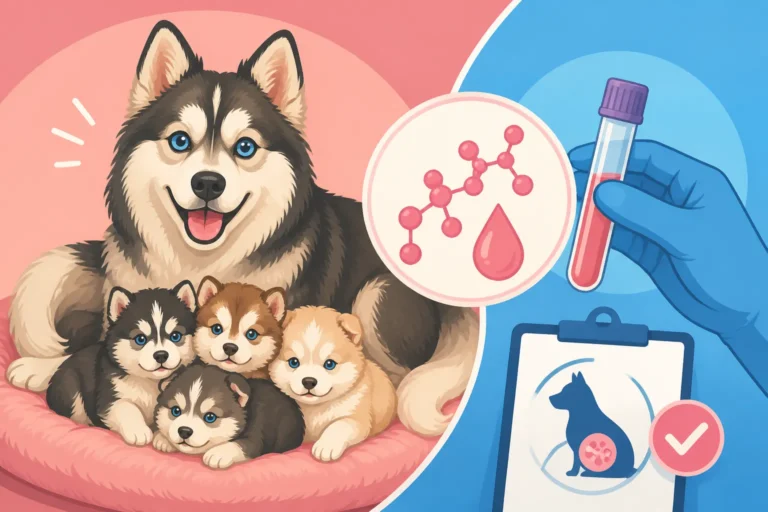
Setting Money Aside for a Pomsky’s Vet Bills
Bringing a Pomsky into your life is an absolute joy, a whirlwind of fluffy energy and boundless personality. But let's be realistic: while we all dream of endless happy days, the reality of pet ownership, especially with a unique crossbreed like a Pomsky, means facing potential health challenges. Unexpected vet bills can hit hard, turning a beloved pet into a source of financial stress if you're not prepared. This guide is all about helping you create a practical strategy to set aside money specifically for your Pomsky's healthcare, ensuring you can provide the best care without sacrificing your peace of mind.
Understanding the Unpredictable Nature of Pomsky Vet Bills
When you commit to a Pomsky, you're signing up for a wonderfully unique blend of two distinct breeds: the Siberian Husky and the Pomeranian. This means their health profile can be a bit of a genetic lottery, inheriting predispositions from both sides of their family tree. It's not always straightforward, and what might be a minor issue for one breed could manifest differently in a Pomsky.
The Genetic Grab Bag: Husky and Pomeranian Influences
It's common for prospective Pomsky owners to focus on the cute looks, but understanding their genetic background is crucial for anticipating health needs. From the Husky side, your Pomsky might be predisposed to certain eye conditions, like The Eyes a Pomsky Gets From the Husky or even juvenile cataracts. They could also carry genes for hip or elbow dysplasia, even if they're on the smaller side. Then you have the Pomeranian influence, which brings concerns like Slipping Kneecaps in a Pomsky (patellar luxation), dental issues, and even a collapsing trachea. It's truly The Two Opposite Disease Lists a Pomsky Inherits, and you never quite know which set of cards your individual Pomsky will be dealt. This mix means their vet bills can be incredibly varied and, at times, quite substantial, covering everything from specialized diagnostics to potential surgeries.
Accidents, Illnesses, and the Unexpected
Beyond genetic predispositions, life happens. Pomskies are active, curious, and sometimes a little mischievous. They might swallow something they shouldn't, tear a ligament during a spirited play session, or develop an acute illness completely unrelated to their breed lines. Imagine your fluffy friend suddenly limping after a zoomie session, or refusing their food and acting lethargic. These are the moments when a trip to the emergency vet becomes inevitable, and those bills can accumulate rapidly. Having a financial cushion isn't just about covering expected preventative care; it's about being ready for those heart-stopping "what if" scenarios that no one wants to imagine, but every pet owner eventually faces.
Strategies for Funding Your Pomsky's Healthcare
There are several routes you can take to prepare for your Pomsky's vet bills, each with its own benefits and considerations. The best approach often involves a combination of these methods, tailored to your personal financial situation and comfort level.
The Dedicated Savings Account Method
One of the most straightforward ways to prepare is to open a separate savings account specifically for your Pomsky's veterinary care. Think of it as your "Pomsky Wellness Fund." You can set up an automatic transfer from your checking account each payday, even if it's a small amount. Over time, these consistent contributions build up, creating a buffer for both routine visits and unexpected emergencies. This method offers complete flexibility; the money is yours, and you decide exactly how and when to use it. There are no deductibles, no claims to file, and no exclusions for pre-existing conditions (because it's your money!). However, it requires discipline to consistently contribute and to avoid dipping into it for non-pet expenses. It also takes time to build a substantial sum, which can be nerve-wracking if an emergency strikes early in your Pomsky's life.
The Power of Pet Insurance
For many Pomsky owners, pet insurance offers a significant layer of financial protection, especially against catastrophic illnesses or accidents. Instead of building up savings from scratch, you pay a monthly premium, and in return, the insurance company reimburses you for a percentage of covered veterinary expenses after you've met your deductible. It's like health insurance for humans, but for your furry family member. Providers often have different plans, some covering only accidents, others comprehensive plans that include accidents, illnesses, and even wellness care.
When choosing a plan, it's crucial to understand what's covered, what's excluded (pre-existing conditions are a common exclusion, so getting coverage early is key), and what your deductible and reimbursement percentage will be. Companies like Healthy Paws are popular choices, offering various coverage options that can help offset the cost of things like emergency surgeries or ongoing treatments for chronic conditions. Pet insurance can provide immense peace of mind, knowing that if your Pomsky needs expensive diagnostics or an operation, you won't have to make decisions based solely on your immediate bank balance. You might want to explore Insuring a Pomsky Against Two Parent Breeds to understand how this hybrid status affects policy details.
Considering Veterinary Credit Lines and Payment Plans
Sometimes, even with savings and insurance, a massive unexpected bill can still leave a gap. This is where veterinary-specific credit lines or payment plans offered through your vet's office can come into play. These options are typically designed for healthcare expenses and often offer promotional periods with no interest, provided you pay off the balance within a certain timeframe. They can be a lifesaver in an emergency, allowing you to proceed with necessary treatment without immediate full payment.
However, it's important to approach these with caution. If the balance isn't paid off during the promotional period, interest rates can be high. Always read the terms and conditions carefully. While not a primary strategy for setting aside money, they are a valuable backup to be aware of for those truly dire situations when your primary funds might not be enough.
Budgeting for Routine Versus Emergency Care
Effective financial planning for your Pomsky's health means differentiating between the predictable costs of routine care and the unpredictable nature of emergencies. Both need a place in your budget.
The Predictable Costs of Preventative Care
Routine veterinary care is the cornerstone of keeping your Pomsky healthy and happy for as long as The Twelve to Fifteen Years a Pomsky Lives. These are the costs you can largely anticipate and budget for annually.
- Annual Check-ups and Vaccinations: Every Pomsky needs a yearly physical exam to ensure they're thriving, along with booster vaccinations to protect against common diseases. This is also when your vet might discuss parasite prevention.
- Parasite Prevention: Monthly or quarterly treatments for fleas, ticks, and heartworm are essential, especially if your Pomsky spends time outdoors or interacts with other dogs. These costs are consistent and non-negotiable for their well-being.
- Dental Care: Pomskies, especially those with more Pomeranian influence, can be prone to Dental Crowding in a Pomsky's Small Mouth, which makes them more susceptible to dental disease. Regular dental cleanings under anesthesia can be a significant but necessary expense every few years to prevent painful infections and tooth loss.
- Nutrition and Supplements: Providing high-quality food is crucial for overall health. While you might opt for widely available brands, if your Pomsky develops specific needs, you might explore specialized diets. For instance, if your vet recommends a particular therapeutic diet, you could look at options from online retailers like Chewy or even fresh food providers such as Ollie, keeping an eye on their pricing and subscription models to factor into your monthly food budget. Sometimes, supplements for joint health or skin issues might also be recommended.
- Grooming: While not strictly vet care, professional grooming, especially during a coat blow, can help prevent skin issues.
A good way to budget for these is to look at average costs for your area and then divide them by 12. That monthly figure can then be automatically transferred to your Pomsky's dedicated savings account, ensuring the funds are always there when needed. The Screening a Pomsky Should Have Yearly covers many of these preventative measures.
Preparing for the Unpredictable: Emergency Funds
This is where the true value of proactive financial planning shines. Emergency vet visits are, by definition, unexpected. They can range from minor injuries requiring stitches to life-threatening conditions needing intensive care or emergency surgery. The costs associated with these can be thousands of dollars, making a dedicated emergency fund or comprehensive pet insurance absolutely vital.
Imagine your Pomsky suddenly develops a persistent cough. Is it just kennel cough, or could it be something more serious like The Collapsing Trachea a Pomsky Gets From the Pomeranian? Diagnostic tests, X-rays, and medications can quickly add up. Or perhaps they've ingested something toxic – an emergency vet visit, induced vomiting, or even surgery might be required. Having funds set aside means you can authorize the best possible care without agonizing over the financial burden in a stressful moment. This is why having pet insurance, or a substantial emergency savings fund, or ideally both, is so critical for a Pomsky owner.
Long-Term Financial Planning for Your Pomsky's Senior Years
As our beloved Pomskies age, their healthcare needs typically increase. Just like humans, senior dogs often face new health challenges, and being financially prepared can significantly improve their quality of life in their golden years.
Anticipating Increased Health Issues in Senior Pomskies
Reaching their senior years is a wonderful milestone for any Pomsky. However, with age often come more frequent vet visits and potentially chronic health conditions. You might see the onset of arthritis, requiring joint supplements or pain management medication. Conditions like Hip Dysplasia in a Twenty Pound Pomsky might become more pronounced, or even something like Whether a Pomsky Gets Heart Disease could develop. Regular blood work and screenings become even more important to catch issues early. It's not uncommon for senior Pomskies to require ongoing medication, specialized diets, or even palliative care. These costs can be continuous, month after month, year after year.
Quality of Life Decisions and End-of-Life Care
Part of responsible pet ownership is also preparing for the most difficult decisions: those concerning your Pomsky's end-of-life care. This might include expensive treatments to extend their comfort, or, tragically, the cost of humane euthanasia and cremation when their quality of life diminishes. These are deeply emotional times, and having financial matters in order can alleviate one layer of stress, allowing you to focus purely on your pet. Understanding What Pomskies Are Most Often Put to Sleep For can give you an idea of the kind of health challenges that may arise later in life.
Creating a Senior Pet Fund
Just as you planned for puppyhood and adulthood, it's wise to start thinking about a "Senior Pomsky Fund" as they approach The Birthday a Pomsky Counts as Senior. If you have pet insurance, check what their policy covers for older pets, as some plans might have age limits or higher premiums for seniors. If you've relied on a savings account, consider increasing your contributions as they enter their later years, specifically earmarking funds for potential age-related ailments. Proactive saving here means you won't have to compromise on comfort, diagnostics, or treatment options when your loyal companion needs them most.
A good financial plan ensures that your Pomsky can receive the care they need throughout their entire life, from their boisterous puppy days to their calm, distinguished senior years, truly making them a cherished member of your family without added financial strain.
Comparison of Financial Approaches
Let's break down the common methods for managing Pomsky vet bills:
| Feature | Dedicated Savings Account | Pet Insurance (Comprehensive) | Veterinary Credit Line (e.g., CareCredit) |
|---|---|---|---|
| Proactive/Reactive | Proactive (builds over time) | Proactive (monthly premiums) | Reactive (for immediate needs) |
| Cost Structure | Self-funded contributions | Monthly premiums, deductible, co-pay | Credit with interest (often deferred) |
| Coverage | Covers anything you choose | Covers eligible accidents/illnesses/wellness | Covers approved vet services |
| Pre-existing Conditions | Not applicable (your money) | Generally excluded | Not applicable |
| Control | Full control over funds | Dependent on policy terms | Subject to credit terms and limits |
| Time to Build Funds | Can take years to build substantial sum | Immediate coverage (after waiting periods) | Immediate access (upon approval) |
| Risk | May not have enough for early emergencies | Premiums can increase; claims denied | High interest if not paid on time |
| Best For | Disciplined savers, minor/routine costs | Major emergencies, chronic conditions | Bridging gaps, unexpected large bills |
Disclaimer
This article is for general informational purposes only and does not constitute professional advice. Laws, prices and regulations vary by location and change over time. Consult a qualified professional for guidance on your specific situation.