Whether a Rescue Pomsky Is Health Tested
The desire to adopt a Pomsky is completely understandable – these adorable dogs capture hearts with their miniature Husky looks and vibrant personalities. However, when you're considering bringing a rescue Pomsky into your home, a very real and significant question often looms large: "Will this dog have had the extensive health testing that a responsible breeder might provide?" It's a valid concern, and navigating the world of rescue organizations and their health protocols can feel a bit like trying to solve a puzzle with missing pieces. This guide aims to pull back the curtain on what you can realistically expect regarding a rescue Pomsky's health history and testing, helping you make an informed decision for your future furry family member.
Understanding Health Testing for Pomskies: What We're Talking About
When we talk about "health testing" in the context of purebred dogs or designer crossbreeds like the Pomsky, we're not just referring to a basic vet check-up. We're talking about specific screenings designed to detect genetic conditions prevalent in the parent breeds – the Siberian Husky and the Pomeranian. These are often tests performed on the breeding parents before a litter is even conceived, to minimize the chances of passing on hereditary diseases to the puppies.
The Specific Genetic Concerns for Pomskies
Pomskies, being a mix, can inherit predispositions from both sides of their family tree. From the Siberian Husky, concerns often include certain eye conditions and hip issues. From the Pomeranian, patellar luxation (slipping kneecaps) and tracheal collapse are more common.
Consider these common hereditary conditions for Pomskies:
- Orthopedic Issues: This includes conditions like Hip Dysplasia in a Twenty Pound Pomsky and Slipping Kneecaps in a Pomsky. These are painful, can require surgery, and often impact a dog's quality of life. Reputable breeders would screen their parent dogs for these conditions using X-rays and veterinary evaluations.
- Eye Conditions: Huskies are prone to certain inherited eye diseases like juvenile cataracts and progressive retinal atrophy. Pomskies can inherit these, as highlighted in topics like The Juvenile Cataracts a Pomsky Gets From the Husky and The Eyes a Pomsky Gets From the Husky. Breeding dogs should have yearly eye exams by a veterinary ophthalmologist to catch these.
- Thyroid Issues: Hypothyroidism is a concern in both parent breeds. This can lead to skin problems, weight gain, and lethargy.
- Tracheal Collapse: More common in smaller breeds like the Pomeranian, a Pomsky can inherit a propensity for a collapsing trachea, leading to a distinctive cough. You can learn more about this in The Collapsing Trachea a Pomsky Gets From the Pomeranian.
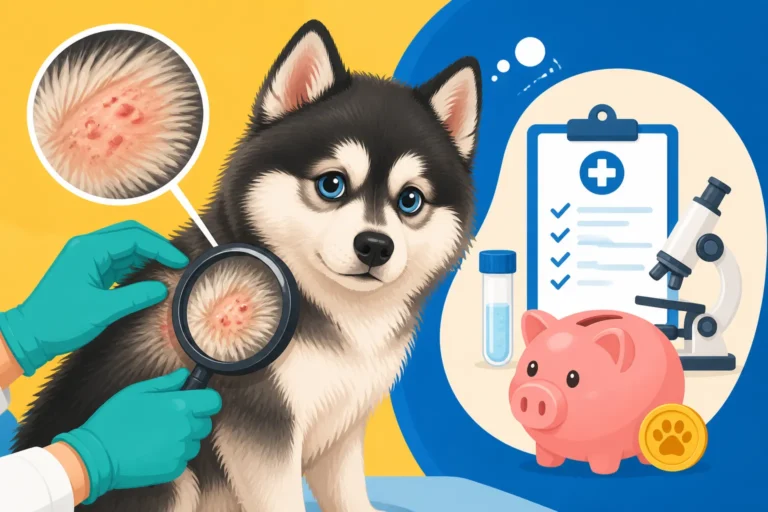
- Alopecia X: A frustrating skin condition, also known as Black Skin Disease, which causes hair loss. While not life-threatening, it can be cosmetically distressing and impacts the dog's skin health. Alopecia X and the Pomsky That Loses Its Coat delves deeper into this.
- Dental Issues: Due to the Pomeranian's smaller mouth and the potential for a Husky's teeth to be crammed in, dental crowding is a very real concern for Pomskies.
These are the kinds of tests that often involve certifications from organizations like the Orthopedic Foundation for Animals (OFA) or the Canine Eye Registry Foundation (CERF, now part of OFA). This level of comprehensive screening is a significant investment and commitment by a breeder to the health of their lines.
What "Health Tested" Truly Means for a Breeder
For a responsible Pomsky breeder, "health tested" means going beyond just a vet check-up. It means:
- Genetic Panel Screening: Testing for genetic markers known to cause certain diseases, if available for their parent breeds.
- OFA Certifications: X-rays of hips and elbows, and patella evaluations, graded by veterinary specialists.
- Eye Certifications: Annual eye exams by a board-certified veterinary ophthalmologist.
- Thyroid Panel: Blood tests to ensure proper thyroid function.
- Cardiac Screening: Checking for congenital heart defects, though less common as a major Pomsky concern.
This thorough approach is why puppies from reputable breeders often come with health guarantees, because they've actively tried to mitigate these risks.
The Reality of Health Testing in Rescue Environments
Now, let's shift to the world of rescue. Rescue organizations, whether breed-specific (like a Husky or Pomeranian rescue that might take a Pomsky) or general shelters, operate under very different circumstances and with different goals than breeders. Their primary mission is to save lives, provide immediate care, and find suitable homes for dogs in need.
What Rescues Typically Provide
When a Pomsky enters a rescue, here's what you can generally expect in terms of health care:
- Immediate Veterinary Assessment: Every dog gets a basic check-up upon arrival. This is to identify any obvious injuries, illnesses, or urgent medical needs.
- Spay/Neuter: Almost universally, rescue dogs are spayed or neutered before adoption, or the adopter signs an agreement to do so once the puppy is old enough. This is a crucial step to control pet overpopulation.
- Vaccinations: Up-to-date vaccinations for common canine diseases (distemper, parvovirus, rabies, etc.) are standard.
- Deworming and Parasite Treatment: Rescues will treat for fleas, ticks, and internal parasites.
- Microchipping: Most rescues will microchip their dogs, registering them to the rescue or directly to the adopter.
- Basic Blood Work: Sometimes, especially for older dogs or those showing signs of illness, basic blood panels might be run to check organ function.
This is all essential, life-saving care, but it's important to note what's missing from this list when compared to a breeder's comprehensive health testing.
Why Comprehensive Genetic Testing Is Rare in Rescue
There are several very practical reasons why rescue organizations typically don't perform the same level of genetic health testing as breeders:
- Limited Resources: Rescues are often non-profits, relying on donations and volunteers. The cost of extensive genetic testing (OFA certifications, ophthalmologist exams, genetic panels) for every dog that comes through their doors would be astronomical and unsustainable. Their funds must stretch to cover food, shelter, emergency medical care, and basic vetting for all the animals in their care.
- Unknown History: Many rescue dogs come from unknown backgrounds. They might be strays, owner surrenders with incomplete records, or from puppy mills. Without knowing the parents' lineage, much of the genetic testing would be less informative. You can't perform an OFA hip certification on a dog's parents if you don't know who they are.
- Focus on Immediate Needs: The priority for a rescue is to stabilize the dog's immediate health and behavioral needs. A dog with a broken leg, severe malnutrition, or advanced heartworm disease will receive urgent care long before genetic screening for hip dysplasia is considered.
- Age of the Dog: Many genetic tests, like OFA hip certifications, require the dog to be at least two years old for final certification. Many rescue dogs are adopted out as puppies or young adults, making these certifications impractical at the time of adoption.
It's not that rescues don't care about long-term health; it's a matter of practicality, funding, and the immediate welfare of the animals they serve. This is a key difference to understand and accept when considering a rescue Pomsky.
Navigating the Adoption Process: What to Ask and Observe
Even though comprehensive genetic testing might not be available, you can still be a proactive and informed adopter. It's about gathering as much information as possible and being prepared for the potential unknowns.
Questions to Ask the Rescue Organization
Don't be shy about asking detailed questions. A good rescue will appreciate your thoroughness, as it shows you're serious about providing a good home.
- What veterinary care has the Pomsky received since coming into your care? Ask for specific dates of vaccinations, deworming, and if any illnesses or injuries were treated.
- Can I see the Pomsky's vet records? This is your right as an adopter. Review them carefully for any notes on existing conditions or concerns.
- Do you have any information on the Pomsky's history? If it was an owner surrender, they might have more background on previous health issues, behaviors, or even some limited vet records from the previous owner.
- Has the Pomsky shown any signs of specific health concerns typically seen in Pomskies? Ask about limping, coughing (The Honking Cough of a Pomsky With a Bad Trachea), eye discharge, or skin issues.
- What is your policy if a significant, undisclosed health issue arises shortly after adoption? Understand their support system, if any. Some rescues offer a grace period for certain issues.
- Do you offer any post-adoption support or resources for ongoing care? This might include discounted vet visits with their partner vets or advice lines.
Remember, a rescue's honesty about what they don't know is often a sign of their integrity.
What to Observe During Your Visit
When you meet the Pomsky, pay close attention to their physical condition and behavior.
- Gait and Movement: Watch how they walk. Do they limp? Do they skip or favor a leg, which could indicate The Skip That Means a Pomsky's Knee Has Gone or other orthopedic issues?
- Eyes and Ears: Are the eyes clear, bright, and free of discharge? Are the ears clean and free of redness or odor?
- Coat and Skin: Is the coat healthy and free of excessive shedding, bald patches (like those seen with The First Bald Patch on a Pomsky), or dry, flaky skin? Feel for any lumps or bumps.
- Breathing and Coughing: Listen for any unusual breathing sounds, wheezing, or that distinctive honking cough associated with tracheal issues.
- Energy Level and Demeanor: Does the dog seem bright, alert, and engaged, or are they lethargic? While rescues can be stressful, extreme lethargy might be a red flag.
- Dental Health: A quick look at their teeth can tell you if they have significant tartar buildup or signs of dental crowding, a common issue in smaller mouths.
These observations, combined with the rescue's information, will give you a fuller picture.
The Financial Implications: Being Prepared for the Unknown
Adopting a rescue Pomsky can be incredibly rewarding, but it often comes with a higher degree of uncertainty regarding long-term health compared to a puppy from a health-tested line. This means you need to be prepared for potential vet bills down the line.
Budgeting for Future Health Needs
It’s prudent to set aside an emergency fund specifically for your dog's health. This isn't about being pessimistic, but realistic. Even if your rescue Pomsky appears perfectly healthy at adoption, genetic predispositions can surface later in life.
Consider the potential costs:
- Specialist Consultations: If an orthopedic issue like patellar luxation or hip dysplasia is suspected, you'll need X-rays and potentially consultations with an orthopedic specialist.
- Medication: For chronic conditions like hypothyroidism or some skin issues, lifelong medication might be necessary.
- Surgery: Procedures like knee surgery for luxating patellas or even advanced dental work can be significant expenses. What Patella Surgery Costs a Pomsky Owner can give you an idea of such costs.
- Special Diets: Some conditions, like Zinc Responsive Dermatosis in a Pomsky, might require specific dietary supplements or prescription foods.
This isn't to deter you, but to empower you with foresight.
The Value of Pet Insurance
This is where pet insurance can be an absolute lifesaver. For a rescue dog with a less documented health history, having a good pet insurance policy can provide immense peace of mind.
- Coverage for Accidents and Illnesses: A comprehensive policy can help cover a significant portion of vet bills for unexpected accidents, illnesses, surgeries, and even some diagnostic tests. Brands like Healthy Paws are well-known for their comprehensive coverage, which can really cushion the blow of unforeseen medical costs.
- Choosing the Right Plan: Research different providers and their plans carefully. Look at deductibles, reimbursement percentages, and annual limits. Pay attention to any waiting periods before coverage kicks in for certain conditions.
- Pre-existing Conditions: Be aware that most pet insurance policies do not cover pre-existing conditions. This means if your rescue Pomsky already has a diagnosed condition (like a heart murmur or an identified orthopedic issue) at the time you enroll them, future treatment for that specific condition might be excluded. This makes asking for detailed vet records from the rescue even more important.
Even if you opt not to get insurance, having a dedicated savings account for your Pomsky's health is a wise decision.
Supporting Your Rescue Pomsky's Long-Term Health
Once your rescue Pomsky is home, their long-term health largely falls to you. There are many things you can do to ensure they live their happiest, healthiest life, regardless of their past.
Excellent Preventative Care
Consistent, high-quality preventative care is paramount.
- Regular Vet Check-ups: Annual veterinary visits are crucial for early detection of potential issues. Your vet can perform a thorough physical exam, recommend necessary screenings as your dog ages, and discuss any concerns you have.
- Quality Nutrition: Feeding a high-quality, balanced diet suitable for their age and activity level is foundational. Companies like Chewy offer a wide variety of premium foods, and services like Ollie can provide fresh, customized meal plans that contribute to overall health. Talk to your vet about the best option for your Pomsky's specific needs. Feeding a Twenty Pound Pomsky is a good starting point for nutritional guidance.
- Dental Hygiene: Due to the risk of Dental Crowding in a Pomsky's Small Mouth, diligent dental care is a must. Regular brushing, dental chews, and professional dental cleanings as recommended by your vet will help prevent painful dental disease.
- Appropriate Exercise: Ensure your Pomsky gets consistent, appropriate exercise to maintain a healthy weight and strong muscles, which can support joint health. The Exercise a Pomsky Needs Every Day provides excellent guidance.
- Weight Management: Keeping your Pomsky at a healthy weight is vital. Obesity exacerbates joint problems like patellar luxation and hip dysplasia, and contributes to other health issues. Your vet can help you determine the ideal weight for your individual Pomsky.
Being Alert to Health Changes
You are your Pomsky's best advocate. Learn to recognize the subtle signs that something might be off.
- Changes in Appetite or Thirst: A sudden increase or decrease could indicate an underlying issue.
- Changes in Energy Level: Unexplained lethargy or hyperactivity.
- Changes in Mobility: Limping, stiffness, difficulty getting up or down.
- Skin or Coat Changes: Excessive itching, bald spots, greasy coat, or sores.
- Changes in Breathing or Coughing: Any new or worsening cough, wheezing, or labored breathing.
- Behavioral Changes: Sudden aggression, fear, or withdrawal can sometimes be linked to pain or illness.
Don't hesitate to consult your veterinarian if you notice any concerning changes. Early detection often leads to more effective treatment and better outcomes.
Here’s a quick comparison of what you might expect regarding health information from a responsible breeder versus a rescue:
| Feature | Responsible Breeder (for parents) | Rescue Organization (for adopted dog) |
|---|---|---|
| Genetic Predisposition | Actively screens breeding dogs to reduce risk in puppies | Unknown history, potential for genetic conditions to emerge later |
| OFA Hip/Elbow Certs | Yes, on breeding adults (over 2 years old) | Unlikely, unless previously owned dog came with records |
| Patella Evaluation | Yes, on breeding adults | Unlikely, often relies on vet's physical exam |
| Eye Certifications | Yes, annual exams by veterinary ophthalmologist | Unlikely, standard vet exam might note obvious issues only |
| Thyroid Panel | Often, on breeding adults | Unlikely, unless symptoms are present |
| Spay/Neuter | Puppies go home intact with spay/neuter contract | Yes, typically performed before adoption or required soon after |
| Vaccinations | Puppies receive age-appropriate first shots | Yes, fully updated for current stage |
| Deworming/Parasite Rx | Puppies dewormed | Yes, treated for any parasites detected |
| Microchip | Often included | Yes, typically included and registered |
| Basic Vet Check-up | Yes, with health certificate | Yes, thorough exam to ensure adoptability and address acute issues |
| Health Guarantee | Common, for specific genetic conditions | Rare, focus is on current health at time of adoption |
Adopting a rescue Pomsky is a truly noble act, offering a deserving dog a second chance at a loving home. While the specific health testing might not be as extensive as you'd find from a dedicated breeder, armed with the right questions, careful observation, and a commitment to ongoing preventative care, you can provide a wonderful life for your unique companion. Being realistic about potential health unknowns and preparing financially for them will ensure that the journey is as smooth and joyous as possible.
Disclaimer
This article is for general informational purposes only and does not constitute professional advice. Laws, prices and regulations vary by location and change over time. Consult a qualified professional for guidance on your specific situation.