Getting a Pomsky Used to a Force Dryer
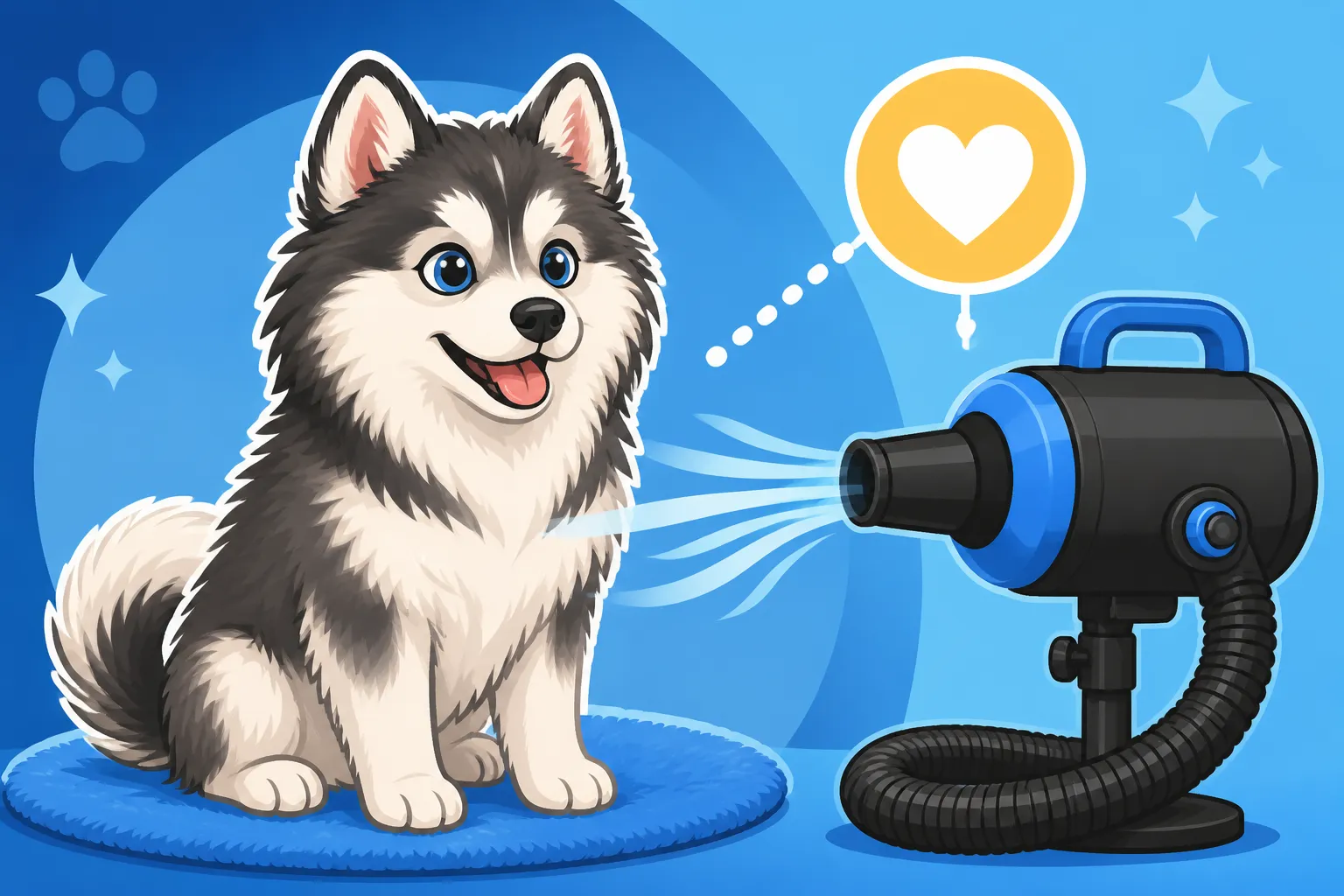
If you're a Pomsky owner, you know the struggle is real when it comes to grooming, especially during those infamous "blowout" seasons where fur tumbleweeds become a permanent fixture in your home. While a force dryer is an absolute game-changer for tackling that thick double coat and reducing shedding, the sheer power and noise can be terrifying for our sensitive pups. This comprehensive guide will walk you through a gentle, patient approach to help your Pomsky not just tolerate, but actually accept a force dryer, making grooming a much less stressful experience for both of you.
Why Force Dryers Are a Grooming Game Changer (and a Common Fear Factor)
Let's face it, that Pomsky coat, inherited from both the Siberian Husky and the Pomeranian, is magnificent – until it starts shedding. And then sheds some more. And then a whole lot more during seasonal "blowouts." Regular brushing with tools like The Undercoat Rake a Pomsky Owner Lives With helps, but nothing compares to the efficiency of a force dryer. This isn't just about drying; it's about literally blowing out the loose undercoat, which dramatically reduces shedding and keeps their skin healthy. It’s an essential tool for any Pomsky owner, but it comes with a big caveat: many dogs find them incredibly scary.
The Power and the Problem: Why Force Dryers Intimidate
A force dryer is designed to emit a powerful, concentrated stream of air, which is fantastic for penetrating that dense double coat down to the skin. However, this power also comes with significant noise and a strong sensation of air movement, both of which can be alarming to a dog. Imagine a giant, loud hairdryer aimed directly at you. It's a lot! For a breed known for its sensitive hearing and occasional wariness, like the Pomsky, this can easily trigger fear, anxiety, or even a fight-or-flight response. The vibrating hose, the rushing air, the high-pitched whine – it's a sensory overload.
The Benefits Outweigh the Initial Struggle
Despite the initial hurdles, getting your Pomsky comfortable with a force dryer is worth every minute of effort. Beyond simply drying your dog after a bath, it’s crucial for maintaining coat health. It helps prevent matting, especially in a wooly-coated Pomsky, by separating the hairs and allowing for thorough brushing. It also helps air out the skin, preventing moisture-related issues like hot spots, which can lurk unseen beneath that thick fur. Think of it as an investment in your Pomsky's long-term comfort and your own sanity when it comes to managing all that fluff. Plus, once they're used to it, grooming sessions become much quicker and more efficient. For more on their impressive fur, you might want to read about The Pomsky That Carries a Husky Coat at Twenty Pounds.
Pre-Exposure and Desensitization: Starting Slow
The secret to success with any potentially scary grooming tool is to start before you ever need to use it in earnest. This means introducing your Pomsky to the concept of the force dryer in a non-threatening, low-pressure way. Desensitization is key, and it requires breaking down the experience into tiny, manageable steps, always pairing it with positive associations.
Familiarizing Your Pomsky with the Dryer Off
Before you even plug the dryer in, let your Pomsky investigate it. Place the dryer in a neutral area, perhaps where you normally do some casual grooming or hang out. Let them sniff it, poke it, and get used to its presence. You can leave it on the floor for a few days, occasionally picking it up, moving the hose, and just making it part of the scenery. The goal here is to remove any novelty or suddenness. Every time your Pomsky shows even a hint of curiosity or calm around the machine, offer a high-value treat. You want them to associate the dryer's presence with good things happening. This isn't just about the machine; it's about building trust.
Introducing the Sound (from a Distance)
Once your Pomsky seems nonchalant about the dryer's physical presence, it's time to introduce the sound. This is where patience really comes into play. Start by plugging in the dryer and turning it on for just a second or two, on its lowest setting, from across the room or even in another room with the door ajar. The moment it turns on, immediately offer a super-special treat and praise. Then turn it off. Repeat this many times over several days, slowly decreasing the distance as your Pomsky remains calm. The idea is for them to learn that the sound predicts something wonderful (a treat), and that it's short-lived. A low-speed, low-noise dryer option is really helpful for this stage, so consider brands available on sites like Amazon that offer variable speed settings.
The Power of Pairing: Treats and Praise
Positive reinforcement is your best friend here. Always pair the presence or sound of the dryer with something your Pomsky absolutely loves. This could be their favorite tiny training treats, a beloved toy, or enthusiastic verbal praise. Keep sessions short – literally a few seconds to a minute at first – and always end on a positive note, even if it means turning the dryer off while they're still calm. Never force them or restrain them excessively during these initial stages; this will only create negative associations and make future progress much harder. The goal is voluntary participation and a happy experience.
Gradual Introduction to Air and Full Operation
Once your Pomsky is no longer startled by the sound from a distance, it's time to slowly bring the air into the picture. This is often the trickiest part, as the feeling of forced air can be very strange and even ticklish or startling.
The Gentle Breeze: Air from Afar
Begin by turning the dryer on its lowest setting, in a different room again, or as far away as possible. Let the air blow into the general space, not directly at your Pomsky. As the air blows, continue to offer treats and praise. Gradually, over many sessions, you can move closer, always watching your dog's body language. Look for signs of stress: lip-licking, yawning, turning away, cowering, panting, or freezing. If you see these, you've gone too fast. Back up a step or two and make the experience more comfortable. The key is to keep the air source far enough away that the air reaching your dog is just a gentle breeze, not a blast.
The "Nozzle Game": Touch and Go
Now, with the dryer still on its lowest setting and at a comfortable distance, start by briefly directing the air towards your Pomsky's body, but not at them directly. Think of it like a gentle gust of wind near their side, then immediately reward. Then, very briefly, direct it at a part of their body where they are less sensitive, such as their hindquarters or an outside hip. Turn it on for one second, blow, then off. Reward. Repeat. Gradually increase the duration and move to other areas of the body, always avoiding the face, ears, and genitals initially, as these are highly sensitive.
Think of it like a game of "touch and go." The moment the air touches them, a treat appears. This builds the association: air = yummy treat. Keep a very close eye on their comfort levels. Many online training platforms, such as BAXTER & Bella, offer fantastic positive reinforcement guidance that can be applied to this type of desensitization, emphasizing calm, confident handling and reward markers.
| Step | Action | Duration/Frequency | Goal |
|---|---|---|---|
| 1: Sight | Dryer visible in room (unplugged) | Several hours/days | Neutralize the object |
| 2: Off-Sound | Turn on for 1-2 sec (other room, low) | 5-10 reps/day for several days | Associate sound with treats |
| 3: Near-Sound | Turn on for 1-2 sec (same room, low) | 5-10 reps/day for several days | Increase proximity to sound, maintain calm |
| 4: Gentle Air | Dryer on (low), air blows into room (not at dog) | 1-2 minutes/session for several days | Familiarize with ambient air movement |
| 5: Directed Air | Brief touch of air (low) to hindquarters/side, then treat | 5-10 reps/day, gradually increasing duration | Positive association with air sensation |
| 6: Full Body | Gradually move to other body parts, slowly increase speed | Over weeks, as comfort allows | Toleration of air on entire body, except sensitive areas |
Making the Experience Positive: Rewards, Breaks, and Patience
Beyond the initial desensitization, every grooming session, especially those involving the force dryer, needs to be a positive and predictable experience. This means being mindful of your Pomsky's comfort and emotional state at all times.
High-Value Rewards Are Non-Negotiable
For a grooming tool that can be so intimidating, your rewards need to be absolutely top-tier. Forget the everyday kibble. Think small pieces of cooked chicken, cheese, hot dogs, or whatever your Pomsky goes absolutely crazy for. These high-value treats are crucial for forging a strong positive association. Every time the dryer is on and your Pomsky remains calm, even for a second, a treat appears. This constant reinforcement teaches them that the dryer isn't just tolerable, it actually causes amazing things to happen.
Keep Sessions Short and Sweet
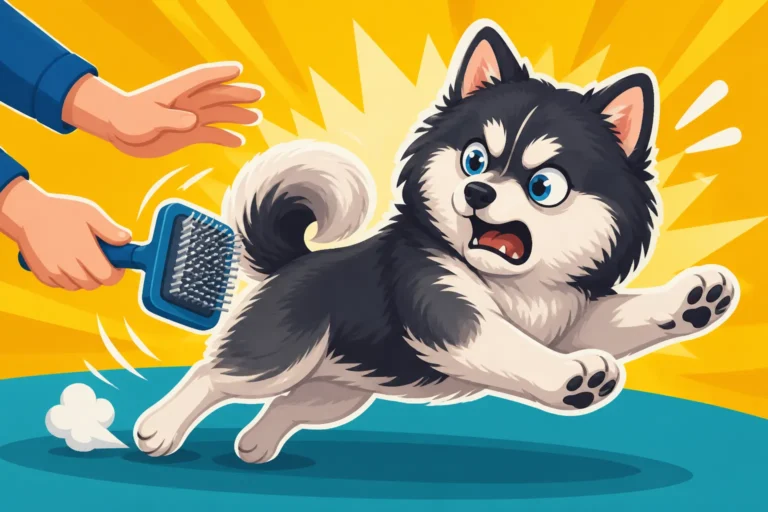
When first introducing the dryer, sessions should be incredibly brief – literally a minute or two at most, focused on small bursts of activity. As your Pomsky becomes more comfortable, you can gradually increase the duration. However, always be prepared to stop if you see signs of stress. It's far better to have several short, positive sessions than one long, traumatic one. Ending a session while your Pomsky is still calm and happy reinforces that positive feeling and builds anticipation for the next one. Remember, you're building a foundation, not rushing to finish a full groom. You might be interested in Teaching a Pomsky to Be Brushed as another aspect of positive grooming.
Build Trust Through Predictability
Dogs thrive on routine and predictability. Try to conduct your force drying sessions in the same location, at roughly the same time, using the same step-by-step process. This helps your Pomsky understand what's coming and reduces anxiety. A calm, reassuring voice from you is also vital. Your energy will rub off on your dog. If you're stressed or impatient, they will pick up on it. Stay relaxed, speak gently, and project an aura of confidence. This consistency builds trust and reinforces that you are there to keep them safe and make the experience good.
Troubleshooting Common Issues and Advanced Tips
Even with the most patient approach, some Pomskies might still struggle. It's important to remember that every dog is an individual, and some will simply take longer or require more creative solutions.
What if They Still Hate It? Addressing Persistent Fear
If your Pomsky continues to show significant fear or anxiety despite your best efforts, don't give up. First, consult with your veterinarian to rule out any underlying medical conditions, such as ear infections or pain, that might make the noise or sensation particularly uncomfortable. You might also consider seeking guidance from a certified professional dog trainer or behaviorist. They can offer personalized strategies, help identify specific triggers, and guide you through more advanced desensitization and counter-conditioning techniques. Sometimes, a fresh perspective and expert eye can make all the difference.
Another option might be to try different types of force dryers. Some have quieter motors, or offer attachments that diffuse the air more gently, which can be less startling. Exploring options on marketplaces like Amazon can give you a broader view of available features.
Ear Protection and Calming Aids
For some Pomskies, the noise of the dryer is the biggest hurdle. Dog ear muffs or snug snoods designed for noise reduction can be incredibly helpful. Introduce these items separately, making them a positive experience with treats and praise, before ever bringing out the dryer. Once your Pomsky tolerates them, put them on before starting any dryer work. This can significantly reduce the auditory impact.
Additionally, some owners find success with calming aids, such as pheromone sprays or diffusers, or even vet-recommended supplements. These aren't magic bullets, but they can sometimes help take the edge off anxiety, making your Pomsky more receptive to training. Always discuss any calming aids or supplements with your vet first to ensure they are safe and appropriate for your dog.
The Importance of Body Language: Reading Your Pomsky
Learning to read your Pomsky's body language is paramount throughout this process. They communicate volumes with subtle cues.
- Relaxed: Loose body, soft gaze, wagging tail, relaxed mouth.
- Mild Stress: Lip-licking, yawning (when not tired), turning head away, tense muscles, tucked tail, ears back.
- Significant Stress/Fear: Cowering, trembling, freezing, growling, snapping, trying to escape.
If you observe any signs of stress, stop immediately. You've pushed too far, too fast. End the session on a positive note (e.g., just give a treat and stop), and reassess for the next session. You need to identify what specific part of the process caused the stress and break it down into even smaller steps next time. Remember, your Pomsky needs to trust that you will protect them and not put them in a situation that overwhelms them. Being able to successfully use a force dryer dramatically helps with Whether a Pomsky Blows Its Coat Twice a Year.
Integrating Force Drying into a Regular Grooming Routine
Once your Pomsky has overcome their initial fears and tolerates the force dryer, it's time to make it a regular part of their grooming. Consistency is key here.
Frequency and Full Grooming Sessions
During seasonal coat blowouts, you might find yourself using the force dryer weekly or even more often to help shed that undercoat. At other times of the year, a thorough blow-dry after a bath (perhaps once a month or every other month, depending on your Pomsky's coat type and lifestyle) can be sufficient. The key is to avoid long gaps that allow fears to creep back in. Keep it consistent. For more details on bathing, refer to How Often a Pomsky Should Be Bathed.
Combining with Other Grooming Tasks
As your Pomsky becomes more accustomed to the force dryer, you can start integrating it with other grooming tasks, like brushing. The dryer helps lift the coat, making it easier to brush out loose hair with an undercoat rake or slicker brush. Always ensure each step remains positive and comfortable for your dog. For instance, you could blow a section, brush it out, and then reward. This multi-tasking approach makes grooming more efficient.
The Long-Term Benefits for Your Pomsky and You
A Pomsky that is comfortable with a force dryer is a healthier, happier Pomsky, and you'll be a happier owner. Less shedding means less hair in your home and on your clothes. A well-maintained coat prevents painful mats and skin issues. And most importantly, you'll build a stronger bond with your dog through positive, cooperative grooming experiences. This skill is also invaluable if you ever take your Pomsky to a professional groomer, as it makes their job much easier and less stressful for your dog. Investing the time now will pay dividends over The Twelve to Fifteen Years a Pomsky Lives.
Disclaimer
This article is for general informational purposes only and does not constitute professional advice. Laws, prices and regulations vary by location and change over time. Consult a qualified professional for guidance on your specific situation.