Settling a Rehomed Pomsky
A rehomed Pomsky experiences stress, anxiety, and confusion, showing signs like indoor accidents and destructive chewing from past upheaval.
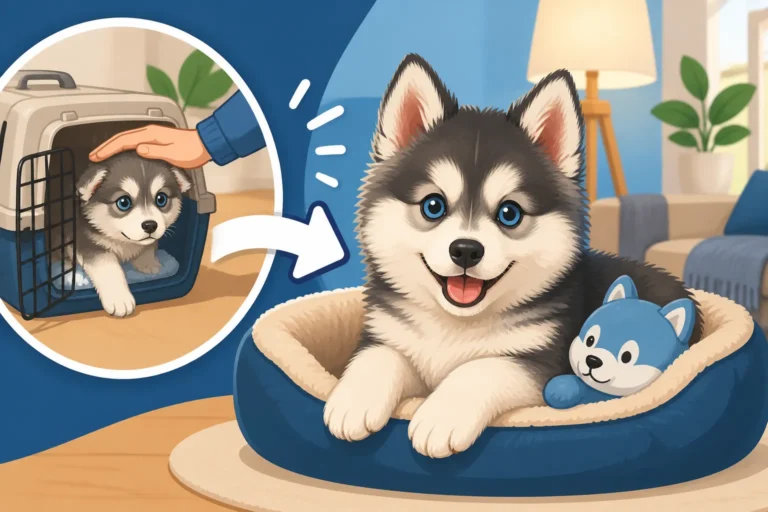
A rehomed Pomsky experiences stress, anxiety, and confusion, showing signs like indoor accidents and destructive chewing from past upheaval.
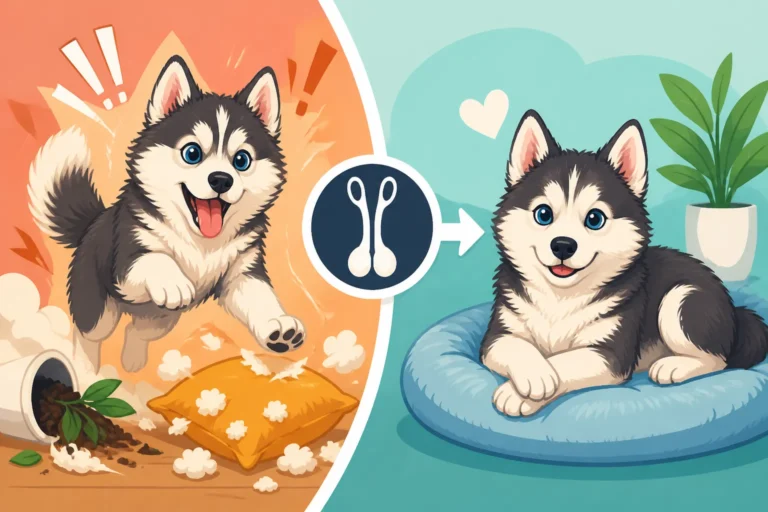
Neutering a male dog or spaying a female dog explains surgery effects on barking, chewing, and roaming in a Pomsky.

Safe socialization places and core vaccination schedules for unvaccinated Pomsky puppies help protect developing immune systems.
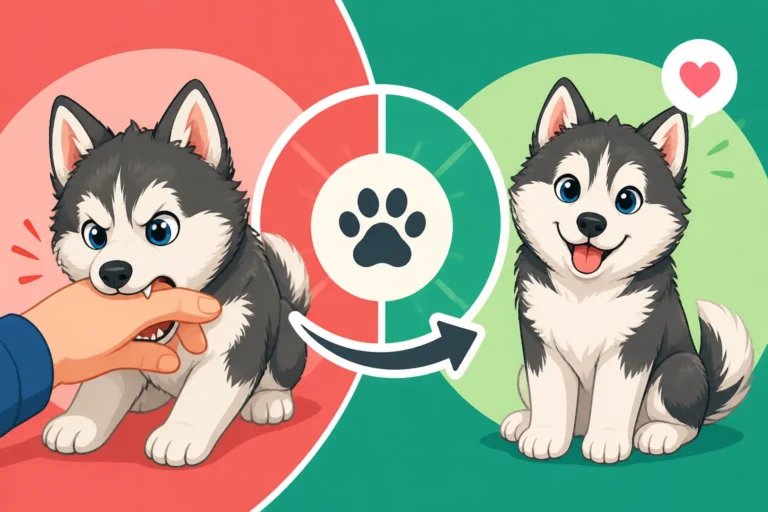
Pomsky puppy biting stages, teething timelines, and actionable training strategies explain when nipping stops by six months.
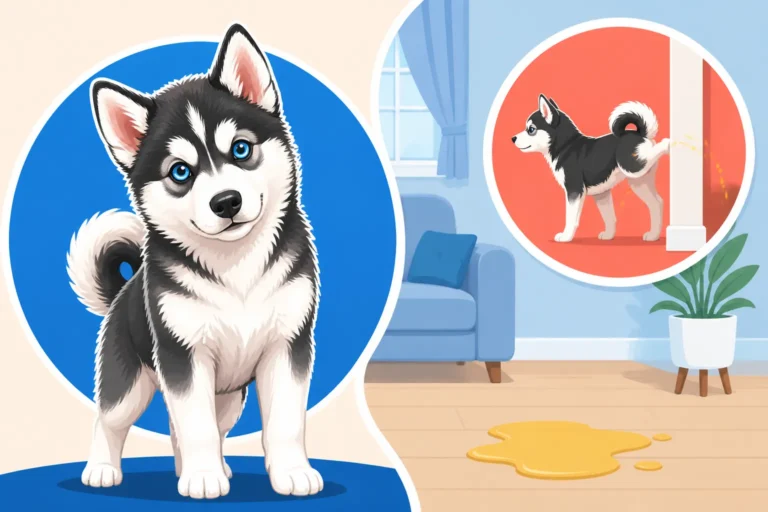
Male Pomsky indoor marking stems from territory, hormones, or anxiety, and neutering removes testosterone to reduce this habit.

Pomsky puppy bladder control limits overnight holding time to roughly one hour per month of age during early physical development.
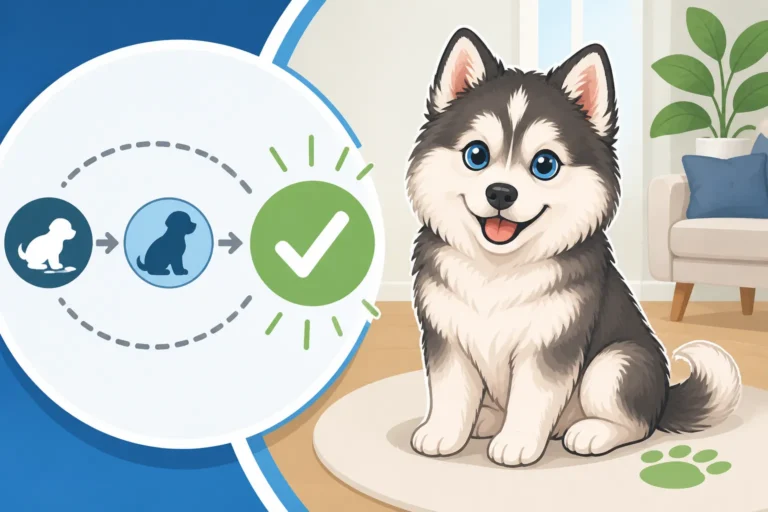
Pomsky house training requires patience because tiny bladders and individual puppy differences affect indoor reliability timelines.
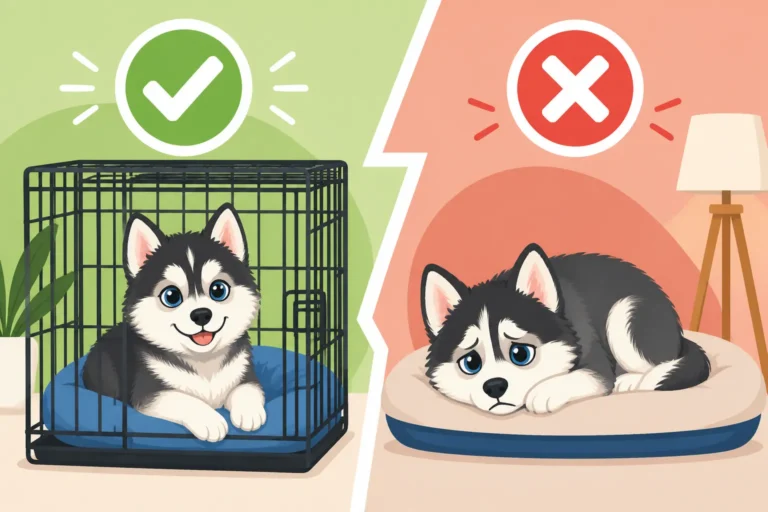
Crate training for Pomskies provides a safe sleeping den, aids house training, and prevents destructive puppy behaviors.

Pomsky separation anxiety stems from Siberian Husky pack instincts and Pomeranian attachment traits, causing distress when left alone.

Pomsky separation limits and daily exercise needs explain how many hours a dog can stay safely alone without destructive behavior.