Spotting a Pomsky in Trouble on a Hot Walk
It’s a heart-stopping moment for any Pomsky parent: you’re out for a walk, enjoying the sunshine, and suddenly your energetic companion starts acting… off. Perhaps they're lagging behind, panting heavily, or looking unusually distressed. Given their unique blend of Siberian Husky and Pomeranian heritage, Pomskies have a particular vulnerability to overheating, and it can be incredibly difficult to tell the difference between a dog that’s just a bit warm and one that’s genuinely heading for heatstroke. This guide will walk you through the critical signs to look for, from subtle cues to alarming red flags, and empower you with the knowledge to act swiftly and keep your beloved Pomsky safe when the mercury rises.
Why Pomskies are Prone to Overheating
Understanding why your Pomsky is more susceptible to heat stress than some other breeds is the first step in prevention. It's not just about their floofy coats; it’s a combination of their genetics and physiology that makes them little heat sponges when temperatures climb. Owners often underestimate this risk, especially those who haven't owned a northern breed before, thinking their smaller size somehow makes them immune.
The Double Coat Dilemma
The most obvious factor is their magnificent double coat. Both the Siberian Husky and the Pomeranian boast incredibly dense, insulating fur, and your Pomsky inherits some version of this magnificent, yet challenging, feature. This coat is designed by nature to trap warm air close to the body, protecting them from frigid northern winds and snow. While it does offer some protection from direct sunlight by preventing the sun's rays from reaching the skin, its primary function is insulation. In hot, humid conditions, this amazing coat works against them, trapping heat and making it incredibly hard for them to cool down.
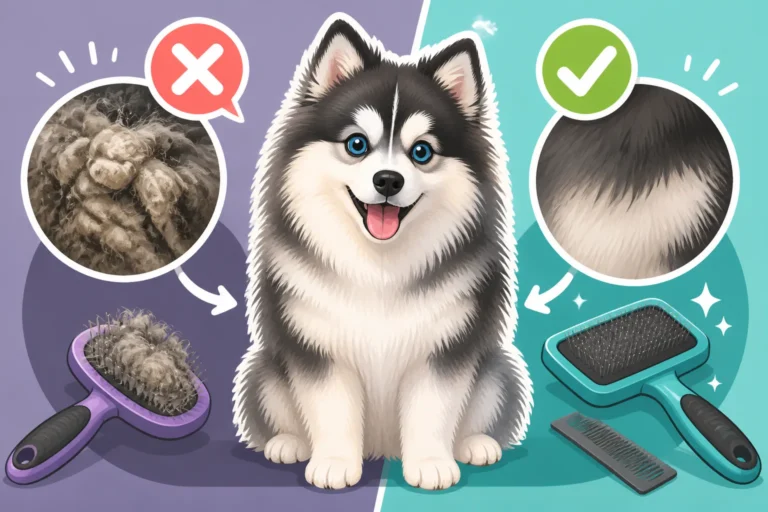
Imagine wearing a thick winter parka in the middle of July. That's essentially what your Pomsky's coat feels like in the heat. It impedes the natural cooling process of convection, where air passes through the fur to cool the skin. Many well-meaning owners consider shaving their Pomsky in summer, but this is a huge mistake. Why a Pomsky Must Never Be Shaved explains how this can permanently damage their coat's ability to regulate temperature, often leading to worse problems down the line. Instead, focus on thorough grooming to remove loose undercoat, which can help some air circulate.
Sizing Up the Risk
You might think a smaller dog like a Pomsky would fare better in heat, but their size can be a deceptive factor. While they're not giant dogs, the amount of coat they carry in relation to their body mass can be significant. A twenty-pound Pomsky might have a coat density comparable to a much larger Husky, yet their smaller surface area means fewer places for heat to escape efficiently. They lack the long legs and lean body mass that some larger, more heat-tolerant breeds use to radiate heat away.
Furthermore, their often compact build, a trait inherited from the Pomeranian side, means their internal organs are closer together, potentially leading to faster internal temperature increases. This is particularly true for The Pomsky That Carries a Husky Coat at Twenty Pounds, where a small frame is trying to manage the thermal load of a coat designed for arctic conditions. This combination of a dense coat on a relatively small, compact body creates a perfect storm for rapid overheating if not managed carefully.
Genetic Predisposition
Beyond the physical attributes, the very physiology inherited from their Husky lineage makes them less efficient at handling heat. Huskies, and by extension many Pomskies, are built for endurance in cold environments. Their metabolic rates and circulatory systems are optimized for generating and conserving heat, not for shedding it. They don't sweat like humans do; their primary method of cooling is panting.
When a Pomsky pants, they evaporate moisture from their tongue and respiratory tract, which helps cool their blood. However, this process becomes much less effective in high humidity, as the air is already saturated with moisture, reducing the evaporative cooling effect. This genetic predisposition means they hit their thermal limit much faster than breeds evolved for warmer climates. Knowing The Temperature a Pomsky Starts Struggling At is vital for any Pomsky owner, as even seemingly mild days can pose a risk.
Early Warning Signs of Heat Stress
Recognizing the subtle, early signs of heat stress is absolutely crucial. Your Pomsky can't tell you in words that they're feeling unwell, so it's up to you to be a diligent observer. These aren't just minor discomforts; they are alarms signaling that your dog's body is struggling and needs intervention. Ignoring them can quickly escalate into a life-threatening situation.
Excessive Panting and Drooling
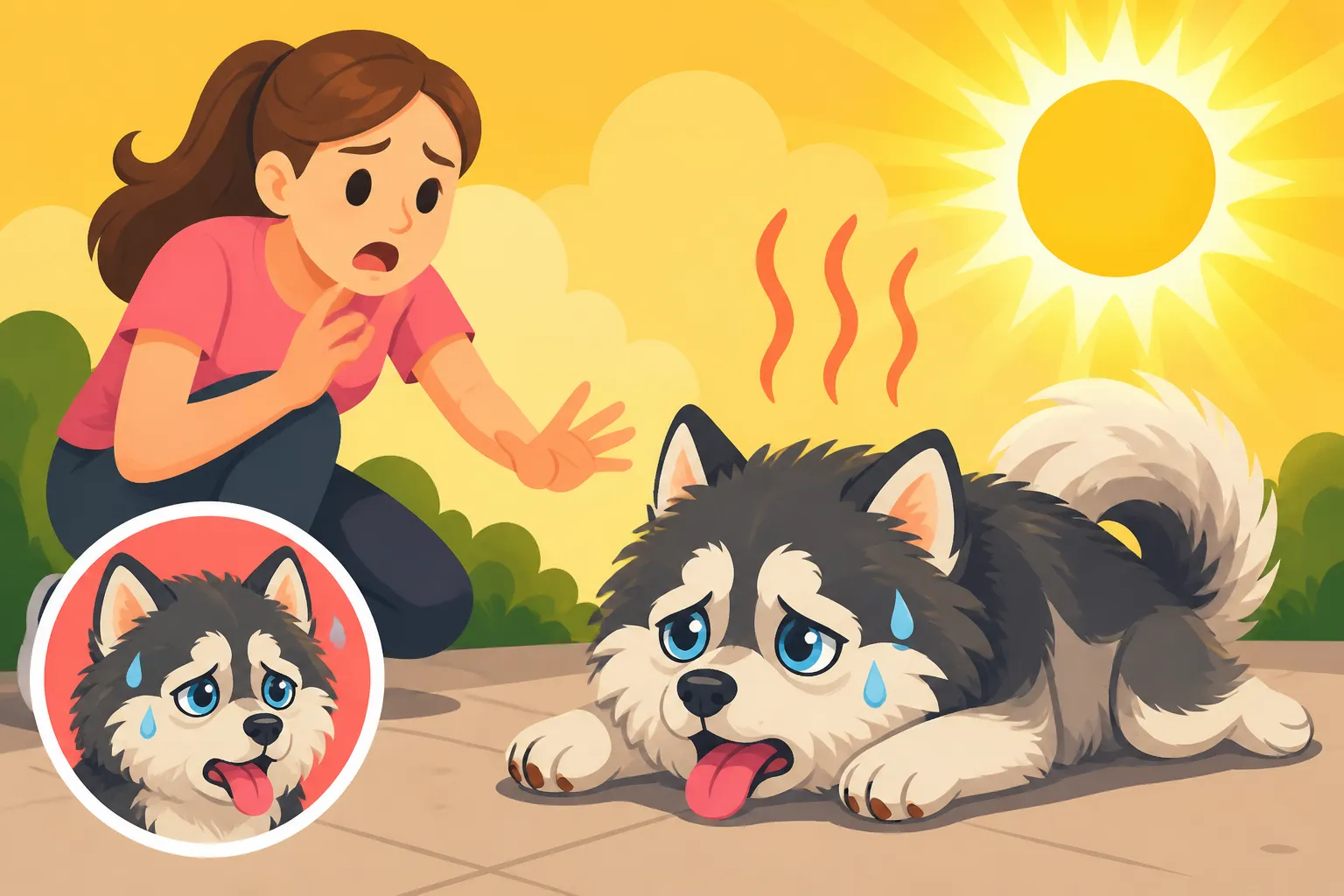
One of the first and most obvious signs that your Pomsky is getting too hot is a change in their panting. All dogs pant to cool down, but "excessive" panting is different. Look for panting that is much faster, harder, and louder than usual, even after stopping for a rest. It might sound strained or labored, and their chest will be heaving noticeably. Their breathing might seem shallow and rapid, or deep and gasping.
Coupled with excessive panting, you'll likely notice an increase in drooling. This isn't just a few drips; it might be copious, thick, and ropey saliva dripping from their mouth. This drooling is a sign their body is working overtime to evaporate moisture and cool down, but it's often a losing battle if the heat source isn't removed. If your Pomsky's usually expressive tongue is hanging out further than normal and looks wider or flatter, that's another indicator their body is trying to maximize surface area for cooling.
Behavioral Changes
Your Pomsky's demeanor can give you critical clues. A normally energetic dog might become sluggish, reluctant to move, or try to lie down repeatedly, even in the middle of a walk. They might appear disoriented, confused, or unusually quiet. If your Pomsky, who normally pulls on the leash or bounds ahead, is suddenly lagging behind, sniffing the ground without enthusiasm, or simply stopping and refusing to budge, pay close attention.
Some dogs might also seek shade frantically or try to burrow into cooler surfaces like grass or damp earth. Others might become unusually agitated, restless, or anxious, pacing or looking for an escape from the heat. This isn't just them being stubborn; it's their primal instinct kicking in, trying to find relief. Don't dismiss these changes as simple tiredness; on a hot day, they're a serious warning. You can help by ensuring they have Whether a Cooling Mat Helps a Pomsky at home for post-walk cool-downs.
Changes in Gait or Energy
As heat stress progresses, your Pomsky's physical movements will start to betray their discomfort. You might notice they are walking with less coordination, stumbling slightly, or showing a general weakness in their legs. Their normally springy gait might become stiff, wobbly, or hesitant. This loss of coordination can be very subtle at first, perhaps just a slight unsteadiness as they turn, or a reluctance to step up a curb.
Their energy levels will plummet. A Pomsky who usually has boundless energy might suddenly seem exhausted, even after a short walk. They might lose interest in toys or treats that usually excite them. This isn't just "being tired"; it's their body diverting all available energy to trying to cool down, leaving little left for normal activities. This is especially important when considering When to Walk a Pomsky in Summer — if they're already exhibiting these signs on a morning stroll, it's clear the heat is too much.
Advanced Symptoms of Heatstroke
When the early warning signs are missed or ignored, heat stress can rapidly escalate into full-blown heatstroke, a medical emergency that requires immediate and aggressive intervention. These advanced symptoms indicate that your Pomsky's internal temperature has risen to dangerous levels, causing systemic damage. Time is of the essence.
Vomiting and Diarrhea
As the body's core temperature climbs, internal organs begin to suffer, including the digestive system. One of the grave signs of heatstroke is gastrointestinal distress, manifesting as vomiting or diarrhea. The vomit might contain bile or even blood, and the diarrhea can be severe and bloody, a strong indicator of internal damage. This is a critical symptom because it leads to further dehydration, exacerbating the problem and making it even harder for the body to regulate temperature.
This isn't just an upset stomach from eating something questionable; it's a physiological response to extreme stress and organ failure. If your Pomsky starts vomiting or has diarrhea on a hot walk, or even shortly after returning home, you must treat it as an emergency and seek veterinary care immediately. These symptoms mean their body is in crisis.
Gums and Tongue Discoloration
Healthy dog gums are typically a moist, bubblegum pink. When a Pomsky is suffering from heatstroke, their gums and tongue can change dramatically in color and texture. They might become bright red or brick-red, indicating severe vasodilation (blood vessels widening) as the body attempts to dissipate heat. This is a very alarming sign of overheating.
In more severe cases, their gums can turn pale, grayish, or even bluish (cyanotic), signifying a lack of oxygen reaching the tissues. Their tongue might also look abnormally dark red or purple. The gums might also feel dry and sticky to the touch, which is another indicator of severe dehydration. Check these areas frequently on hot days. If you see these color changes, particularly the bright red or pale/blue, your Pomsky is in immediate danger.
Loss of Coordination or Collapse
As heatstroke progresses, the brain and nervous system are severely affected. This leads to profound neurological symptoms. Your Pomsky might become extremely disoriented, bumping into objects, or staggering as if drunk. Their movements will be uncontrolled, clumsy, and weak. They might have muscle tremors or even seizures, which are terrifying to witness and a sign of severe brain distress.
Ultimately, they may collapse entirely and become unresponsive, losing consciousness. Their eyes might glaze over, or they may appear dazed and vacant. If your Pomsky reaches this stage, they are in a critical state. Every second counts. This is not just fainting; it's a life-threatening medical emergency requiring immediate, professional veterinary attention. Any sign of Signs a Pomsky Is Overheating that includes collapse means you need to act right now.
Here's a quick reference table for identifying the severity of heat stress:
| Symptom Group | Early Heat Stress (Mild) | Advanced Heat Stress (Moderate) | Heatstroke (Severe) |
|---|---|---|---|
| Panting/Breathing | Faster than normal, slightly louder | Rapid, very loud, labored, noisy | Gasping, struggling for breath, shallow, irregular |
| Drooling | Increased, clear, perhaps stringy | Heavy, thick, ropy saliva | Very heavy, thick, sticky, foamy |
| Behavior | Seeking shade, reluctant to move, less playful | Anxious, restless, disoriented, sluggish, lying down | Staggering, stumbling, seizures, collapse, unresponsive |
| Gums/Tongue | Darker pink, moist | Bright red, dark red, sticky, dry | Pale, grey, blue, purplish, very dry, tacky |
| Body Temperature | Feels warm to touch | Very hot to touch | Extremely hot to touch, often above 104°F (rectal) |
| Other | Mild weakness | Vomiting, diarrhea | Bloody diarrhea, pinpoint hemorrhages, unconsciousness |
Immediate Actions to Take
If you suspect your Pomsky is experiencing heat stress or heatstroke, do not delay. Your rapid response can literally be the difference between life and death. The goal is to safely and gradually lower their core body temperature without causing shock.
Getting to Shade and Cooling Down
The very first thing you need to do is remove your Pomsky from the heat source. This means getting them into the shade immediately. If you're on a walk, find the nearest tree, building overhang, or even use your own body to cast a shadow over them. Do not force them to walk further in the sun. If they can't move, pick them up and carry them.
Once in the shade, start actively cooling them. The best way to do this is with water. Use cool (not ice-cold) water to wet their fur, focusing on the paws, belly, inner thighs, armpits, and neck. These areas have large blood vessels close to the surface, where cooling the blood can be most effective. You can use wet towels or cloths, gently wiping them down. If you have access to a garden hose with cool water, you can gently spray these areas. Avoid submerging them in cold water, as this can cause the blood vessels to constrict, trapping heat inside their body, or even trigger a dangerous shock reaction.
Offering Water (Carefully)
Once they are in a shaded, cooler spot and you've begun external cooling, offer them small amounts of cool, fresh water. Do not let them gulp down a large quantity of water quickly, especially if they are panting heavily or seem disoriented, as this can lead to vomiting or even water intoxication. Offer a few laps at a time, wait a minute, and then offer a little more.
If your Pomsky is unresponsive or struggling to swallow, do not force water into their mouth, as they could aspirate it into their lungs. If they're showing signs of severe disorientation or collapse, a few sips of water won't be enough to reverse the damage, and the priority shifts to getting them veterinary care while continuing external cooling. You can find portable water bowls on Chewy, which are invaluable for staying hydrated on walks.
Cooling Techniques
Beyond basic wetting, there are other techniques to help cool your Pomsky. If you have a fan, direct it towards them. The moving air helps accelerate the evaporative cooling process. Gently massaging their paws can also help encourage blood flow and heat dissipation.
Remember, the goal is gradual cooling. Check their temperature if you have a rectal thermometer, but don't obsess over it; simply focus on feeling their skin cool down. Once their panting starts to subside, and they seem a bit more alert, you can slow down the active cooling, but continue to monitor them closely. Avoid wrapping them tightly in wet towels once the towels become warm, as this can actually trap heat. Switch to fresh, cool towels frequently. Many pet owners swear by specialized cooling vests or bandanas, which you can often find on Amazon, for pre-emptive cooling.
Prevention Strategies for Hot Weather Walks
An ounce of prevention is worth a pound of cure, especially when it comes to heatstroke in Pomskies. By planning ahead and being mindful of environmental conditions, you can drastically reduce the risk to your furry friend.
Timing Your Walks Wisely
This is perhaps the most critical prevention strategy. Avoid walking your Pomsky during the hottest parts of the day. In most climates, this means steering clear of midday and early afternoon hours, typically between 10 AM and 4 PM. Instead, plan your walks for early mornings when the sun is just rising, or late evenings after the sun has set and the pavement has had a chance to cool down.
Even on overcast days, humidity can be a major factor. Remember, Whether a Pomsky Overheats More Than a Husky is a real concern, and humidity impairs their ability to cool by panting. Check the local weather forecast not just for temperature, but for humidity levels too. If both are high, even a seemingly mild temperature can be dangerous. Consider shorter, more frequent potty breaks rather than long strolls if the heat is relentless.
Essential Gear for Hot Weather
Just as you wouldn't go hiking without the right shoes, your Pomsky needs the right gear for hot weather outings. First and foremost, a good quality harness is essential, as it prevents pressure on their trachea, which can be sensitive, especially when panting hard. Why a Pomsky Should Wear a Harness details the many benefits.
Beyond that, consider specialized cooling gear. Cooling vests or bandanas, often infused with water-absorbing crystals, can help keep their core temperature down. Portable, collapsible water bowls are a must-have – many brands offer these, readily available from online retailers like Chewy or Amazon. Fill a water bottle or two with ice water to ensure your Pomsky has access to cool hydration. Don't forget paw protection; Whether Pavement Burns a Pomsky's Pads is a serious concern, and dog booties or paw wax can prevent painful burns on hot asphalt.
Hydration and Rest Stops
Always, always carry plenty of water for both you and your Pomsky. Offer water frequently throughout your walk, even if they don't seem overly thirsty. Small sips are better than large gulps. If your Pomsky isn't keen on plain water, consider adding a little dog-safe broth or even offering ice cubes (if they're not too hot and gulping) as a treat to encourage hydration. Brands like Ollie offer fresh food options that naturally contain higher moisture content, which can contribute to overall hydration.
Plan your routes to include shaded areas where you can take regular rest stops. Sit down, let your Pomsky relax, and offer water. Don't push them to keep going if they show any signs of slowing down. If you're going to a park, choose one with trees and water fountains, or where you know you can easily find shade. Keep an eye on the clock; shorter, more frequent breaks are often better than one long one, especially if your Pomsky is prone to overexertion.
When to Seek Veterinary Help
Knowing when to call it quits on home remedies and get professional help is crucial. Heatstroke is a medical emergency, and delays can have severe, lasting consequences, including organ damage or death.
Recognizing an Emergency
If your Pomsky exhibits any of the advanced heatstroke symptoms—such as persistent vomiting, bloody diarrhea, pale or blue gums, seizures, or collapse—it's an absolute emergency. Do not wait to see if they improve. Even if they appear to rally slightly after initial cooling, internal damage could still be occurring. Call your veterinarian immediately while you are actively cooling your dog.
Describe their symptoms clearly and concisely, and tell them you suspect heatstroke. This allows the clinic to prepare for your arrival, potentially saving critical minutes. Don't feel embarrassed or over-dramatic; a vet would much rather you bring in a slightly overheated dog than one suffering from irreversible heatstroke. They are the best resource for guidance on What Actually Kills Most Pomskies and protecting against it.
Preparing for the Vet Visit
While you're on the way to the vet, continue your cooling efforts. Keep applying cool, wet cloths to their pressure points, and ensure there's good airflow in the car, ideally with the air conditioning on full blast. If possible, have someone else drive so you can focus on your Pomsky.
Gather any relevant information you might have, such as the exact time you noticed symptoms, how long you were out, the ambient temperature, and what cooling measures you've already taken. This information will be invaluable to the veterinary team in assessing your Pomsky's condition and determining the best course of treatment. Remember, even after reaching the vet, your Pomsky will likely need intensive care, including IV fluids, monitoring of vital signs, and potentially medication to manage complications.
Post-Incident Monitoring
Even after a trip to the vet and apparent recovery, your Pomsky will need careful monitoring for several days. Heatstroke can cause delayed complications, including kidney failure, liver damage, neurological problems, and blood clotting disorders. Your vet will advise you on specific post-care instructions, which may include special diets, medications, and restricted activity.
Be vigilant for any lingering signs of lethargy, changes in appetite or thirst, continued gastrointestinal upset, or unusual behavior. Attend all follow-up appointments your vet recommends, as they may need to run further tests to check organ function and ensure there are no long-term consequences. Prevention remains key; once a dog has suffered heatstroke, they are often more susceptible to it in the future. Learning Whether a Pomsky Can Live in a Hot State requires a realistic understanding of these risks.
Disclaimer
This article is for general informational purposes only and does not constitute professional advice. Laws, prices and regulations vary by location and change over time. Consult a qualified professional for guidance on your specific situation.