Whether a Pomsky Puppy’s Fluff Predicts the Adult Coat
It’s a common moment for new Pomsky parents: you bring home that adorable, fluffy little bundle, marveling at their soft puppy fur, and then the nagging question starts. Will this gorgeous fluff last? Or will your Pomsky's adult coat be a completely different story, leaving you wondering if you'll ever truly know what you're getting until it's too late? This guide is here to walk you through the fascinating, sometimes frustrating, journey of your Pomsky puppy's coat development, helping you understand what to expect and how to prepare for its magnificent, ever-changing fur.
The Puppy Fluff Paradox: Why It's Hard to Predict
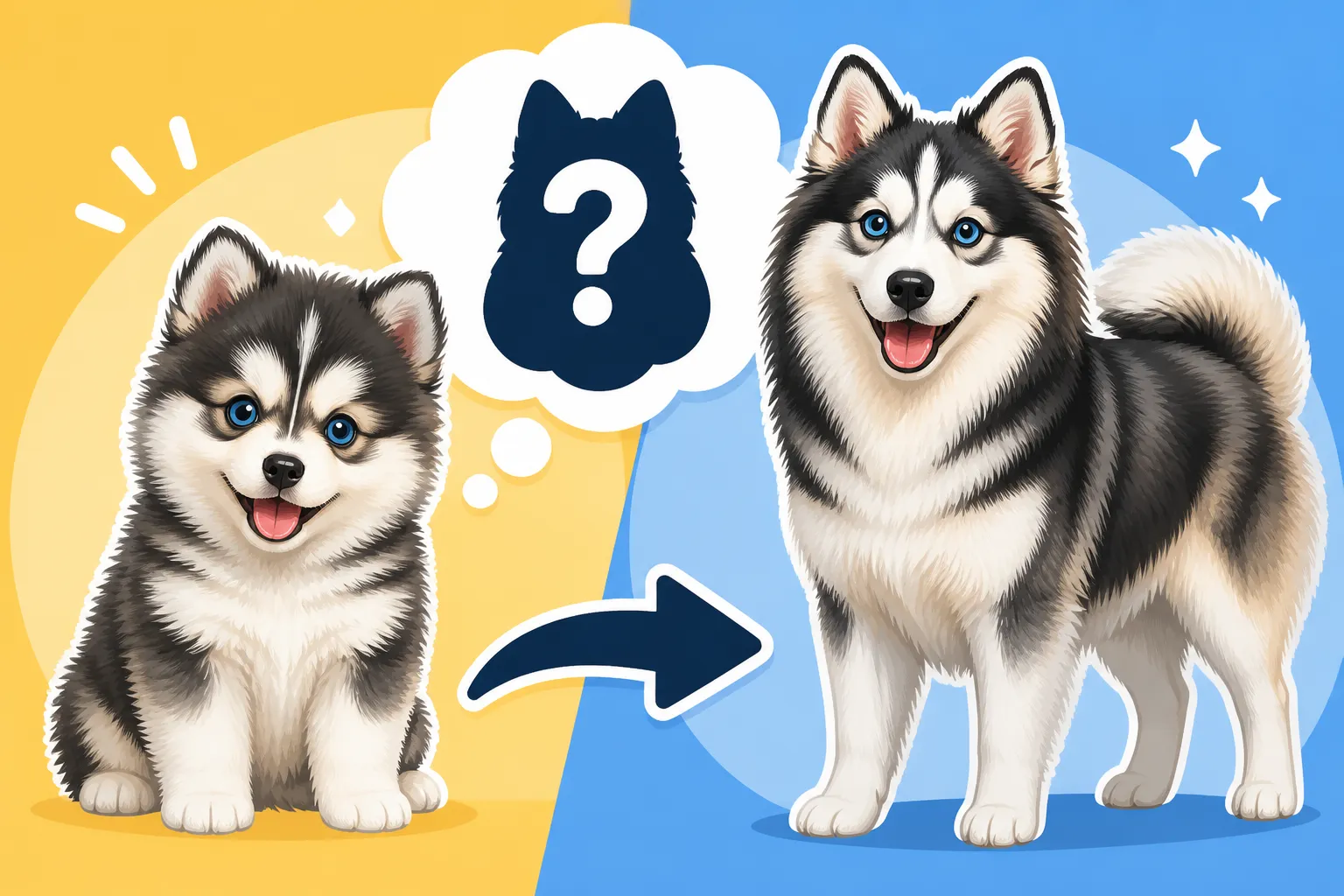
When you first bring home your tiny Pomsky, they are a cloud of soft, downy puppy fluff. It’s irresistibly soft, often a uniform texture, and it’s one of the things that makes them so incredibly cute. However, this early coat is very rarely an accurate preview of what your Pomsky’s adult fur will actually look like or how it will behave. Many new owners feel a pang of anxiety, hoping that the soft, manageable coat they have now will last, or conversely, worrying if the sparse patches will ever fill in. It's a true paradox – the very cuteness of the puppy coat can set up unrealistic expectations for the future.
The Genetic Lottery of a Hybrid Coat
The truth is, predicting your Pomsky’s adult coat from its puppy fluff is a bit like trying to predict a lottery outcome – there are too many variables! Remember, a Pomsky is a hybrid of a Siberian Husky and a Pomeranian, and both breeds have distinct double coats. The Husky’s coat is dense, medium-length, and weather-resistant, while the Pomeranian’s is known for its profuse, stand-off quality. Your Pomsky gets a random genetic draw from both parents, and this means their puppy coat is just an initial placeholder.
This genetic mix makes it incredibly difficult to tell whether your puppy will lean more towards the Husky’s sleek density or the Pomeranian’s fluffiness. Will they have long guard hairs, a thick wooly undercoat, or something in between? The puppy coat doesn’t reveal these secrets. It’s often a softer, single layer of fur that lacks the full structure and density of an adult double coat. So, if you’re looking at your tiny fluffball and feeling a bit lost about what’s to come, you are not alone. It’s a common frustration that many Pomsky owners share, and it’s entirely due to the wonderful, unpredictable nature of hybrid vigor.
Different Coat Types: A Spectrum, Not a Single Outcome
As your Pomsky grows, their coat will gradually develop into one of a few recognized types, moving far beyond that initial puppy fluff. It’s not a one-size-fits-all scenario; Pomskies present a spectrum of coat variations, all influenced by their genetic inheritance. Generally, you’ll see Pomskies develop into what breeders often categorize as:
- Standard Coat: This is arguably the most common and often resembles a miniature Husky coat. It features a medium-length, dense outer coat of guard hairs and a thick, soft undercoat. It’s designed for weather protection and usually has a smooth, sleek appearance.
- Wooly Coat: This type takes more after the Pomeranian side, with longer, softer, and much thicker fur that has a more "fluffy" or "wooly" appearance. While absolutely stunning, this coat type is also known for being more prone to matting and requires significantly more grooming. Many owners adore the look but underestimate the daily commitment needed to maintain it. You can learn more about its upkeep in The Wooly Pomsky Coat and Its Upkeep.
- Short/Plush Coat: Sometimes referred to as a "plush" coat, this is on the shorter end of the spectrum, still a double coat but with less length and volume than the standard or wooly types. It might look less dramatic but still sheds!
The puppy fluff you see initially doesn't clearly indicate which of these your dog will have. The texture, length, and density of the adult guard hairs and the depth of the undercoat are all things that develop over months. It's a developmental process, and while a very fluffy puppy might lean towards a wooly coat, it's not a guarantee. Often, the soft fluff of a young puppy gives way to a coarser, more robust adult coat, even for those with what's called a standard coat. Many breeders note that Whether a Pomsky's Coat Type Shows at Eight Weeks is incredibly difficult to determine with certainty.
When the Magic Happens: Tracking Coat Development
The transformation from puppy fluff to adult coat is a journey, not a sprint. It’s often during their "teenage" months that you’ll really start to see the changes take shape. This period can be a bit messy, both physically (hello, shedding!) and emotionally (where did my fluffy baby go?!), but it’s a vital part of their development. Understanding this timeline can help you manage expectations and prepare for the grooming demands to come.
The Awkward Teenage Phase: Shedding the Puppy Coat
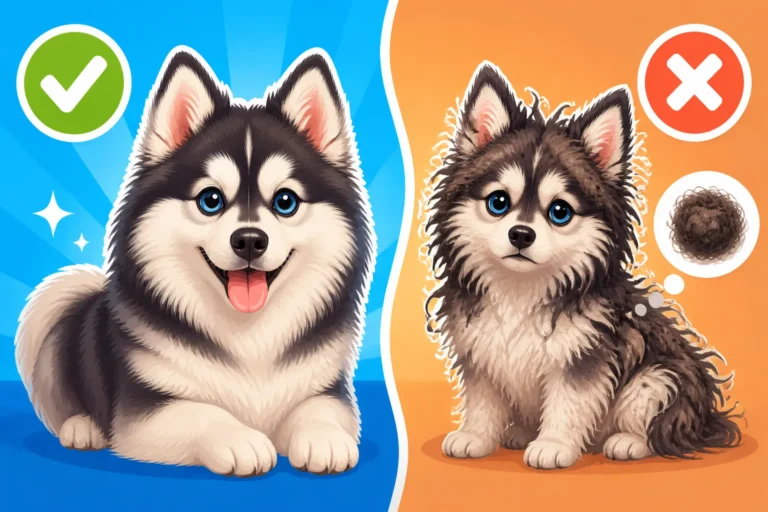
Around four to twelve months of age, your Pomsky puppy will begin a process often referred to as "blowing their puppy coat." This isn't just a little extra shedding; it's a significant event where the soft, baby fur is replaced by the more structured and dense adult double coat. It can be a surprising amount of hair for such a small dog! You might notice clumps of fur coming off, a generally scruffy appearance, and a house suddenly covered in wisps of dog hair.
During this phase, your Pomsky can look a bit disheveled, even awkward. The guard hairs might start to poke through, giving the coat a two-tiered look, and the underlying new undercoat will begin to thicken. This is completely normal and a sign of healthy development. Don't panic if your perfectly groomed puppy suddenly looks like they've had a bad hair day every day for a few weeks. It's simply their body getting ready for their magnificent adult coat. This "blowout" phase will prepare you for the bi-annual shedding events they'll have as adults, as covered in Whether a Pomsky Blows Its Coat Twice a Year. It’s a real commitment to clean up all that fur, but it's part of the Pomsky experience!
Observing Key Indicators Over Time
As your Pomsky transitions out of its puppy coat, you can start looking for specific indicators that will give you a better idea of their future adult coat type. This is less about prediction and more about observation as the changes become undeniable.
- Density: Feel their coat down to the skin. Does it feel like a thin layer, or is there a noticeable thickness building up? A dense undercoat is a hallmark of a true double-coated Pomsky, often Whether a Pomsky's Undercoat Is Husky Dense.
- Length of Guard Hairs: Observe the individual strands of fur. Are they remaining soft and long like cotton, or are tougher, coarser guard hairs emerging? These longer, stiffer hairs form the protective outer layer of their double coat.
- Texture: The overall feel of the coat will change. Puppy fluff is universally soft. An adult coat will likely have a different texture, ranging from the smooth silkiness of a standard coat to the plush feel of a wooly coat.
- Undercoat Presence: Try to gently part the fur. Can you see a distinct, softer layer of downy fur beneath the coarser outer layer? This is the undercoat, and its thickness will be a huge indicator of shedding and grooming needs.
- Color Changes: Don't be surprised if your Pomsky's color shifts or deepens as the adult coat comes in. A puppy that looked gray might become a striking silver and white, or a reddish tint might emerge. Whether a Pomsky's Color Changes as It Grows is a common phenomenon many owners observe.
These changes won't happen overnight. It's a gradual process, often taking until your Pomsky is 12-18 months old to fully settle into their adult coat. Even then, slight changes in density can occur with age and seasonal cycles. Be patient, observe closely, and enjoy the transformation!
| Characteristic | Puppy Fluff Stage | Emerging Adult Coat Stage | Fully Developed Adult Coat (Example) |
|---|---|---|---|
| Texture | Uniformly soft, downy, cotton-like | Mix of soft fluff and coarser new hairs | Defined outer guard hairs, dense soft undercoat |
| Density | Relatively sparse, single layer feel | Increasing thickness, patchy at times | Very dense double coat |
| Length | Shorter, uniform | Variable as new hairs grow in | Varies by coat type (standard, wooly, plush) |
| Color | Often lighter, muted | May deepen or shift slightly | Richer, more defined markings |
| Grooming Needs | Minimal, light brushing | Moderate, focused on shedding puppy fur | Significant, regular brushing for density |
| Shedding | Very light to moderate | Heavy "blowout" of puppy coat | Seasonal heavy shedding, year-round light |
Managing the Transition: Grooming for the Future Coat
Regardless of what your Pomsky’s adult coat eventually looks like, one thing is for certain: it will be a double coat, and it will require consistent grooming. The habits you establish during their puppy and adolescent phase will set the stage for a lifetime of easier grooming. Don't wait until the adult coat is fully in to start; proactive care is key to managing shedding, preventing mats, and keeping their skin healthy.
Essential Tools for Every Coat Type (Even the Undecided Ones)
Even if you’re still unsure whether your Pomsky will sport a sleek standard coat or a voluminous wooly one, there are fundamental tools you’ll need in your grooming arsenal. Investing in quality tools early will make the transition smoother for both you and your pup.
- Undercoat Rake: This is arguably the most crucial tool for a double-coated Pomsky. It's designed to reach deep into the undercoat and pull out loose, dead fur without damaging the guard hairs. During their puppy coat blowout, and later during seasonal sheds, this tool will be your best friend. Many experienced Pomsky owners consider The Undercoat Rake a Pomsky Owner Lives With a non-negotiable item. You can find excellent options on Amazon or specialized pet supply sites.
- Slicker Brush: Great for removing loose topcoat hair and helping to detangle any surface mats, especially useful for wooly-coated Pomskies. Always use a gentle hand to avoid "brush burn" on their sensitive skin.
- Metal Comb: A good quality, sturdy metal comb with both wide and fine teeth is indispensable for checking your work after brushing and for tackling small mats or tangles around the ears, legs, and tail.
- Force Dryer (High-Velocity Dryer): While an investment, a force dryer can dramatically reduce shedding and drying time after baths. It literally blows out the loose undercoat, which is something a regular hairdryer simply can't do. It’s a game-changer for maintaining a double coat and preventing skin issues by ensuring they are completely dry to the skin.
- Shampoos and Conditioners: Choose formulas specifically designed for double-coated breeds. Look for deshedding shampoos during blowout seasons. You can find a wide range of suitable products on Chewy that cater to different coat and skin needs.
Establishing a Routine for a Healthy Adult Coat
Getting your Pomsky puppy accustomed to grooming early is invaluable. Positive experiences with brushing, bathing, and even nail trims will make future grooming sessions much less stressful for everyone.
Start with short, positive brushing sessions several times a week, even when they're just tiny fluffballs. Use treats, praise, and gentle handling to make it enjoyable. As they approach their first major coat blow, you'll need to increase the frequency of brushing to daily sessions, sometimes even twice a day, to prevent matting and manage the shedding. For wooly-coated Pomskies, daily brushing quickly becomes a necessity, especially behind the ears, armpits, and leg feathering, where mats tend to form first.
Bathing frequency will depend on your Pomsky's activity level and coat type, but generally, a bath every 4-8 weeks is a good starting point, adjusting as needed. Always ensure you thoroughly dry their double coat down to the skin after a bath, especially the undercoat. A damp undercoat can lead to skin irritation and hot spots. Never shave your Pomsky's double coat, as it can ruin its natural insulation and regrowth, a topic deeply explored in Whether Shaving a Pomsky Ruins the Coat Forever. Instead, focus on removing dead undercoat with proper tools and techniques. Establishing these routines early, long before their adult coat fully settles in, will save you a lot of headache and ensure your Pomsky remains comfortable and mat-free.
Setting Realistic Expectations and Embracing the Pomsky's Uniqueness
The journey from a fluffy Pomsky puppy to a glorious adult dog with a magnificent double coat is truly special. It’s a time of discovery, of learning about your dog’s unique needs, and often, of adjusting your own expectations. Embracing the changes and appreciating the unique qualities of your Pomsky's coat will lead to a more fulfilling experience for both of you.
The Beauty of the Unknown: Accepting Coat Variation
One of the most charming, yet sometimes challenging, aspects of owning a Pomsky is their inherent variability. Even within the same litter, you might see puppies grow up to have vastly different coat types, lengths, and densities. This is the beauty of the hybrid; each Pomsky is truly an individual masterpiece. You might have envisioned a miniature Husky with sleek, short fur, only to find yourself with a gorgeous, fluffy "wooly" Pomsky. Or perhaps you worried about excessive fluff, and your dog developed a neat, standard coat.
The key is to let go of any rigid expectations you might have had based on their puppy pictures or even their earliest puppy fluff. Instead, lean into the delightful surprise of what your Pomsky's adult coat becomes. It's an opportunity to appreciate their unique genetic makeup and the blend of characteristics they've inherited from both the Siberian Husky and the Pomeranian. The question of The Pomsky That Carries a Husky Coat at Twenty Pounds perfectly captures this blend of expectation and reality in a small package.
The Long-Term Commitment: Caring for Any Pomsky Coat
Regardless of whether your Pomsky develops a standard, wooly, or short plush coat, one truth remains: a double-coated Pomsky requires a significant, long-term grooming commitment. There's no escaping the shedding, the need for regular brushing, and the occasional bath to maintain skin and coat health.
Even the shortest double coats shed, and those with denser, wooly coats will demand more frequent attention to prevent painful mats. Understanding this commitment from the outset, rather than being surprised by it, is crucial for a happy household. Investing in a good vacuum cleaner (if you haven't already!), high-quality grooming tools, and perhaps even professional grooming sessions during heavy shedding periods will be part of your routine. Companies like Ollie offer fresh dog food options that can contribute to overall health, including skin and coat condition, which is vital for a double-coated breed. Remember, a healthy coat starts from within, with good nutrition and a consistent care routine. Whether it's managing seasonal blowouts, as explored in How Long a Pomsky Blowout Takes to Finish, or simply maintaining their everyday luster, your Pomsky's coat will be a constant, rewarding project.
Disclaimer
This article is for general informational purposes only and does not constitute professional advice. Laws, prices and regulations vary by location and change over time. Consult a qualified professional for guidance on your specific situation.