Whether Bathing Speeds Up a Pomsky’s Blowout
The endless battle with Pomsky hair during a "blowout" season can feel like a losing fight, leaving your home looking like a perpetual snow globe of fur. You might wonder if there's a secret weapon, a magic bullet, to get all that dead hair out faster, and often, a bath comes to mind. This guide will dive deep into whether a bath truly speeds up a Pomsky's blowout or merely helps manage the shedding storm, giving you actionable strategies to keep your sanity (and your floors) intact.
Understanding the Pomsky's Double Coat and Its Shedding Cycle
Before we talk about baths, we really need to get to know that magnificent, albeit sometimes maddening, coat your Pomsky sports. It's a marvel of canine engineering, perfectly designed for protection, but it comes with its own unique challenges when it decides to shed.
The Anatomy of a Pomsky's Double Coat
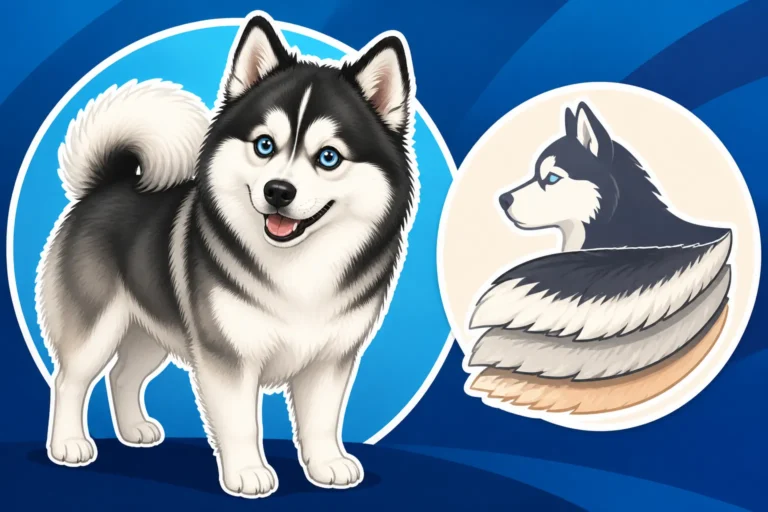
Your Pomsky inherited a beautiful and dense double coat, a trait directly from both the Siberian Husky and the Pomeranian. This isn't just one layer of hair; it's two distinct ones, each with its own job. The outer layer consists of guard hairs – these are longer, coarser, and provide protection from the elements, like rain, snow, and even harsh sunlight. They're like the waterproof jacket.
Beneath this lies the undercoat, a soft, fluffy, incredibly dense layer of shorter hairs. This is your Pomsky's insulation layer, keeping them warm in winter and actually helping to keep them cool in summer by trapping air. Think of it as a built-in thermostat. The sheer volume of this undercoat is what makes Pomsky shedding such an epic event. When it's healthy, this double coat is truly stunning, but when it starts to let go, it can be quite a thing to behold. The Pomsky That Carries a Husky Coat at Twenty Pounds gives you a deeper look into this incredible feature.
What Exactly is a "Blowout"?
The term "blowout" is no exaggeration for Pomsky owners. It's not just regular shedding; it's an intensified, often dramatic, period where your dog sheds a significant portion of their undercoat. Most Pomskies will experience two major blowouts a year, typically in spring as they prepare for warmer weather and again in the fall to make way for a thicker winter coat. Whether a Pomsky Blows Its Coat Twice a Year goes into more detail on the timing of these events.
During a blowout, the old, dead undercoat detaches from the hair follicles, ready to be released. This process can last for several weeks, and trust me, you'll know when it's happening. You'll find tumbleweeds of fur in every corner of your house, and every petting session will yield a handful of fluffy white (or black, or red, or gray!) hair. It's a natural biological process, but it certainly tests a pet parent's patience.
Why the Shedding Feels Overwhelming
Let's be real: living with a Pomsky means living with hair. But during a blowout, it reaches an entirely new level. The sheer volume of hair that comes off these dogs is astounding, especially considering their often compact size. It gets everywhere – on your clothes, your furniture, in your food (sometimes!), and even floats through the air. You might brush for what feels like hours, only to turn around and see more fur already accumulating.
This isn't just annoying; it can be genuinely frustrating and a little disheartening. You clean, you brush, you vacuum, and still, the fur persists. It can make you feel like you're constantly fighting a losing battle, and it's perfectly normal to feel overwhelmed by it. The constant presence of hair can impact everything from your daily cleaning routine to what clothes you feel comfortable wearing out of the house. Understanding why it feels so overwhelming is the first step to finding peace with it – or at least finding better ways to manage it.
How Bathing Can Influence a Pomsky's Blowout
So, you're knee-deep in fur, and you're wondering if a good bath can just wash all that dead hair away. The answer, thankfully, is a resounding "yes, but it's more nuanced than just a quick rinse." Bathing can be a powerful tool in your blowout management arsenal, but it needs to be done strategically.
The Mechanism of a Deshedding Bath
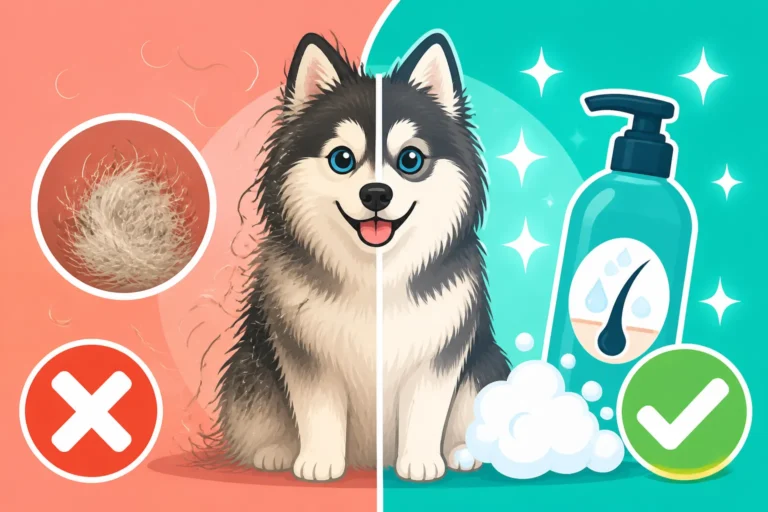
A true deshedding bath is more than just getting your Pomsky wet and lathering up. It's a multi-step process designed specifically to help release that stubborn, detached undercoat. Warm water is key here; it helps to relax the hair follicles and open the pores, making it easier for the dead hair to slide out. Specialized deshedding shampoos and conditioners are formulated with ingredients that help to loosen and lubricate the coat, allowing those dead hairs to be worked free more easily.
But here's the real game-changer: the high-velocity dryer. After a thorough shampoo and rinse (and we're talking thorough – you want to make sure every last bit of product is out!), a powerful force dryer literally blasts the water out of the coat, and with it, an incredible amount of loose undercoat. It's like a hurricane for fur, and you'll be amazed at the sheer volume of hair that comes off. This isn't just drying; it's actively "blowing out" the coat. Whether a High Velocity Dryer Blows Out a Pomsky Faster highlights just how effective these tools can be.
The Difference Between a Regular Bath and a Deshedding Protocol
Many people think any bath will do the trick, but there's a world of difference between a regular bath to clean a dirty dog and a targeted deshedding protocol. A regular bath might remove some surface grime and a little loose hair, but it won't penetrate that dense undercoat effectively enough to truly accelerate a blowout. You might still find yourself with copious amounts of shedding afterward, feeling like you wasted your time.
A proper deshedding protocol involves several key steps:
- Pre-brushing: Before any water touches your Pomsky, a good 15-30 minute brush session with an undercoat rake can remove a surprising amount of loose fur right away.
- Specialized Products: Using a quality deshedding shampoo followed by a deshedding conditioner. These products are designed to reduce shedding by loosening the undercoat. Brands like those found on Chewy or Amazon often carry specific lines for double-coated breeds.
- Soaking and Massaging: Allowing the shampoo to sit for a few minutes, followed by a vigorous massage to work the product deep into the undercoat and further loosen hair.
- Thorough Rinsing: This is critical! Any shampoo or conditioner left in the coat can irritate the skin and actually lead to more shedding or skin issues. You need to rinse until the water runs clear and the coat feels squeaky clean. Shampoos That Suit a Pomsky's Double Coat can help you choose the right products.
- High-Velocity Drying: As mentioned, this is where the magic happens. The force dryer pushes out water and dead hair, essentially doing the work of hours of brushing in a fraction of the time.
Without these specific steps, especially the powerful drying, a bath during a blowout can actually make matters worse by matting the loose hair in the undercoat if not thoroughly dried.
Practical Steps for an Effective Deshedding Bath at Home
Taking on a deshedding bath at home can be a bit of an undertaking, but it's absolutely doable with the right tools and approach. Here’s a step-by-step guide to tackling that fur tsunami:
- The Pre-Brush is Non-Negotiable: Seriously, do not skip this. Use a good The Undercoat Rake a Pomsky Owner Lives With to pull out as much loose hair as you can before the bath. This prevents mats from forming once the coat gets wet and makes the entire process smoother. You'll be surprised how much fur you get off even before the water starts.
- Gather Your Supplies: Have everything ready: your chosen deshedding shampoo and conditioner (read the labels for double coats!), plenty of towels, a high-velocity dryer if you have one, and your brushes. You can find excellent options for grooming tools and products on sites like Chewy or Amazon.
- Wet Thoroughly and Shampoo Deeply: Get your Pomsky completely soaked to the skin. This can take some time with their dense coat. Apply the shampoo, working it in with your fingers, massaging gently but firmly to reach all parts of the undercoat. Let it sit for the recommended time, then rinse, rinse, rinse! Repeat with conditioner if desired, and again, rinse until you think you've rinsed enough, then rinse some more. How Often a Pomsky Should Be Bathed can give you an idea of frequency.
- The Drying & Brushing Marathon: If you have a high-velocity dryer, use it! It's worth every penny for a double-coated breed. Start at one end of your dog and systematically blow the water (and hair!) out. Brush as you go, using your slicker brush and then an undercoat rake to ensure you're getting deep into the coat. If you don't have a force dryer, use towels to absorb as much water as possible, then use a regular hairdryer on a cool setting, constantly moving it to prevent burning the skin. Crucially, your Pomsky needs to be completely dry to the skin. Any dampness left in that dense undercoat can lead to skin irritation or worse, hot spots. Drying a Pomsky to the Skin is an important read.
Remember, patience is key. This isn't a five-minute job, especially during a blowout. But the effort you put in now will save you a lot of sweeping and lint-rolling later.
Managing Expectations: What Bathing Can and Cannot Do
It's easy to think a deshedding bath will instantly solve all your shedding woes, but it's important to have realistic expectations. While incredibly effective, it's not a magical cure-all, and it works best as part of a consistent grooming routine.
Bathing Accelerates Release, Not the Cycle
Here's the crucial distinction: bathing, particularly with a force dryer, dramatically accelerates the release of the dead undercoat that's already ready to shed. It helps you get weeks' worth of shedding out in a concentrated grooming session. This means fewer daily tumbleweeds and a much cleaner house for a period. How Much Undercoat Comes Off a Pomsky during one of these sessions can be truly astonishing.
However, bathing does not stop or shorten the natural shedding cycle itself. Your Pomsky's body will continue its biological process of replacing old hair with new. So, while you've bought yourself a good stretch of reduced shedding, it's not a permanent end to fur. Think of it as hitting the "fast forward" button on the shedding process for a day, rather than the "stop" button.
The Role of Consistent Grooming Beyond Bathing
While a deshedding bath is potent, it's most effective when combined with a consistent daily or every-other-day brushing routine. During a blowout, you simply cannot brush too much. Using the right tools, like an undercoat rake and a slicker brush, helps to continually pull out the loose hairs before they have a chance to migrate onto your couch. Whether Any Brush Keeps Up With a Pomsky is a common question, and the answer is usually a combination of tools and diligence!
Even outside of major blowouts, regular brushing helps keep the coat healthy and minimizes year-round shedding. Remember, consistent preventative maintenance is always easier than crisis management. If you're finding it too much to handle at home, don't hesitate to seek out a professional groomer who specializes in double-coated breeds. They have the expertise and the powerful equipment to manage even the most epic blowouts.
Potential Pitfalls and Considerations
While bathing is beneficial, there are a few things to keep in mind to ensure you're doing it safely and effectively:
- Over-bathing and Skin Dryness: Bathing too frequently can strip your Pomsky's skin of its natural oils, leading to dryness, itchiness, and irritation. During a blowout, one good deshedding bath might be enough, followed by diligent brushing. Consult with your vet or a professional groomer if you're unsure about the optimal frequency for your individual dog.
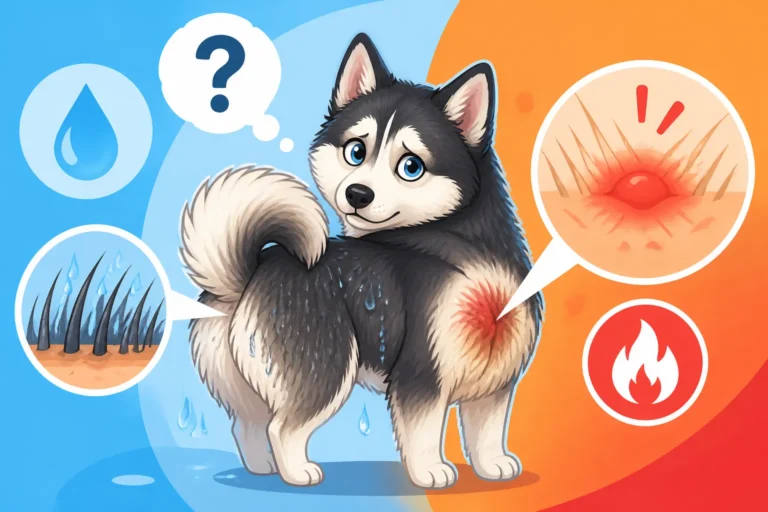
- Improper Drying Leads to Trouble: This is probably the biggest pitfall. If a dense double coat is not completely dried to the skin, moisture can get trapped, creating a perfect breeding ground for bacteria and yeast. This can quickly escalate into hot spots, fungal infections, or severe skin irritation. This is why a high-velocity dryer is such a game-changer and why Whether a Damp Pomsky Undercoat Causes Hot Spots is a critical point of concern for double-coated breeds.
- Stress for the Dog: Not all Pomskies love baths or the loud noise of a force dryer. If your dog finds the process incredibly stressful, it might not be worth the benefits of a home deshedding bath. Consider professional groomers who are adept at handling anxious dogs and have specialized quiet dryers or techniques. Building positive associations with grooming from a young age is always helpful for Raising a Pomsky Puppy.
| Feature | Regular Bath | Deshedding Bath Protocol |
|---|---|---|
| Primary Goal | Clean and freshen the coat | Actively remove loose undercoat and minimize shedding |
| Products Used | Standard dog shampoo/conditioner | Specialized deshedding shampoo/conditioner (e.g., Chewy) |
| Brushing | Minimal pre-bath, maybe some during/after | Extensive pre-bath, continuous during drying |
| Drying Method | Towel dry, air dry, or light hairdryer | High-velocity force dryer is critical |
| Time Investment | 30-60 minutes | 1.5 – 3 hours (depending on size/coat density) |
| Effect on Blowout | Minimal release, might clump loose hair | Significant, concentrated release of dead hair |
| Risk of Hot Spots | Moderate, if not thoroughly dried | High, if not completely dried to the skin with force air |
Complementary Strategies for a Manageable Blowout
While a well-executed deshedding bath is a powerful weapon against the fur storm, it’s just one piece of the puzzle. A holistic approach that includes nutrition, environmental management, and knowing when to call in the professionals will give you the best chance at keeping your home (and your sanity) intact during a Pomsky blowout.
Nutrition and Coat Health
You might not immediately connect what's in your dog's bowl to the amount of hair on your floor, but nutrition plays a significant role in coat health and, by extension, shedding. A healthy coat is less likely to shed excessively (outside of natural blowouts) and will grow back stronger.
Look for high-quality dog foods that list real meat as the first ingredient and are rich in Omega-3 and Omega-6 fatty acids. These essential fatty acids are vital for skin and coat health, helping to keep hair follicles strong and reducing excessive dryness or breakage that can contribute to shedding. Brands like Ollie, known for their fresh, human-grade ingredients, often focus on balanced nutrition that supports overall health, including a lustrous coat. Adding a fish oil supplement can also provide an extra boost of these beneficial omegas. Always discuss any dietary changes or supplements with your veterinarian to ensure they are appropriate for your Pomsky.
Environmental Management
Let's face it: even with the best grooming, some Pomsky hair will inevitably escape. So, managing your home environment is crucial during a blowout.
- Vacuuming is Your New Hobby: Invest in a good vacuum cleaner designed for pet hair. You'll be using it frequently – possibly daily – during peak shedding times. Robot vacuums can be a lifesaver for continuous maintenance, picking up those daily tumbleweeds before they multiply. What a Pomsky's Shedding Does to a House really hits home why this is so important.
- Lint Rollers Everywhere: Keep lint rollers in strategic locations: by the front door, in your car, near your favorite armchair. They're indispensable for quick clean-ups on clothes and furniture.
- Protective Covers: Consider washable slipcovers for your couches and beds. They can save your furniture from becoming permanently fur-lined and are much easier to toss in the wash than trying to de-fur upholstery.
- Air Purifiers: While they won't stop the shedding, air purifiers with HEPA filters can help capture airborne dander and fine hairs, improving air quality and reducing the amount of fur settling on surfaces.
Seeking Professional Help
Sometimes, despite your best efforts, the blowout is just too much. That's when professional help becomes invaluable.
- Professional Groomers: A skilled groomer who specializes in double-coated breeds has access to industrial-strength high-velocity dryers, specialized bathing systems, and years of experience. They can perform a thorough deshedding treatment that might be far more effective and less stressful for both you and your Pomsky than attempting it at home. They also know how to properly handle and brush a Pomsky's coat to prevent damage, something to keep in mind because Why a Pomsky Must Never Be Shaved.
- Veterinary Consultation: If your Pomsky's shedding seems abnormal, is accompanied by skin irritation, excessive scratching, bald patches, or changes in coat texture, it's time to visit your veterinarian. Excessive shedding can sometimes be a sign of underlying health issues, allergies, or nutritional deficiencies. Conditions like Zinc Responsive Dermatosis in a Pomsky or even hormonal imbalances can affect coat health and shedding patterns. Your vet can rule out medical causes and recommend appropriate treatments or dietary adjustments.
By combining diligent home care with professional support when needed, you can successfully navigate even the most intense Pomsky blowouts, ensuring your furry friend stays healthy and happy, and your home remains (relatively) fur-free.
Disclaimer
This article is for general informational purposes only and does not constitute professional advice. Laws, prices and regulations vary by location and change over time. Consult a qualified professional for guidance on your specific situation.