Whether a Pomsky Runs With a Jogger
Oh, the dream! You've got this energetic, adorable furball, and you picture yourself hitting the trails together, strides in sync, both getting that healthy dose of fresh air and exercise. It's a beautiful image, and for many dog owners, sharing their passion for running with their canine companion is a huge part of their bond. But when that companion is a Pomsky, a breed known for its stunning looks and spirited personality, the question "Can my Pomsky really keep up with me on a jog?" isn't just about desire; it's about responsible pet ownership. This guide is going to dive deep into the realities of what it means to jog with a Pomsky, exploring their unique physical makeup, potential health hurdles, and how you can safely and happily exercise with your fluffy best friend, even if long-distance running isn't in their cards.
Understanding Your Pomsky's Athletic Potential and Limitations
It's easy to look at a Pomsky and see a miniature Husky, all ready for action. And sometimes, you'd be right! But that's only half the story. The Pomsky is a true mixed bag of genetics, pulling traits from both the Siberian Husky and the Pomeranian. Understanding these foundational breeds is key to figuring out your individual Pomsky's jogging capabilities.
The Husky Influence: Endurance and Drive
The Siberian Husky is a marvel of endurance. Bred for centuries to pull sleds over vast, frozen landscapes, they are literally built for sustained, moderate-intensity exercise. Their powerful legs, efficient stride, and incredible stamina mean they can go for miles and miles, seemingly without breaking a sweat. This genetic programming often translates to a strong desire to run and explore in a Pomsky. Many Pomskies inherit a good portion of this drive, manifesting as seemingly boundless energy, a love for being outdoors, and a natural inclination to move.
If your Pomsky has heavily inherited the Husky physique – longer legs, a leaner body, and that classic "trotting" gait – they might indeed have the physical makeup for some serious mileage. They'll often have a deep chest for good lung capacity, and a natural ability to regulate their body temperature due to their double coat. For these Pomskies, a structured running program can be a fantastic way to burn off that energy and keep them mentally stimulated. They thrive on having a "job" to do, and accompanying you on a run can absolutely fulfill that need.
The Pomeranian Influence: Small Stature and Fragility
Now, let's talk about the other side of the family tree: the Pomeranian. These delightful little fluff balls were bred primarily as companion dogs, revered for their charming personalities and lap-dog tendencies. While they are surprisingly agile and can enjoy short bursts of play, they are not built for endurance. Their delicate bone structure, smaller lungs, and more compact frame mean that sustained, high-impact activities like jogging can be genuinely detrimental to their health.
A Pomsky that leans more heavily into its Pomeranian lineage might have shorter legs, a more compact body, and finer bones. These adorable traits can unfortunately make them less suited for jogging. Their respiratory system might not handle the sustained exertion as well, and their joints could be more prone to injury from the repetitive impact. It's crucial to acknowledge this side of their heritage, as ignoring it can lead to significant discomfort and long-term health issues for your beloved pet. You really don't want to unknowingly push them into pain.
Size and Weight: Not All Pomskies Are Created Equal
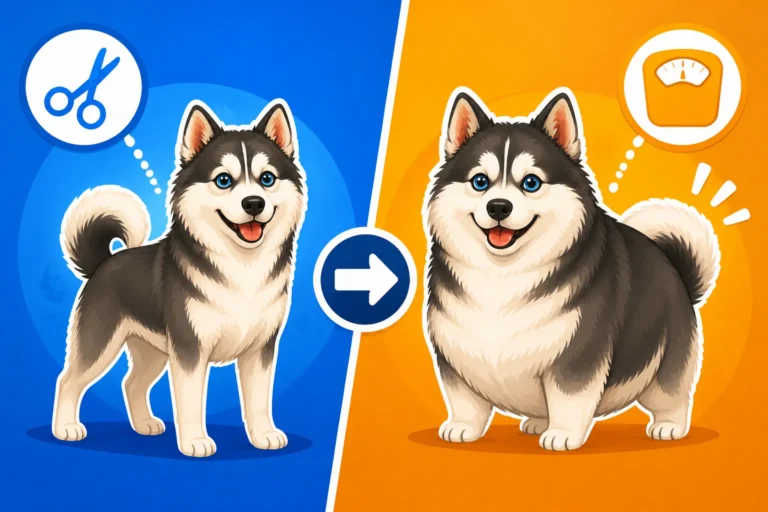
One of the most defining characteristics of the Pomsky is its incredible size variability. You can find Pomskies ranging from a mere 5 pounds, barely bigger than their Pomeranian parent, all the way up to 40 or even 50 pounds, getting very close to a small Husky. This wide spectrum means that there is no one-size-fits-all answer to whether a Pomsky can jog.
A smaller Pomsky, say under 15 pounds, will generally have a harder time with sustained jogging due to their smaller stride, more fragile frame, and potentially less developed musculature for impact absorption. They might be able to manage short, brisk walks or very brief intervals of trotting, but asking them for a 30-minute run could be physically taxing and increase their risk of injury. On the other hand, a larger Pomsky, especially one that takes after the Husky in build, might be perfectly capable of longer runs once fully grown and conditioned. It's about proportion, muscle density, and overall structural integrity. You really need to look at your individual dog, not just the "Pomsky" label, to make an informed decision.
Health Considerations Before You Hit the Pavement
Before you even think about lacing up your running shoes and clipping on your Pomsky's leash for a serious jog, a comprehensive health check is non-negotiable. Pomskies, being a hybrid breed, can inherit health predispositions from both parent breeds, and many of these can impact their suitability for strenuous exercise.
Orthopedic Concerns: Joints and Bones
This is perhaps the biggest consideration for any jogging dog, but especially for a Pomsky. Both Pomeranians and Huskies can pass on a genetic predisposition to certain orthopedic conditions that are absolutely not compatible with repetitive, high-impact activity.
One of the most common issues from the Pomeranian side is patellar luxation, or Slipping Kneecaps in a Pomsky. This is where the kneecap temporarily slips out of its groove. Jogging, with its constant bending and straightening of the knee, can exacerbate this condition, cause pain, and lead to accelerated arthritic changes. If your Pomsky has even a low grade of patellar luxation, jogging could be very risky. Your vet will be able to assess the Patellar Luxation Grades in a Pomsky and advise on whether any running activity is safe. Another significant concern, often inherited from the Husky side, is hip dysplasia. While more commonly associated with larger breeds, Hip Dysplasia in a Twenty Pound Pomsky is certainly a possibility. This condition involves an improperly formed hip joint, and the constant impact of running can grind the joint, causing immense pain and leading to premature arthritis. Your vet may recommend X-rays to assess hip and elbow health before approving any rigorous exercise. It's far better to catch these issues early than to discover them after your dog is already in discomfort. You don't want to be thinking about whether your Pomsky should avoid jumping off furniture when they're already hurting.
Respiratory and Cardiac Health
Imagine trying to run a marathon with a constant cough or difficulty breathing. Not fun, right? The same goes for your Pomsky. Respiratory issues can be a serious concern, especially for those inheriting traits from the Pomeranian. Collapsing trachea, where the windpipe weakens and flattens, causing a distinctive "honking" cough, is one such condition. The Collapsing Trachea a Pomsky Gets From the Pomeranian can be worsened by strenuous exercise, especially if your dog is pulling on a collar. This is one of the many reasons why a harness is always recommended over a neck collar for Pomskies, particularly during active outings. Why a Pomsky Should Wear a Harness is not just about comfort; it's about protecting their delicate respiratory system.
Beyond breathing, heart health is another vital area. While generally robust, some Pomskies can inherit predispositions to certain cardiac conditions. If your Pomsky has a heart murmur or any other diagnosed heart issue, jogging is almost certainly off-limits. Strenuous exercise can put undue strain on a compromised heart, leading to serious or even life-threatening complications. Always ask your vet about Whether a Pomsky Gets Heart Disease and get a clean bill of health before engaging in high-intensity activities. Paying attention to any unusual panting, coughing, or lethargy during or after exercise is paramount.
Overheating and Paw Protection
Pomskies boast that gorgeous, dense double coat, which is fantastic for keeping them warm in cold climates, just like their Husky ancestors. However, this same insulating coat can be a significant liability in warmer weather or during sustained exercise, leading to a high risk of overheating. Unlike humans who sweat efficiently through their skin, dogs primarily cool themselves by panting. When a Pomsky's body temperature rises too quickly, their panting may not be enough to cool them down, leading to heatstroke, which is a medical emergency. You should always be mindful of Whether a Pomsky Overheats More Than a Husky, as their smaller body size compared to a Husky means they can sometimes struggle even more.
Beyond their internal thermostat, their paw pads are also vulnerable. Hot pavement, rough gravel, or even icy surfaces can cause painful burns, abrasions, or cracks on their delicate paw pads. Imagine running barefoot on a scorching summer road; that's what your Pomsky might be experiencing. It's crucial to check pavement temperatures with the back of your hand – if it's too hot for you to hold your hand there for more than five seconds, it's too hot for your dog's paws. Investing in dog booties, easily found on Amazon or Chewy, can provide excellent protection for their paws on various terrains and weather conditions.
Training, Pacing, and Practical Tips for Jogging with a Pomsky
So, you've had the all-clear from your vet, and your Pomsky seems physically capable and eager. Great! Now, let's talk about how to introduce them to jogging safely and effectively. It's not about just heading out the door and expecting them to keep up.
Building Stamina Gradually and Assessing Willingness
Just like a human starting a running program, your Pomsky needs to build up their stamina gradually. Don't jump from leisurely walks to a 5k overnight. Start with very short intervals, perhaps alternating 30 seconds of jogging with a few minutes of brisk walking. Over days and weeks, you can slowly increase the jogging intervals and decrease the walking, always paying close attention to your dog.
The key here is observation. Your Pomsky can't tell you in words if they're tired, sore, or simply not enjoying it. Look for subtle cues:
- Tail position: Is it held low or tucked?
- Gait: Are they lagging behind, limping, or showing any stiffness?
- Panting: Is it excessive or struggling, not just normal exertion?
- Enthusiasm: Are they eager to start, or do they seem reluctant? Do they pull ahead happily, or do you have to coax them?
If your Pomsky seems less than thrilled, or shows any signs of discomfort, stop immediately. Short, fun sessions are always better than pushing too hard and creating a negative association or, worse, an injury. Remember, the goal is to enhance their life, not force them into an activity they don't enjoy or can't safely perform. Some dogs are just natural sprinters or prefer other types of exercise, and that's okay.
Essential Gear and Safety Measures
Having the right equipment can make all the difference for a safe and enjoyable jogging experience for both of you.
- Harness: We can't stress this enough: always use a well-fitting, Y-front harness for jogging, never a collar. As mentioned earlier, a collar puts pressure on their throat, which is especially dangerous for Pomskies prone to The Collapsing Trachea a Pomsky Gets From the Pomeranian. A good harness distributes pressure evenly across their chest and shoulders, allowing for free movement and comfortable breathing. Brands like Ruffwear or Kurgo available on Chewy offer excellent, durable options.
- Leash: A hands-free leash that attaches around your waist can be a game-changer, allowing you to maintain your natural running form and keep your hands free. However, ensure you still have excellent control over your Pomsky, especially if they have a strong prey drive or are easily distracted.
- Hydration: Bring water for both of you! Carry a portable dog water bottle or a collapsible bowl. Stop frequently for water breaks, even if your Pomsky isn't overtly asking for it. This is especially important on warmer days.
- Paw Protection: Dog booties are your Pomsky's running shoes. They protect against hot pavement, sharp debris, road salt, and ice. Practice wearing them at home first to get your Pomsky accustomed to them. You can find a wide variety of styles on Amazon or through pet supply retailers like Chewy.
- Visibility: If you're running in low light conditions (dawn, dusk, night), make sure both you and your Pomsky are visible. Reflective vests for you, and a reflective harness, leash, or LED collar for your dog are essential.
- ID and GPS Tracker: This is crucial for any Pomsky, as they can be notorious escape artists. Their Husky heritage gives them a strong wanderlust, and a sudden squirrel sighting can send them off on an adventure. Always ensure your Pomsky wears up-to-date ID tags, and consider a GPS tracker. Products like Fi or Whistle, sold through their own sites or sometimes on Amazon, can provide peace of mind by allowing you to track your dog in real-time. This is particularly vital for a breed that might decide to bolt, as detailed in Whether a Pomsky Should Have a GPS Tracker.
Alternative High-Energy Activities
What if, after all your careful assessment, it turns out jogging isn't the best fit for your Pomsky? Don't despair! There are countless other ways to provide them with the physical and mental stimulation they need. Pomskies are intelligent and active dogs, and variety is often the spice of life for them.
- Brisk Walks and Hikes: Even if sustained running isn't ideal, long, brisk walks or hikes on varied terrain can provide excellent exercise and mental engagement. Exploring new sights and smells is incredibly enriching. Remember that The Exercise a Pomsky Needs Every Day isn't just about speed, but about duration and novelty.
- Interactive Play: Fetch, flirt poles, or even just spirited games of tug-of-war in the yard can burn off a surprising amount of energy. Focus on games that encourage short bursts of speed and quick changes of direction.
- Dog Sports: Many Pomskies excel at dog sports that cater to their intelligence and agility. Whether a Pomsky Can Do Agility is a resounding yes for many, offering a fantastic outlet for their energy and problem-solving skills. Scent work, as explored in Whether a Pomsky Takes to Scent Work, is another excellent option that taps into their natural instincts and provides intense mental stimulation without high physical impact.
- Swimming: If your Pomsky enjoys water, swimming can be a fantastic, low-impact full-body workout. Always supervise them closely and ensure they wear a doggy life vest, especially if they're not strong swimmers.
- Puzzle Toys and Training: Mental exercise is just as important as physical. Puzzle toys, regular training sessions (even just 10-15 minutes a day), and learning new tricks can tire out a Pomsky just as effectively as a physical workout. Integrating brands like Ollie for high-value training treats can make these sessions even more engaging.
The Verdict: Can Your Pomsky Be Your Running Buddy?
After considering all these factors, you might feel like you're navigating a complex maze. But the truth is, there's no single, universal answer. It really boils down to your individual dog.
Individual Variation is Key
Remember that "designer breed" means a mix, and with mixes comes variation. One F1 Pomsky (first-generation cross) might be a lean, long-legged running machine, while another from the same litter might be a fluffy, stocky couch potato. This individual variation is why you can't just assume your Pomsky will be a runner based on the breed name alone. Factors like Whether an F1 Pomsky Is Healthier Than an F2, what generation they are, and which parent's traits are more dominant will all play a role. Even within the same litter, puppies can have vastly different builds and energy levels. It’s essential to evaluate your dog as an individual, not as a generic Pomsky.
The Importance of Professional Guidance
You know your dog best, but your veterinarian knows dog anatomy and physiology even better. Before you embark on any new, strenuous exercise regimen like jogging, scheduling a thorough check-up with your vet is the single most important step. They can perform a physical examination, listen to their heart and lungs, check their joints, and advise on any potential predispositions your Pomsky might have. Don't skip this step; it's a critical safety measure for your dog's long-term health.
If your vet gives you the green light, consider consulting with a professional dog trainer specializing in active breeds or dog sports. They can offer guidance on proper leash training for running, building stamina safely, and recognizing signs of fatigue or discomfort.
Prioritizing Your Pomsky's Well-being
Ultimately, your Pomsky's health, comfort, and happiness should be your top priority. If jogging causes them pain, discomfort, or simply isn't something they enjoy, it's not fair to push them. There are so many other ways to bond with your Pomsky and ensure they get adequate exercise and mental stimulation. Be flexible, listen to your dog, and adjust your expectations based on their unique abilities and preferences. A happy, healthy Pomsky, regardless of whether they're a jogging buddy or a brisk-walk enthusiast, is the best outcome.
Here’s a quick overview of factors to consider:
| Factor | Favors Jogging (Husky Influence) | Cautions Against Jogging (Pomeranian Influence) |
|---|---|---|
| Body Type | Lean, muscular, longer legs, deep chest | Compact, shorter legs, finer bones |
| Energy Level | High, sustained energy, always ready to go | Bursts of energy, tires quickly, prefers short play |
| Stamina | Good endurance, can go for longer distances | Limited endurance, best for shorter, brisk activities |
| Joint Health | Generally robust, well-formed joints (if clear) | Prone to patellar luxation, more delicate bone structure |
| Respiratory | Clear, strong breathing system | Potential for collapsing trachea, smaller lung capacity |
| Coat Type | Standard double coat (manages heat with care) | Dense double coat (higher risk of overheating) |
| Paws | Tougher paw pads | More sensitive paw pads |
| Temperament | Enjoys a "job," eager to please, follows lead | Independent, easily distracted, may prefer own pace |
Remember, this table provides generalizations. Your Pomsky might have a mix of these traits!
Disclaimer
This article is for general informational purposes only and does not constitute professional advice. Laws, prices and regulations vary by location and change over time. Consult a qualified professional for guidance on your specific situation.