Whether a Pomsky Needs a High Protein Diet
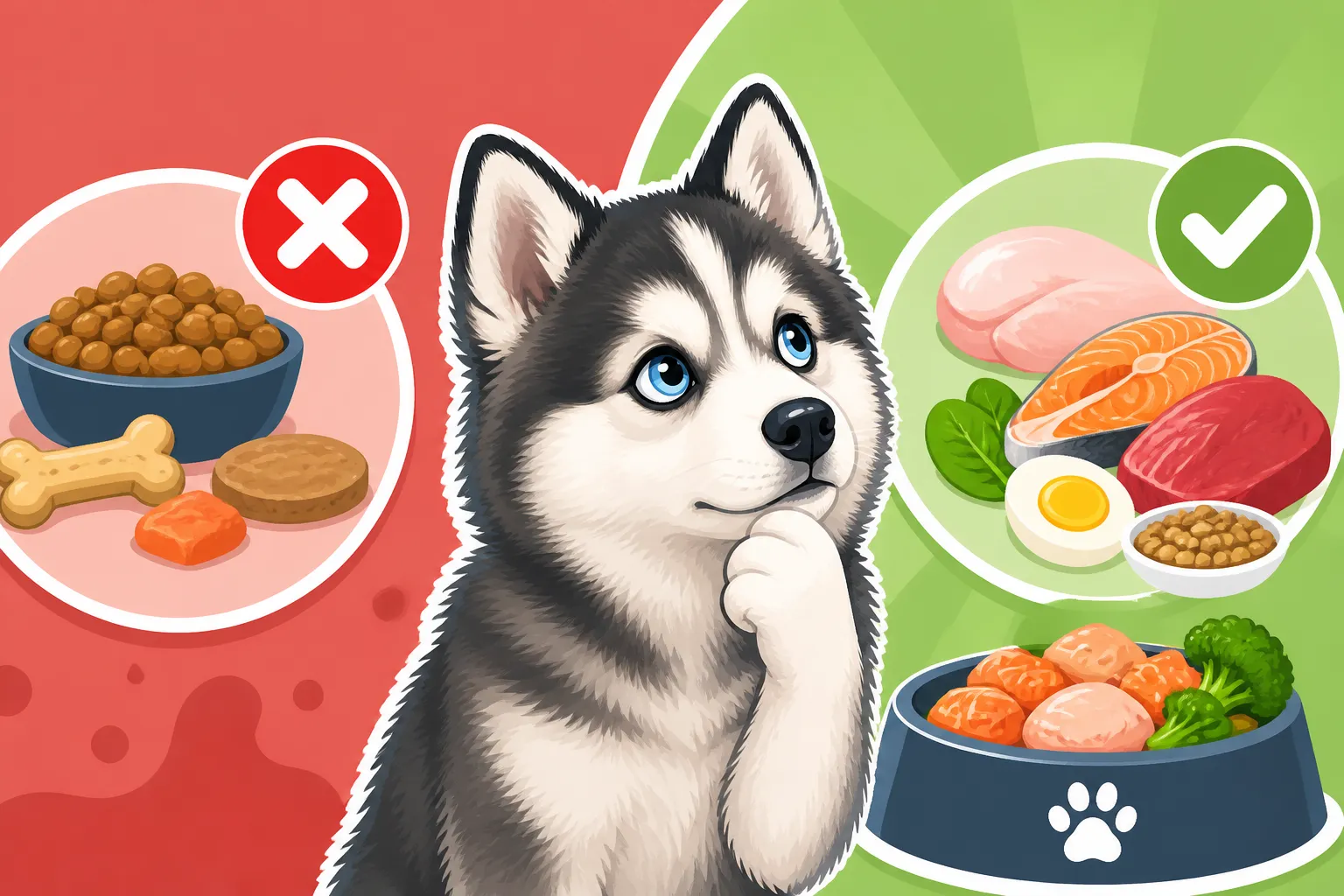
It's completely normal to wonder whether your beloved Pomsky needs a high-protein diet. With all the buzz around "ancestral diets" and the athletic heritage of some dog breeds, it's easy to get caught up in the idea that more protein equals better health. But the truth about a Pomsky's dietary needs is a little more nuanced than just stacking up the protein, and getting it right is key to their long-term well-being. This guide will walk you through what high protein really means, when it might be beneficial, and how to ensure your furry friend gets all the balanced nutrition they need.
Understanding Your Pomsky's Nutritional Needs: It's More Than Just Protein
When you look at your Pomsky, you see a delightful blend of the Siberian Husky's energy and the Pomeranian's spirited charm. It's natural to assume that such an active, robust-looking dog might need a diet primarily focused on protein, mirroring what wild canids might eat. However, the science of canine nutrition for domesticated dogs tells a slightly different story.
The Ancestral Diet Myth Versus Modern Dog Nutrition
The "ancestral diet" concept often conjures images of wolves hunting in packs, and indeed, a Siberian Husky's lineage is closer to that wild ancestry than many breeds. Proponents of this idea suggest that dogs should eat diets extremely high in meat, shunning grains and carbohydrates entirely. While it's true that dogs are carnivores, they are also obligate scavengers and have, over thousands of years, evolved alongside humans. Their digestive systems have adapted to digest starches and other components found in a more varied diet than their wild ancestors. Your Pomsky, despite its wolf-like appearance, is far removed from a wild wolf, genetically and nutritionally. Their bodies are well-equipped to handle a balanced diet that includes good quality carbohydrates, fats, and proteins.
This isn't to say protein isn't important – it absolutely is! But the "more is always better" mentality can sometimes lead to imbalances or even health issues. What's crucial is quality and balance, not just raw quantity.
The Role of Protein in a Pomsky's Body
Protein is fundamental for nearly every bodily function in your Pomsky. Think of it as the building block for life. It's essential for developing and maintaining strong muscles, which is especially important for an active breed like the Pomsky. Protein is also vital for the production of enzymes, hormones, and antibodies, all of which are critical for a healthy immune system and proper bodily function. Beyond that, it plays a huge role in maintaining that beautiful double coat your Pomsky sports, contributing to healthy skin and hair growth. Without adequate protein, you might notice a dull coat, poor muscle tone, and a general lack of vitality.
However, the key word here is "adequate." A dog's body can only utilize so much protein at once. Excess protein that isn't used for these vital functions can be converted into energy or stored as fat, and in some cases, it can put extra strain on organs like the kidneys, particularly in older dogs or those with pre-existing conditions. It's about finding that sweet spot where they get exactly what they need without going overboard.
The Influence of Parent Breeds: Husky and Pomeranian
When we talk about a Pomsky, we're talking about a designer breed with genetics from both the Siberian Husky and the Pomeranian. Both parent breeds have some interesting dietary quirks that can inform a Pomsky's needs. Huskies, for instance, are known for their incredibly efficient metabolism. They can thrive on fewer calories and sometimes even lower protein diets than you might expect for such an active dog, utilizing fat as a primary energy source. They're also sometimes a bit pickier eaters, a trait that can definitely pass to your Pomsky! On the other hand, Pomeranians, being smaller dogs, often require diets formulated for small breeds, which typically have a denser nutrient profile to meet their higher metabolic rates per pound.
The challenge with a Pomsky is that they can inherit a mix of these traits. You might have a Pomsky with the high energy levels of a Husky, but the smaller digestive system of a Pomeranian. Or a Pomsky that's quite content with a moderate amount of food, much like a Husky. It's a bit of a genetic lottery, meaning there's no single "Pomsky diet" that fits every single dog. This is why paying close attention to your individual dog's activity level, body condition, and overall health is so important when determining their dietary needs.
What a "High Protein" Diet Really Means for a Pomsky
The term "high protein" can be a bit ambiguous in the world of dog food, and what might be considered high for one dog could be standard for another. Understanding the nuances helps you make informed choices for your unique Pomsky.
Defining "High Protein" in Dog Food
Generally, most commercially available adult dog foods range from about 18% to 25% crude protein on a dry matter basis. For puppies, this percentage is often a bit higher, typically in the 28-32% range, to support their rapid growth. When we start talking about "high protein" diets, we're usually looking at foods that contain 30% or more crude protein. Some specialized performance or grain-free diets can push these numbers even higher, sometimes into the 35-40% range.
It's crucial to look beyond just the percentage on the label, however. The source of that protein is equally, if not more, important. Is it coming from high-quality animal sources like chicken, beef, lamb, or fish, which are easily digestible and provide a complete amino acid profile? Or is a significant portion derived from plant-based proteins or less digestible animal by-products? Your Pomsky will benefit far more from a diet with a slightly lower percentage of highly digestible, high-quality animal protein than a diet with a higher percentage of poorer quality or less bioavailable protein sources. Look for named meat sources as the first ingredient.
When a Higher Protein Intake Might Be Beneficial
While not every Pomsky needs an ultra-high-protein diet, there are certainly situations where a slightly elevated protein intake can be beneficial. Consider these scenarios:
- Growing Puppies: Pomsky puppies are little bundles of energy, and they're growing incredibly fast. Their bodies need ample protein to build muscles, bones, and develop all their vital organs. Puppy-specific formulas typically have higher protein levels to support this crucial developmental stage. You'll want to ensure they're on a diet appropriate for growing dogs. Whether a Pomsky Puppy Crashes on Blood Sugar is a consideration, as is How Much a Pomsky Puppy Eats at Four Months.
- Highly Active Pomskies: If your Pomsky is the type that never stops, constantly running, playing, or participating in dog sports like agility, a higher protein diet might help them maintain lean muscle mass and support their energy demands. These dogs burn through calories and require more fuel for muscle repair and recovery. However, remember that fat is also a critical energy source for active dogs, particularly those with Husky endurance traits.
- Working or Performance Dogs: While not typically "working" dogs in the traditional sense, some Pomskies excel in activities that demand significant physical output. If your Pomsky is a true athlete, a vet-recommended higher protein diet might be part of their specialized nutrition plan.
- Senior Dogs (in some cases): This might seem counterintuitive, as historically, vets advised lower protein for older dogs due to kidney concerns. However, newer research suggests that adequate, high-quality protein is crucial for senior dogs to maintain muscle mass and prevent sarcopenia (age-related muscle wasting). Unless your senior Pomsky has a diagnosed kidney issue that requires protein restriction, a moderate to slightly elevated protein diet can actually be very beneficial. Feeding an Old Pomsky is a topic to explore further.
- Recovery from Illness or Injury: Dogs recovering from surgery, illness, or significant injury often need extra protein to aid in tissue repair and immune system support. This would typically be a temporary adjustment under veterinary guidance.
In all these cases, "higher" protein doesn't mean "excessive." It means finding the optimal level that supports their specific needs without overwhelming their system.
The Risks of Excessive Protein
While protein is essential, too much of a good thing can sometimes lead to issues for your Pomsky. It's a common misconception that protein is always benign. Here are some potential risks associated with an overly high-protein diet, especially if it's not balanced with other nutrients:
- Digestive Upset: Some dogs, especially those with sensitive stomachs, might experience diarrhea, vomiting, or gas if their diet contains an unusually high amount of protein. Their digestive systems might struggle to process it efficiently.
- Weight Gain: If your Pomsky consumes more protein than their body can use, and if that diet is also high in calories, the excess can be converted and stored as fat, leading to unwanted weight gain. An overweight Pomsky can face a host of other health problems, including joint issues like Slipping Kneecaps in a Pomsky.
- Kidney Strain (Highly Debated): This is one of the most talked-about concerns. For healthy dogs, there's little evidence that a high-protein diet causes kidney damage. However, for dogs with pre-existing kidney disease, excessive protein can indeed put additional strain on already compromised kidneys. This is why regular veterinary check-ups, especially as your Pomsky ages, are vital. Your vet can monitor kidney function and advise on appropriate dietary adjustments if needed.
- Nutritional Imbalances: A diet that is excessively high in protein might inadvertently be lacking in other crucial nutrients like certain fats, vitamins, or minerals if it's not well-formulated. This can lead to broader nutritional deficiencies over time.
- Increased Water Intake: When a dog processes higher amounts of protein, their body produces more nitrogenous waste products that need to be flushed out via urine. This can lead to increased thirst and urination. While not necessarily harmful, it's something to be aware of.
The key takeaway here is balance. The goal isn't to chase the highest protein percentage on the bag, but rather to provide a complete and balanced diet that meets your Pomsky's specific life stage, activity level, and individual health requirements.
Crafting the Ideal Diet for Your Pomsky
Finding the perfect food for your Pomsky can feel like a quest, but it ultimately boils down to understanding balance, prioritizing quality, and leaning on professional advice.
Balancing Macronutrients for Optimal Health
A truly ideal diet for your Pomsky isn't just about protein; it's about the right balance of all macronutrients: protein, fats, and carbohydrates.
- Protein: As we've discussed, it's crucial for muscle, repair, and overall bodily function. Aim for a high-quality, easily digestible source.
- Fats: Don't be afraid of healthy fats! Fats are a concentrated source of energy, essential for skin and coat health, and help with the absorption of fat-soluble vitamins. For active Pomskies, especially those leaning towards their Husky heritage, fat can be a primary and highly efficient fuel source. Look for sources like chicken fat, fish oil, and flaxseed.
- Carbohydrates: Good quality carbohydrates provide readily available energy and dietary fiber, which is important for digestive health. Grains like rice, oats, and barley, or non-grain sources like sweet potatoes and peas, can all be excellent carbohydrate sources. The "no grain" trend isn't necessary for most dogs and, in some cases, can even lead to other nutritional concerns if not properly balanced.
Beyond these, a balanced diet must also include a full spectrum of vitamins, minerals, and trace elements to support every aspect of your Pomsky's health, from their The Eyes a Pomsky Gets From the Husky to their Dental Crowding in a Pomsky's Small Mouth. Look for foods that meet AAFCO (Association of American Feed Control Officials) nutritional standards for your dog's life stage, as this indicates it's a complete and balanced diet.
Choosing the Right Food: Quality Over Quantity
When standing in the pet food aisle or browsing online, the sheer number of options can be overwhelming. Here's how to approach choosing the right food for your Pomsky:
- Read Ingredients Carefully: The first few ingredients listed make up the bulk of the food. Look for named meat sources (e.g., "chicken," "salmon meal") rather than vague terms like "meat by-products." Whole grains and vegetables are also good signs.
- Consider Life Stage and Activity Level: A growing puppy needs a different nutrient profile than a sedentary senior. Ensure the food is appropriate for your Pomsky's age and how active they are. A food suitable for "all life stages" is often fine, but specialized formulas can sometimes be better.
- Reputable Brands: Stick with well-established brands that conduct extensive research and quality control. Brands available on platforms like Chewy or through specialized services like Ollie often provide detailed nutritional information and ingredient sourcing. You can also find a wide range of options on sites like Amazon, but always prioritize researching the brand behind the bag.
- Wet vs. Dry vs. Fresh:
- Dry Kibble: Convenient, cost-effective, and good for dental health.
- Wet Food: Can be more palatable and hydrating, often great for picky eaters.
- Fresh/Cooked Diets: Offers highly digestible, human-grade ingredients. Services like Ollie specialize in this. If you choose to cook at home, always consult with a veterinary nutritionist to ensure it's balanced.
- Trial and Error (Carefully!): Sometimes it takes trying a few different foods to find what works best for your Pomsky. Introduce new foods gradually over 7-10 days to avoid digestive upset. If you notice persistent issues like soft stools, excessive gas, or dull coat, it might be time to try another formula.
Remember, the "best" food isn't necessarily the most expensive or the one with the highest protein percentage. It's the one that makes your Pomsky thrive.
Consulting Your Veterinarian: The Ultimate Resource
While online research and advice from fellow Pomsky owners are valuable, your veterinarian is truly your best resource for tailored dietary advice. They know your Pomsky's individual health history, any potential genetic predispositions, and can perform examinations to assess their current health status.
A vet can:
- Assess Body Condition: Determine if your Pomsky is at an ideal weight, underweight, or overweight. This is crucial for calculating appropriate feeding amounts.
- Identify Allergies or Sensitivities: If your Pomsky shows signs of allergies (like excessive itching or digestive issues), your vet can help diagnose the cause and recommend appropriate limited-ingredient or prescription diets. Whether a Pomsky Gets Allergies is a common concern.
- Recommend Specific Formulations: Based on your Pomsky's age, activity level, and health, they can suggest specific brands or types of food (e.g., puppy, adult, senior, weight management, joint support).
- Monitor Health Markers: For older Pomskies, regular blood work can reveal early signs of kidney or liver issues, which might necessitate dietary changes.
Don't hesitate to bring your current dog food bag to your vet's office during a check-up to discuss the ingredients and nutritional analysis. They can help demystify the labels and ensure you're making the best choices for your furry family member.
Practical Feeding Considerations for Pomsky Owners
Beyond the macronutrients and brand choices, there are practical aspects of feeding your Pomsky that can significantly impact their health and happiness.
Monitoring Your Pomsky's Condition and Energy Levels
The best indicator of whether your Pomsky's diet is working isn't just the label on the bag; it's your Pomsky themselves! Regular observation can tell you a lot:
- Body Condition: Can you easily feel their ribs without seeing them prominently? Do they have a clear waistline when viewed from above and a slight tuck in their abdomen from the side? This is the ideal. If you can't feel their ribs, or they lack a waist, they might be overweight. If their ribs are very visible, they could be underweight. Keeping a Pomsky's Weight in Range is critical for their joint health and overall longevity.
- Coat Health: A healthy Pomsky should have a shiny, soft double coat with minimal dandruff. A dull, dry, or flaky coat can be a sign of nutritional deficiency, often related to fat or protein intake.
- Energy Levels: Is your Pomsky energetic and playful, appropriate for their age? Lethargy or excessive hyperactivity could indicate an imbalance in their diet. Remember, Pomskies are naturally active dogs; they need The Exercise a Pomsky Needs Every Day.
- Stool Quality: Firm, well-formed stools are a good sign of proper digestion. Loose stools, diarrhea, or excessive gas can indicate a food intolerance or an imbalanced diet.
- Appetite: While some Pomskies might inherit the Husky's pickiness and Whether a Pomsky Is a Fussy Eater, a sudden loss of appetite or excessive hunger could be a dietary or health concern.
Keeping a small journal of these observations, especially when changing foods, can be incredibly helpful for you and your vet.
Special Dietary Needs and Life Stages
Just like humans, a Pomsky's dietary requirements shift throughout their life.
- Puppies: They need more calories, protein, and specific nutrients for growth. Feed a high-quality puppy formula, often divided into three or four meals a day. The Meal Schedule a Pomsky Puppy Needs is important for steady growth.
- Adults: Once your Pomsky reaches full maturity (around 10-12 months for many, but larger Pomskies can take longer), they typically transition to adult food, often fed twice daily. The focus here is on maintenance and preventing obesity.
- Seniors: As Pomskies age, their metabolism slows down, and they may become less active. They might need fewer calories to prevent weight gain, but as mentioned, maintaining adequate protein for muscle mass is vital. Joint supplements might also become important. Caring for a Pomsky Past Ten involves many considerations, including diet and exercise.
Beyond age, certain health conditions also necessitate special diets. Dogs with pancreatitis, bladder stones, or other specific medical issues might require prescription diets formulated to manage their condition. Never put your Pomsky on a prescription diet without veterinary guidance.
Supplementation: When Is It Necessary?
In general, if your Pomsky is eating a complete and balanced commercial dog food that meets AAFCO standards for their life stage, they shouldn't need additional vitamin or mineral supplements. These foods are scientifically formulated to provide all the nutrients your dog requires.
However, there are exceptions:
- Veterinary Recommendation: If your vet diagnoses a specific deficiency (e.g., Whether a Pomsky Needs Extra Zinc for a zinc deficiency) or a condition that could benefit from supplementation (e.g., omega-3 fatty acids for skin or joint health), then supplements are appropriate.
- Home-Cooked Diets: If you choose to feed a home-cooked diet, it is absolutely essential to work with a veterinary nutritionist to formulate it. Without expert guidance, home-cooked meals are almost always deficient in crucial vitamins and minerals, leading to serious health problems over time.
- Joint Support: For older Pomskies or those with a predisposition to joint issues like Hip Dysplasia in a Pomsky or Slipping Kneecaps in a Pomsky, your vet might recommend specific joint supplements like glucosamine and chondroitin.
Always discuss any supplements with your vet before introducing them to your Pomsky's diet. More isn't always better, and some supplements can even be harmful in excessive amounts or if they interact poorly with other medications.
Dietary Protein Recommendations for Pomskies
To give you a clearer picture, here's a general guide to protein percentages often seen in dog foods for different life stages and activity levels. Remember, these are broad guidelines, and individual needs can vary. Always prioritize quality protein sources.
| Life Stage / Activity Level | Typical Crude Protein (Dry Matter Basis) | Key Considerations |
|---|---|---|
| Puppies (Growing) | 28% – 32%+ | Essential for rapid growth and development. |
| Adult (Low Activity) | 18% – 24% | Sufficient for sedentary or lightly active dogs. |
| Adult (Moderate Activity) | 22% – 28% | Good for typical active Pomskies with daily walks. |
| Adult (High Activity/Performance) | 28% – 35%+ | For very active, athletic, or working Pomskies. Often paired with higher fat. |
| Senior (Healthy) | 25% – 30% | Helps maintain muscle mass, crucial for aging dogs without kidney issues. |
| Senior (Kidney Disease) | Vet-specific (often lower) | Requires strict veterinary guidance; protein restricted. |
Ultimately, your Pomsky's diet should be a carefully chosen, balanced approach that supports their unique needs at every stage of life. Don't let marketing buzzwords sway you from what's truly best for their health.
Disclaimer
This article is for general informational purposes only and does not constitute professional advice. Laws, prices and regulations vary by location and change over time. Consult a qualified professional for guidance on your specific situation.