Keeping an Old Pomsky Cool in Summer
As our beloved Pomskies enter their golden years, many of us worry about how they'll cope with the sweltering heat of summer. That thick, beautiful double coat that kept them toasty warm in winter suddenly feels like a heavy blanket, and their aging bodies just don't regulate temperature or bounce back from exertion like they used to. It's heartbreaking to see them panting heavily, struggling to get comfortable, or even seeming disoriented when the mercury rises. This guide is all about helping you create a safe, cool, and comfortable summer for your senior Pomsky, recognizing the signs of trouble, and ensuring their well-being through those hot months.
Why Older Pomskies Struggle More with Heat
It’s easy to think of dogs as just being "dogs" when it comes to heat, but a senior Pomsky faces a unique set of challenges that their younger, more agile counterparts might not. Their bodies undergo subtle shifts that make them far more vulnerable to the dangers of summer.
The Double Coat Dilemma in Senior Years
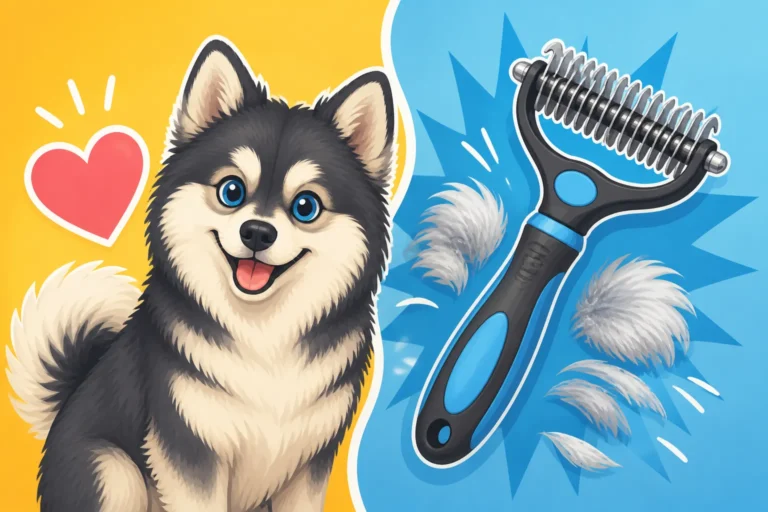
Let's face it, that magnificent Pomsky double coat is a marvel, designed to insulate against both cold and, surprisingly, heat. However, as our dogs age, the effectiveness of this natural air conditioning system can diminish, especially if their grooming routine isn't meticulously maintained. A matted or excessively dense undercoat can trap heat rather than allowing air to circulate. Furthermore, the very act of regular brushing, crucial for a double-coated breed, can become more taxing for an older dog with Arthritis in a Pomsky at Ten or other joint discomfort. What once was a pleasant bonding experience might now be a source of discomfort, leading to less frequent grooming and, consequently, a less efficient coat for heat regulation. We all know The Undercoat Rake a Pomsky Owner Lives With, but imagine trying to tolerate that intense grooming when your joints ache.
Underlying Health Conditions and Heat Sensitivity
This is where the real worry sets in for many senior Pomsky parents. As dogs age, they often develop chronic conditions that are severely exacerbated by heat. Think about it: a younger dog might recover quickly from overheating, but for an older Pomsky, even a mild bout of heat stress can trigger a cascade of problems. Dogs with heart conditions, for example, struggle significantly more in heat because their cardiovascular system is already working harder to pump blood. The additional strain of trying to cool the body can be dangerous. Similarly, respiratory issues, which can sometimes manifest as The Collapsing Trachea a Pomsky Gets From the Pomeranian, make it harder for them to pant effectively and release heat. Joint pain from conditions like hip or elbow dysplasia, which can be seen even in smaller dogs like Pomskies, also restricts their ability to move to a cooler spot, further compounding the problem. If you're wondering Whether a Pomsky Gets Heart Disease, it's certainly a concern for senior dogs that adds to heat risk.
Reduced Mobility and Inability to Self-Regulate
A spry young Pomsky will dart into the shade, find a cool patch of tile, or demand a drink of water when they feel warm. An older Pomsky, however, might not have that same agility or awareness. Their joints might be stiff, making it difficult to hop onto a cooling mat or navigate stairs to a cooler basement. They might spend more time sleeping, leading to longer periods in a single spot that might become uncomfortably warm. Their thirst drive might also decrease, or they might simply forget to drink enough, leading to dehydration faster than a younger dog. This reduced capacity for self-regulation means we, as their caregivers, have to be far more proactive in monitoring their comfort and anticipating their needs. Caring for a Pomsky Past Ten means being extra vigilant about these subtle changes.
Creating a Cool Haven at Home
Our homes are our Pomskies' primary sanctuary, and in summer, they need to be a true refuge from the heat. This means being intentional about creating cool spaces, even if it feels like you're turning your house into a refrigerator.
Strategic Use of Air Conditioning and Fans
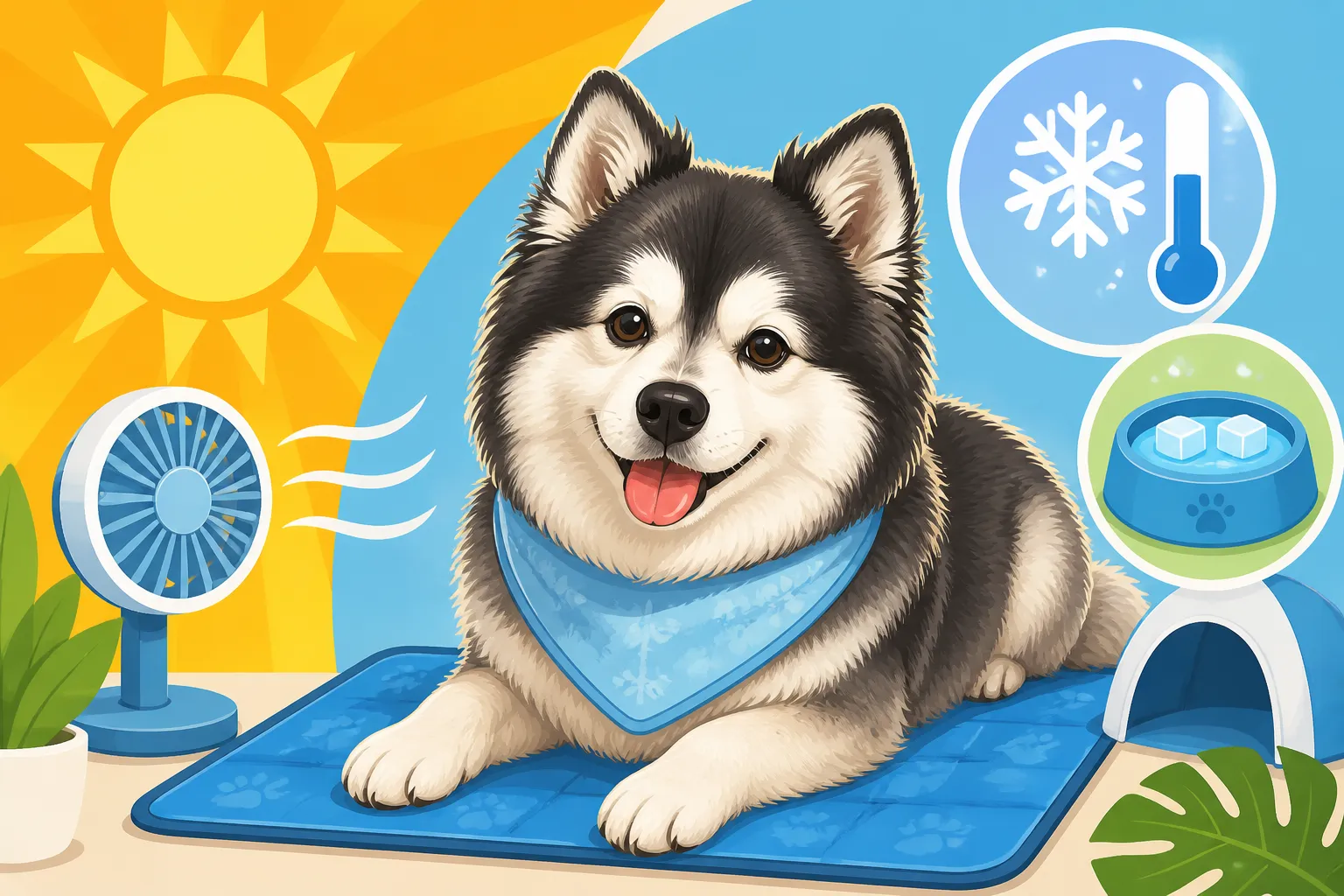
This might seem obvious, but it's the first and most critical line of defense. Keeping your home's ambient temperature consistently cool is paramount for an older Pomsky. Don't just set the AC for your comfort; consider what’s comfortable for a dog in a double coat who can't take off their fur. Many owners find that a slightly lower temperature than they might typically use is best. Ceiling fans and oscillating floor fans can dramatically improve air circulation, especially in rooms where your Pomsky spends a lot of time. Position them to create a gentle breeze at ground level where your dog lies. Just be sure they can’t knock them over or get tangled in cords. Remember, The Temperature a Pomsky Starts Struggling At can be surprisingly low, especially for seniors.
Cooling Beds and Mats
These products are a godsend for older dogs. Unlike a regular dog bed that can trap heat, cooling beds are designed to draw heat away from their body. There are a few main types:
- Elevated Mesh Beds: These allow air to circulate completely around and underneath your dog. They keep them off hot floors and are often quite comfortable for stiff joints. You can find many options on sites like Chewy or Amazon.
- Gel-Filled Cooling Mats: These absorb and dissipate body heat without needing refrigeration or electricity. They activate under your dog’s weight and stay cool for hours. Place them in your Pomsky's favorite napping spots.
- Water-Filled Mats: Similar to gel mats, these use water for cooling. They might require occasional refilling or chilling, but some dogs adore them.
When selecting, consider durability and ease of cleaning, especially for older dogs who might have accidents. Beds That Suit an Arthritic Pomsky are a great choice, as they offer both comfort and cooling.
Hydration Strategies for the Senior Pomsky
Hydration is crucial for all dogs, but even more so for seniors, whose bodies might not hold onto water as efficiently. Dehydration can quickly lead to more serious issues when compounded by heat.
- Multiple Water Sources: Place several water bowls throughout the house, including in rooms where your Pomsky frequently rests. This reduces the effort they need to expend to get a drink.
- Water Fountains: Some dogs are enticed by moving water. A dog water fountain can encourage more frequent drinking, and many are available on platforms like Chewy.
- Add Water to Food: If your Pomsky eats kibble, adding a splash of water, low-sodium broth, or even some rehydrated fresh food from a brand like Ollie can significantly boost their fluid intake. Wet food also naturally contains more moisture. This ties into Feeding an Old Pomsky guidelines, which often recommend moisture-rich diets.
- Ice Cubes: Many dogs love to crunch on ice cubes, which offers both hydration and a fun cooling treat. You can also freeze low-sodium broth in ice cube trays for an extra special snack.
Safe Outdoor Practices and Activity Adjustments
While it's important to provide a cool indoor environment, our Pomskies still need to go outside for potty breaks, and some still enjoy gentle walks. It's about making smart choices to keep them safe.
Timing Walks and Avoiding Peak Heat
This is non-negotiable for an older Pomsky. Forget midday walks during summer. The general rule of thumb is to take them out in the very early morning, before the sun has had a chance to really warm things up, and again late in the evening, after the sun has set and the air has cooled considerably. Even on cooler days, remember that Whether a Pomsky Overheats More Than a Husky is a valid concern, and a senior Pomsky will have less tolerance than either parent breed's younger version. Keep walks short and focused, prioritizing bathroom breaks over extensive exercise. When to Walk a Pomsky in Summer is truly the most critical decision you'll make for their safety.
Pavement and Paw Protection
Hot pavement is a silent enemy. Asphalt can reach scorching temperatures, easily burning sensitive paw pads. Imagine walking barefoot on a hot sidewalk; your Pomsky feels the same. Always test the pavement with the back of your hand for at least seven seconds. If it's too hot for your hand, it's too hot for their paws. Stick to grassy areas, or invest in dog booties for protection, especially if you live in a region with extremely hot summers. Even a short walk on hot concrete can cause painful blisters. This is a vital consideration when you think about Whether Pavement Burns a Pomsky's Pads.
Water Activities and Shallow Wading Pools
Many Pomskies enjoy water, and a shallow wading pool can be an excellent way for an older dog to cool down safely without over-exertion. Fill a small kiddie pool with just enough water for them to wade in, not swim. Supervise them closely, and make sure the water isn't too cold initially, which could be a shock to their system. You can even toss a few floating toys in to encourage gentle interaction. For some dogs, simply having access to a cool, damp towel to lie on after a potty break can make a huge difference. Remember, the goal is gentle cooling, not vigorous play. The Exercise a Pomsky Needs Every Day for an older dog will be significantly less than a younger one, especially in heat.
Recognizing and Responding to Overheating
Being proactive is key, but sometimes, despite our best efforts, our Pomskies can still show signs of heat stress. Knowing what to look for and how to react quickly can be life-saving.
Subtle Signs of Heat Stress in an Older Dog
Unlike a younger, more active dog that might crash dramatically, an older Pomsky’s signs of heat stress can be more subtle and insidious. Don't wait for extreme symptoms. Early signs to watch for include:
- Excessive Panting: While normal after activity, continuous, heavy panting even when resting in a cool area is a red flag.
- Increased Drooling: More than usual, and sometimes thicker saliva.
- Lethargy or Weakness: They might seem unusually tired, reluctant to move, or generally sluggish.
- Confusion or Disorientation: They might stare blankly, bump into things, or seem lost in familiar surroundings.
- Dark Red Gums: Check their gums; they might be a darker red than normal.
- Vomiting or Diarrhea: These can be serious signs of overheating.
It's vital to recognize these nuances. Signs a Pomsky Is Overheating go beyond just heavy breathing.
Immediate First Aid Steps
If you notice any of these signs, act immediately:
- Move to a Cooler Location: Get your Pomsky into air conditioning or a shaded area as quickly as possible.
- Apply Cool Water: Wet towels placed on their head, neck, armpits, and groin area can help. Never use ice-cold water, as it can constrict blood vessels and hinder cooling. Cool tap water is ideal.
- Offer Small Amounts of Water: Don't let them gulp large quantities, as this can lead to vomiting. Small, frequent sips are better.
- Use a Fan: Direct a fan toward them to aid evaporation from the wet areas of their body.
These initial steps are crucial for stabilizing them while you prepare for veterinary care.
When to Seek Veterinary Care
Do not hesitate. Heatstroke is a medical emergency that can rapidly become life-threatening. If your Pomsky shows any severe signs of heat stress, such as collapse, seizures, uncontrollable vomiting, or persistent disorientation, call your veterinarian immediately. Even if the symptoms seem to improve after initial first aid, it's always best to have a vet check them over. Internal damage can occur even if outward signs subside, and an older dog's body is less resilient to this kind of trauma. They can advise you on what to do en route to the clinic and be prepared for your arrival. What a Pomsky Needs Daily includes vigilant observation, especially during extreme weather.
Comparing Cooling Methods for Senior Pomskies
To help you visualize the different approaches, here's a table summarizing common cooling methods and their suitability for an older Pomsky.
| Method | Location | Effort Level | Senior Pomsky Suitability | Notes |
|---|---|---|---|---|
| Air Conditioning | Indoor | Low | Essential | Crucial for maintaining ambient comfort. Set to a comfortable dog-friendly temperature, not just human comfort. |
| Fans (Circulating) | Indoor | Low | Highly Recommended | Improves air circulation at ground level. Ensure safe placement, away from cords. |
| Cooling Mats/Beds | Indoor | Low | Excellent | Provides direct cooling without external power. Look for durable, easy-to-clean options on Chewy or Amazon. |
| Multiple Water Bowls | Indoor | Low | Essential | Reduces effort for drinking. Consider dog water fountains for added appeal. |
| Adding Water to Food | Indoor | Low | Recommended | Boosts hydration. Use broth or wet food, like Ollie. |
| Early/Late Walks | Outdoor | Moderate | Essential | Avoids peak heat and hot pavement. Keep walks short and focused. |
| Paw Protection (Booties) | Outdoor | Moderate | Recommended | Shields sensitive paw pads from scorching surfaces. Check pavement temperature before every outing. |
| Shallow Wading Pool | Outdoor | Moderate | Good | Allows gentle, supervised cooling. Ensure water is not too cold and the depth is safe. |
| Wet Towels (Emergency) | Indoor/Outdoor | High (Immediate Action) | Crucial (First Aid) | For acute overheating. Focus on neck, armpits, groin. Do not use ice water. |
| Professional Grooming | Indoor | Moderate | Recommended | Regular de-shedding helps coat function. Discuss senior-friendly handling with your groomer. |
Looking after an older Pomsky in the summer is a commitment, but with these strategies, you can ensure they remain as comfortable and happy as possible. It means adjusting our routines and being hyper-aware of their needs, but the peace of mind knowing they're safe is absolutely priceless.
Disclaimer
This article is for general informational purposes only and does not constitute professional advice. Laws, prices and regulations vary by location and change over time. Consult a qualified professional for guidance on your specific situation.