Whether an Old Pomsky Feels the Cold More
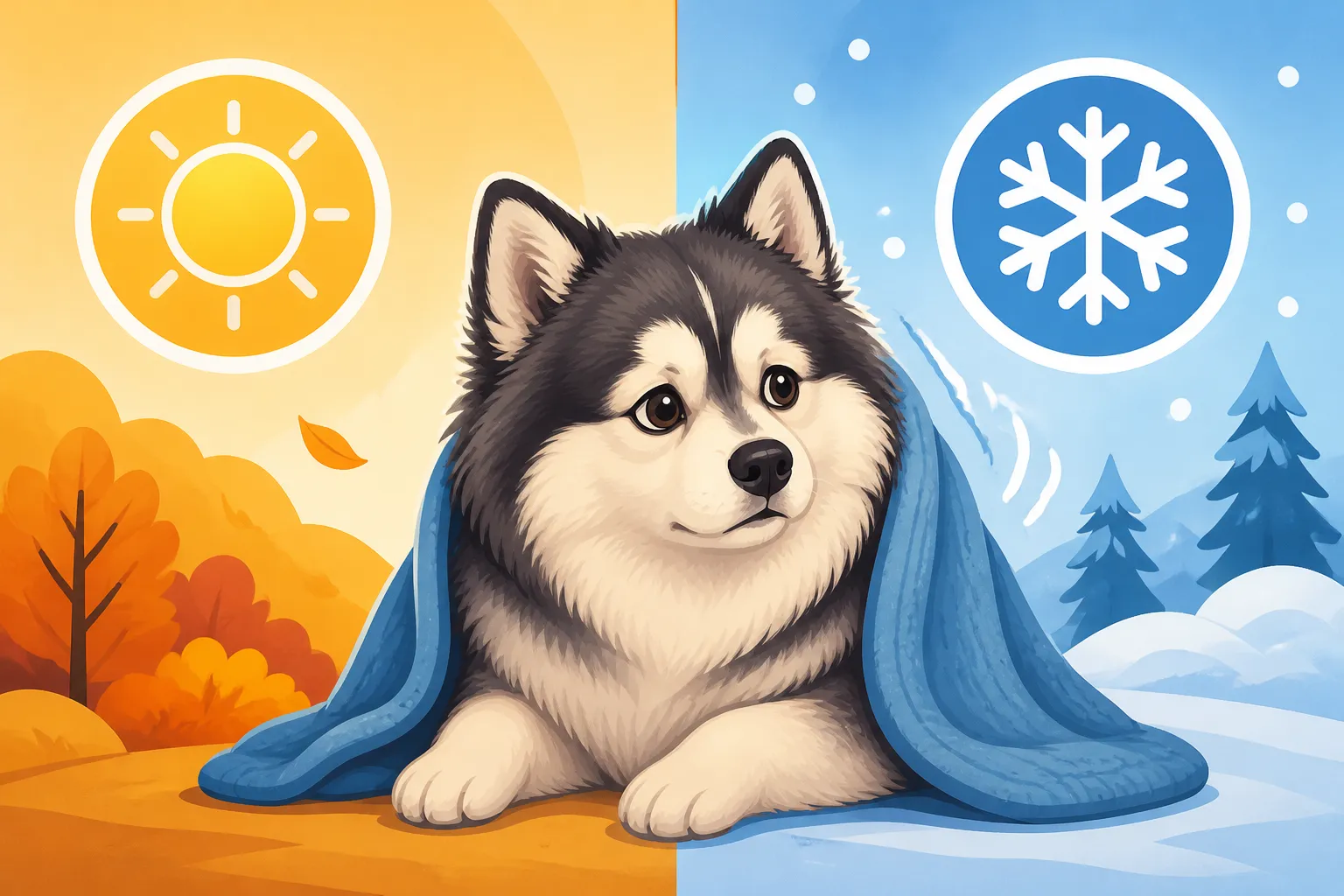
One common worry we Pomsky parents face as our beloved furballs transition into their senior years is whether they're still as resilient to the cold as they once were. It's heart-wrenching to think your once-robust companion might be suffering in temperatures they used to shrug off, and the truth is, an old Pomsky often does feel the cold more. This guide will walk you through why this happens and what you can do to keep your aging companion cozy and comfortable.
Understanding Your Senior Pomsky's Cold Tolerance
When your Pomsky was a bouncy, energetic youngster, they probably scoffed at chilly weather. Their luxurious double coat, a magnificent inheritance from their Siberian Husky lineage, made them seem almost impervious to winter's bite. But just like us, dogs change as they age, and their internal thermostat can get a little wonky.
The Double Coat's Role in a Young Pomsky
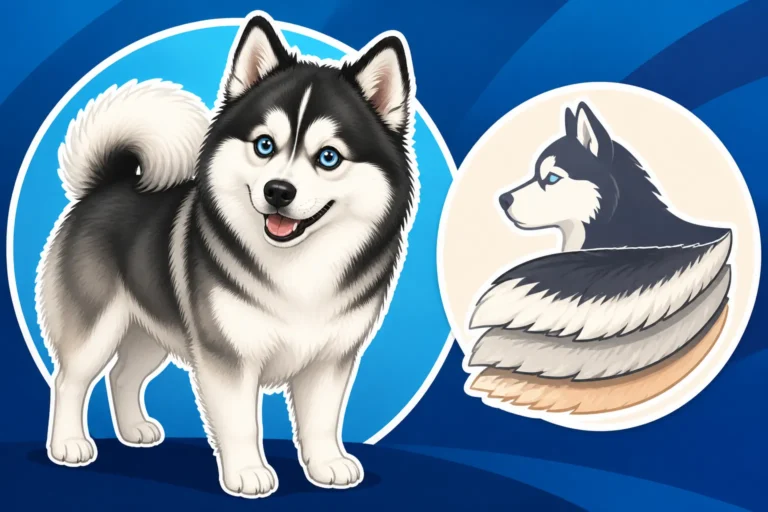
Think back to your Pomsky in their prime. They had that incredible double coat, right? A dense, soft undercoat providing superb insulation, and a coarser, longer outer coat (guard hairs) that repelled water and snow. This genetic gift, straight from the Arctic-adapted Husky, is designed to trap a layer of warm air close to their body, protecting them from both heat and cold. In a young, healthy Pomsky, this coat is a marvel of natural engineering. They could roll in the snow, play for ages, and come inside looking perfectly content, shedding little snowballs but otherwise unfazed. This natural protection is why Why a Pomsky's Double Coat Works in Both Seasons is so important to understand. Their bodies were efficient at regulating temperature, fueled by youthful energy and a brisk metabolism.
How Aging Changes Their Body's Thermoregulation
As the years tick by, several subtle but significant changes occur within your Pomsky's body that directly impact their ability to stay warm. It’s not just about the coat, although that can change too.
First, their metabolism slows down. A younger dog's body is a mini furnace, constantly burning calories to produce energy and, as a byproduct, heat. An older dog's metabolic rate decreases, meaning less internal heat generation. They're just not running as hot, literally. Second, many senior dogs lose muscle mass. Muscle is metabolically active tissue, and a healthy layer of it contributes to warmth. When muscle wastes away, even if replaced by fat, that fat isn't as efficient at generating heat. Thirdly, their circulation can become less robust. Poor circulation means that extremities like paws, ears, and tails might not get enough warm blood flow, making them feel colder quicker. Lastly, underlying health conditions, which become more common in senior dogs, can further interfere with their body's ability to maintain a stable core temperature.
Common Health Conditions That Impact Cold Sensitivity
It's not just the natural aging process; certain health issues that disproportionately affect older dogs can turn a minor chill into a significant discomfort for your Pomsky. Being aware of these can help you better anticipate and alleviate their struggles.
Arthritis and Joint Pain
This is a big one. Joint pain, often due to arthritis, is incredibly common in senior dogs, and oh boy, does the cold make it worse. Imagine your own creaky knees on a damp, chilly morning – that's often what your arthritic Pomsky is feeling, but perhaps all over their body. The cold causes muscles to tense up, and joints to stiffen, making every movement an effort, or even painful. A dog with sore joints is naturally less inclined to move around, which means they're generating less body heat through activity. They might just want to curl up in one spot, but without proper warmth, that spot can quickly become uncomfortable. This is why you might see an older Pomsky shaking even when it doesn't seem that cold to you. The discomfort leads to a lack of movement, which compounds the cold, creating a miserable cycle. Ensuring they have a warm, comfortable spot is paramount, and you might even consider Exercise for an Old Pomsky to keep their joints moving gently.
Hypothyroidism and Other Metabolic Changes
An underactive thyroid gland, or hypothyroidism, is another condition that can creep up on senior dogs and make them feel the cold more intensely. The thyroid gland is essentially the master regulator of metabolism. When it's not producing enough hormones, the dog's metabolism slows down considerably. This means their body generates less heat, they might gain weight despite eating less, and their coat might become dull or sparse. It's a double whammy: less internal heat production and sometimes even a compromised coat for insulation. Other metabolic changes associated with aging, even without full-blown hypothyroidism, can contribute to a general "cooling" of the internal systems. If you notice your senior Pomsky is lethargic, gaining weight, and always seeking warm spots, it’s definitely worth a vet visit to check their thyroid function. Signs a Pomsky's Thyroid Has Failed can be subtle but important to catch.
Dental Issues and Overall Nutritional Impact
It might sound strange, but even dental health can play a role in how well your senior Pomsky tolerates the cold. Older dogs are prone to dental disease, and painful teeth or gums can make eating a chore. If your Pomsky isn't eating a sufficient amount of high-quality food, they're not getting the calories needed to fuel their metabolism and produce body heat. Feeding an Old Pomsky needs to be a priority. Poor nutrition over time can also lead to a duller, thinner coat that offers less insulation, or a lack of healthy body fat, which serves as another layer of warmth. Ensuring your senior Pomsky has a good appetite and healthy teeth to process their food is crucial for maintaining their energy levels and, consequently, their warmth. Regular dental check-ups and cleanings, even for older dogs, are incredibly important for their overall well-being. Dental Disease in a Pomsky's Crowded Mouth is a particular concern for this breed.
Practical Steps to Keep Your Senior Pomsky Warm and Comfortable
Seeing your older Pomsky shiver or seem uncomfortable in the cold is tough. Luckily, there are many proactive steps you can take to make their golden years much cozier. Small changes in their environment and routine can make a huge difference.
Adjusting Indoor Environments
Your home becomes an even more crucial sanctuary for your senior Pomsky. Start by taking a critical look at your indoor temperatures. While a younger Pomsky might have been fine with the thermostat set lower, your senior friend will likely appreciate a warmer setting, perhaps between 68-72°F (20-22°C).
Consider their sleeping and resting spots. Are they near drafty windows or doors? Move their bed to a more sheltered, inner part of the house. Providing an orthopedic dog bed, perhaps one with a self-warming core or even an electric heated pad (always use pet-specific pads with automatic shut-off and monitor for overheating) can offer significant relief, especially for those with arthritis. Brands like Chewy and Amazon offer a wide range of supportive and warming beds. Elevated beds can also help, as they lift your dog off cold floors, preventing heat loss to the ground. Soft blankets, plush throws, and even a little igloo-style bed can create a warm, inviting den. Remember, if you're feeling chilly in a spot, your senior Pomsky probably is too, perhaps even more so.
Outdoor Considerations and Gear
Just because they're older doesn't mean your Pomsky doesn't enjoy fresh air, but their outdoor time needs a more thoughtful approach.
On colder days, shorten walks and be mindful of extreme temperatures. If it’s truly frigid, consider indoor play instead of a long outdoor excursion. When they do go outside, especially for potty breaks, a dog sweater or coat can provide that much-needed extra layer of warmth, even over their double coat. Yes, a Pomsky usually has a thick coat, but as we discussed, aging can reduce its effectiveness. Look for options made from fleece or wool for maximum insulation. Again, Chewy and Amazon have tons of options. Pay attention to their paws too; cold pavement, ice, and road salt can be painful and dangerous. Dog boots, while sometimes met with initial resistance, can protect their paws. Even just rubbing a paw balm or petroleum jelly on their pads before going out can offer a bit of a barrier. After any outdoor adventure, make sure to dry them thoroughly, especially if they’ve gotten wet or snowy, as dampness can quickly lead to a chill.
Dietary and Exercise Adjustments
Nutrition and appropriate exercise remain pillars of good health for senior Pomskies, and they directly influence their ability to stay warm.
A high-quality diet, rich in easily digestible protein and healthy fats, provides the sustained energy your senior Pomsky needs to maintain their body temperature. They might need a food formulated specifically for senior dogs, which often has a good balance of nutrients to support aging bodies. Consult your vet to ensure their diet is meeting their changing needs. If they're a bit underweight, your vet might suggest increasing their food intake slightly to build up some healthy fat reserves, which act as natural insulation. Brands like Ollie offer fresh food options that can be highly palatable for older dogs who might be picky eaters.
Exercise doesn't have to mean vigorous runs anymore. Gentle, consistent activity, like several short walks throughout the day or indoor play sessions, helps maintain muscle mass, improves circulation, and keeps their metabolism ticking over. This gentle movement generates internal heat and keeps their joints supple, making them feel more comfortable overall. The Birthday a Pomsky Counts as Senior is often when these adjustments start becoming necessary. Remember, the goal is comfort and health, not pushing them to their limits.
Recognizing the Signs Your Pomsky Is Too Cold
It's crucial to be able to identify when your senior Pomsky is struggling with the cold, as they can't always tell us directly. By observing both their behavior and physical state, you can intervene quickly and make them more comfortable.
Behavioral Cues
Dogs communicate through their actions, and when they're too cold, they'll often display a range of specific behaviors. One of the most obvious signs is shivering or trembling, even when they're indoors. This is their body's way of generating heat through involuntary muscle contractions. They might also appear hunched over or curled tightly into a ball, trying to minimize their exposed surface area and conserve body heat.
You might notice them seeking out warm spots in the house, like a sunny patch on the floor, under a blanket, or trying to snuggle closer to you than usual. They might become reluctant to move, wanting to stay put in their warm spot rather than getting up for food, water, or even a potty break. Some senior Pomskies might even whine or vocalize their discomfort, especially if they are also experiencing joint pain made worse by the cold. A general sense of anxiety or restlessness could also indicate they're uncomfortable with the temperature. If your typically playful or calm Pomsky is acting unusually withdrawn or distressed, cold could be a contributing factor.
Physical Indicators
Beyond behavior, there are several physical signs that your senior Pomsky is too cold. The most straightforward is simply feeling their extremities. Gently touch their ears, paws, and the tip of their tail. If these areas feel noticeably cold to the touch, it's a strong indicator that their body is diverting warm blood flow to their core, a sign of being too chilly.
Their breathing might become slower or shallower as their body tries to conserve energy. Their movements might appear stiff or clumsy, especially if arthritis is exacerbated by the cold. Their gums might also look paler than usual. In more severe cases, prolonged exposure to cold can lead to lethargy and unresponsiveness, which are emergency signs requiring immediate veterinary attention. Don't let it get to this point. Regularly check in with your older Pomsky, feel their body temperature, and observe their comfort levels, especially after spending time outdoors or in a cooler part of the house. This vigilance is key to ensuring their well-being.
Young vs. Old Pomsky Cold Tolerance: A Quick Comparison
To help illustrate the differences we've discussed, here’s a quick overview of how a younger, healthy Pomsky typically handles cold compared to their senior counterparts.
| Feature | Young, Healthy Pomsky (1-6 years) | Senior Pomsky (7+ years) |
|---|---|---|
| Coat Effectiveness | Dense double coat provides excellent insulation. | Coat may be thinner, duller, or less insulating due to age/health. |
| Metabolism & Heat Prod. | High metabolism, generates abundant internal body heat. | Slower metabolism, less efficient internal heat generation. |
| Muscle Mass | Good muscle mass, contributes to warmth and activity levels. | Muscle mass often decreases, reducing heat production and mobility. |
| Activity Level | High energy, constant movement generates heat. | Less active, slower movement, generates less heat from exercise. |
| Circulation | Robust blood flow to all extremities. | May have reduced circulation, leading to colder paws, ears, tail. |
| Joint Health | Generally healthy, flexible joints. | Prone to arthritis and joint pain, exacerbated by cold. |
| Underlying Health | Less likely to have chronic conditions impacting thermoregulation. | More prone to conditions like hypothyroidism affecting body temperature. |
| Recovery from Cold | Recovers quickly from cold exposure. | Takes longer to warm up; more susceptible to chills. |
| Comfort Threshold | Tolerant of colder temperatures for longer periods. | Sensitive to even mild cold; seeks warmth sooner. |
As you can see, the picture changes quite dramatically as they age. What was once a minor chill for a young, vibrant Pomsky can become a genuine source of discomfort and even pose health risks for a senior one. Understanding these differences empowers you to provide the best possible care for your aging companion.
Disclaimer
This article is for general informational purposes only and does not constitute professional advice. Laws, prices and regulations vary by location and change over time. Consult a qualified professional for guidance on your specific situation.