Whether Pomsky Buyers Got What the Photos Promised
When the first images of "Pomskies" started circulating online, they captivated thousands with the promise of a miniature Siberian Husky – all the stunning looks, compact into a cuddly, apartment-friendly package. Many early enthusiasts put down deposits and joined waiting lists, picturing a perfectly scaled-down version of a sled dog. However, the reality for many initial buyers was quite different from the viral dream. This guide will explore the expectations set by those early photos versus the diverse and often surprising reality of owning a Pomsky.
The Rise of the "Mini Husky" Myth
The internet is a powerful thing, and when the concept of a "Pomsky" first emerged, it spread like wildfire. People saw pictures – often misleading or misidentified – and a collective vision was born: a tiny, fluffy husky with piercing blue eyes, an adorable mask, and an undeniable allure. This vision drove an unprecedented demand for a breed that was, at the time, barely established.
The Viral Images and Unrealistic Expectations
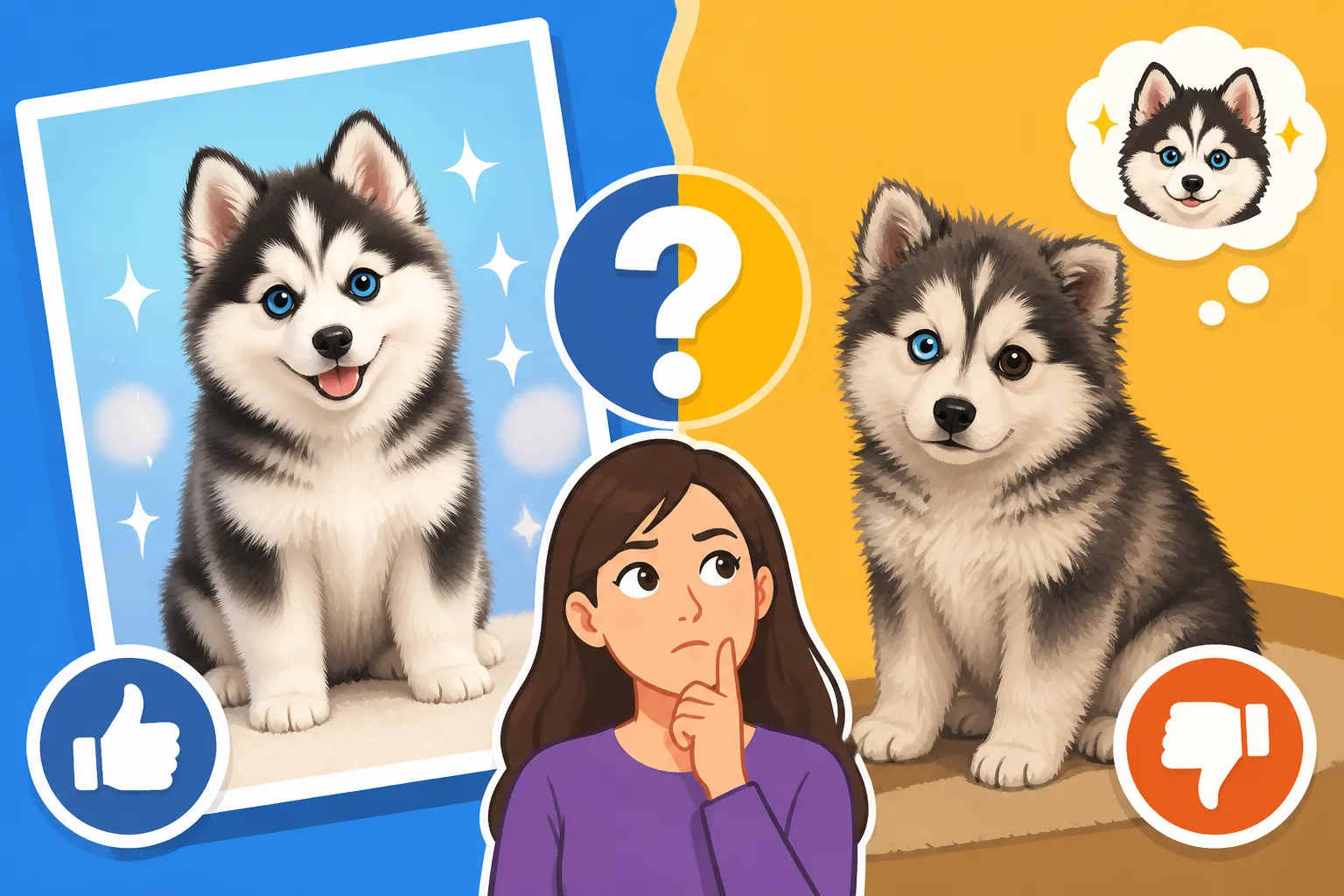
It’s easy to look back now and understand how a few well-timed, compelling photos could create such a sensation. In the early 2010s, specifically around The 2011 Photos That Were Not Pomskies, images began to surface online depicting what appeared to be tiny Huskies. These were often not actual Pomskies, but rather Alaskan Klee Kai or even cleverly Photoshopped images. Yet, the public imagination latched onto the idea. People envisioned a dog that would maintain the striking aesthetics of a Siberian Husky – the erect ears, the curled tail, the wolf-like markings, and that quintessential intense stare – but in a much smaller, more manageable size, like a Pomeranian. The frustration for many early adopters came when their actual puppy grew into something that bore only a passing resemblance to the dream dog. The expectation was often a guarantee of a specific look, which simply isn't how genetics work in a first-generation cross.
The Dream vs. Reality of a Pomsky
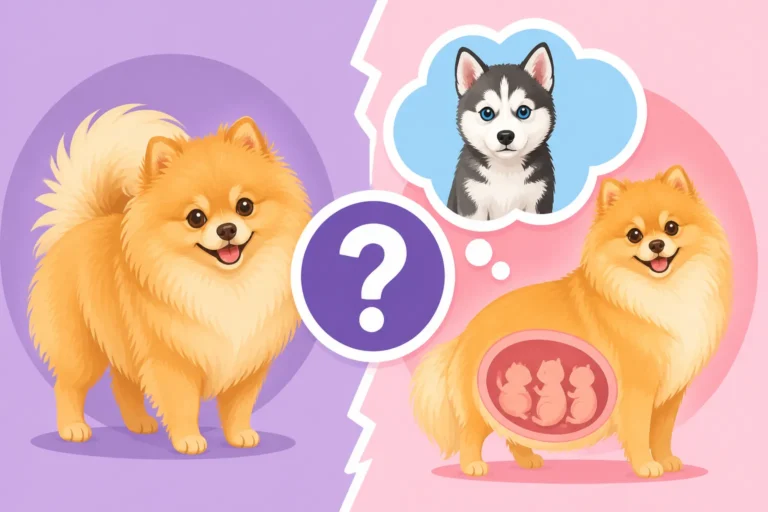
The dream for many was a "designer dog" with predictable traits, a miniature version of a beloved large breed. The reality, however, was that the Pomsky is a hybrid, a cross between two very different purebreds: the spirited Siberian Husky and the dainty Pomeranian. This means that each puppy in a litter is a unique genetic lottery winner (or loser, depending on your perspective and expectations). You might get a puppy that leans heavily towards the Pomeranian in appearance, with a fluffier coat, smaller stature, and less defined Husky markings. Or, you might end up with a dog that looks more like a Husky but is still far from miniature, potentially growing much larger than anticipated. The idea of a uniformly miniature Husky was a marketing marvel, but scientifically, it was a long shot, especially in the early days of breeding.
Genetic Realities and Phenotype Variability
The early Pomsky market was driven by desire, but the biological realities quickly caught up. The unpredictability of genetics is one of the defining characteristics of any hybrid breed, and the Pomsky is no exception. This isn't a knock against the breed, but a necessary understanding for anyone considering welcoming one into their home.
The Unpredictable Genetic Lottery
When you breed two different purebred dogs, especially ones with such distinct characteristics as the Siberian Husky and the Pomeranian, you're essentially rolling the genetic dice. An F1 Pomsky, which is a direct cross between a purebred Husky and a purebred Pomeranian, showcases this variability most dramatically. Each puppy can inherit a different combination of genes from its parents. This is why some F1 Pomskies might look more like a Husky, some more like a Pomeranian, and others a true blend. Breeders often prefer later generations, specifically because Why an F1 Pomsky Is Not the One Breeders Want is due to this wide range of outcomes. Moving to F2 (Pomsky to Pomsky) or even multigen Pomskies aims to stabilize traits, but even then, perfect predictability is a myth. The challenge for initial buyers was that they were often paying premium prices for puppies with highly uncertain adult appearances and sizes, based on an ideal image rather than genetic reality.
Size, Coat, and Appearance Divergence
The most immediate surprise for many early Pomsky owners was the sheer variability in size. While the viral photos suggested a dog weighing maybe 10-15 pounds, many Pomskies grew to be much larger, often settling into the 20-35 pound range, with some even exceeding that. If you were dreaming of a tiny lap dog, a 30-pound bundle of energy could be quite a shock. Our article What a Pomsky Actually Weighs Full Grown delves deeper into this.
Beyond size, coat type and appearance also presented major variations. Some Pomskies inherited the dense, stand-off coat of a Pomeranian, while others got the sleek, double-coated fur of a Husky. The iconic Husky mask and blue eyes, highly sought after, were not a given. Many Pomskies ended up with brown eyes, or one blue and one brown (bi-eyed), and markings varied wildly. Some breeders actively pursued the blue-eyed trait, but it was never guaranteed. The expectation of a consistent "mini Husky" look was often unmet, leading to disappointment for those who bought based solely on aesthetic ideals rather than appreciating the unique blend each Pomsky offers. As such, you'll see a wide array of looks even within the same litter, from dogs that genuinely look like mini Huskies to others that strongly resemble larger Pomeranians.
Temperament and Behavioral Surprises
Beyond physical appearance, the temperament and behavior of a Pomsky also proved to be a significant divergence from the initial "miniature perfect dog" narrative. Both Huskies and Pomeranians bring strong, distinct personality traits to the table, and their blend creates a dog with its own unique set of quirks and needs.
The Husky Howl and Pomeranian Sass
One of the most characteristic traits inherited from the Siberian Husky is their vocal nature. Huskies are known for their "talking," their dramatic howls, yips, and grumbles rather than traditional barking. Many Pomskies inherit this trait, meaning they can be incredibly communicative, and often quite loud. If you were expecting a quiet, docile lap dog, the reality of a Pomsky serenading you with a full-blown Husky howl, perhaps echoing through your apartment, could be a rude awakening. Our article on The Husky Howl in a Pomsky offers more insight into this.
On the other hand, the Pomeranian side contributes a feisty, confident, and sometimes demanding personality. They can be incredibly smart and spirited, often with a mischievous streak. This combination means a Pomsky can be a truly entertaining companion, full of character and opinions. However, it also means they require consistent training and socialization to channel that intelligence and energy positively. The "sass" of a Pomeranian combined with the dramatic vocalizations of a Husky can lead to a dog that is never boring, but also not always easy.
High Energy, High Drive
The initial perception often overlooked the significant energy requirements of a Pomsky. Huskies are working dogs, bred for endurance and pulling sleds over long distances. Pomeranians, while small, are surprisingly active and have a curious, exploring nature. Combine these, and you get a Pomsky that, regardless of its size, is often a bundle of energy. They thrive on activity and mental stimulation.
Early buyers expecting a low-maintenance pet were often surprised by the Pomsky's need for daily, vigorous exercise. This isn't a dog content with a quick stroll around the block. They need dedicated playtime, long walks, runs, or even dog sports to keep them happy and prevent destructive behaviors stemming from boredom. Furthermore, many Pomskies inherit the strong prey drive of the Husky. This means chasing squirrels, rabbits, or even cats is often an irresistible urge, making off-leash reliability a significant challenge and requiring secure fencing. This drive for exploration and pursuit, combined with their intelligence, can make them notorious escape artists, something covered in The Pomsky Escape Artist in a Twenty Pound Body.
Health Considerations and Lifespan Realities
Another area where early perceptions often clashed with reality was health. The "hybrid vigor" argument, suggesting mixed breeds are inherently healthier, was sometimes oversimplified or misunderstood, especially given the distinct health predispositions of the parent breeds.
Inherited Health Concerns from the Parent Breeds
While it's true that a mixed breed can sometimes have a broader genetic pool that reduces the incidence of certain breed-specific ailments, Pomskies are still susceptible to conditions found in both Siberians and Pomeranians. This isn't a magical shield against all health issues. For example, conditions like Slipping Kneecaps in a Pomsky (patellar luxation) are common in smaller breeds like Pomeranians and can be passed down. On the Husky side, concerns such as Hip Dysplasia in a Twenty Pound Pomsky can occur, though perhaps less frequently in a smaller Pomsky.
Other potential health issues include certain eye conditions (like juvenile cataracts or progressive retinal atrophy, seen in Huskies) and dental crowding (common in small-mouthed Pomeranians, as detailed in Dental Crowding in a Pomsky's Small Mouth). Understanding The Two Opposite Disease Lists a Pomsky Inherits is crucial for any potential owner. Reputable breeders work to screen their parent dogs for these inheritable conditions to minimize risks, but it's vital for buyers to be aware that a Pomsky is not immune to health problems. Initial buyers, swept up in the novelty, might not have fully considered these long-term health implications.
The Long-Term Commitment
Bringing any dog into your life is a significant long-term commitment, but for early Pomsky owners, the sheer cost and effort involved in maintaining the health and well-being of their unique crossbreed sometimes came as a surprise. A Pomsky can live for The Twelve to Fifteen Years a Pomsky Lives, which means many years of potential vet visits, specialized care, and ongoing expenses.
This isn't just about treating illnesses; it's about preventative care, vaccinations, regular check-ups, and ensuring a high-quality diet tailored to their needs. While initial puppy prices might have been the focus for many, the ongoing costs of veterinary care throughout a dog's life can be substantial. For owners who were initially drawn to the "cute factor" and underestimated the health needs, the reality of a potential chronic condition or an unexpected emergency vet bill could be financially daunting. Proactive owners learn to budget for these possibilities and consider pet insurance options to help mitigate some of the financial burden.
The Cost Beyond the Puppy Price
When Pomskies first hit the scene, their price tag alone was a point of discussion, often ranging significantly. However, the initial purchase price is just the tip of the iceberg, and many early adopters found themselves facing ongoing expenses far beyond what they initially budgeted.
Unexpected Grooming and Training Expenses
The Pomsky's double coat, inherited from both parent breeds, is stunning but requires significant upkeep. It’s not a wash-and-wear kind of fur. They shed, and when they "blow their coat" seasonally, it can be an overwhelming amount of hair. Many new owners were unprepared for the consistent brushing, deshedding tools, and potentially professional grooming sessions required. Our article The Grooming Bill on a Double Coated Pomsky paints a clear picture of these costs. Without proper grooming, the coat can mat, leading to skin issues and discomfort for the dog, and costly visits to the groomer for dematting or even shaving (which can permanently damage a double coat).
Furthermore, the Pomsky's intelligence, combined with their strong will, means training is not optional. They are often smart enough to outwit an inexperienced owner and require consistent, positive reinforcement training from an early age. This might mean enrolling in puppy classes, advanced obedience, or even hiring a professional trainer, all of which add to the overall cost of ownership. Expecting a perfectly behaved "mini Husky" without investing time, effort, and sometimes money into training was another common oversight for early Pomsky enthusiasts. Companies like Chewy offer a wide range of grooming tools and training aids, from high-quality brushes and deshedding shampoos to puzzle toys and durable leashes, which can help manage these needs.
Veterinary Care and Insurance
As we touched upon in health, the potential for inherited conditions means that veterinary bills can accumulate. From routine check-ups and vaccinations to unexpected illnesses or injuries, pet ownership comes with a financial responsibility that extends far beyond the initial cost. Many initial Pomsky buyers, caught up in the excitement of a new designer breed, might not have thoroughly researched the potential veterinary expenses associated with their mixed heritage.
Pet insurance is a crucial consideration that often wasn't at the forefront of early buyers' minds. While it adds a monthly premium, it can provide invaluable peace of mind when significant health issues arise, helping to cover unexpected surgical costs or long-term treatments. Without insurance, emergency care or managing a chronic condition can place a severe strain on a family's finances. Savvy owners know to set aside an emergency fund or invest in insurance to ensure their Pomsky receives the best possible care throughout its life.
Finding Reputable Breeders and Managing Expectations Today
The initial "wild west" of Pomsky breeding, fueled by demand and often misinformed expectations, has thankfully matured somewhat. While the breed is still relatively new and not recognized by major kennel clubs, there are many dedicated and ethical breeders working to improve the health and predictability of Pomskies.
What Reputable Breeders Strive For
Today, reputable Pomsky breeders are focusing on more than just producing cute puppies that resemble "mini Huskies." They prioritize health, temperament, and genetic predictability. This means they are typically:
- Health Testing Parents: Screening both the Husky and Pomeranian parent dogs for known genetic conditions common to their breeds. This includes checking hips, knees, and eyes to reduce the likelihood of passing on predispositions to puppies.
- Focusing on Temperament: Breeding dogs with stable, friendly temperaments to ensure puppies grow into well-adjusted companions.
- Providing Transparency: Being open about the variability in size, coat type, and temperament that can occur, even in later generations. They will often share photos of previous litters and adult dogs to give prospective buyers a realistic idea of what to expect.
- Offering Support: Providing ongoing support and guidance to new owners, helping them navigate the unique challenges and joys of Pomsky ownership.
Organizations like The International Pomsky Association and What It Sets were formed to help establish standards and ethical breeding practices, moving away from the purely profit-driven approach that characterized some early breeders. They aim to protect the integrity of the breed and ensure buyer satisfaction through education and guidelines.
Setting Realistic Expectations for Your Future Pomsky
If you're considering adding a Pomsky to your family today, the key is to approach it with realistic expectations, rather than the idealized image that circulated a decade ago. Here's what to keep in mind:
| Trait | Early Viral Promise | Common Pomsky Reality (Today) |
|---|---|---|
| Size | Tiny, 8-15 lbs, true miniature Husky | Variable, 15-35 lbs, some larger; "Toy" often 20 lbs |
| Appearance | Perfect miniature Husky replica | Wide range: more Husky, more Pomeranian, or blend |
| Coat Type | Dense Husky double coat | Can be Husky, Pomeranian, or a woolier blend |
| Eye Color | Guaranteed striking blue eyes | Blue, brown, bi-eyed, or parti-colored eyes |
| Temperament | Docile, calm, easily trained | Energetic, vocal, intelligent, requires consistent training |
| Exercise | Moderate walks, apartment friendly | High energy, needs daily vigorous exercise & mental stimulation |
| Grooming | Occasional brushing | Significant shedding, needs regular brushing & deshedding |
| Health | Hybrid vigor, few issues | Susceptible to conditions from both parent breeds |
Do your research, ask reputable breeders plenty of questions, and understand that you are getting a unique dog with a mix of traits. While the "mini Husky" dream sparked the breed's popularity, the actual Pomsky is a charming, intelligent, and energetic companion in its own right, deserving of an owner who appreciates its individuality and is prepared for the full scope of its needs. Whether you're stocking up on robust chew toys or specialty foods from Chewy, being prepared for the realities of a Pomsky is the best way to ensure a happy, healthy life together.
Disclaimer
This article is for general informational purposes only and does not constitute professional advice. Laws, prices and regulations vary by location and change over time. Consult a qualified professional for guidance on your specific situation.