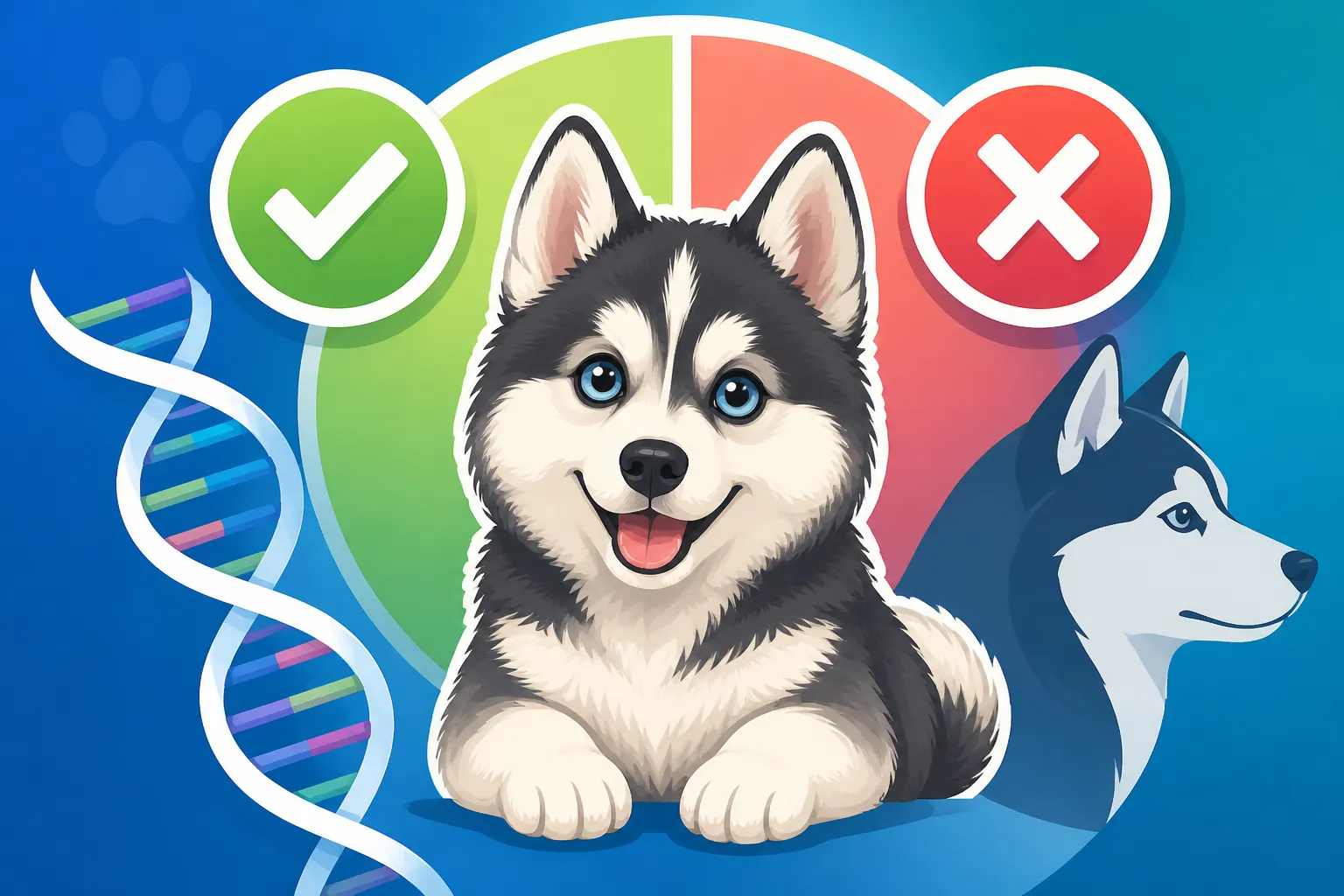
Whether a DNA Test Confirms a Pomsky
The journey of owning a Pomsky is full of joys and, sometimes, a few mysteries. One of the biggest questions that often pops up for new and prospective owners is about the true heritage of their adorable, fluffy companion. With so many mixed breeds out there and a strong desire to understand our dogs better, it's natural to wonder if a DNA test can truly confirm if your furry friend is, in fact, a Pomsky. This guide will dive deep into how canine DNA tests work, what they can tell you about your dog's lineage, and how to interpret those results when it comes to confirming your Pomsky.
Understanding the Pomsky: More Than Just a Cute Face
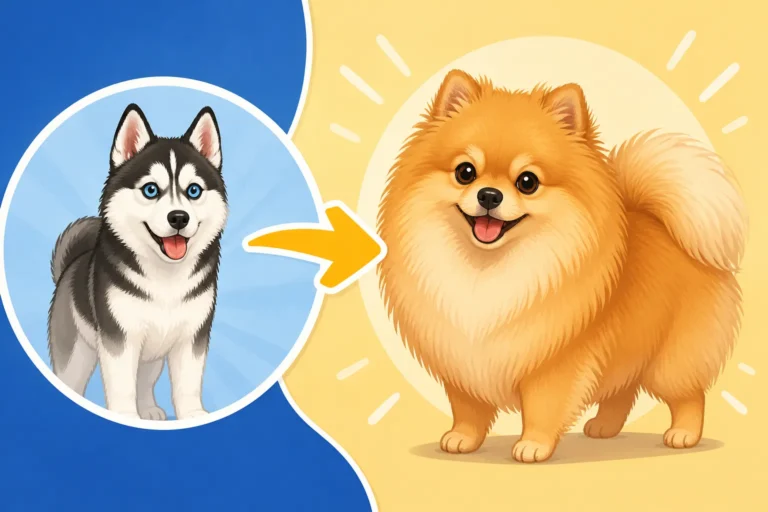
Before we talk about DNA tests, let's get a handle on what a Pomsky actually is, and why there's often so much curiosity (and sometimes confusion) surrounding their lineage. A Pomsky is a designer breed, a cross between a Siberian Husky and a Pomeranian. The intention behind this cross was to create a smaller version of the Husky, blending the majestic looks and playful spirit of the Siberian with the more compact size and bold personality of the Pomeranian.
What Exactly Is a Pomsky? F1, F2, and Beyond
When we talk about Pomskies, you'll often hear terms like F1, F2, or even Multigen. These aren't just fancy labels; they actually tell us a lot about the dog's generational standing. An F1 Pomsky is a first-generation cross, meaning one parent is a purebred Siberian Husky and the other is a purebred Pomeranian. These are often the most variable in terms of looks and temperament because they're a direct blend of two distinct breeds. You might end up with a pup that looks more like a Husky, or one that heavily favors the Pomeranian, or a truly unique blend.
Then you have F2 Pomskies, which are the offspring of two F1 Pomsky parents. F3s come from two F2 parents, and so on, leading to "Multigen" (multi-generational) Pomskies. The idea behind breeding beyond F1 is to create more consistency in traits like size, coat type, and temperament. However, even with multi-generational breeding, the genetic lottery still plays a significant role. Breeders are striving for predictability, but it's a long road. You can learn more about this in Whether an F1 Pomsky Is Healthier Than an F2.
The Challenges of Predicting Pomsky Traits
One of the beautiful yet unpredictable aspects of a Pomsky is their genetic makeup. Unlike purebred dogs, where generations of selective breeding have solidified certain traits, Pomskies are still a relatively new crossbreed. This means that even within the same litter, you can see a huge variation. Some puppies might inherit the classic Husky mask and piercing blue eyes, while others might have a more Pomeranian-like fox face and brown eyes. Some will get the thick, plush double coat, while others might have a shorter, less dense fur.
It's this very unpredictability that makes them so charming, but it also fuels the desire for confirmation. Owners want to know, truly know, what genetic ingredients went into their beloved companion. It’s not just about bragging rights; it's about understanding potential health predispositions, grooming needs, and even behavioral tendencies. For instance, knowing you have a strong Husky heritage might clue you into a higher prey drive or a tendency to escape, which impacts how you train and secure your home. The Pomsky That Carries a Husky Coat at Twenty Pounds is a great example of this.
The "Designer Dog" Dilemma and Mixed Breed Perceptions
The term "designer dog" came about to describe intentional crossbreeds like the Pomsky. While they are incredibly popular, they also exist in a bit of a gray area when it comes to breed recognition. Traditional kennel clubs typically don't recognize crossbreeds as official breeds, which means there isn't a standardized pedigree or registration process in the same way there is for purebreds. This lack of formal recognition can lead to questions about legitimacy, especially if you've purchased a puppy from a less-than-reputable breeder who might be selling a different mix under the Pomsky name.
This is where the frustration often comes in for owners. You’ve fallen in love with a dog that looks like a Pomsky, but without official papers, how do you really know? The internet is rife with stories of people thinking they bought one breed only for it to turn out to be something else entirely. It’s a valid concern, and it’s precisely why DNA testing has become such a valuable tool for mixed-breed owners. It offers a tangible answer in a world of beautiful, but sometimes ambiguous, canine genetics.
How Canine DNA Tests Work (and What They Tell You)
Canine DNA testing has come a long way, offering pet parents an incredible glimpse into their dog's genetic blueprint. It's not just a passing fad; it's a powerful scientific tool that can provide a wealth of information.
The Science Behind Breed Identification
At its core, canine DNA testing works by comparing your dog's unique genetic markers to a vast database of markers from hundreds of purebred dog breeds. Think of it like a puzzle. Your dog's DNA is broken down into countless tiny pieces, and the testing company tries to match those pieces to known patterns associated with specific breeds. Each breed has a characteristic genetic signature, a kind of "fingerprint" left by generations of selective breeding.
When you swab your dog's cheek, you're collecting epithelial cells that contain their DNA. This sample is then sent to a lab, where the DNA is extracted and analyzed. Technicians look at specific regions of the DNA that are known to vary between breeds. These variations, called single nucleotide polymorphisms (SNPs), act as markers. The more markers your dog shares with a particular breed in their database, the higher the percentage that breed contributes to your dog's genetic makeup. It's a fascinating process that leverages advances in genetic science to demystify our dogs' origins.
Accuracy and Limitations of Commercial Tests
While modern canine DNA tests are incredibly sophisticated, it's important to approach them with realistic expectations. The accuracy of a test largely depends on the size and quality of the reference database a company uses. Companies with larger, more diverse databases will generally provide more precise results. Most reputable tests can accurately identify the major breeds present in a mixed-breed dog, especially if those breeds are well-represented in their database.
However, there are limitations. For very complex mixes, or if your dog has a rare breed in their ancestry that isn't heavily sampled in the database, the results might be less precise. Some tests might identify general breed groups (like "Terrier Group" or "Herding Group") if they can't pinpoint a specific breed. Also, while they can tell you what breeds are present, they can't necessarily tell you which physical traits came from which ancestor, as genetics are complex and many genes interact. For instance, a Pomsky might inherit the fluffy coat genes from both parents, making its coat exceptionally dense.
What a DNA Test Can Confirm: Parent Breeds and More
So, what can a DNA test definitively confirm for your Pomsky?
- Parent Breeds: This is the big one for Pomsky owners. A quality DNA test should be able to identify the Siberian Husky and Pomeranian as the primary parent breeds. If your dog is an F1 Pomsky, the results might show a roughly 50/50 split between Siberian Husky and Pomeranian. For F2 or Multigen Pomskies, you might see varying percentages, potentially with minor traces of other breeds if there was an undocumented cross in previous generations.
- Health Markers: Beyond breed identification, many DNA tests screen for genetic health predispositions specific to the breeds identified. This can be invaluable information for your veterinarian and for proactive health management. For example, some tests might flag genetic markers for The Collapsing Trachea a Pomsky Gets From the Pomeranian or The Eyes a Pomsky Gets From the Husky. Knowing these risks can help you prepare and take preventative measures.
- Physical Traits: Some tests also provide insights into genetic markers for physical traits, like coat color, coat type (e.g., The Wooly Pomsky Coat and Its Upkeep), shedding levels, and even adult weight predictions. While not 100% predictive of appearance, it can offer a fascinating peek into why your Pomsky looks the way they do.
It’s about getting as complete a picture as possible. You’re not just confirming a name; you’re unlocking a wealth of information about your dog’s past and potential future.
Applying DNA Tests to Your Pomsky: The Confirmation Quest
You've got your test results back, and now it's time to decipher what they mean for your Pomsky. This is often the most anticipated part of the process, but it can also be a little confusing if you don't know what to look for or how to interpret unexpected findings.
Interpreting Pomsky DNA Results: The Percentage Breakdown
When you get your results, you'll typically see a breakdown of breed percentages. For an F1 Pomsky, the ideal scenario would be something close to 50% Siberian Husky and 50% Pomeranian. This confirms a direct first-generation cross. However, genetics aren't always so neat. You might see 48% Husky and 52% Pomeranian, or similar slight variations. These small differences are normal and don't negate the Pomsky identity.
For F2 or Multigen Pomskies, the percentages will likely be more complex. You might see a higher percentage of one breed over the other, or a mix of "Pomsky" if the testing company has a specific algorithm for known designer breeds within its database. Some tests might just break down the purebred components (Husky, Pomeranian), even if your dog is a later generation. The key is to see both Siberian Husky and Pomeranian present in significant proportions, confirming their foundational heritage. If your dog is indeed a Pomsky, those two breeds should dominate the genetic pie chart.
When Results Don't Quite Match Expectations
Sometimes, the results can throw a curveball. What if your "Pomsky" turns out to have a significant percentage of, say, Alaskan Klee Kai, or even a different Spitz breed like a Finnish Lapphund? This can be disappointing, especially if you had a specific vision for your dog's heritage. In these cases, it means your dog might not be a pure Pomsky as traditionally defined, but rather a mix that includes one or both of those breeds, or another closely related breed was introduced somewhere down the line. It's not uncommon for less scrupulous breeders to cross other small Spitz-type dogs into Pomsky lines, sometimes intentionally to achieve a certain look or size, or sometimes due to accidental breeding. Whether a Cheap Pomsky Is Really a Pomsky touches on this potential issue.
This doesn't make your dog any less special, of course! It just provides clarity. It can be a moment to reflect on the importance of choosing a reputable breeder who is transparent about their breeding practices and provides health clearances for parent dogs. Always prioritize a dog's health and temperament over specific breed percentages or a particular look. The good news is that you now have a factual understanding of your dog's true genetic makeup, which can still be incredibly valuable for their health and care.
Distinguishing a True Pomsky from a Similar-Looking Mix
The world is full of adorable mixed-breed dogs, and many can look surprisingly similar to Pomskies. A DNA test becomes your detective tool in these scenarios. For example, some smaller Huskies or larger Pomeranians might be mistaken for Pomskies, or even other Spitz mixes. An Alaskan Klee Kai, a purebred dog designed to look like a miniature Husky, is sometimes confused with or even sold as a Pomsky. Without a DNA test, it's very hard to tell the difference just by looking, especially if the dog is an adult.
A DNA test provides the concrete evidence. If your dog is indeed a Pomsky, the test will clearly show the presence of Siberian Husky and Pomeranian DNA. If it comes back with a high percentage of Alaskan Klee Kai, or a different combination of breeds, you have your answer. This factual confirmation can bring peace of mind and help you understand your dog's unique needs better. Remember, regardless of the breed mix, your dog is an individual with their own personality, and the DNA test is just one more piece of their wonderful story.
Beyond Breed Identification: The Full Scope of DNA Testing for Pomskies
While breed confirmation is often the primary driver for Pomsky owners to get a DNA test, these tests offer a much wider scope of information that can be incredibly beneficial for your dog's long-term health and well-being. It's about getting a comprehensive picture, not just a label.
Uncovering Potential Health Predispositions
This is perhaps one of the most powerful aspects of canine DNA testing. Both Siberian Huskies and Pomeranians are prone to certain genetic health conditions, and these can be passed down to their Pomsky offspring. For instance, Huskies can be prone to certain eye conditions like The Juvenile Cataracts a Pomsky Gets From the Husky or Corneal Dystrophy in a Pomsky, while Pomeranians are known for Slipping Kneecaps in a Pomsky (patellar luxation) and The Collapsing Trachea a Pomsky Gets From the Pomeranian.
A comprehensive DNA test can screen for known genetic markers associated with these and many other conditions. If your Pomsky tests positive for a predisposition, it doesn't mean they will definitively develop the disease, but it gives you and your vet a heads-up. You can then implement preventative care strategies, monitor for early symptoms, or even modify their diet or exercise routine to mitigate risks. This proactive approach can significantly impact your Pomsky's quality of life and potentially save on costly treatments down the road. It empowers you to be a more informed and prepared pet parent.
Understanding Genetic Traits: Coat Type, Eye Color, and More
Beyond health, DNA tests can also shed light on your Pomsky's genetic traits. Ever wondered why your Pomsky has one blue eye and one brown, or that stunning wooly coat? A DNA test can provide the genetic explanation. It can identify genes associated with:
- Coat Type: Confirming if your Pomsky carries genes for a standard, plush, or even a wooly coat, which has significant implications for grooming. For example, a wooly coat needs more diligent care to prevent matting. What a Wooly Pomsky Looks Like can offer a visual.
- Coat Color and Pattern: Explaining the fascinating array of colors and patterns Pomskies can display, from the classic black and white Husky markings to reds, sables, and merles (though merle is controversial in Pomskies due to potential health links if not carefully bred).
- Eye Color: Unraveling the mystery behind those captivating blue or parti-colored eyes, confirming the genetic markers inherited from the Husky side. Whether Blue Eyed Pomskies See Worse is a common concern that can be indirectly addressed by understanding eye genetics.
- Shedding: Giving you a better idea of what to expect in terms of shedding, which is a major concern for double-coated breeds like Pomskies. Knowing this can help you prepare for Whether a Pomsky Blows Its Coat Twice a Year.
This information isn't just for curiosity; it helps you tailor your care routine. Knowing your Pomsky's coat genetics can inform your grooming schedule and choice of tools. Understanding their genetic size potential can help you choose the right collar, harness, or even dog bed. It all contributes to a more personalized and effective care plan.
Using DNA for Responsible Breeding (Informational Context)
While this guide is primarily for pet owners, it's worth noting that DNA testing is an indispensable tool for responsible breeders. For those involved in multi-generational Pomsky breeding, these tests help ensure they are making informed decisions about pairings to reduce the incidence of genetic diseases and to work towards predictable, healthy offspring.
By screening parent dogs for genetic health conditions before breeding, responsible breeders can actively work to eliminate undesirable traits from their lines, contributing to the overall health and vitality of the Pomsky population. This benefits future generations of Pomskies and their owners. It's a key part of ethical breeding practices, providing valuable data to guide selective breeding and improve the breed's health over time.
Choosing a Canine DNA Testing Service
So, you're convinced and ready to get your Pomsky DNA tested. But with several services on the market, how do you choose the right one? It's important to select a reputable company that offers comprehensive testing and clear, actionable results.
Key Features to Look for in a Testing Kit
Not all DNA tests are created equal. When researching, look for services that offer:
- Comprehensive Breed Database: The larger and more diverse the database, the more accurate and detailed your breed breakdown will be. Ensure they have strong representation for both Siberian Huskies and Pomeranians.
- Extensive Health Screening: Don't just settle for breed identification. Look for tests that screen for a wide array of genetic health conditions, especially those relevant to the parent breeds of Pomskies. This is where the real value often lies.
- Trait Analysis: If you're curious about your Pomsky's coat type, color genetics, or shedding tendencies, ensure the test includes trait analysis.
- Clear, Easy-to-Understand Results: The reports should be intuitive, providing not just raw data but also explanations of what the results mean for your dog. Many services offer online portals where you can delve into the details.
- Customer Support: Should you have questions about the process or the results, good customer support can be invaluable.
- Reputation and Reviews: Check independent reviews and forums to see what other pet owners say about their experiences with different testing companies.
Popular and Reputable Providers
There are a few well-known companies that consistently receive high marks for their canine DNA testing services. While I won't list specific prices or plan tiers, they generally offer various packages, from basic breed identification to extensive health and trait analyses. These companies are often found in pet supply stores or online, making them accessible. You might even find some options available through trusted retailers like Chewy, which makes the purchasing process convenient.
When you're ready to order, a quick search for "canine DNA test" will bring up several options. Look for detailed breakdowns of what each kit includes so you can choose the one that best fits your needs and budget. Remember to read the fine print regarding sample collection and shipping instructions to ensure a smooth process.
The Process: From Swab to Results
The typical DNA testing process is surprisingly straightforward:
- Order the Kit: Select your preferred testing service and order the kit, perhaps even from a convenient online retailer like Chewy.
- Collect the Sample: This is usually done with a simple cheek swab at home. The kit will come with clear instructions. The key is to ensure your dog hasn't eaten or drunk anything for about an hour before swabbing to get a clean sample.
- Mail the Sample: Package the swab according to the instructions and mail it back to the lab.
- Receive Results: After a few weeks (the turnaround time can vary), you'll receive an email notification that your results are ready. These are typically accessed through an online portal where you can view your Pomsky's breed breakdown, health predispositions, and trait analyses.
The waiting can feel long, but the wealth of information you receive about your unique Pomsky is often well worth it. It’s an investment in understanding your dog on a deeper, more scientific level, leading to more informed care and a stronger bond.
Here's a quick overview of what a DNA test can and cannot definitively tell you about your Pomsky:
| Feature | What a DNA Test CAN Tell You | What a DNA Test CANNOT Tell You |
|---|---|---|
| Breed Identification | Exact percentages of Siberian Husky and Pomeranian DNA (and other breeds). | Which specific traits came from each percentage (e.g., this exact patch of fur). |
| Genetic Health Risks | Predispositions to certain inheritable diseases (e.g., eye conditions, patellar luxation). | That your dog will definitely develop these conditions. |
| Physical Traits | Genetic markers for coat type, color, eye color, adult size estimates, shedding levels. | The exact aesthetic outcome of those genes (e.g., the precise shade of blue eye). |
| Ancestry Depth | Identification of breeds up to several generations back, including if your dog is F1, F2 etc. | The names of individual ancestors or exact pedigree chart. |
| Behavioral Tendencies | Potential breed-specific behavioral traits (e.g., prey drive from Husky). | Your dog's exact personality or how they will respond to training. |
Disclaimer
This article is for general informational purposes only and does not constitute professional advice. Laws, prices and regulations vary by location and change over time. Consult a qualified professional for guidance on your specific situation.