Whether Most Pomsky Buyers Wanted a Miniature Husky
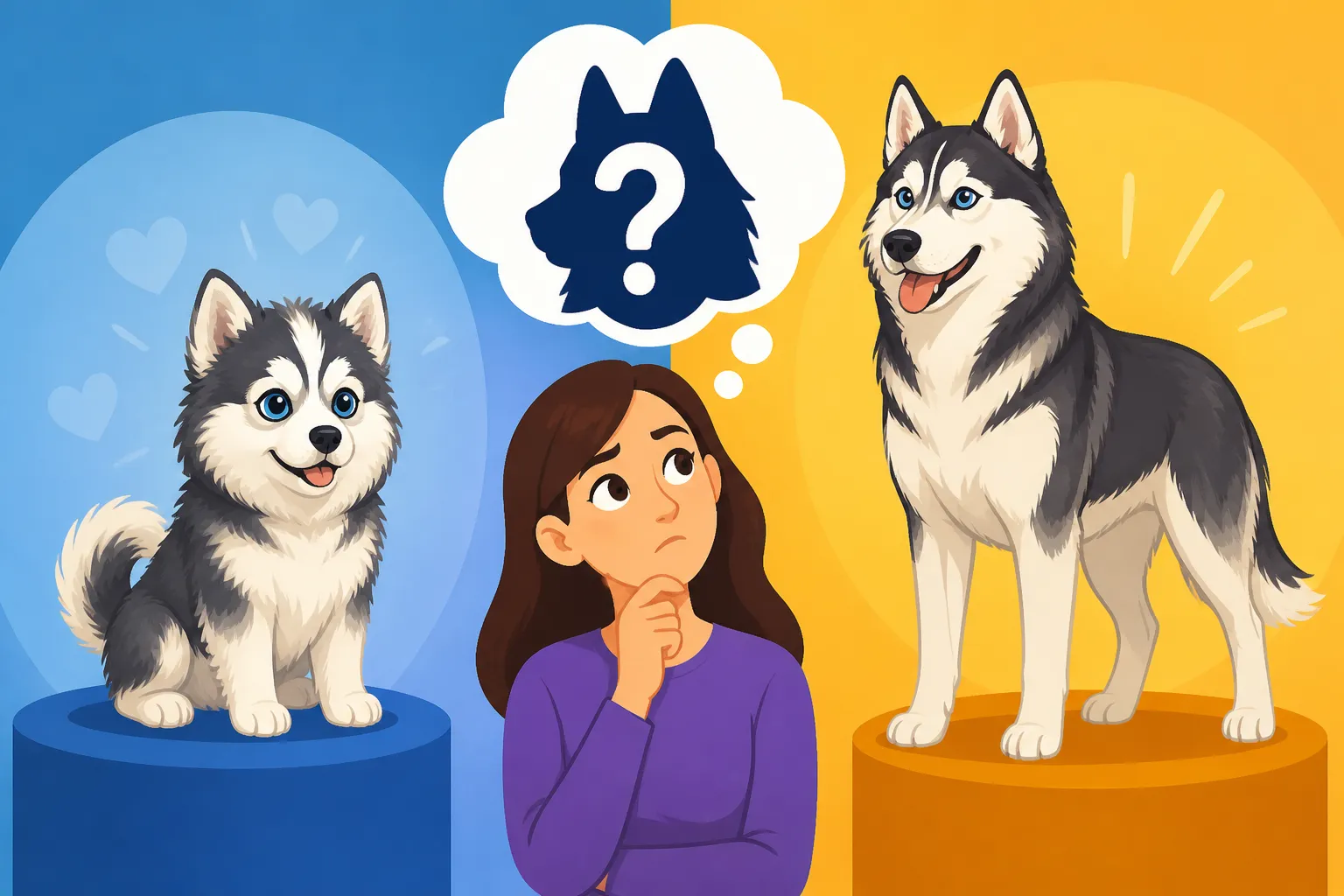
It’s a tale as old as the internet itself: you see a photo, you fall in love, and then you spend months trying to find the real deal. For so many aspiring Pomsky owners, that initial spark came from images of what looked like a perfectly miniature Siberian Husky, complete with striking blue eyes and a dense, plush coat, but sized for a suburban home. This guide will explore whether the dream of a "miniature Husky" truly fueled the Pomsky's rise in popularity and what the reality of owning this unique hybrid often entails.
The Allure of the "Miniature Husky" Illusion
Let's be honest, the Siberian Husky is a majestic dog. Their piercing eyes, wolf-like appearance, and energetic spirit capture hearts worldwide. But for many, the sheer size and immense exercise requirements of a purebred Husky are simply not feasible. That's where the idea of a "miniature Husky" stepped in, filling a perceived void in the market and creating a phenomenon around the Pomsky.
The Viral Photos That Started It All
It all began with a few captivating images circulating online, often misidentified or even digitally altered, that showcased dogs resembling tiny Huskies. These weren't necessarily Pomskies in many cases, as noted in articles like The 2011 Photos That Were Not Pomskies. Regardless of their true origin, these pictures ignited a widespread desire. People shared them endlessly, asking, "What breed is this?" and "Where can I get one?" This digital snowball effect laid the groundwork for the Pomsky's popularity, promising an adorable, compact version of a beloved breed.
The visual impact was undeniable. Imagine a dog with the exact markings of a Husky, the erect ears, the curled tail, and those signature captivating blue eyes, but small enough to comfortably curl up on your lap or fit into a smaller living space. This image, perhaps more than any scientific breeding effort, is what truly sparked the public's imagination and drove initial demand for the Pomsky. It wasn't just about getting a new dog; it was about getting that dog – the one that looked like it walked straight out of an enchanted snowy forest but could ride in a carrier under an airplane seat.
Why the Husky Aesthetic Is So Desirable
The appeal of the Husky aesthetic goes deep. There's an undeniable wild beauty to their appearance, a certain mystique that draws people in. Husky eyes, especially the vibrant blues or heterochromatic (bi-colored) ones, are often cited as a major draw. The distinct facial masks, the thick double coat that seems designed for epic adventures – these are all highly prized traits. When the prospect of combining these features with the smaller size of a Pomeranian emerged, it felt like a dream come true for many.
For city dwellers, apartment residents, or simply those who adored the Husky look but recognized their limitations in providing for a large, high-energy breed, the "miniature Husky" offered a solution. It represented the best of both worlds: the stunning visual appeal of a Husky without the full commitment to a giant dog. The hope was that they could get that striking look in a dog they could more easily manage, whether it was on public transportation or in a smaller yard. This strong aesthetic preference was, without a doubt, a primary driver for many who first sought out a Pomsky, hoping that the genetic dice would land perfectly in their favor.
The Reality of Pomsky Genetics and Appearance
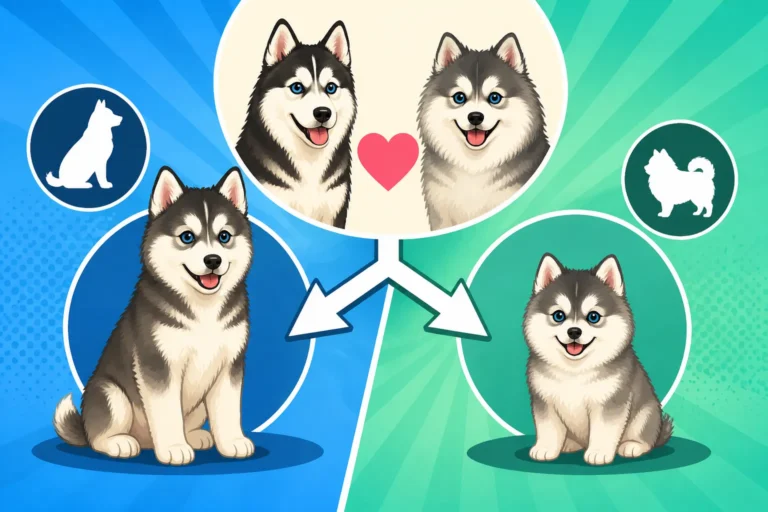
While the dream was a perfectly scaled-down Husky, the reality of genetics often presents a much wider spectrum of appearances. Breeders often face the challenge of meeting these high expectations, especially in the early generations of Pomskies.
The Unpredictable Genetic Lottery
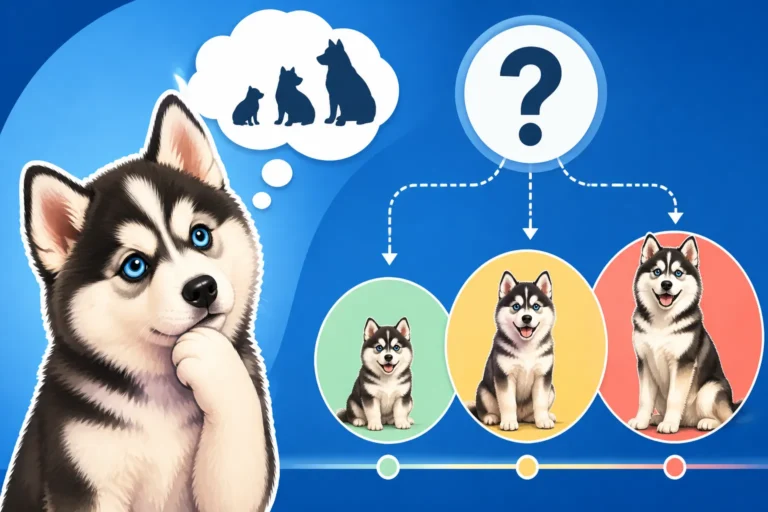
One of the biggest eye-openers for prospective Pomsky owners is the sheer variability within a single litter, especially in the first generation (F1). When you breed a Siberian Husky with a Pomeranian, you're essentially rolling a genetic dice. Each puppy inherits a unique combination of traits from both parents. This means one puppy might lean heavily towards the Husky in size and features, while another might look much more like a large Pomeranian. As we discussed in The Pomsky the Internet Ordered Before It Existed, the initial images often set an unrealistic standard.
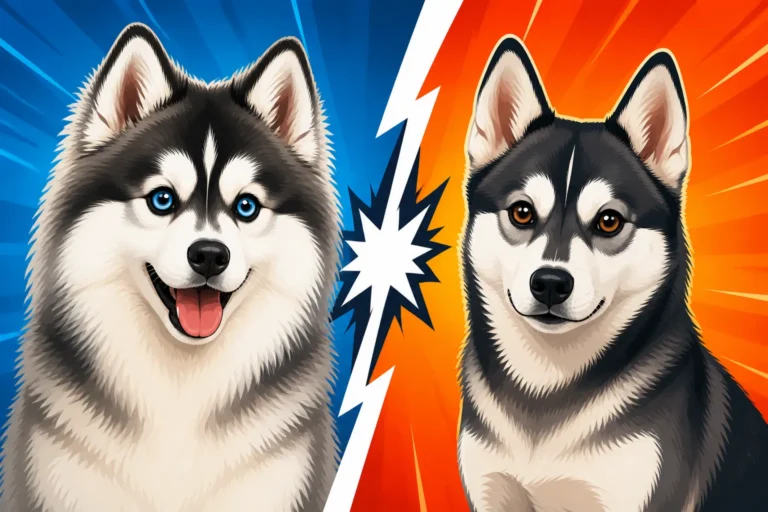
It’s not uncommon to find F1 Pomskies that grow larger than expected, or whose coats are fluffier and stand off the body more like a Pomeranian, rather than lying sleekly like a Husky. Their ears might flop, their tails might not curl perfectly, and their eyes could be brown instead of blue. While all Pomskies are undeniably adorable, the vision of a dog that perfectly mirrors a Husky, just smaller, is a rare genetic jackpot. Buyers quickly learn that getting that specific look isn't a guarantee, and often, what they actually get is a wonderful, unique dog that doesn't quite fit the viral photo mold.
More Pomeranian Than Expected
Despite the initial desire for a miniature Husky, many Pomskies end up exhibiting more Pomeranian characteristics than some buyers initially anticipated. This can manifest in several ways: their size might be smaller than the mid-range "mini-Husky" ideal, their fur might be softer and thicker with a more pronounced stand-off quality, and their facial features might be rounder and more foxy, rather than the sharp, angular look of a Husky. This often leads to the realization that Whether Most Pomskies Look Like Big Pomeranians is a more accurate description for a significant portion of the breed.
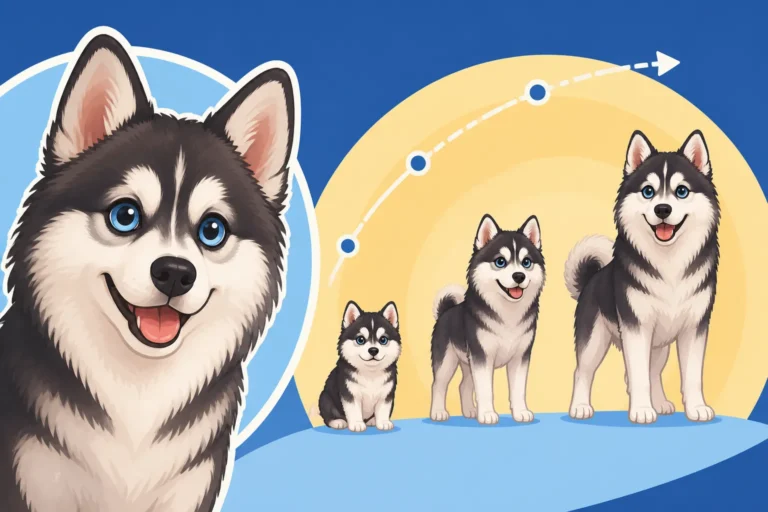
A Pomsky's coat, for example, can be a delightful mix. While some might get the sleek Husky-like double coat, others inherit the dense, fluffy, and sometimes wooly coat of a Pomeranian, which requires a different grooming regimen and might be prone to matting if not maintained diligently. The size, too, is a significant factor. While the average Pomsky generally weighs between 20-30 pounds, some can fall closer to the Pomeranian's small stature, while others surprise owners by reaching 40 pounds or more. This makes predicting What a Pomsky Actually Weighs Full Grown a challenge for even experienced breeders, and certainly for buyers focused solely on a specific image.
Beyond Looks: Temperament and Lifestyle Expectations
Beyond the visual appeal, many prospective Pomsky owners also harbored expectations about the temperament and lifestyle a "miniature Husky" would offer. They often hoped for a dog that was easier to manage than a full-sized Husky, but still possessed some of the Husky's desirable traits.
The Desire for a "Husky Lite" Personality
The assumption for many was that a smaller size would automatically translate to a "Husky lite" personality – all the charm and intelligence, but with less energy, less stubbornness, and a generally more pliable nature. They hoped for a dog that could still enjoy outdoor adventures but would be content with shorter walks and less intense mental stimulation. The reality, however, often proves quite different. Pomskies, regardless of their size, inherit a rich blend of personality traits from both parent breeds, and many of these traits are far from "lite."
For instance, the Husky's independent spirit and notorious stubbornness can absolutely shine through in a Pomsky. They can be incredibly intelligent but also incredibly strong-willed, making training a consistent, ongoing effort. Many owners are surprised by the vocal nature of their Pomskies, inheriting the infamous "Husky howl" or "talking" tendencies, as explored in The Husky Howl in a Pomsky. This isn't a quiet breed by any stretch, which can be a shock for those expecting a more subdued companion. Their energy levels, while not always matching a full-sized Husky, are still considerably high for a small to medium-sized dog, requiring significant daily exercise and mental engagement.
The Learning Curve for New Owners
Owners often face a steep learning curve as they navigate the unique blend of a Pomsky's personality and needs. The expectation of a low-shedding, easy-to-train, docile companion is quickly replaced by the reality of a dog with a robust double coat that sheds extensively (requiring regular grooming, as seen in The Grooming Bill on a Double Coated Pomsky), an inquisitive mind that demands enrichment, and an independent streak that makes recall training a continuous challenge. Many Pomskies inherit the Husky's prey drive and wanderlust, making Recall on a Pomsky Bred From a Dog That Runs a critical and often frustrating aspect of ownership.
New owners might also be surprised by the breed's intelligence, which, while a positive, can also lead to mischief if not channeled properly. They can be adept escape artists, figuring out latches, gates, and even digging under fences. This isn't the kind of dog that's content to just sit on the couch all day, even if it's small. Those who simply wanted a cute, fluffy lap dog often find themselves overwhelmed by the strong personality and high maintenance needs. This often leads to the sentiment shared in What Nobody Warns a Pomsky Buyer About, highlighting the gap between expectation and reality.
The Evolution of Pomsky Ownership and Breeding
As the Pomsky breed has matured, so too have the efforts of dedicated breeders and the understanding of its unique characteristics among owners. The initial focus on a "miniature Husky" aesthetic has evolved into a broader appreciation for the breed's distinct qualities.
Breeders Aiming for Consistency
Responsible Pomsky breeders have actively worked to move beyond the initial "miniature Husky" hype, focusing on health, temperament, and more predictable traits. While F1 Pomskies are often a genetic grab bag, breeders producing F2, F3, and multi-generational Pomskies strive for greater consistency in size, coat type, and temperament. This involves careful selection of breeding pairs, aiming to solidify the desired characteristics of the Pomsky blend. This shift acknowledges that Whether an F1 Pomsky Is Healthier Than an F2 isn't just about health, but also about the ability to produce more consistent offspring.
Organizations like the International Pomsky Association have also played a crucial role in trying to establish standards and guidelines for ethical breeding. The International Pomsky Association and What It Sets aims to ensure breeders are prioritizing the welfare of the dogs and striving for a balanced, healthy Pomsky, rather than simply chasing a specific look. These efforts are crucial for the long-term viability and positive reputation of the breed, helping to manage buyer expectations and ensure better matches between dogs and owners. It's about developing a true Pomsky identity, rather than just being a smaller version of another breed.
Finding Beauty in the Unique Blend
Ultimately, while many initial Pomsky buyers were indeed drawn by the allure of a miniature Husky, the breed has carved out its own unique place in the canine world. Many owners, even if their dog didn't turn out to be the exact "mini-Husky" they envisioned, fall deeply in love with their Pomsky's individual quirks and charm. They appreciate the intelligence, the playful spirit, the vocal personality, and the striking appearance that is distinctly Pomsky, not just a smaller copy of something else.
The journey of Pomsky ownership often transforms the initial aesthetic desire into an appreciation for the blend of two incredible breeds. Owners learn to embrace the Husky's independent spirit and energy, tempered by the Pomeranian's sometimes cuddly and affectionate nature. They recognize that a Pomsky is more than just a cute face; it's an intelligent, active, and often vocal companion that demands engagement and a consistent routine. Brands like Chewy, offering a vast array of toys, training aids, and grooming tools, become essential partners in supporting this unique blend of needs, helping owners provide a fulfilling life for their Pomsky, regardless of whether it perfectly matches that initial viral photo.
Here's a comparison of initial buyer expectations versus the common realities of Pomsky ownership:
| Feature | Initial "Miniature Husky" Expectation | Common Pomsky Reality |
|---|---|---|
| Appearance | Perfect miniature Husky replica (blue eyes, mask, Husky coat) | Highly variable; often more Pomeranian traits, mixed coat types, varied eye colors; true "mini Husky" is rare. |
| Size | Consistent small-to-medium (around 15-25 lbs) | Can range widely, from small Pomeranian-size to larger Husky-size (10-40+ lbs), making prediction difficult. |
| Temperament | "Husky-lite" – energetic but easily managed, less stubborn | Inherits both Husky independence, energy, and vocal nature (howling, talking); can be stubborn and intelligent. |
| Shedding | Assumed moderate, perhaps less than a Husky | Significant shedding, especially during seasonal "blowouts" of the dense double coat. |
| Training Ease | Expected to be eager to please, moderately easy to train | Intelligent but often independent and stubborn; requires consistent, positive reinforcement; recall can be challenging. |
| Exercise Needs | Moderate, suitable for smaller homes/apartments with regular walks | High energy; requires substantial daily exercise and mental stimulation to prevent boredom and destructive behavior. |
Disclaimer
This article is for general informational purposes only and does not constitute professional advice. Laws, prices and regulations vary by location and change over time. Consult a qualified professional for guidance on your specific situation.