Whether a Pomsky’s Coat Grows Back
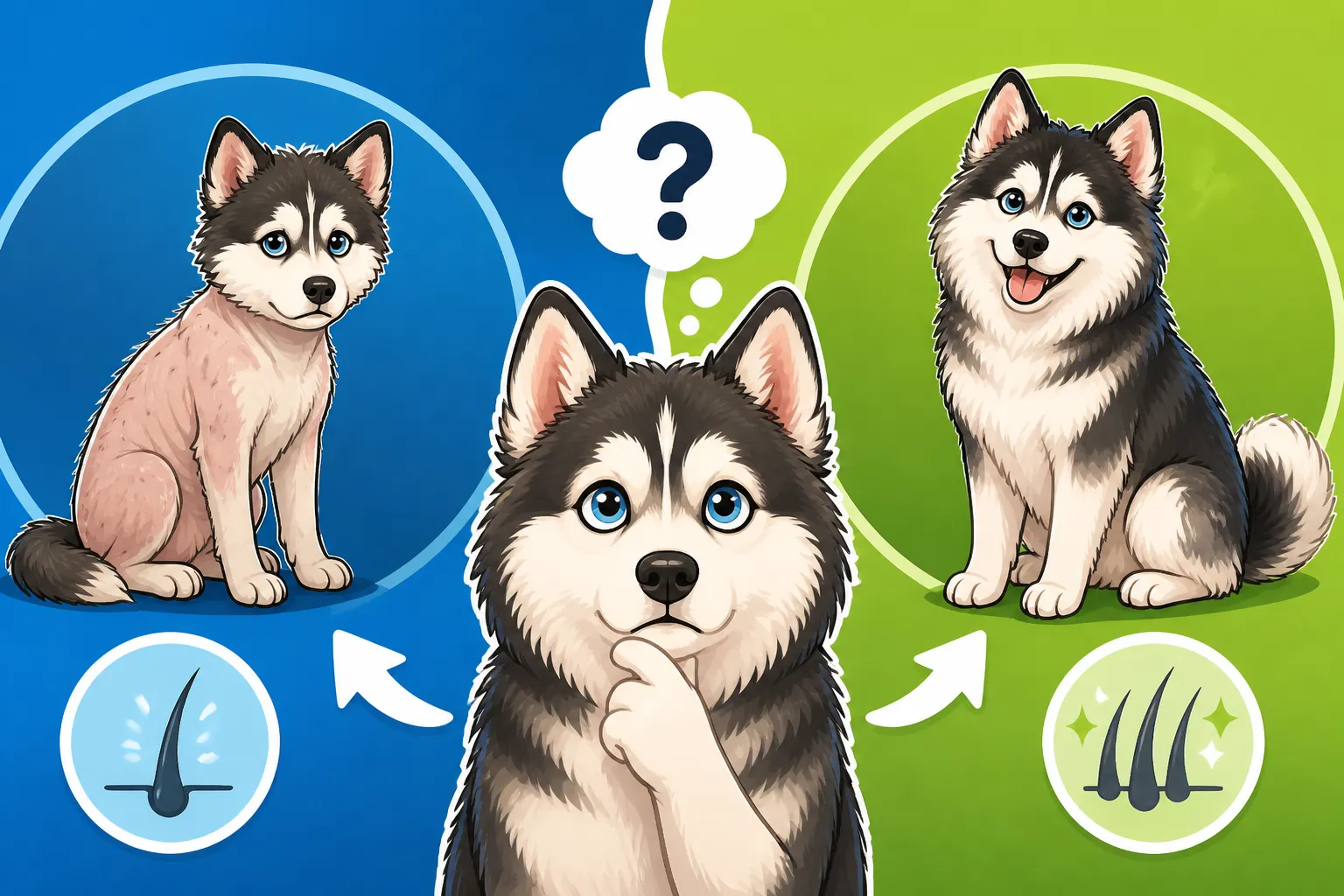
It’s a heart-stopping moment for any Pomsky owner: you notice a patch of thinning fur, a bald spot, or perhaps your dog just came back from the groomer looking… wrong. You look at that gorgeous double coat, the very thing that makes your Pomsky so striking, and a wave of panic hits. Will it grow back? This isn't just a cosmetic concern; your Pomsky's coat is vital for their health and comfort. This comprehensive guide will delve deep into the nuances of Pomsky coat regrowth, exploring everything from natural shedding cycles to unfortunate shaving incidents and underlying medical conditions, so you can understand what to expect and how to help.
The Marvel of a Pomsky's Double Coat
Before we dive into regrowth, it's crucial to appreciate what makes a Pomsky's coat so special in the first place. These dogs inherit their magnificent fur from both the Siberian Husky and the Pomeranian, resulting in a dense, functional, and undeniably beautiful double coat. This isn't just fluffy window dressing; it's a finely tuned system designed for temperature regulation, protection, and overall well-being. When this system is disrupted, it can be a real worry for owners.
The Insulating Power of the Guard Hairs
The outer layer of your Pomsky's coat consists of what we call "guard hairs." These are typically coarser, longer, and more resilient than the undercoat. Their primary job is to protect your Pomsky from the elements – think of them as a natural, all-weather jacket. They repel water, block harmful UV rays from the sun, and offer a crucial barrier against dirt, debris, and insect bites. These hairs are structured to stand off the body, creating an insulating layer of air that helps regulate temperature. When you run your hand over a healthy Pomsky coat, you feel that smooth, slightly stiff outer layer. That’s the guard hairs doing their job, and they’re essential for your dog’s comfort in both hot and cold weather.
The Role of the Soft, Dense Undercoat
Beneath those protective guard hairs lies the true powerhouse of the Pomsky's thermal regulation: the undercoat. This layer is incredibly soft, dense, and fine, resembling cotton wool. Its main purpose is to provide insulation. In cold weather, it traps warm air close to the body, keeping your Pomsky toasty. In warmer weather, it actually helps to prevent overheating by creating an air buffer that slows the transfer of heat to the skin. Many owners mistakenly think that a double coat makes a dog hotter in summer, but it's quite the opposite when healthy and properly maintained. This undercoat is also the reason for the notorious "blowing coat" phases, which we'll discuss shortly. The sheer volume of this undercoat is something you really have to experience to believe; it’s a constant battle to keep up with for many owners of a Pomsky that carries a Husky coat at twenty pounds.
The Big "No-No": Why Shaving a Pomsky's Coat is a Major Risk
This is perhaps one of the most common and heartbreaking reasons why owners find themselves asking about coat regrowth. It's a persistent myth that shaving a double-coated dog helps them stay cool in summer, or reduces shedding. In reality, it can cause far more harm than good, and the consequences for regrowth can be unpredictable and deeply frustrating.
Post-Clipping Alopecia: The Unpredictable Aftermath
"Post-clipping alopecia" is the technical term for when a dog's coat fails to grow back normally after being shaved or closely clipped. For double-coated breeds like the Pomsky, this is a very real and significant risk. What often happens is that the delicate growth cycle of the hair follicles is disrupted. When the guard hairs are removed, the undercoat may grow back preferentially, or the growth in general can become patchy, thin, or even stop altogether in certain areas. It's not a universal outcome for every shaved dog, but when it happens, it can be incredibly distressing. You might see a sparse, dull coat, or even completely bald patches that simply won't fill in, even months or years later. This issue is so prevalent that many groomers will refuse to shave a double-coated dog without a vet's recommendation. If you're grappling with this, you might be wondering Whether a Pomsky's Post Clipping Alopecia Is Different from other breeds, and indeed, the severity can vary.
The Risk of Permanent Damage and Sunburn
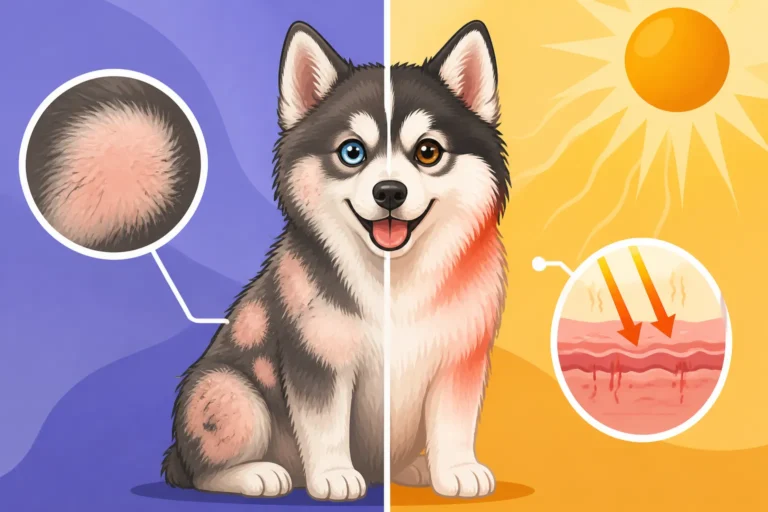
Beyond the aesthetic concerns, shaving a Pomsky removes their natural defense system. Remember those guard hairs? They're crucial for protecting against sunburn. A shaved Pomsky is highly susceptible to painful sunburn, which can lead to skin damage, infections, and even increase the risk of skin cancer over time. Their skin is simply not designed to be exposed directly to the elements. Furthermore, the act of shaving can sometimes damage the hair follicles themselves, leading to permanent changes in the texture and density of the coat, or even rendering certain follicles incapable of producing hair again. This is why it's a common concern for owners about Whether a Pomsky's Coat Comes Back After a Shave or if the damage is irreversible.
Why Groomers Often Refuse to Shave Double Coats
Most reputable groomers are keenly aware of the risks associated with shaving double-coated breeds. They understand that while a client might request it with good intentions (e.g., to "cool them down"), it can lead to health problems for the dog and dissatisfaction for the owner. Instead of shaving, skilled groomers will offer de-shedding treatments, thorough brushing, and bathing to manage shedding and keep the coat healthy and functional. They know that proper grooming involves removing loose undercoat and keeping the guard hairs intact, which actually improves the coat's ability to insulate and protect, rather than hindering it. It's a common part of the What Grooming a Pomsky Costs a Year to include regular de-shedding treatments rather than clipping.
Understanding the Natural Cycle: Seasonal Blowouts and Normal Shedding
While shaving can cause serious problems, it's important to differentiate that from the perfectly normal, albeit sometimes overwhelming, process of natural shedding. Your Pomsky's coat is dynamic, constantly renewing itself. Understanding this cycle helps you know what to expect and when to simply grab your brushes and embrace the fur hurricane.
The Spring and Fall Coat Blows
Ah, the "coat blowout." If you own a Pomsky, you know this term intimately. Just like their Husky ancestors, most Pomskies blow their coat twice a year, typically in spring and fall. This is a dramatic process where they shed their entire undercoat to prepare for the upcoming season. In spring, they shed their dense winter undercoat to make way for a lighter summer layer. In fall, they shed that lighter coat to grow in a thick, insulating winter coat. During these periods, the amount of fur that comes off your dog can be astonishing. It’s not uncommon for owners to wonder The Months a Pomsky Blows Its Coat and then be utterly surprised by the sheer volume of fur that seems to fill every corner of their home. This shedding is completely normal, and the coat will always grow back – it’s just replacing what’s already there with a new, seasonally appropriate version. During these times, a good force dryer and a quality undercoat rake, like the Furminator or Chris Christensen's Coral Slicker Brush, become your best friends.
Everyday Shedding and Coat Maintenance
Even outside of the dramatic seasonal blowouts, Pomskies shed year-round. This is just part of having a double-coated breed. The amount can vary depending on individual genetics, climate, diet, and overall health, but expect a steady supply of fur. Regular brushing, at least a few times a week (and daily during a blowout), is essential not just for managing the shed, but for distributing natural oils, preventing mats, and keeping the skin healthy. Using tools like an undercoat rake can really help penetrate that dense fur and pull out dead hair before it ends up on your couch. This consistent effort is key to maintaining a healthy coat that can grow back properly after its natural cycles. If you’re not sure which tools to use, "The Undercoat Rake a Pomsky Owner Lives With" offers some great advice.
Medical Conditions That Affect Coat Regrowth
Sometimes, hair loss and lack of regrowth aren't due to poor grooming choices but rather underlying health issues. These situations can be particularly distressing because they often indicate a deeper problem that needs veterinary attention. If your Pomsky's coat isn't growing back, or you're seeing unusual hair loss, it's time to consult your vet.
Alopecia X and Its Impact on Pomsky Coats
Alopecia X, often referred to as Black Skin Disease or coat funk, is a common condition in Nordic breeds and their mixes, including Pomskies. It's a frustrating and often misunderstood dermatological disorder characterized by progressive hair loss, typically starting on the flanks, hindquarters, and sometimes the neck. The skin in affected areas may also darken, thicken, and become dry. The "X" in Alopecia X signifies that the exact cause is unknown, making diagnosis and treatment challenging. While some dogs may experience partial regrowth with certain treatments (like melatonin or neutering if they are intact), complete and permanent regrowth isn't always guaranteed. It's a condition that truly impacts What Alopecia X Does to a Pomsky's Coat and can be a long-term management challenge. Many owners find themselves asking Whether a Pomsky's Coat Loss Is Thyroid or Alopecia X because the symptoms can sometimes overlap. Getting an accurate diagnosis is crucial.
Hypothyroidism and Other Hormonal Imbalances
Hormonal imbalances, especially hypothyroidism (an underactive thyroid gland), can significantly impact a dog's coat health and growth. A hypothyroid Pomsky might exhibit symptoms like a dull, dry, and brittle coat, thinning hair, or symmetrical hair loss, often without itching. Other signs might include weight gain, lethargy, and an intolerance to cold. The good news is that if hypothyroidism is diagnosed, it's often manageable with medication, and once the hormone levels are balanced, hair regrowth can occur. However, it takes time, and consistent treatment is key. Other hormonal issues, like Cushing's disease, can also cause hair loss and thin skin, making it seem like a dog is having trouble growing their coat back. For this reason, it's vital to perform a Whether a Thyroid Test Rules Out Alopecia X in a Pomsky to rule out other treatable conditions first.
Skin Infections and Parasites
Believe it or not, common skin problems can also mimic or contribute to poor coat regrowth. Bacterial or fungal skin infections (like ringworm) can cause localized hair loss, redness, itching, and inflammation. Similarly, external parasites such as fleas, mites (like Demodex or Sarcoptes), or even lice can lead to intense itching, self-trauma, and subsequent hair loss or patchy regrowth. Once the underlying infection or parasite infestation is treated, the hair usually grows back, provided the skin and hair follicles haven't suffered permanent damage from chronic inflammation or scratching. However, if left untreated, these issues can create a cycle of irritation and poor coat health that prevents normal regrowth. If you see your Pomsky constantly scratching or licking at a specific area, it could be more than just dry skin.
Supporting Healthy Coat Regrowth in Your Pomsky
If your Pomsky is experiencing coat loss or slow regrowth, whether due to a past shaving incident, a medical condition, or just generally dull fur, there are steps you can take to encourage a healthy return of their glorious double coat. This isn't a quick fix, but a commitment to consistent care and attention.
Nutritional Support for Skin and Coat Health
A healthy coat starts from the inside out. Providing your Pomsky with a high-quality, balanced diet rich in essential fatty acids (Omegas 3 and 6) is paramount. Look for dog foods that list real meat as the first ingredient and contain supplements like flaxseed, fish oil, or salmon oil. These fatty acids are crucial for skin hydration, reducing inflammation, and promoting strong, healthy hair growth. Some Pomskies also benefit from specific supplements. For instance, Whether a Pomsky Needs Extra Zinc is a valid question, as Zinc Responsive Dermatosis is seen in some Arctic breeds, and zinc supplementation can dramatically improve their coat and skin health. Always discuss any dietary changes or supplements with your veterinarian to ensure they are appropriate for your individual dog. Quality nutrition is an often-overlooked hero in the battle for a magnificent coat.
Appropriate Grooming Techniques
Proper grooming is an ongoing commitment for a double-coated breed. It's not just about brushing; it’s about maintaining the integrity of the coat's structure.
First, invest in the right tools. An undercoat rake and a slicker brush are indispensable. During seasonal blows, a high-velocity force dryer can be a game-changer for thoroughly removing loose undercoat without damaging the guard hairs. This helps stimulate blood flow to the skin and promotes new hair growth.
Second, avoid shaving or close clipping unless medically necessary and recommended by a vet. If you do need professional grooming for dematting or hygiene, ensure your groomer understands and respects double coats. They should focus on de-shedding, bathing, and trimming only "feathering" areas, if desired, rather than removing the protective outer coat. Shampoos That Suit a Pomsky's Double Coat are also important; look for those that are gentle, moisturizing, and specifically formulated for sensitive skin or shedding coats.
Environmental Factors and Stress Reduction
Just like humans, a dog's coat can be affected by their environment and stress levels.
Firstly, consider the climate. While Pomskies have a double coat designed for colder temperatures, they can adapt to warmer climates with proper management. However, prolonged exposure to extreme heat can lead to skin issues or make them uncomfortable, potentially impacting coat health. Ensure they have access to shade, cool water, and air conditioning during hot spells. A cool, comfortable dog is a healthy dog.
Secondly, stress can manifest physically, including through changes in coat quality or increased shedding. A happy, well-adjusted Pomsky is more likely to have a healthy coat. Ensure they get adequate exercise (a tired Pomsky is a good Pomsky!), mental stimulation, and a consistent routine. A stressful home environment, lack of attention, or insufficient enrichment can all contribute to physical symptoms like poor coat condition.
When to Seek Veterinary Advice
While some coat issues are normal and others can be managed at home, there are definite signs that warrant a trip to the vet. Don't hesitate to seek professional help if you're concerned; early intervention can often lead to better outcomes for your Pomsky's coat and overall health.
Persistent Bald Patches or Thinning
If you notice bald patches that don't seem to be growing back, or widespread thinning that isn't characteristic of a seasonal blowout, it's time to see your vet. This is especially true if the hair loss is asymmetrical, appears suddenly, or is accompanied by other symptoms. Persistent hair loss could be a sign of anything from a stubborn case of ringworm to a more complex hormonal issue like Alopecia X. Your vet can perform diagnostic tests, such as skin scrapings, fungal cultures, or blood tests, to pinpoint the cause. Remember, many issues, including Zinc Responsive Dermatosis in a Pomsky, can mimic other conditions, making a professional diagnosis essential.
Skin Irritation, Redness, or Itching
Any signs of skin irritation, such as redness, flakiness, scabbing, pustules, or excessive itching, should prompt a vet visit. These symptoms often indicate a skin infection (bacterial, fungal, or yeast), allergies, or parasites. Chronic scratching and licking can not only prevent hair regrowth but can also lead to secondary infections and hot spots, which are painful and difficult to heal. Even something that seems minor, like persistent licking of paws, could be a sign of allergies, a common cause of skin and coat issues in many breeds. Whether a Pomsky Gets Allergies is a common question, and yes, they absolutely can, manifesting in various ways, including poor coat condition.
Sudden or Unexplained Coat Changes
A sudden change in your Pomsky's coat texture, color, or overall health that doesn't align with a natural shedding cycle is a red flag. This might include a previously soft coat becoming coarse and brittle, or a vibrant color dulling significantly. Unexplained changes could be indicators of internal health problems, nutritional deficiencies, or a reaction to something in their environment. Prompt veterinary attention is crucial for accurate diagnosis and treatment. For example, if you've recently considered pet insurance, a good policy like those offered by Healthy Paws can help cover the costs of these diagnostic workups and treatments, giving you peace of mind that you can address any sudden health concerns without financial strain. It's always wise to be prepared for the unexpected when it comes to your beloved pet's health.
Ultimately, the question of whether a Pomsky's coat grows back isn't always a straightforward "yes" or "no." It depends heavily on the reason for the hair loss. With proper care, attention, and veterinary guidance when needed, you can do a lot to ensure your Pomsky's coat remains a beautiful, healthy, and functional part of their unique charm. Staying informed and proactive is the best way to keep that luxurious fur looking its best.
Disclaimer
This article is intended for informational purposes only and does not constitute veterinary advice. Always consult with a qualified veterinarian for any health concerns or before making any decisions about your Pomsky's care or treatment.